Addressing Cultural Bias in Educational Materials
26 September 2026
Education is supposed to be a path that opens doors, right? But what happens when the very materials we use to teach learners unwittingly close them for some? Unfortunately, cultural bias in educational materials is a real issue that affects students worldwide. Whether it’s a textbook, an online course, or even a classroom discussion, bias can sneak in and influence how students perceive the world—and even themselves.
In this article, we’ll dive into what cultural bias in educational materials is, why it’s a problem, and, most importantly, how we can address it. If you’re a teacher, parent, student, or just someone who’s curious about education, this article is for you. Let’s make learning more inclusive, shall we?
What is Cultural Bias in Educational Materials?
Let’s start with the basics. Cultural bias refers to the tendency to favor one culture over others in a way that’s unfair or unbalanced. In educational materials, this can show up in various ways—like through the examples used, the history that’s taught (or not taught), the images in books, and even the language used.For instance, a history textbook that only highlights the achievements of Western civilizations while glossing over contributions from non-Western cultures is an example of cultural bias. Similarly, if a math problem only includes names like “John” or “Emily” and never “Mohammed” or “Xiaohong,” that’s a subtle form of bias too.
This kind of bias can send unspoken messages to students—especially those from underrepresented or marginalized groups—that their culture, background, or identity is somehow less important or valuable. And that? That’s a huge problem.
Why Should We Care About Cultural Bias?
You might be wondering, "Why is this such a big deal?" Well, it’s simple. Education shapes minds. It’s not just about learning facts and figures—it’s about understanding the world and your place in it. When students are exposed to biased materials, it can impact their self-esteem, achievement, and even how they engage with school.Think of it like this: If you were constantly exposed to stories, lessons, and imagery that didn’t include people like you, wouldn’t you start to feel invisible? Or, even worse, like you don’t belong? That’s exactly what happens when educational materials fail to represent the diversity of cultures and experiences that exist in the world.
Unfortunately, this issue isn't isolated. Cultural bias is widespread and can be found in classrooms across the globe. And while it may not always be intentional, the effects are still harmful. So, how do we fix it? Let’s explore some steps we can take to address this issue.
Types of Cultural Bias in Educational Materials
Cultural bias in educational resources can take many different forms. Some are glaringly obvious, while others are more subtle. Below are the most common types of bias you’ll find in educational materials:1. Content Bias
This is probably the most recognizable form of bias. It occurs when the content of a textbook or lesson favors one culture over others. For example, a history lesson that only focuses on European colonization without mentioning the devastating effects on indigenous populations would be an example of content bias. Similarly, an English literature curriculum that only includes Western authors while ignoring writers from Africa, Asia, or Latin America is another form of this bias.2. Stereotyping
Stereotyping occurs when certain groups are portrayed in a way that reinforces negative or simplistic views. This can happen in stories, images, or even in the way certain characters are described in textbooks. For example, if children’s books only show boys being strong and girls being nurturing, that’s reinforcing harmful gender stereotypes. When it comes to culture, it could be as simple as always showing certain ethnic groups in traditional clothing, implying that they are somehow “stuck in the past.”3. Representation Bias
This is when certain groups are either underrepresented or not represented at all. Representation bias can be subtle but damaging. If students from diverse backgrounds never see people like themselves in educational materials, they may feel like their cultures aren’t important or worth learning about. This extends to LGBTQ+ representation, students with disabilities, and other marginalized groups as well.4. Language Bias
Language is a powerful tool, and the words we use matter. Language bias occurs when terms or phrases used in educational materials reflect a certain cultural viewpoint, often excluding or demeaning others. For example, referring to a group as “primitive” or using terms like “third world” can carry negative connotations that perpetuate harmful stereotypes.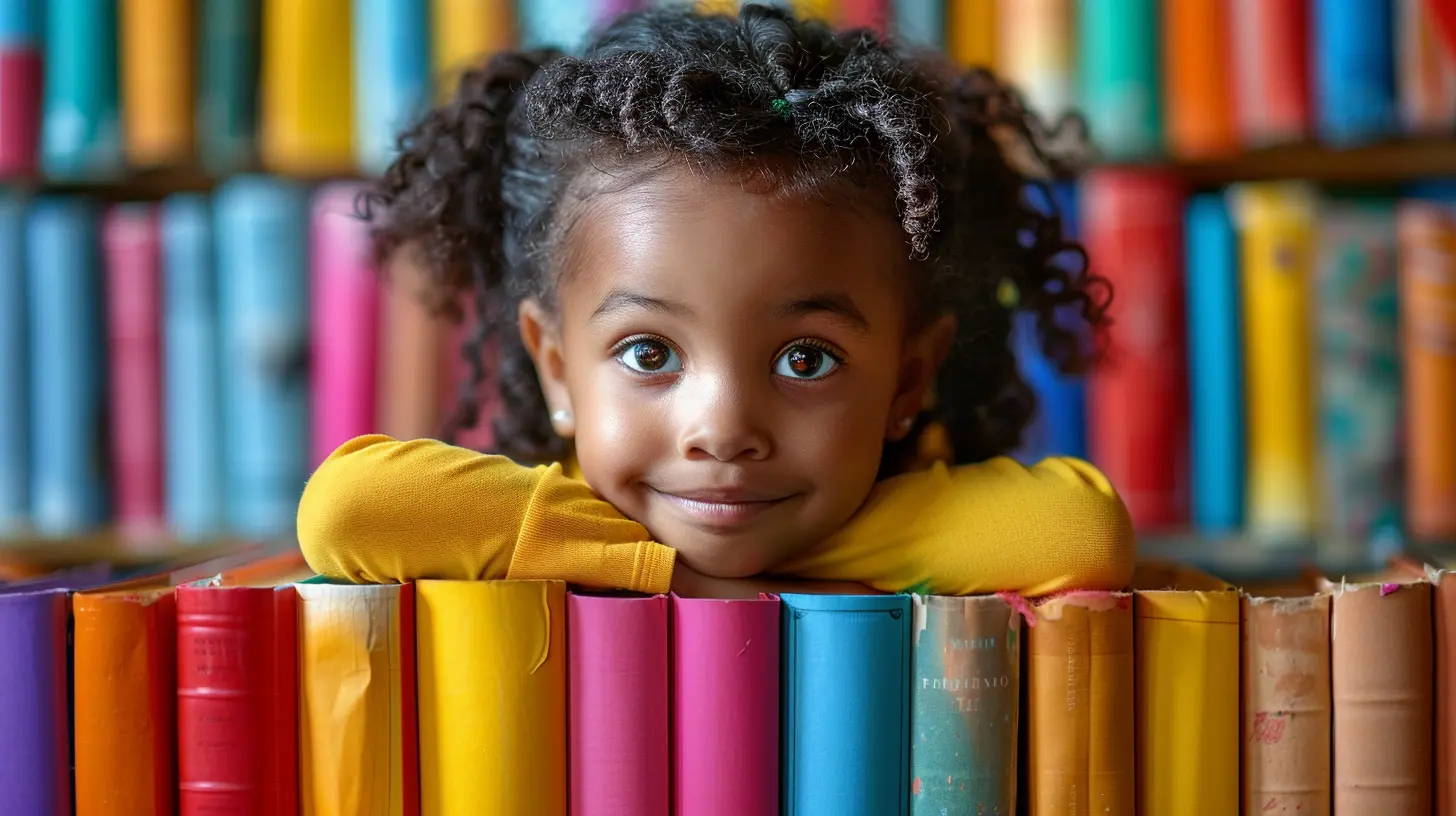
The Impact of Cultural Bias on Students
The effects of cultural bias in education are far-reaching and can have lasting impacts on students. Here are some of the key ways it manifests:1. Lower Engagement and Motivation
If students don’t see themselves reflected in the content they’re learning, they’re less likely to feel engaged. Imagine sitting through lesson after lesson where none of the stories or examples relate to your life or experiences. It’s hard to stay motivated when the material feels irrelevant or alienating.2. Erosion of Self-Esteem
Repeated exposure to biased materials can chip away at a student’s self-esteem. If the only images or stories they see about people like them are negative, it can lead to feelings of inferiority. Over time, this can have a detrimental effect on their confidence and academic performance.3. Perpetuation of Stereotypes
Bias in educational materials doesn’t just affect marginalized students—it impacts everyone. When students are repeatedly exposed to biased portrayals of certain groups, they may internalize those stereotypes and carry them into adulthood. This perpetuates a cycle of prejudice and inequality.4. Narrow Worldview
One of the primary purposes of education is to broaden students’ horizons and help them understand the world around them. However, when educational materials are biased, they limit students’ perspectives. Instead of seeing the world as a diverse and interconnected place, they’re given a skewed, one-dimensional view.
How to Address Cultural Bias in Educational Materials
Okay, now that we understand the problem, what can we do about it? Thankfully, there are several strategies we can use to make educational materials more inclusive and culturally responsive.1. Diversify the Curriculum
One of the most effective ways to combat cultural bias is to diversify the curriculum. This means including voices from a wide range of cultures, backgrounds, and perspectives. Whether it’s history, literature, or science, there are countless opportunities to showcase contributions from different groups.For example, when teaching history, consider incorporating lessons about the contributions of Black, Indigenous, and other people of color. In literature, make an effort to include authors from different cultural backgrounds. And in science, highlight the innovations and discoveries made by scientists from all over the world.
2. Review and Revise Materials
It’s essential to regularly review and revise educational materials to identify and eliminate bias. This can be done by educators, curriculum developers, and even students themselves. When evaluating materials, ask questions like:- Whose voices are being represented, and whose are missing?
- Are there any stereotypes being reinforced?
- Does the language used reflect respect for all cultures?
By critically assessing educational materials, we can make small but impactful changes that create a more inclusive learning environment.
3. Involve Diverse Voices in Material Creation
It’s not enough to just review and revise existing materials—diverse voices need to be involved in the creation process from the start. This means hiring curriculum developers, authors, and illustrators from a variety of cultural backgrounds. When the people creating the materials are diverse, the materials themselves are more likely to be inclusive and free from bias.4. Provide Cultural Competency Training for Educators
Teachers play a crucial role in delivering educational materials, so it’s essential that they receive training on cultural competency. Cultural competency training helps educators recognize their own biases and develop strategies for creating an inclusive classroom environment. It also equips them with the tools to address bias when they see it in the materials they’re using.5. Encourage Critical Thinking
One of the most powerful tools we can give students is the ability to think critically. When students are taught to question and analyze the materials they’re learning, they’re more likely to recognize and challenge bias when they encounter it. Encouraging discussions about representation, stereotypes, and cultural diversity can help foster a more inclusive and equitable learning environment.Conclusion
Cultural bias in educational materials is a serious issue, but it’s not an insurmountable one. By recognizing the problem and taking steps to address it, we can create a more inclusive, equitable, and empowering education system for all students. Whether it’s diversifying the curriculum, reviewing materials for bias, or providing cultural competency training for educators, there are plenty of ways to make a difference.Education should be about expanding horizons and helping every student realize their full potential. And the only way to do that is by ensuring that our educational materials reflect the diverse world we live in. So, let’s get to work. The future of education depends on it.
all images in this post were generated using AI tools
Category:
Cultural AwarenessAuthor:

Olivia Chapman