Blended Learning: A New Paradigm for Curriculum Design
23 August 2026
Education is evolving—and boy, is it evolving fast. Gone are the days when learning was confined within the four walls of a classroom with chalkboards, desks in neat rows, and the sound of a bell marking every period. Today, thanks to technology and innovation, we’re entering a fresh chapter in how we teach and how students learn.
Enter blended learning—a hybrid model that’s changing everything about curriculum design. Think of it as the perfect smoothie of traditional teaching and digital instruction. It’s not just trendy jargon; it’s a fundamental shift in how we approach education in the 21st century.
Let’s dig in, shall we?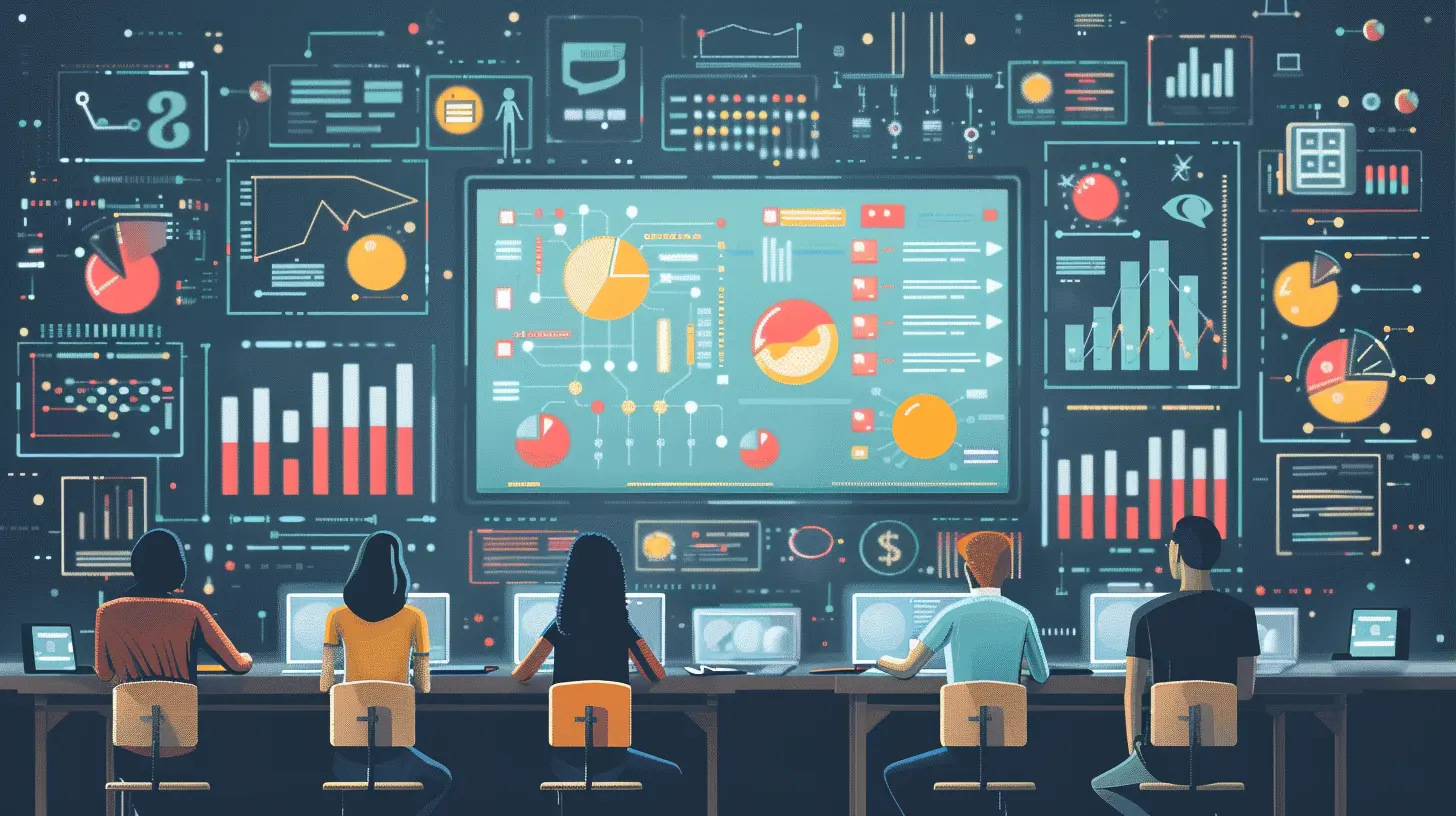
What Exactly Is Blended Learning?
Blended learning isn’t rocket science, even though it might sound a bit tech-heavy at first. Simply put, it’s a mix of face-to-face classroom methods and online educational materials. Picture a student attending a math lecture on Monday, doing an online interactive activity on Tuesday, and participating in a group discussion via Zoom on Wednesday. That’s blended learning in action.What makes it powerful is that it’s not just about replacing teachers with screens—it’s about enhancing the learning experience. You’re combining the human touch of traditional instruction with the flexibility and personalization that digital tools offer.
Why Blended Learning Is Gaining Traction
Let’s face it—students today are wired differently. Literally. They're digital natives who’ve grown up with smartphones, social media, and instant access to information. So, it only makes sense that learning should evolve with them.Blended learning caters to:
- Personalized learning styles: Not everyone learns the same way. Some of us are visual learners, while others prefer hands-on activities. Blended learning allows for a more customized approach.
- Flexible schedules: Life happens. With online components, students can catch up on lessons when it suits them.
- Engagement and interactivity: Interactive modules, videos, quizzes, and simulations make learning more fun and less about memorizing for a test.
But there’s more to it than just perks for students. Teachers benefit too.
Rethinking the Teacher’s Role
In a blended learning environment, teachers transform from content deliverers to learning facilitators. Instead of standing in front of the class and talking for an hour straight, they guide students through a learning journey.This shift in roles opens new doors:
- More time for one-on-one support: With digital tools taking care of routine instruction, teachers get more quality time with students who need individual help.
- Data-driven instruction: Teachers can track students' progress in real-time using online platforms. That means targeted support becomes easier and more efficient.
- Creative teaching opportunities: Want to flip your classroom or add a gamified quiz? Go for it. Blended learning encourages innovation.
The Core Elements of a Blended Curriculum
Designing a blended curriculum isn’t about just uploading a few videos and calling it a day. It requires thoughtful planning, a clear structure, and a solid understanding of students' needs. Think of it like building a house—you need a strong foundation before you start adding the fancy decor.Here’s what goes into the mix:
1. Clear Learning Objectives
Start with the end in mind. What should students know or be able to do after a lesson or course? Once you’ve got that down, everything else can align around it.2. A Balance Between Online & Face-to-Face
This is where the “blend” comes in. Decide which parts of the content are best delivered in-person and which can be taught online. The goal is to use the strengths of both mediums.For instance:
- Complex discussions? In-person.
- Quizzes and tutorials? Online.
- Group projects? A mix of both.
3. Content That Pops
Let’s be real—dry, text-heavy PowerPoints aren’t going to cut it anymore. Today’s learners crave engaging content. Think:- Short videos
- Interactive simulations
- Game-based learning
- Peer-reviewed forums
4. Assessment Strategies That Make Sense
Blended learning offers a golden opportunity to rethink assessments. Instead of relying solely on big final exams, incorporate:- Frequent low-stakes quizzes
- Peer reviews
- Project-based assessments
- Digital portfolios
5. Tech Integration & Accessibility
Here’s the thing: even the best-designed curriculum falls flat if students can't access it. Make sure all students have the tech and support they need. That means:- Mobile-friendly platforms
- Cloud-based resources
- Tech support and digital literacy training
Challenges? Of Course—But They’re Surmountable
Let’s not pretend everything is sunshine and rainbows. Like any major change, blended learning comes with its set of challenges. But the good news? They’re manageable.Tech Barriers
Not every student has access to high-speed internet or a personal laptop. That’s a real concern. Schools and institutions must bridge this digital divide by providing resources or alternatives.Teacher Training
You can’t expect teachers to innovate with tech overnight. They need ongoing training, support communities, and time to develop their blended teaching skills.Student Accountability
Self-paced online learning can be a double-edged sword. Some students thrive, while others fall behind. That’s where check-ins, feedback mechanisms, and motivation strategies become crucial.Real-World Examples of Blended Learning Done Right
Let’s put a spotlight on how blended learning is transforming real classrooms.- Khan Academy Partnership Classrooms: Teachers pair in-class lessons with the Khan Academy’s online resources, personalizing instruction and freeing up time for individual help.
- MOOCs (Massive Open Online Courses) in Higher Ed: Colleges combine online MOOCs with seminar-style classroom discussions. Students get the best of both worlds—expert instruction and local support.
- Flipped Classrooms: Students watch lectures at home and spend classroom time working through problems together. It’s like doing your homework in class—but with help.
These aren’t just fun experiments. They’re powerful examples of how blended learning is creating more meaningful, adaptable, and effective education.
The Impact on Student Outcomes
What about the results? Is this just another educational fad? Let’s look at the data.Studies have shown blended learning can:
- Improve student achievement, especially in math and science
- Increase course completion rates
- Boost student satisfaction and engagement
- Promote long-term retention of knowledge
It just makes sense—students who learn in ways that suit them are more likely to succeed.
The Future of Curriculum Design
Here’s the million-dollar question: Is blended learning the future?All signs point to yes.
As we continue living in a digital-first world, education needs to keep up. The future curriculum won’t be one-size-fits-all. It’ll be adaptive, tech-infused, and student-centered.
Imagine AI-curated learning paths, virtual reality field trips, and real-time performance analytics. We’re only scratching the surface right now.
The key will be designing curricula that are:
- Flexible: Able to shift between in-person and online with ease.
- Inclusive: Accessible to all students, regardless of background or ability.
- Relevant: Packed with real-world skills and up-to-date content.
Final Thoughts: Let’s Embrace the Blend
It’s tempting to cling to the familiar. Change is tough, especially in systems as deeply rooted as education. But blended learning offers something truly special—a way to meet students where they are while still holding onto the magic of human connection.As educators, parents, and lifelong learners, we’re standing at the crossroads of tradition and innovation. Blended learning isn’t about choosing one over the other; it’s about crafting a new path that picks the best of both worlds.
So, whether you’re a teacher designing your next syllabus, a school administrator planning professional development, or a curious parent wondering what’s next—know this: blended learning isn’t just the future. It’s the now.
Let’s lean into it.
all images in this post were generated using AI tools
Category:
Curriculum DesignAuthor:

Olivia Chapman
Discussion
rate this article
2 comments
Ranger Perez
Blended learning transforms curriculum design by integrating online and in-person experiences, fostering deeper engagement. This approach not only accommodates diverse learning styles but also prepares students for a dynamic future, where adaptability and technology play crucial roles in education.
August 31, 2026 at 12:12 PM
Olivia Chapman
Thanks for your insights! Blended learning truly reshapes how we approach education, making it more adaptable and inclusive for all students.
Selah Spencer
Blended learning reshapes education in unexpected ways. What hidden potentials lie in merging traditional methods with technology? As we explore this new paradigm, let's unravel the mysteries of its impact on curriculum design...
August 31, 2026 at 3:03 AM
Olivia Chapman
Blended learning opens doors to personalized learning experiences, enhancing engagement and flexibility. By merging traditional methods with technology, we can cater to diverse learning styles and improve accessibility, ultimately enriching curriculum design.