Blended Learning as a Pathway to 21st Century Skill Mastery
17 November 2026
Introduction
In today's fast-paced world, the demands placed on students have evolved significantly. The traditional classroom model, which often focuses on rote memorization and standardized testing, is no longer sufficient to prepare learners for the complexities of the 21st century. Enter blended learning, a dynamic educational approach that combines online and face-to-face instruction. This method not only accommodates diverse learning styles but also fosters essential skills like critical thinking, collaboration, and digital literacy. In this article, we will explore how blended learning serves as a pathway to mastering these vital skills.
Understanding Blended Learning
What is Blended Learning?
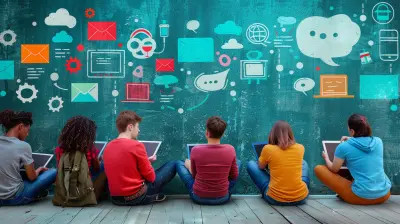
Blended learning refers to an educational framework that integrates traditional classroom methods with digital learning experiences. This approach allows students to engage with content online at their own pace while benefiting from direct interaction with instructors and peers during in-person sessions. The flexibility of blended learning creates a more personalized learning environment, enabling students to take ownership of their education.The Components of Blended Learning
Blended learning typically consists of three main components:1. Face-to-Face Instruction: Traditional classroom time where teachers provide direct instruction, facilitate discussions, and offer immediate feedback.
2. Online Learning: Digital platforms where students access resources, complete assignments, and participate in discussions at their convenience.
3. Integration: The seamless connection between in-person and online components, allowing for a cohesive learning experience.
This model can take various forms, including the flipped classroom, station rotation, and the flex model, each offering distinct advantages depending on the learning objectives and student needs.
21st Century Skills Defined
What Are 21st Century Skills?
21st century skills encompass a set of competencies vital for success in an increasingly complex and interconnected world. These skills generally fall into three main categories:1. Learning Skills: Often referred to as the "Four Cs," these include critical thinking, creativity, collaboration, and communication.
2. Literacy Skills: This category covers information literacy, media literacy, and technology literacy, enabling students to navigate and evaluate the vast amounts of information available today.
3. Life Skills: These encompass flexibility, leadership, initiative, productivity, and social skills, preparing students to adapt and thrive in diverse environments.
The Role of Blended Learning in Skill Development
Fostering Critical Thinking
Blended learning encourages students to engage in critical thinking through various methods. For instance, online discussion boards can prompt learners to evaluate different perspectives on a topic. When students are tasked with researching an issue online and then discussing their findings in class, they develop the ability to analyze information critically.Real-World Example: In a blended learning environment, a history teacher might assign students to investigate various sources on a historical event. Students would then come to class prepared to debate differing interpretations, honing their analytical skills.
Enhancing Creativity
The flexibility of blended learning allows for creative expression in ways that traditional classrooms may not. Online platforms can host multimedia projects where students create videos, podcasts, or interactive presentations, encouraging innovative thinking.Practical Advice: Educators can facilitate creativity by allowing students to choose their project formats and topics, thus tapping into their interests and passions.
Promoting Collaboration
Collaboration is intrinsic to blended learning. Students can work together on online platforms, engaging in group projects that require communication and teamwork. This not only prepares them for future workplace dynamics but also enhances their interpersonal skills.Common Mistake: A common pitfall is treating online collaboration as a secondary task. Instead, educators should emphasize its importance by integrating collaborative projects into the core curriculum.
Building Communication Skills
In blended learning settings, students often communicate through various mediums. Whether through video conferences, discussion boards, or face-to-face interactions, learners refine their ability to articulate thoughts clearly and effectively.Balancing Approaches: It is essential to balance written and oral communication exercises. For instance, while online forums can enhance written skills, in-person discussions foster verbal communication.
Implementing Blended Learning: Best Practices
Assessing Student Needs
Before implementing a blended learning model, educators should assess the specific needs of their students. Understanding their learning preferences, technological proficiency, and challenges is crucial for crafting an effective blended approach.Recommendation: Conduct surveys or informal assessments to gauge students' comfort levels with technology and their preferred learning styles. This data can guide the design of blended learning experiences.
Choosing the Right Technology
Selecting the appropriate technology platforms is vital for successful blended learning. Educators should consider user-friendliness, accessibility, and compatibility with educational goals.Considerations: Look for platforms that offer a range of features, such as video conferencing, discussion boards, and assignment tracking. Tools like Google Classroom, Moodle, and Edmodo are popular options that cater to diverse teaching needs.
Creating Engaging Content
Content is at the heart of blended learning. Educators must design engaging and relevant materials that resonate with students. This can involve multimedia resources, interactive quizzes, and real-world applications.Best Practice: Incorporate a variety of content types to address different learning styles. For instance, combining videos, articles, and hands-on projects can cater to visual, auditory, and kinesthetic learners alike.
Establishing Clear Expectations
Clear communication of expectations is crucial for blended learning success. Educators should outline course objectives, assessment criteria, and participation guidelines from the start.Tip: Use rubrics to provide transparent criteria for assignments. This not only helps students understand what is expected but also streamlines the grading process.
Challenges of Blended Learning
Technical Issues
While technology can enhance learning, it can also pose challenges. Technical issues, such as internet connectivity problems or software glitches, can disrupt the flow of the learning process.Solution: Prepare for potential technical difficulties by having backup plans, such as offline resources or alternative assignments. Regularly updating technology and providing training for both students and educators can also mitigate these challenges.
Resistance to Change
Transitioning to a blended learning model may meet resistance from both students and educators accustomed to traditional methods. Change can be daunting, and some may prefer familiar instructional approaches.Approach: Cultivate a culture of openness by involving all stakeholders in the transition process. Provide professional development opportunities for teachers and engage students in discussions about the benefits of blended learning.
Maintaining Engagement
Keeping students engaged in a blended learning environment can be challenging, particularly when online components are involved. Distractions abound in digital spaces, making it essential for educators to find ways to captivate students' attention.Recommendation: Utilize interactive elements, such as gamification or project-based learning, to increase engagement. Regularly check in with students to ensure they remain connected to the material and motivated by their learning experiences.
Conclusion
Blended learning is more than just a trend; it is a transformative educational approach that prepares students for the complexities of the 21st century. By fostering critical thinking, creativity, collaboration, and communication, blended learning equips learners with essential skills that extend beyond the classroom. Through careful implementation and a focus on student needs, educators can successfully navigate the challenges of blended learning and create a dynamic, engaging environment that promotes mastery of these vital competencies.
all images in this post were generated using AI tools
Category:
21st Century SkillsAuthor:

Olivia Chapman