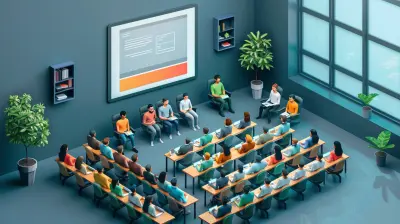
Building a Curriculum for the Future Workforce
14 July 2026
In today’s rapidly changing world, the landscape of work is evolving faster than ever before. Industries are being transformed by technology, automation, and artificial intelligence (AI). With this shift, the role of education must also change to keep up. The traditional curriculum, designed decades or even centuries ago, is no longer enough to prepare students for the jobs of tomorrow. But how do we go about building a curriculum for the future workforce?
In this article, we’ll dive deep into what it means to develop a future-ready curriculum. We’ll explore the skills future workers will need, the importance of adaptability, and the ways educators and institutions can start making changes today to prepare students for an uncertain tomorrow.

Why Is It Important to Prepare for the Future Workforce?
Let’s face it: the jobs we’re training students for today might not even exist in 10 or 20 years. Think about it—how many social media managers or AI specialists were there 15 years ago? Not many, right?The world is changing fast, and the workforce is evolving with it. Employers are already seeking skills that many current job seekers don’t possess, and the gap between education and real-world application is widening. To bridge that gap, we need to rethink our educational approaches. It’s not just about teaching kids to pass tests anymore—it’s about equipping them with the skills to thrive in an unpredictable future.
But what does that curriculum look like? Let’s break it down.

Core Skills for the Future
If we want to prepare students for jobs that don’t yet exist, we need to focus on skills that are transferable. These are often referred to as "21st-century skills," and they tend to be more about how students think and solve problems than about specific job-related tasks. Here are some key skills that should be at the heart of any future-focused curriculum:1. Critical Thinking and Problem-Solving
No matter where technology takes us, humans will always need to think critically. In a world where machines handle routine tasks, the value of workers will lie in their ability to tackle complex problems, analyze situations from multiple angles, and come up with innovative solutions.2. Collaboration and Teamwork
While it may seem like automation is making human interaction less important, that couldn’t be further from the truth. As workplaces become more global and remote, the ability to work well with others—often across different time zones and cultures—will be crucial. Teamwork, communication, and collaboration will be key components of success.3. Adaptability and Resilience
If there’s one thing we can be certain of, it’s that the future will be unpredictable. Workers will need to be adaptable and able to pivot when industries or technologies change. Resilience will also play a huge role—being able to bounce back from failure and keep moving forward is essential in a fast-paced, constantly changing environment.4. Digital Literacy
We’re already living in a digital world, and the future will only become more tech-centric. Digital literacy, the ability to understand and effectively use digital tools, software, and platforms, is already a must-have skill. In the future, it will be as basic as reading and writing. Beyond just using technology, students should also understand data privacy, cybersecurity, and digital ethics.5. Creativity and Innovation
With automation taking over repetitive tasks, the jobs of the future will require more creative thinking. Workers will need to think outside the box and innovate. A future-ready curriculum should encourage students to take risks, experiment, and embrace creativity in their problem-solving approaches.
The Role of Technology in Future Curriculums
Technology isn’t just changing work; it’s also changing education. Tools like AI, machine learning, and virtual reality (VR) can play a significant role in building a curriculum that prepares students for the future. Here’s how:1. Personalized Learning
One size doesn’t fit all, especially when it comes to education. AI-powered tools can help create personalized learning experiences tailored to each student’s strengths and weaknesses. This allows students to learn at their own pace, ensuring they master concepts before moving on.2. Online Learning and Flexibility
The COVID-19 pandemic showed us that online learning is here to stay. A future-focused curriculum will need to embrace this flexibility, offering students opportunities to learn from anywhere and at any time. This opens up possibilities for global collaboration and access to resources that would have been impossible in a traditional classroom setting.3. Integration of Emerging Technologies
Technologies like VR and augmented reality (AR) have the potential to transform education. Imagine students being able to explore ancient civilizations in 3D or perform complex science experiments in a virtual lab. These tools make learning more engaging and interactive, which can help students retain information more effectively.4. Data-Driven Insights
With the rise of big data, educators can now gather insights on student performance like never before. By analyzing this data, teachers can identify trends, predict learning gaps, and offer targeted interventions to help students succeed.
Shifting from Content Memorization to Skill Development
The traditional model of education places a heavy emphasis on content memorization. Students are often judged by how well they can regurgitate facts and figures. But in the future, having knowledge at your fingertips won’t be enough. After all, we all carry around smartphones that can give us answers to almost any question within seconds.Instead, a future-ready curriculum should focus on skill development. Rather than teaching students what to think, we’ll need to teach them how to think. Here are some strategies for making that shift:
1. Project-Based Learning
Instead of rote memorization, students should engage in project-based learning, where they apply their knowledge to real-world problems. This approach not only makes learning more relevant, but it also helps students develop critical thinking, collaboration, and problem-solving skills.2. Interdisciplinary Learning
The future workforce will need to be able to work across disciplines. A curriculum that integrates subjects like math, science, and history into a single project can help students see the connections between different fields. For example, building a robot requires knowledge of engineering, computer science, and mathematics, but it also involves creativity and problem-solving.3. Soft Skills Development
Soft skills like communication, empathy, and emotional intelligence will be just as important as technical skills in the future. However, these skills are often overlooked in traditional curriculums. Schools should create opportunities for students to practice these skills, whether through group projects, presentations, or community service activities.The Importance of Lifelong Learning
One of the most significant changes we’ll see in the future workforce is the need for lifelong learning. Gone are the days when you could get a degree and work in the same career for 40 years. As industries continue to evolve, workers will need to continually upskill and reskill to stay relevant.1. Microlearning and Certification Programs
Instead of returning to school for two or four years, workers will likely turn to microlearning—short, focused learning sessions designed to teach specific skills. Online platforms like Coursera, Udemy, and LinkedIn Learning are already leading the way in this space, offering courses and certifications that can be completed in a matter of weeks or months.2. Corporate Training and Upskilling
Companies are already starting to invest in their employees’ continued education. Corporate training programs, apprenticeships, and internships will become even more important as businesses recognize the need to keep their workforce up to date with the latest skills and technologies.3. Encouraging a Growth Mindset
In addition to providing opportunities for lifelong learning, a future-ready curriculum should encourage students to adopt a growth mindset—the belief that abilities and intelligence can be developed through dedication and hard work. This mindset is crucial for lifelong learning and can help students stay motivated when faced with new challenges.
How Educators and Institutions Can Lead the Way
Building a curriculum for the future workforce isn’t just about changing what we teach—it’s also about changing how we think about education. Here are some ways educators and institutions can lead the charge:1. Teacher Training and Professional Development
Just as students need to learn new skills, so do teachers. Educators will need to embrace new technologies, teaching methods, and ways of thinking to prepare students for the future. Professional development programs should focus on equipping teachers with the tools they need to create dynamic, future-ready curriculums.2. Partnerships with Industry
Educational institutions should form partnerships with businesses and industries to ensure their curriculums align with real-world needs. By working together, schools and companies can create internship programs, mentorship opportunities, and hands-on learning experiences that give students a taste of what the future workforce will look like.3. Focus on Equity and Access
As we build curriculums for the future workforce, it’s essential to ensure that all students—regardless of their background—have access to the same opportunities. This means investing in technology infrastructure, providing resources for underserved communities, and creating inclusive learning environments where every student can thrive.Conclusion: The Future Is Now
The future isn’t some distant concept—it’s happening right now. The workforce is changing fast, and the education system needs to keep pace. By focusing on critical thinking, adaptability, digital literacy, and creativity, we can build a curriculum that prepares students for the challenges and opportunities of tomorrow.The key to success? A curriculum that doesn’t just teach students to pass tests but equips them with the skills they’ll need to thrive in a world we can’t yet fully predict. The future is uncertain, but with the right education, our students will be ready for anything that comes their way.
all images in this post were generated using AI tools
Category:
Curriculum DesignAuthor:

Olivia Chapman
Discussion
rate this article
1 comments
Morrow McCaw
Great insights on shaping a curriculum that meets future workforce needs! It's essential to prepare our students for the challenges ahead. Excited to see how this evolves!
July 18, 2026 at 10:42 AM
Olivia Chapman
Thank you! I'm glad you found it helpful. Preparing students is crucial, and I look forward to the progress we can make together.