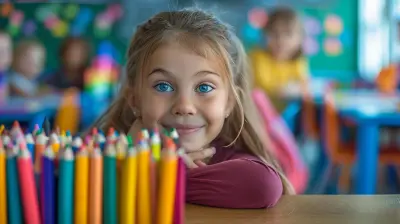
Building Bridges: Promoting Cultural Understanding in Schools
29 August 2026
In today’s world, where your classmates or coworkers could come from anywhere on the planet, cultural understanding isn't just a nice-to-have—it’s absolutely crucial. Schools, as microcosms of society, are the perfect starting point. They’re where kids learn how to think, feel, and act toward people who might look, speak, or believe differently than they do.
So, how do we make our schools hubs for cultural understanding instead of breeding grounds for stereotypes and misunderstandings?
Let’s dive into why cultural understanding matters and, more importantly, how we can actually promote it in schools.
What Is Cultural Understanding (And Why It Matters So Much)
Cultural understanding is basically the ability to recognize, appreciate, and respect people from different backgrounds. It involves empathy, open-mindedness, and a willingness to learn.Imagine trying to build a bridge without knowing what’s on the other side. It probably won’t stand the test of time. That’s what cultural misunderstanding is like—shaky foundations lead to weak connections.
In schools, cultural understanding helps reduce bullying, improves teamwork, and prepares students to thrive in a globalized world. It’s not about getting everyone to think the same; it’s about helping students understand and respect differences.
Why Schools Are the Perfect Place to Start
You might be wondering, “Why should we focus on schools? Can’t kids learn this stuff at home?”Sure, family matters. But schools are where students meet peers from all walks of life. They're where conversations happen, identities are formed, and values are shaped. Plus, educators can create experiences that model inclusivity and openness.
Think of schools as fertile ground. The seeds of empathy, respect, and curiosity? They get planted here—and if we water them right, they grow into life-long skills.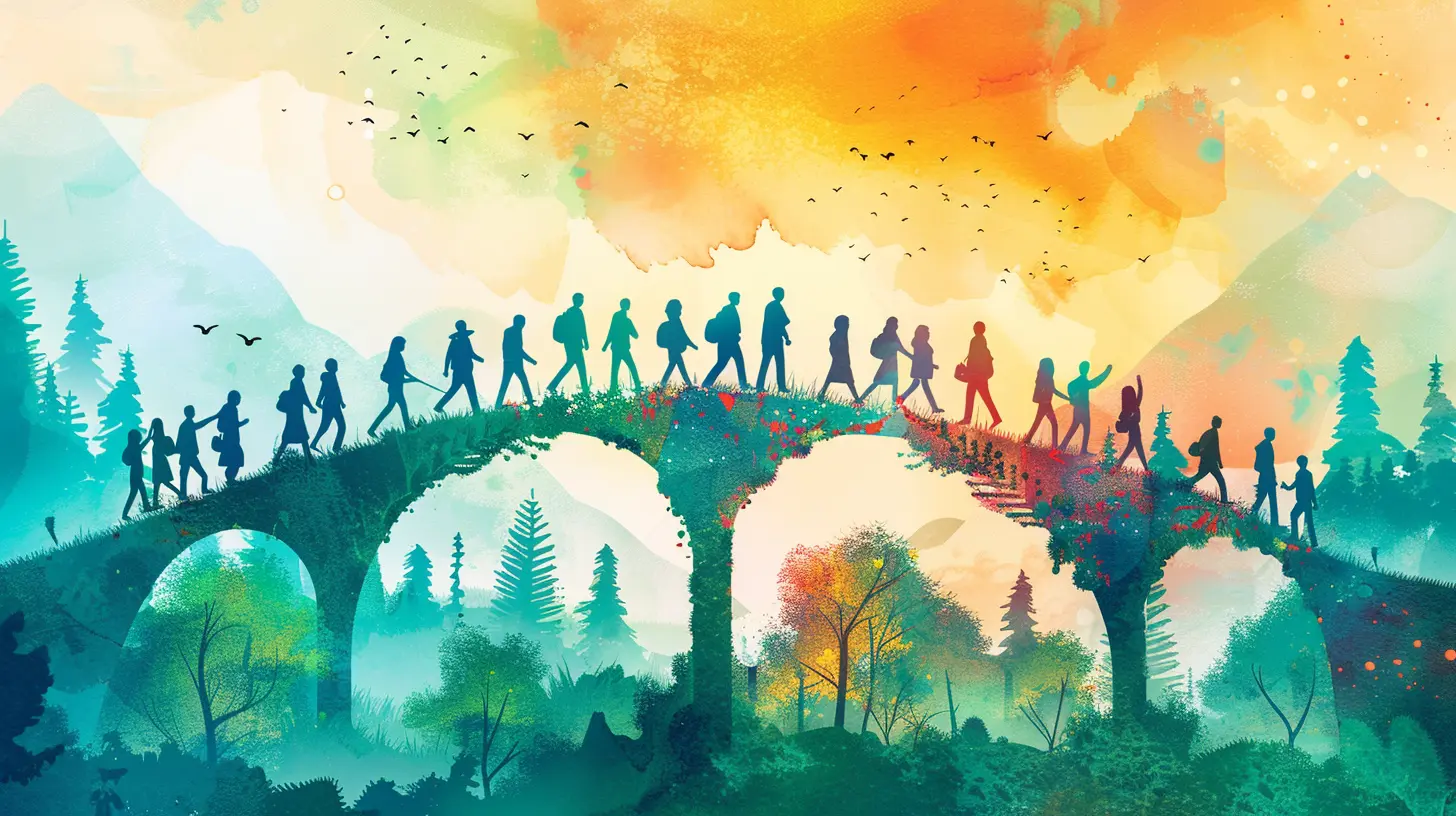
Common Roadblocks to Cultural Understanding in Schools
Before we talk about building bridges, let’s understand the gaps. Sometimes, well-meaning schools still struggle to promote true cultural understanding because of:? Stereotypes and Prejudice
Stereotyping happens consciously and unconsciously. A student might think, "All kids from that country act a certain way," or “That kid doesn’t speak English well, so they must not be smart.”These ideas are misleading and harmful. Worse, they create invisible walls between groups.
? One-Size-Fits-All Curriculum
Many school curricula are built around a majority culture’s perspective. That means students from minority cultures rarely see themselves represented in stories, history lessons, or classroom conversations.When kids don’t see themselves, they may feel invisible or devalued. And when other students never learn about diverse cultures, misconceptions grow.
? Fear of Saying the Wrong Thing
Teachers and students alike often avoid conversations about race, religion, or culture out of fear—fear of offending someone, getting it wrong, or stirring up trouble.But silence doesn’t help. It just leaves room for ignorance to fester.
Practical Ways to Promote Cultural Understanding
So, how can schools stop tiptoeing around culture and actually embrace it?Here’s where the bridge-building really starts.
? 1. Multicultural Curriculum Integration
Don’t just celebrate diversity during special months—make it part of everyday learning.Bring in books from diverse authors, discuss world history from multiple viewpoints, and include case studies or examples from different cultures in science or math classes.
It’s not just about "adding" other cultures—it's about weaving them into the fabric of learning.
? Classroom Activities That Spark Inclusion
Here are some ideas that work wonders:- Culture Days: Let students share stories, traditions, or food from their background.
- “Who Am I?” Projects: Encourage students to explore their heritage and identity.
- Book Clubs with Diverse Stories: Read stories that highlight different cultural experiences and have open discussions afterwards.
These aren’t just activities—they’re empathy workouts.
? Encourage Storytelling and Sharing
Nothing builds empathy quicker than stories.Invite students, teachers, or even parents to share personal narratives. Whether it's through writing, speaking, or video presentations, storytelling helps humanize cultures and erase “us vs. them” thinking.
You might hear something like, “I never knew someone else's family celebrated the New Year differently. That's so cool!” And just like that, perspectives shift.
? Use Technology to Connect Classrooms Globally
Pen pals used to be a thing. Now, classrooms can connect via Zoom or collaborate on global projects through platforms like ePals, Skype in the Classroom, or Flipgrid.Students can learn directly from peers in different countries. It becomes less about “them” and more about “we.”
? Train Teachers on Cultural Competence
Even the best teachers need support to navigate cultural conversations.Professional development should include:
- Recognizing personal bias
- Understanding cultural differences in communication styles
- Managing tough conversations with sensitivity
- Creating inclusive lesson plans
Happy, informed teachers create safe spaces for students to express themselves.
❤️ Foster a Culture of Inclusion and Respect
It starts with everyday actions. Hang up art from different cultures. Celebrate multiple holidays. Encourage curiosity over judgment.When students see their identities reflected and respected, they open up. And when they learn about others, their world gets bigger and kinder.
Building Bridge-Builders: Empowering Students to Take the Lead
Students are not just learners—they can be leaders. When you give them agency, they make magic happen.Here’s how you can help them become cultural ambassadors.
? Start Student-Led Cultural Clubs
Let kids lead the way. A multicultural club can organize events, run awareness campaigns, or even mentor younger students.It’s their school too—give them space to shape it.
? Create Peer-to-Peer Mentorship Programs
Pair students from different cultural backgrounds. It breaks down barriers and builds genuine friendships.These relationships go beyond school walls. They’re the kind that change hearts.
The Role of Parents and Community in Cultural Understanding
Schools can’t do it all alone. It’s a team effort.??? Engage Parents From All Backgrounds
Invite parents to participate in classroom activities, cultural presentations, or school events. Something as simple as sharing a recipe or a lullaby from another country can create powerful connections.Plus, involving families builds trust and strengthens the school community.
? Partner with Local Cultural Organizations
Museums, cultural centers, and community groups can offer resources, speakers, and even field trip opportunities.Use your local community as a living classroom. Kids will remember an afternoon at a cultural center way longer than a lecture on tolerance.
Real Talk: There Will Be Missteps—And That’s Okay
Let’s be real. Promoting cultural understanding isn’t a smooth ride. There will be awkward moments, misunderstandings, and maybe even some resistance.That’s okay.
The point isn’t to be perfect. The point is to try, to keep the conversation going, to stay open to learning.
Cultural bridges aren't built overnight. They take time, effort, open minds, and open hearts. But the payoff is a generation of students who are not only smarter, but kinder, more curious, and ready to make the world a better place.
Final Thoughts
Cultural understanding in schools isn’t just a warm-and-fuzzy ideal—it’s a necessity. It helps students feel seen, valued, and connected. In a world where division often seems louder than unity, schools can be the place where bridges get built, brick by brick.So, whether you're a teacher, parent, or student—remember, you’re a bridge-builder too. Your words, actions, and efforts shape how inclusive and empathetic your school community can be.
Let’s raise kids who don’t just tolerate differences—but celebrate them.
### Want to get started? Ask your classroom one simple question: “What can we learn from each other today?
all images in this post were generated using AI tools
Category:
Cultural AwarenessAuthor:

Olivia Chapman
Discussion
rate this article
2 comments
Miles Wood
Fostering cultural understanding in schools enriches students' experiences and prepares them for a diverse world.
September 3, 2026 at 12:43 PM
Olivia Chapman
I completely agree. Embracing cultural understanding in education not only enhances learning but also equips students to thrive in a multicultural society.
Callisto Nelson
This article hits the mark. Promoting cultural understanding in schools is essential for fostering empathy and collaboration among students. Programs that encourage dialogue and celebrate diversity can transform school environments, preparing students for a more inclusive future. Building bridges today shapes a better society tomorrow.
August 31, 2026 at 3:03 AM
Olivia Chapman
Thank you for your insightful comment! I completely agree that fostering empathy and celebrating diversity are crucial for creating inclusive school environments.