Building Digital Literacy for Tomorrow's World
22 November 2026
In a rapidly evolving digital landscape, the concept of digital literacy has taken on new dimensions. It is no longer sufficient to simply know how to use technology; individuals must be equipped with a comprehensive skill set that allows them to navigate, evaluate, and create information across various digital platforms. This article delves into the essential components of digital literacy, its significance in today's society, and practical strategies for cultivating these skills in learners of all ages.

Understanding Digital Literacy
Digital literacy encompasses a range of skills that enable individuals to effectively engage with digital technologies. It goes beyond the basic ability to use a computer or smartphone; it includes critical thinking, problem-solving, and the ability to communicate and collaborate in digital environments. Digital literacy is often broken down into several key areas:1. Technical Skills
These are the foundational skills required to operate devices and software. They include:- Proficiency in using operating systems (Windows, macOS, Linux)
- Familiarity with productivity software (Microsoft Office, Google Workspace)
- Basic troubleshooting skills
While technical skills are essential, they are just the starting point. The real challenge lies in applying these skills to solve problems and create content.
2. Information Literacy
In an era of information overload, being able to find, evaluate, and use information effectively is crucial. Information literacy involves:- Understanding how to conduct effective online searches
- Evaluating the credibility of sources
- Distinguishing between facts, opinions, and misinformation
For instance, a student researching a topic should know how to differentiate between scholarly articles and opinion pieces. They should also be aware of potential biases in sources and the importance of cross-referencing information.
3. Media Literacy
Media literacy focuses on understanding how media messages shape perceptions and influence behavior. It includes:- Analyzing media content critically
- Understanding the role of advertising and propaganda
- Recognizing the impact of social media on public discourse
As social media platforms continue to dominate communication, media literacy is vital for fostering informed citizens who can engage thoughtfully with content.
4. Communication and Collaboration
Digital literacy also involves the ability to communicate and collaborate effectively in digital spaces. This includes:- Using various communication tools (email, chat, video conferencing)
- Understanding netiquette and the nuances of online communication
- Collaborating on projects using digital platforms (Google Docs, Trello)
Effective communication in a digital context requires both clarity and an understanding of the medium being used.
5. Digital Citizenship
Being a responsible digital citizen means understanding the ethical implications of online behavior. This encompasses:- Respecting copyright and intellectual property
- Understanding privacy and data protection
- Engaging in respectful discourse online
Digital citizenship is particularly important for young people who are just beginning to navigate the complexities of online interactions.
The Importance of Digital Literacy
The need for digital literacy has never been more pressing. As society becomes increasingly reliant on technology, the implications of lacking digital skills are significant. Here are some reasons why building digital literacy is crucial:1. Employment Opportunities
Many jobs today require a certain level of digital proficiency. Employers seek candidates who can adapt to new technologies and work collaboratively in digital environments. According to a report by the World Economic Forum, nearly 85 million jobs may be displaced by a shift in labor between humans and machines by 2025. However, this shift also creates 97 million new roles that require a different set of skills, emphasizing the importance of digital literacy in career readiness.2. Informed Citizenship
In a democratic society, informed citizens are essential for making sound decisions. Digital literacy empowers individuals to critically assess information, engage with civic issues, and participate in discussions that shape their communities. This is particularly vital in an age where misinformation can spread rapidly through social media.3. Lifelong Learning
The digital landscape is constantly evolving, and lifelong learning is necessary to keep pace. Building digital literacy fosters a mindset of continuous improvement and adaptability, enabling individuals to stay relevant in their fields and embrace new opportunities as they arise.
Strategies for Building Digital Literacy
To effectively cultivate digital literacy, educational institutions, parents, and communities must adopt intentional strategies. Here are some practical approaches:1. Integrate Digital Literacy into the Curriculum
Educational institutions should embed digital literacy across all subjects rather than treating it as a standalone topic. For example, a science teacher could incorporate information literacy by having students evaluate scientific studies, while a history teacher could emphasize media literacy by analyzing news articles.2. Provide Hands-On Experience
Hands-on learning is crucial for developing digital skills. Create opportunities for students to engage with technology in real-world contexts. This could involve:- Setting up projects that require research and collaboration using digital tools
- Encouraging participation in coding clubs or robotics teams
- Offering workshops on digital tools relevant to students' interests
3. Foster Critical Thinking
Encourage students to ask questions and think critically about the information they encounter. This can be achieved through:- Debates on current events that require students to research and present multiple viewpoints
- Assignments that ask students to analyze the credibility of various sources
- Discussions about the ethical implications of digital content creation
4. Promote Digital Citizenship
Teaching digital citizenship should be a priority. This can be done by:- Discussing real-life scenarios that highlight ethical dilemmas in digital spaces
- Providing guidelines for respectful online communication
- Encouraging students to reflect on their online presence and its implications
5. Involve Parents and Communities
Parents and community members play a vital role in fostering digital literacy. Schools can:- Host workshops for parents on digital tools and resources
- Create community partnerships that provide access to technology and training
- Encourage collaborative projects that involve families in the learning process

Common Mistakes and Misconceptions
When building digital literacy, it is important to be aware of common pitfalls. Here are a few misconceptions to avoid:1. Assuming Everyone Has the Same Access
Not all students have equal access to technology or the internet. Schools must recognize this digital divide and work to provide resources and support for underserved communities. This could involve offering devices for home use or providing access to internet-enabled spaces.2. Overemphasizing Technical Skills
While technical skills are important, they should not overshadow the critical thinking and ethical components of digital literacy. A well-rounded approach that includes all aspects of digital literacy is essential for preparing individuals for the complexities of the digital world.3. Neglecting Emotional Intelligence
Digital interactions can lack the emotional cues present in face-to-face communication. Teaching students about emotional intelligence in digital contexts is important for fostering empathy and understanding in online interactions.Real-World Examples
To illustrate the importance of digital literacy, consider the following examples:Case Study 1: The Rise of Misinformation
During the COVID-19 pandemic, the spread of misinformation posed significant challenges. Individuals who lacked information literacy skills struggled to discern credible sources from unreliable ones. This highlights the necessity of teaching critical evaluation skills to combat misinformation effectively.Case Study 2: Remote Work
As remote work became the norm for many during the pandemic, employees with strong digital collaboration skills thrived. Those familiar with tools like Zoom, Slack, and project management software adapted more easily to the new work environment. This underscores the importance of equipping individuals with the skills needed for an increasingly remote workforce.
Best Practices for Educators and Trainers
When implementing digital literacy initiatives, consider the following best practices:1. Set Clear Objectives: Define what digital literacy skills you aim to develop and how they align with broader educational goals.
2. Assess Needs: Conduct assessments to identify the current skill levels of learners and tailor your approach accordingly.
3. Provide Ongoing Support: Digital literacy is not a one-time lesson but a continuous learning process. Offer resources and support as learners progress.
4. Encourage Reflection: Create opportunities for learners to reflect on their digital experiences and how they can improve their skills.
5. Stay Updated: The digital landscape evolves rapidly. Regularly update your curriculum and resources to reflect current practices and tools.
Conclusion
Building digital literacy is essential for preparing individuals to thrive in tomorrow's world. By fostering technical skills, critical thinking, and ethical awareness, we can empower learners to navigate the complexities of the digital age. It requires a collective effort from educators, parents, and communities to create an environment that values and promotes digital literacy. As we move forward, let us prioritize these skills to ensure that everyone has the tools they need to succeed in an increasingly digital society.
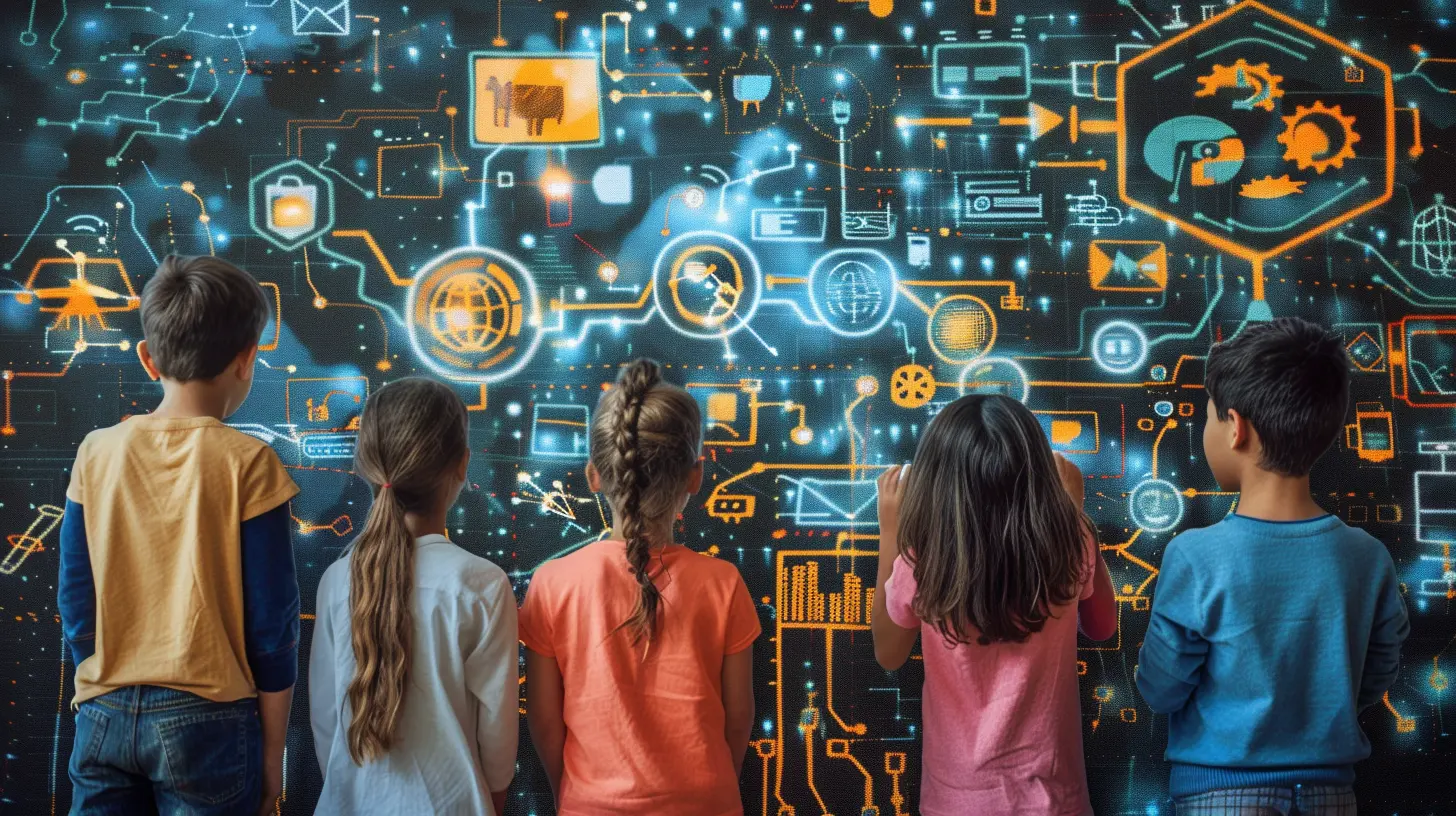
all images in this post were generated using AI tools
Category:
21st Century SkillsAuthor:

Olivia Chapman