Building Inclusive Classrooms through Cultural Awareness
9 December 2025
Creating an inclusive classroom isn’t just about following rules or ticking boxes—it’s about making students feel like they truly belong. In today’s diverse world, classrooms reflect a beautiful mix of backgrounds, traditions, and perspectives. But with this diversity comes a responsibility: to ensure every student feels seen, heard, and valued.
Cultural awareness isn't just a buzzword; it's the cornerstone of building an inclusive learning environment. So, how do we make classrooms a place where every student, no matter their background, feels at home? Let’s dive in.
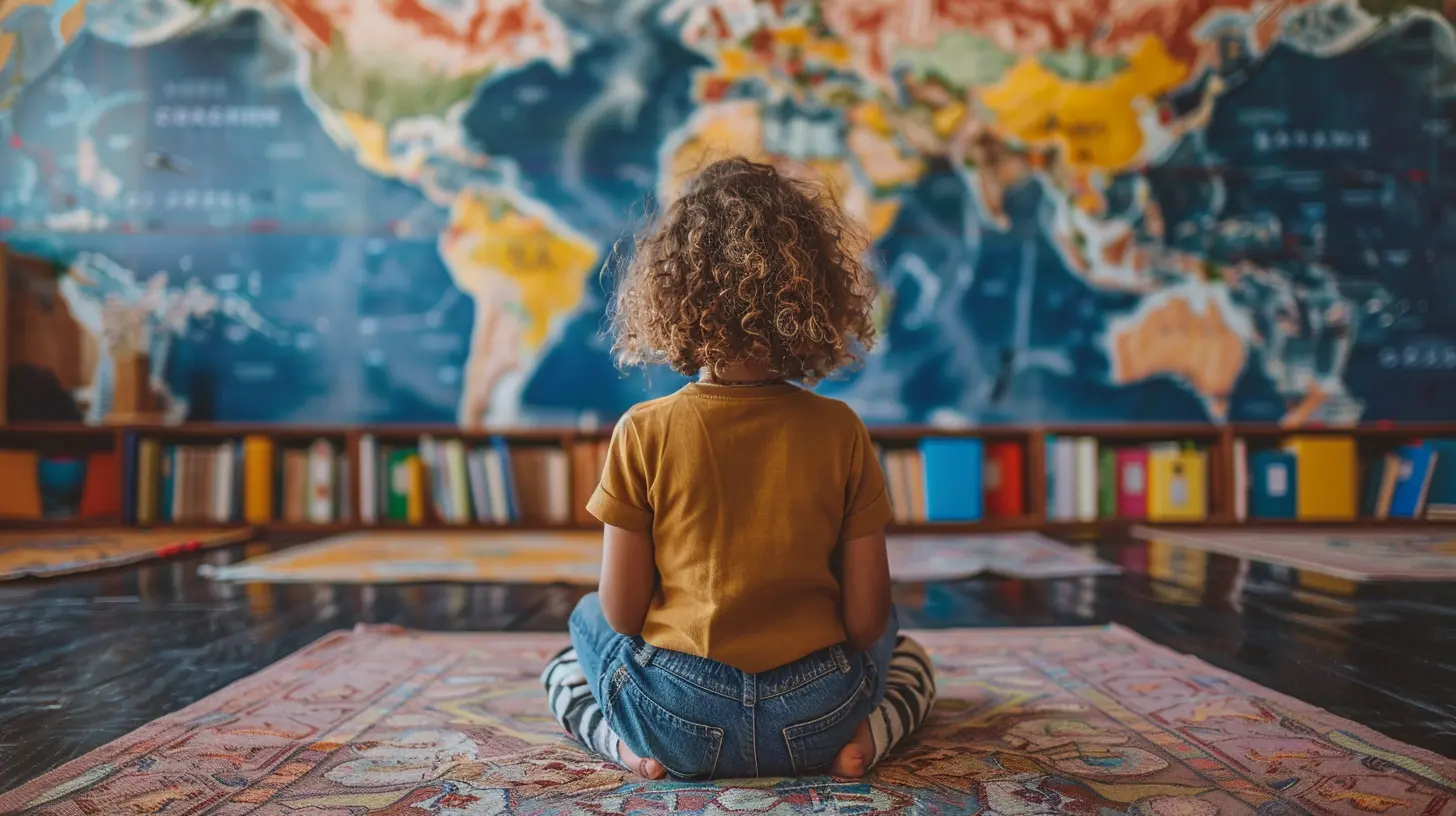
Why Cultural Awareness Matters in Education
Imagine walking into a room where no one speaks your language, your traditions are unheard of, and your experiences seem invisible. Pretty isolating, right? That’s how many students feel when cultural awareness is lacking in education.Cultural awareness in the classroom acknowledges that every student brings their own unique story. By recognizing and respecting these differences, educators can foster a learning environment that promotes empathy, understanding, and respect. Not only does this create a more welcoming atmosphere, but it also enhances student engagement and academic success.
The Benefits of Cultural Awareness in Classrooms
When cultural awareness is embraced, it brings numerous benefits:- Stronger Connections – Students feel valued when they see their culture represented, which promotes trust and open communication.
- Higher Engagement – Cultural representation in curriculum and teaching methods increases student participation and enthusiasm.
- Critical Thinking Growth – Exposure to different perspectives challenges students to think beyond their own experiences.
- Reduction of Bias and Stereotypes – A culturally aware classroom actively breaks down prejudices and eliminates harmful misconceptions.
- Preparation for a Diverse World – In a globally connected society, students who understand different cultures are better prepared for future careers and relationships.
The bottom line? Cultural awareness isn’t just about making students feel included—it’s about equipping them for life.
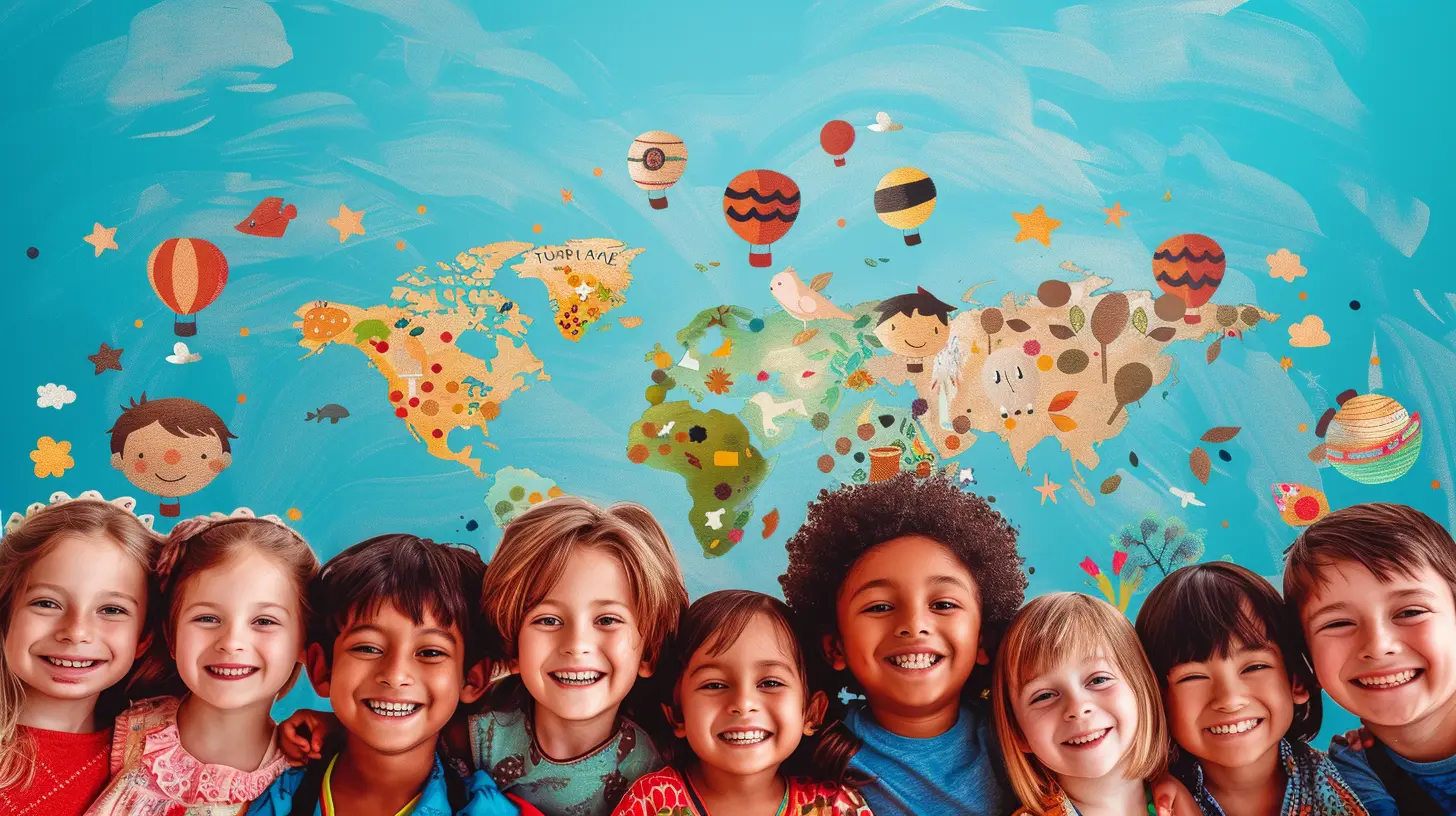
Practical Steps for Building an Inclusive Classroom
So, how can educators foster cultural awareness and create an inclusive classroom? It’s not about making grand gestures; small, consistent steps make the biggest difference.1. Incorporate Diverse Voices in Curriculum
The stories we tell shape the way we see the world. If students only hear about a single culture’s history, literature, or perspectives, they’re missing out on a rich, global narrative.Include books, case studies, and historical events from diverse backgrounds. Whether it’s literature from African, Asian, Latin American, or Indigenous authors, exposing students to multiple perspectives broadens their worldview.
2. Encourage Open Discussions about Culture and Identity
Avoiding cultural conversations due to fear of saying the wrong thing only deepens misunderstandings. Instead, create a safe space where students feel comfortable discussing their backgrounds and experiences.Ask questions:
- “What cultural traditions are important in your family?”
- “How does where you come from shape how you see the world?”
Facilitating open conversations helps students appreciate differences and discover common ground.
3. Celebrate Diverse Holidays and Traditions
Acknowledging different cultural holidays and traditions helps students feel recognized and valued.For example, you could:
- Introduce lessons on Diwali, Hanukkah, Lunar New Year, or Eid al-Fitr.
- Encourage students to share their traditions through presentations or storytelling.
- Incorporate cultural crafts, music, or food to bring celebrations to life.
These activities help students develop respect and appreciation for cultures beyond their own.
4. Address Bias and Stereotypes Head-On
Pretending bias doesn’t exist won’t make it go away. Instead of shying away from tough conversations, use them as teaching moments.For instance, if a stereotype arises in class, turn it into a discussion:
- “Why do you think this stereotype exists?”
- “How do stereotypes affect people in real life?”
Encouraging critical conversations helps students recognize biases and become more culturally aware.
5. Create an Inclusive Classroom Environment
Inclusivity isn’t just about what’s taught—it’s also about how the classroom feels. Make sure your physical space reflects cultural diversity.Some simple ways to make your classroom more inclusive:
- Display posters showcasing people from various cultural backgrounds.
- Offer multilingual books and resources.
- Use classroom decorations and visuals that represent different ethnic groups.
The goal is to make every student feel like they belong the moment they step into class.
6. Encourage Multilingual Learning
Language is a huge part of culture. Encouraging students to embrace different languages not only boosts their cultural awareness but also enhances cognitive skills.Some effective practices include:
- Allowing students to share phrases in their native languages.
- Labeling classroom items in multiple languages.
- Implementing bilingual books or multilingual storytelling sessions.
Even small linguistic acknowledgments can make non-native English speakers feel more comfortable and included.
7. Model Cultural Awareness as an Educator
Students look up to their teachers, which means educators have immense power to model cultural awareness.How can teachers lead by example?
- Self-educate – Continually learn about diverse cultures and histories.
- Avoid assumptions – Never assume a student’s cultural background, experiences, or abilities.
- Acknowledge mistakes – No one is perfect. If you say something culturally insensitive, apologize and use it as a learning opportunity.
When teachers demonstrate cultural humility, students are more likely to do the same.
Overcoming Challenges in Building Inclusive Classrooms
Let’s be real—creating cultural awareness in the classroom isn’t always easy. There may be resistance from parents, outdated curriculum materials, or even personal biases to confront. However, overcoming these challenges is essential for long-term change.1. Dealing with Resistance from Parents or Administration
Some parents or school leaders may not immediately support culturally inclusive education. When faced with opposition, focus on the benefits—explain how cultural awareness leads to higher student engagement, better critical thinking, and stronger social skills.2. Recognizing and Challenging Personal Biases
We all have unconscious biases. Instead of running from them, recognize them and actively work to challenge them. Read diverse books, attend cultural competence training, and listen to the perspectives of marginalized communities.3. Finding Diverse Educational Resources
Many traditional textbooks focus on a narrow perspective of history and culture. If school-provided materials lack diversity, seek out additional resources such as culturally inclusive books, documentaries, and guest speakers.
The Long-Term Impact of Cultural Awareness in Education
When students experience cultural awareness in the classroom, it doesn’t just enhance their school years—it shapes their entire future.Culturally aware students grow into:
- More empathetic individuals who respect different perspectives.
- Better communicators who can interact with people from all walks of life.
- Stronger leaders who advocate for inclusivity in workplaces and communities.
At its core, cultural awareness nurtures a sense of human connection—and isn’t that what education is all about?
Conclusion
Building inclusive classrooms through cultural awareness isn’t just a nice idea—it’s a necessity. Every child deserves to walk into a classroom where they feel accepted, represented, and valued.By incorporating diverse voices in the curriculum, encouraging open discussions, celebrating different traditions, and addressing biases, educators can create an environment where students thrive both academically and personally.
At the end of the day, an inclusive classroom isn’t just about education—it’s about fostering a world where everyone belongs.
all images in this post were generated using AI tools
Category:
Cultural AwarenessAuthor:

Olivia Chapman
Discussion
rate this article
2 comments
Carina Thomas
Embracing cultural awareness in classrooms enriches our learning environments, fostering empathy and understanding. Together, let’s celebrate diversity, ensuring every student feels valued and empowered to thrive in an inclusive community!
December 23, 2025 at 3:30 AM
Olivia Chapman
Thank you for your insightful comment! Embracing cultural awareness indeed enhances our classrooms, fostering a sense of belonging and empowerment for all students.
Porter McKenzie
Embrace diversity to enrich learning.
December 10, 2025 at 1:11 PM
Olivia Chapman
Absolutely! Embracing diversity not only enhances learning experiences but also fosters empathy and understanding among students.