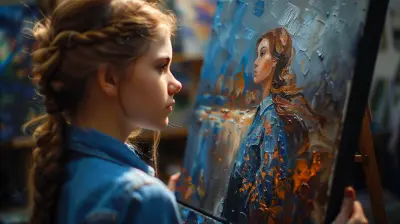
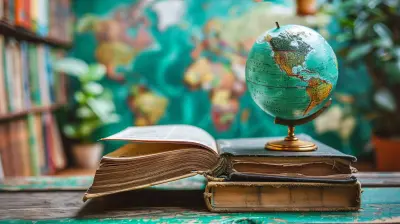
Cultural Art Forms from Around the World: A Classroom Exploration
29 January 2026
Have you ever looked at a vibrant painting, a swirling dance, or a hauntingly beautiful piece of music and thought, “Wow, how did someone come up with that?” Well, you're definitely not alone! Art is one of the most powerful ways humans express themselves—and every culture brings something wildly unique to the creative table.
In this article, we're going on a little classroom journey (no passport needed!) to peek into the diverse and colorful world of cultural art forms. From ancient cave paintings to modern street murals, from rhythmic African drumming to delicate Japanese origami—every corner of the globe has its own artistic heartbeat.
So, whether you're a student, a teacher, or just someone who loves a splash of creativity, stick with me. I promise this'll be a ride full of color, sound, and inspiration!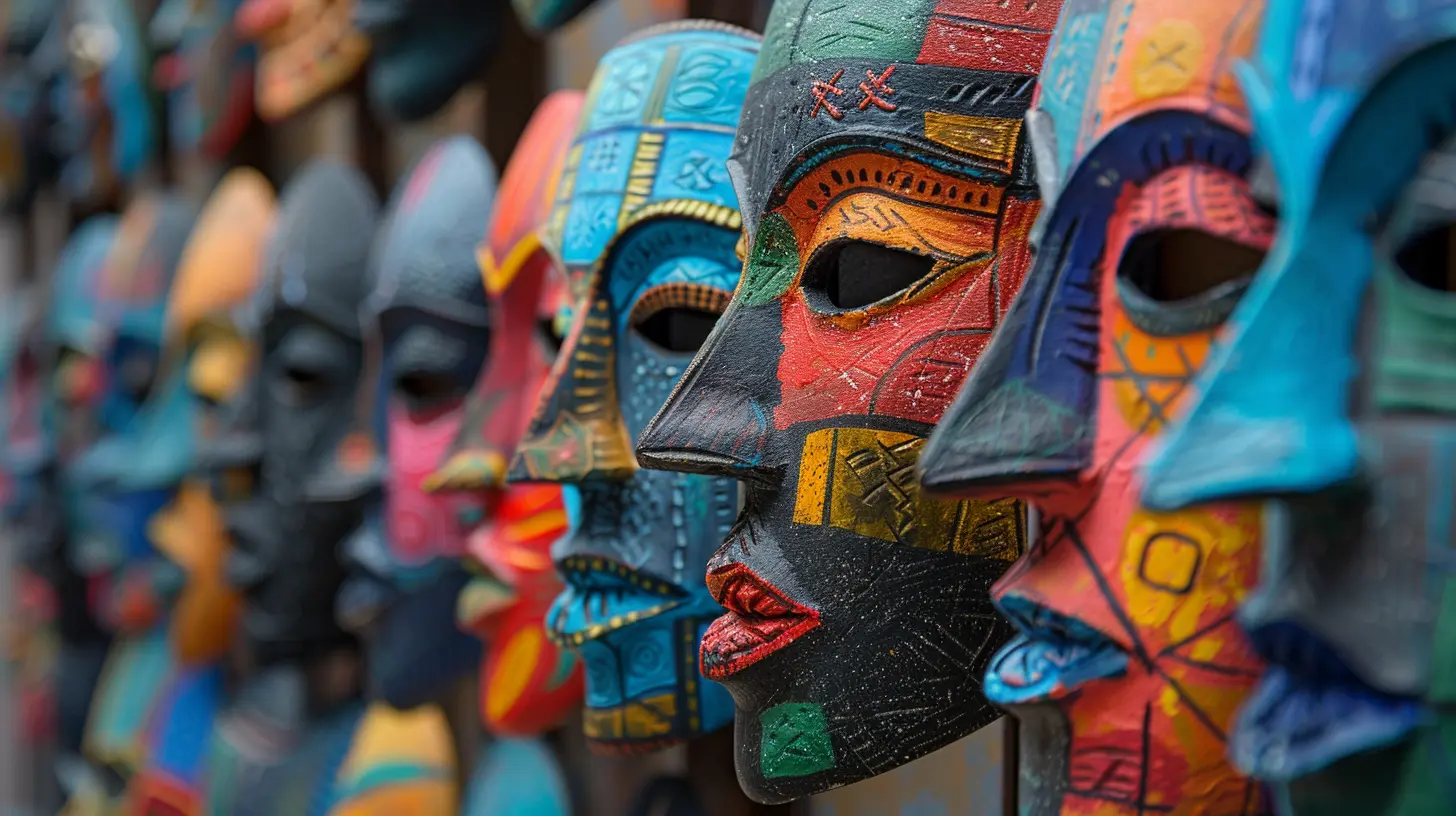
Why Cultural Art Forms Matter in the Classroom
Let’s be honest—art classes can sometimes be the highlight of a school day. But beyond doodling on the margins of your notebook, incorporating cultural art into learning can actually do wonders.Why?
Because arts from different cultures help us:
- Understand people who are different from us.
- Appreciate history in a hands-on way.
- Develop empathy and open-mindedness.
- And hey, they’re also just fun!
When students engage with cultural art forms, they’re not just crafting—they're time-traveling, globe-trotting, and worldview-expanding, all from the comfort of their classroom.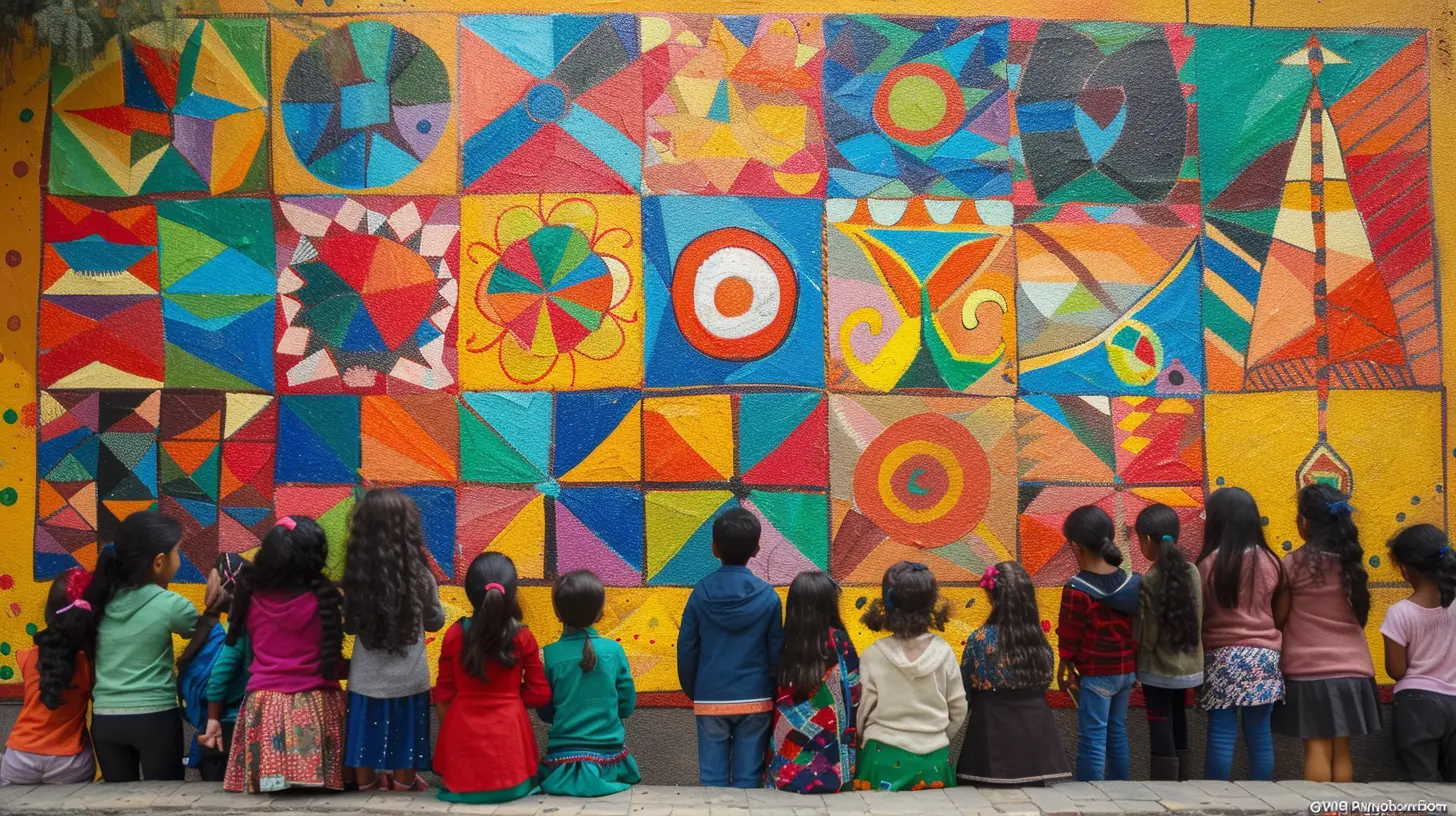
1. Visual Arts Across Cultures
🖌️ Cave Painting to Calligraphy
Let’s start with the visuals. From prehistoric cave drawings in Lascaux, France to the delicate brush strokes of Chinese calligraphy, visual art has always told the story of humankind.African Tribal Art – Made with bold patterns and earthy materials like wood, beads, and clay. These art pieces often had spiritual or ceremonial purposes. Students might try creating their own tribal masks or beaded necklaces in class.
Aboriginal Dot Painting (Australia) – These beautiful artworks, made by dotting paint in intricate patterns, are used to tell “Dreamtime” stories of the Aboriginal people. It's a fantastic way for students to learn narrative through art.
Islamic Geometric Art – Since Islamic art avoids human images, artists get super creative with patterns, symmetry, and design. It’s like math and art had a beautiful baby!
Classroom activity idea? Try pattern-making using rulers and colored pens—bonus points for identifying the shapes!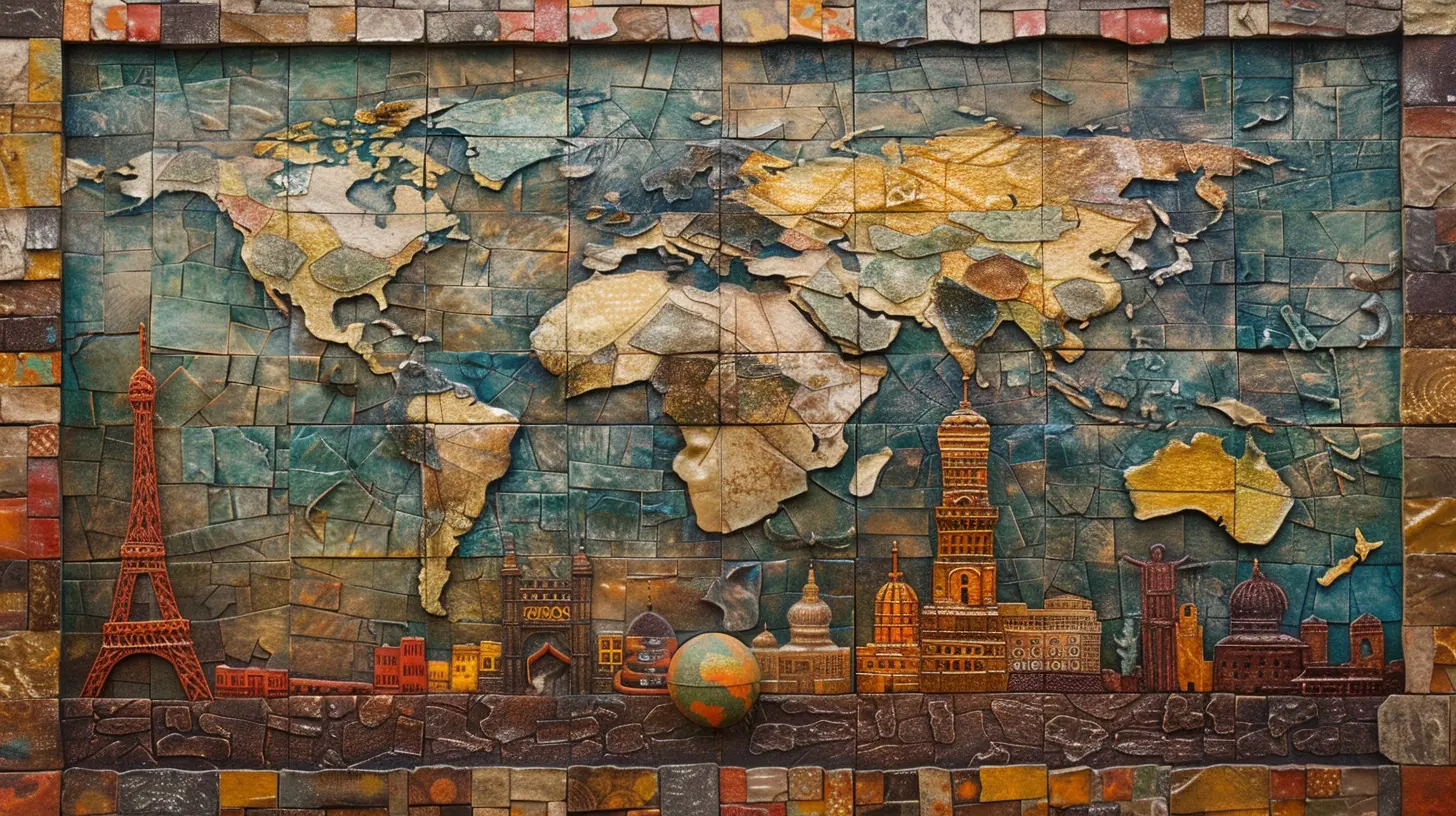
2. Performing Arts That Move the Spirit
💃 Dance, Drama, and Music—Oh My!
Art is not just what you hang on the wall—it’s also what brings a stage or even a street corner to life.Traditional Dance Forms:
- Bharatanatyam (India) – With dramatic hand gestures, expressive faces, and rhythmic footwork, this classical Indian dance tells ancient stories with every movement.- Samba (Brazil) – Vibrant, fast-paced, and full of feathers! Samba is a celebration of culture—especially during Carnival.
- Hula (Hawaii) – Storytelling through swaying hips and graceful hands? Yes, please! Hula is not just a tourist attraction; it’s a sacred tradition.
Why not invite students to learn a few simple moves or even choreograph their own story-based routine?
Music Around the Globe:
- Taiko Drumming (Japan) – Loud, powerful, and requiring teamwork—this is a great energy booster for any classroom.- Mbira (Zimbabwe) – Ever heard of a “thumb piano”? The mbira produces delightful melodic sounds with little plinks and plunks.
- Reggae (Jamaica) – Beyond just Bob Marley, reggae has cultural roots tied to Rastafarian beliefs and social messages.
Don't worry—you don’t need a full orchestra! Even homemade instruments (think rice in bottles = maracas!) can bring the beat to life.
3. Cultural Crafts: Making Things by Hand
✂️ Fold It, Weave It, Build It
Crafts are where tradition meets hands-on learning. These are perfect for those kinesthetic learners who need to touch stuff.Origami (Japan) – Precision, patience, poetry. This paper-folding art is simple to begin but can become incredibly intricate. It’s also great for teaching geometry!
Mexican Papel Picado – Bright, decorative tissue-paper banners with detailed cut-outs. A perfect tie-in when celebrating Día de los Muertos.
Scandinavian Weaving – Think cozy. Think patterns. Danish and Swedish weaving traditions, like creating “God's Eyes” or woven hearts, make winter learning warm and fuzzy.
Imagine a classroom wall filled with student-made art inspired by different cultures. Now that’s an exhibit worth showing off!
4. Storytelling and Literature as Art
📖 Myths, Legends, and Oral Traditions
Words are art too, especially when they carry the weight of a culture’s wisdom and wonder.African Folktales – Often passed down orally, these stories teach lessons using animals or supernatural elements. “Anansi the Spider” is a classic!
Greek Mythology – Drama? Check. Morals? Check. Gods throwing lightning bolts? Double check. These stories have shaped literature for centuries.
Native American Legends – Rich in symbolism and nature, these often explain how the world came to be.
Activity: Have students write their own cultural myth. Who created the sun? Why do we dream? Let their imaginations run wild.
5. Celebrating Cultural Art through Festivals
🎉 Let’s Party (Respectfully)
One of the BEST ways to explore art in action is through global festivals!- Diwali (India) – The festival of lights is a visual and sensory feast with candles, rangoli art, and fireworks.
- Carnival (Brazil) – Blinged-out costumes, samba parades, and vibrant energy. Could your class host a mini Carnival?
- Lunar New Year (China and other East Asian countries) – Red lanterns, dragon dances, and lucky symbols galore.
Teachers, think about building a classroom “culture week” where each day is themed around a different festival. Students can dress up, create related art, and try cultural foods (safely, of course!).
The Importance of Cultural Respect in Art
Okay, time for a quick heart-to-heart. While it’s super fun to dive into cultural art forms, we’ve got to do it with respect.That means:
- Giving credit to the cultures the art comes from.
- Not mocking or misusing sacred symbols.
- Learning the why behind a tradition, not just the how.
It's about appreciation, not appropriation. When we honor the origin of a cultural art, we give it the love and dignity it deserves.
Tips for Teachers and Parents Bringing Cultural Art into Learning
So, how can you make this magical world of multicultural art come alive in your home or classroom?Here are a few easy, no-stress ideas:
✅ Start small—Pick one culture a week and learn a bit about its art.
✅ Use what you have—Paper, crayons, string...no need for fancy tools.
✅ Connect to other subjects—Math, history, geography—they all tie in.
✅ Invite guests—Local artists or cultural organizations love to share.
✅ Celebrate progress, not perfection—It’s about the journey, not the outcome.
And always, let students share their own cultures and traditions. It makes the experience richer for everyone.
Bringing It All Together
Cultural art forms are like the world’s most colorful, moving, living history book. Every tradition, every design, every beat tells a story about people—who they are, where they come from, and what they value.And in a classroom, this becomes a beautiful opportunity. An exploration. A creative adventure. Students can not only admire art but also live it, breathe it, and make it part of their own learning journey.
So next time your class needs something different, something dynamic, remember: culture is everywhere, and art is the way we can connect with it.
Grab those paintbrushes, tap those drums, unfold that origami paper—and let your classroom become a window to the world.
all images in this post were generated using AI tools
Category:
Art EducationAuthor:

Olivia Chapman
Discussion
rate this article
2 comments
Vanya McInnes
Embracing diversity enriches global classroom experiences.
February 14, 2026 at 4:57 AM
Olivia Chapman
Absolutely! Embracing diversity not only enhances learning but also fosters a deeper appreciation of various cultural art forms, making classroom experiences more vibrant and inclusive.
Anisa McIntosh
Exploring cultures through art opens minds!
January 30, 2026 at 4:35 AM
Olivia Chapman
Well said! Art truly is a universal language that builds empathy and understanding.