Cultural Awareness as a Tool for Anti-Bullying Initiatives
9 March 2026
Bullying is an age-old problem that has plagued schools, workplaces, and online spaces for generations. It’s not just about schoolyard taunts or cyberbullying anymore—bullying can take many forms, often rooted in ignorance, prejudice, and misunderstandings. But what if we told you that fostering cultural awareness could be one of the strongest tools in the fight against bullying?
Understanding different cultures creates a bridge between people rather than a divide. It teaches respect, empathy, and appreciation for diversity—elements that naturally counteract the very essence of bullying. In this article, we’ll dive into how cultural awareness can be a vital weapon in anti-bullying initiatives, helping create safer, more inclusive environments.

What Is Cultural Awareness?
Cultural awareness isn’t just about knowing that different cultures exist—it’s about understanding, respecting, and appreciating those differences. It’s recognizing that people have unique traditions, languages, values, and beliefs shaped by their backgrounds.Think of cultural awareness as traveling without leaving your city. It’s like tasting the world through different cuisines, learning new languages, or understanding why someone celebrates a particular holiday differently than you. When we learn about others, we break down stereotypes and reduce biases—key drivers of bullying behavior.

The Connection Between Cultural Awareness and Bullying
Bullying often stems from fear of the unknown. When people don’t have exposure to different perspectives, they rely on assumptions or stereotypes. These misunderstandings can lead to discrimination, exclusion, and even outright hostility.By promoting cultural awareness, we encourage:
- Empathy & Understanding – When students, employees, or communities learn about different cultures, they start to see the person behind the differences.
- Respect & Acceptance – Awareness fosters inclusivity, reducing the chances of someone being targeted for their background.
- Breaking Stereotypes – Knowledge challenges preconceptions, making room for open-minded thinking rather than judgment.
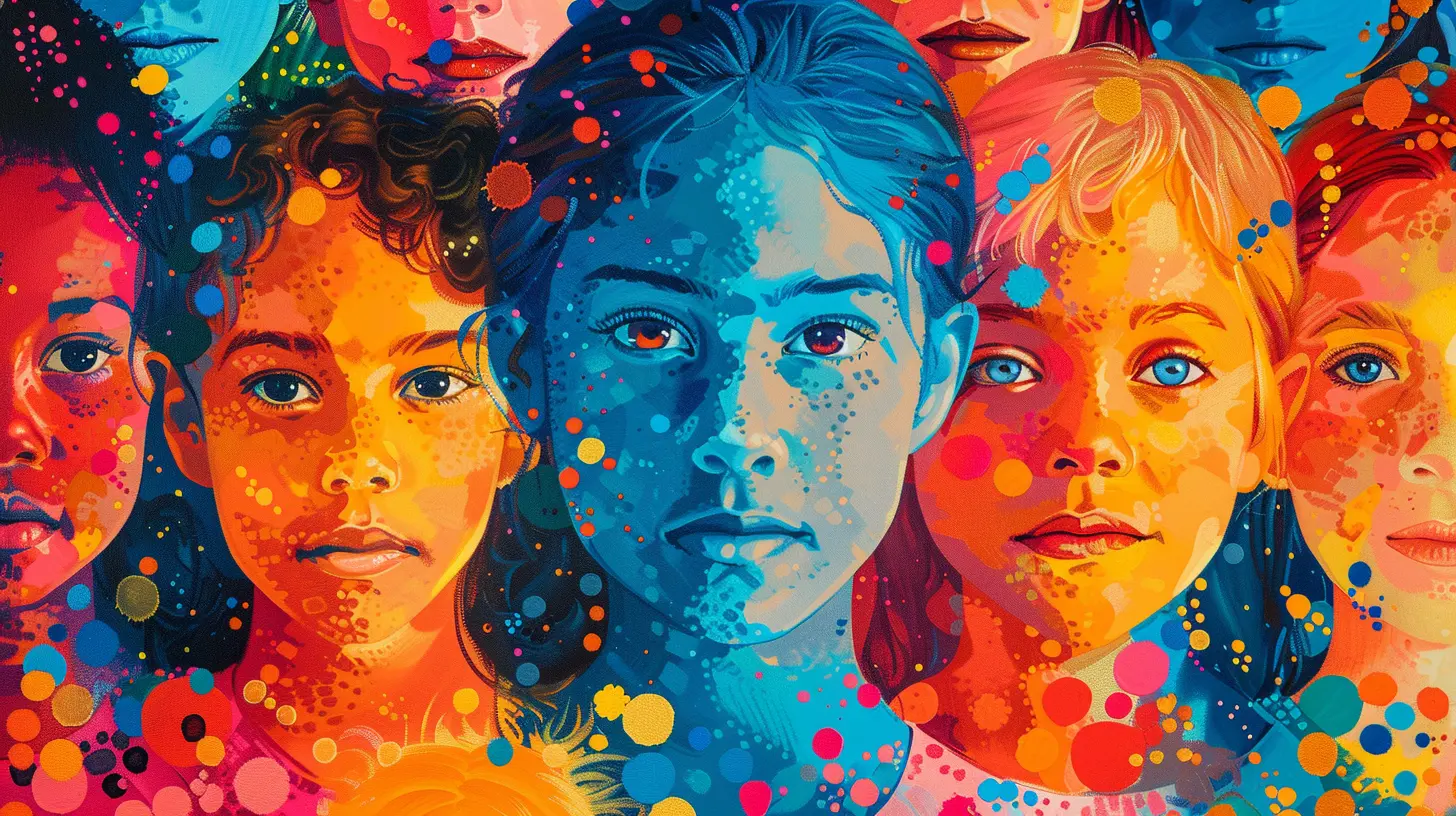
How Cultural Awareness Can Be a Tool for Anti-Bullying Initiatives
The good news? Cultural awareness can be taught! Schools, workplaces, and communities can integrate cultural learning into their anti-bullying strategies. Here’s how it can be done effectively:1. Incorporating Cultural Education in Schools
Schools are ground zero for bullying prevention. By embedding cultural education in the curriculum, we can normalize diversity rather than make it feel like an "otherness."- Multicultural Days – Hosting events where students share traditions, food, and stories from their cultures can help build appreciation.
- Books & Media – Introducing diverse literature, films, and historical perspectives can broaden understanding.
- Language Learning – Even basic greetings in different languages can create a sense of unity and appreciation.
2. Workplace Cultural Sensitivity Training
Bullying doesn’t stop after school—it carries over into workplaces. Corporate cultural sensitivity programs can prevent workplace discrimination and foster inclusivity.- Diversity Training – Regular workshops can educate employees about different cultural norms and address unconscious bias.
- Celebrating Cultural Events – Acknowledging holidays or festivals from various backgrounds promotes respect and understanding.
- Zero-Tolerance Policies – Creating strict anti-discrimination and bullying policies ensures a safe work environment.
3. Encouraging Open Conversations
A big part of building cultural awareness is encouraging open and safe discussions. Whether in schools, offices, or community spaces, providing platforms where people can share their experiences helps others see different perspectives.- Storytelling Sessions – Let people share their cultural experiences and personal journeys.
- Panel Discussions – Organizing talks on inclusion and diversity can open eyes to the realities different groups face.
- Q&A Forums – Providing spaces where people can respectfully ask questions about different cultures can clear up misconceptions.
4. Using Social Media for Positive Representation
Social media has the power to spread awareness faster than ever—it can either fuel bullying or combat it. By promoting positive cultural representation, we can encourage education instead of hate.- Highlight Diverse Voices – Amplifying perspectives from different backgrounds helps fight ignorance.
- Call Out Discrimination – Promoting awareness of cultural discrimination helps people recognize and combat it.
- Encourage Respectful Discussions – Engaging in meaningful dialogues can provide new insights into cross-cultural understanding.
5. Teaching Conflict Resolution Through Cultural Awareness
Many conflicts stem from misunderstandings of cultural differences. Teaching effective conflict resolution strategies through a cultural lens can help de-escalate tensions before they turn into bullying.- Understanding Cultural Communication Styles – Some cultures are direct, while others are more indirect. Teaching these differences can prevent misinterpretations.
- Building Emotional Intelligence – Teaching self-awareness and empathy reduces reactionary behaviors that contribute to bullying.
- Encouraging Mediation – Bringing in cultural mediators to resolve conflicts can lead to more fair and respectful solutions.

Real-Life Impact of Cultural Awareness on Bullying Prevention
Let’s talk about real results. In schools and workplaces that have actively promoted cultural awareness, studies have shown:- Lower bullying rates due to increased empathy and understanding.
- Stronger relationships between individuals from different backgrounds.
- Greater inclusivity, where people feel accepted rather than alienated.
- Higher self-confidence in those from minority groups, reducing the chances of them feeling like an “outsider.”
Take, for example, a study conducted in a school district where cultural appreciation programs were introduced. The result? A 35% decrease in bullying cases and a noticeable improvement in student relationships.
Why This Approach Works
Cultural awareness doesn’t just teach tolerance—it instills a deeper sense of humanity. When people realize that differences don’t make someone “less than,” they develop the tools to reject discrimination and bullying outright.Think of the world as a giant puzzle. Every piece is different, but when put together, they form something beautiful. If we continue to educate, appreciate, and respect one another, we diminish the space for hate and ignorance to thrive.
Conclusion
Bullying won’t disappear overnight, but with cultural awareness as a tool, we can tackle it from the root. By educating individuals, promoting open-minded thinking, and celebrating diversity, we can create a more accepting and bully-free environment.At the heart of it all, combatting bullying isn’t about just stopping bad behavior—it’s about cultivating kindness, respect, and understanding. And what better way to do that than learning about and embracing the beautiful cultures that make up our world?
all images in this post were generated using AI tools
Category:
Cultural AwarenessAuthor:

Olivia Chapman
Discussion
rate this article
2 comments
Pierce Richardson
Cultural awareness fosters empathy, transforming conflict into understanding and respect.
March 16, 2026 at 1:39 PM
Olivia Chapman
Absolutely. Cultural awareness is key to building empathy, which can significantly reduce bullying and promote a more inclusive environment.
Darius Collins
Cultural awareness fosters empathy, making it essential for effective anti-bullying strategies in schools.
March 13, 2026 at 5:34 AM
Olivia Chapman
Thank you for highlighting this crucial point! Cultural awareness indeed enhances empathy, creating a supportive environment that is vital for effective anti-bullying strategies in schools.