Culturally Responsive Curriculum: Why It Matters
7 June 2026
Education isn't just about memorizing facts and passing tests—it's about shaping young minds, broadening perspectives, and preparing students for the real world. But here's the thing: if a curriculum doesn't reflect the backgrounds, experiences, and identities of all students, can it truly be effective?
This is where a culturally responsive curriculum steps in. It's not just a trendy term in education circles; it's a vital approach that ensures every student feels seen, valued, and empowered. But why does it matter so much? Let’s break it down. 
What Is a Culturally Responsive Curriculum?
A culturally responsive curriculum (sometimes called culturally relevant teaching) is an approach that acknowledges and incorporates students’ cultural backgrounds into their education. Instead of delivering a one-size-fits-all syllabus, this method recognizes that students come from diverse backgrounds—ethnically, linguistically, and socio-economically—and uses that diversity as a strength rather than a challenge.In simple terms, it’s about making sure that what students learn in school reflects their lives, histories, and experiences. When done right, it fosters a sense of belonging, enhances engagement, and creates a more meaningful learning experience. 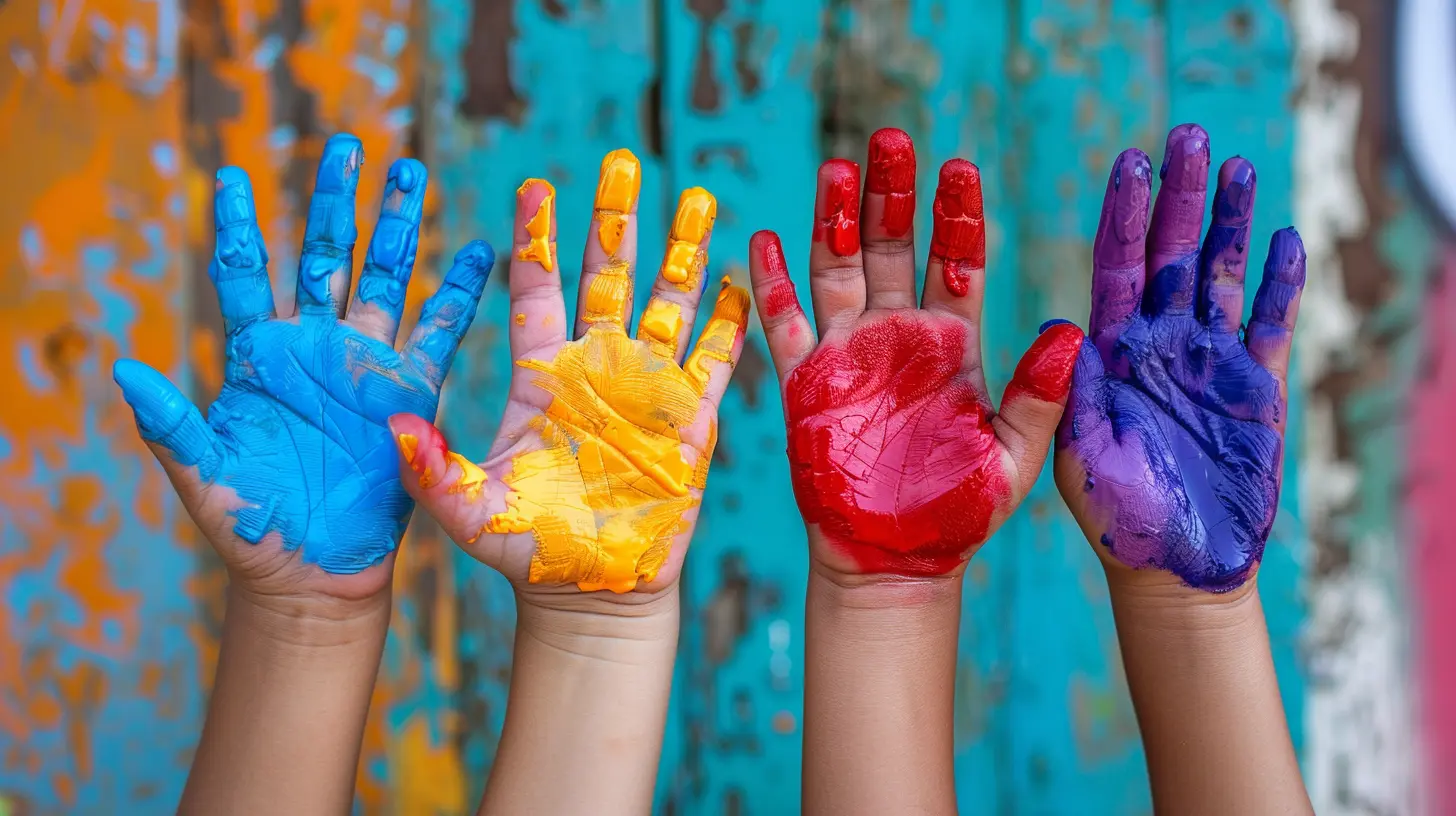
Why Does It Matter?
1. Students Feel Seen and Valued
Imagine sitting in a history class and hearing only about the achievements of people who look nothing like you. Over time, you might start to feel like your culture, your history, and your contributions don’t matter.On the flip side, when students see their own heritage and traditions represented in lessons, books, and discussions, they feel validated. They realize that their story matters just as much as anyone else's.
A culturally responsive curriculum ensures that students don’t feel like outsiders in their own education. Instead, they feel a deep connection to what they’re learning, making them more likely to engage and succeed.
2. Encourages Better Engagement & Academic Success
Ever noticed how students light up when a lesson relates directly to their own lives? That’s exactly what culturally responsive teaching does!When students see relevance in what they’re learning, they become more engaged, motivated, and confident. Studies have shown that students in culturally responsive classrooms perform better academically because they can relate to the material.
If a curriculum only reflects one dominant culture, students from different backgrounds might struggle to connect, leading to disengagement, lower achievement, and even higher dropout rates. But when lessons include diverse perspectives, students become more invested in their learning journey.
3. Promotes Critical Thinking & Open-Mindedness
The world is diverse, and education should prepare students for that reality. A culturally responsive curriculum introduces students to different perspectives, histories, and ways of thinking.Instead of seeing the world through a limited lens, students learn to challenge biases, question assumptions, and appreciate differences. They develop critical thinking skills that help them navigate a multicultural society with empathy and understanding.
By exposing students to a variety of voices and experiences, we’re not just teaching subjects—we’re shaping thoughtful, open-minded global citizens.
4. Strengthens Teacher-Student Relationships
Teachers play a huge role in students’ lives, but if there’s a cultural disconnect between them, it can create barriers. When teachers embrace culturally responsive teaching, they move beyond surface-level interactions and build genuine relationships with students.Imagine a classroom where a teacher understands their students' backgrounds, knows the challenges they face, and integrates their cultures into lessons. This creates a trusting and inclusive environment where students feel respected and understood.
When students feel that their teachers appreciate their identity, they’re more likely to participate, ask questions, and seek guidance. Learning stops being a chore and starts feeling like a collaborative journey.
5. Prepares Students for a Multicultural World
Let’s be real—our world is more connected than ever. Businesses operate globally, communities are more diverse, and workplaces require cultural awareness.A culturally responsive curriculum helps students develop skills they’ll actually use in real life, such as:
- Communication across cultures
- Empathy and respect for different perspectives
- Adaptability in diverse environments
By exposing students to various cultures and viewpoints early on, we’re preparing them for success in college, careers, and beyond. They’ll be able to work with people from all backgrounds—a crucial skill in today’s world.
6. Challenges Stereotypes & Promotes Social Justice
Education should break down barriers, not reinforce them. Unfortunately, traditional curricula often present a skewed or incomplete view of history, literature, and society.A culturally responsive curriculum corrects misrepresentations and challenges stereotypes by presenting a fuller, more accurate picture of the world. It acknowledges past injustices, highlights contributions from diverse groups, and encourages students to think critically about inequalities.
This approach isn’t just about history or culture—it’s about empowering students to become agents of change. When students understand systemic issues, they’re more likely to advocate for fairness, diversity, and equity in their own communities. 
How Can Schools Implement a Culturally Responsive Curriculum?
Creating a more inclusive curriculum doesn’t happen overnight, but schools can start by making small, meaningful changes. Here are some key strategies:1. Diversify Reading Materials
Swap out outdated books that only focus on one perspective. Include literature from diverse authors, covering different cultures, identities, and experiences.2. Incorporate Different Historical Narratives
History textbooks often leave out key perspectives. Schools should highlight the contributions of marginalized groups and ensure a balanced portrayal of past events.3. Respect & Celebrate Cultural Traditions
Recognizing different holidays, traditions, and customs in the classroom helps students feel included and valued.4. Encourage Open Discussions
Allow students to share their experiences and perspectives. Create a safe space where they feel comfortable discussing cultural issues and learning from one another.5. Train Educators on Cultural Competency
Teachers should receive training on cultural awareness, implicit biases, and inclusive teaching strategies. This ensures that they can connect with students in meaningful ways.
Final Thoughts
A culturally responsive curriculum isn’t just about adding a few diverse books to the syllabus—it’s about creating an inclusive, engaging, and meaningful educational experience for all students.When students see themselves reflected in their lessons, they’re more likely to feel valued, stay engaged, and succeed. They become critical thinkers, compassionate individuals, and informed global citizens.
In the end, education should be about bridging gaps, not creating them. By embracing culturally responsive teaching, we can build a school system where every student—no matter their background—feels like they truly belong.
all images in this post were generated using AI tools
Category:
Curriculum DesignAuthor:

Olivia Chapman
Discussion
rate this article
1 comments
Francesca Coffey
This article raises important questions about inclusivity in education. How can a culturally responsive curriculum change the way we engage students and enrich their learning experiences? I'm eager to learn more.
June 7, 2026 at 3:39 AM
Olivia Chapman
I'm glad you found it thought-provoking! A culturally responsive curriculum can empower students by reflecting their identities and experiences, fostering a deeper connection to the material. It encourages engagement and promotes a sense of belonging, ultimately enriching their learning journey. I look forward to exploring this further with you!