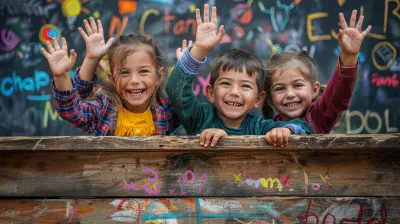
Developing a Culturally Inclusive Classroom Environment
15 July 2026
Creating a culturally inclusive classroom isn’t just a trend—it’s a necessity. Schools today are more diverse than ever, and students bring different cultural backgrounds, languages, traditions, and perspectives into the classroom. As educators, it’s our responsibility to ensure that every student feels valued, respected, and included.
But how do you build an environment where diversity is embraced rather than ignored? How do you make sure that every student, no matter where they come from, feels like they belong? Let’s dive into what it takes to develop a culturally inclusive classroom.
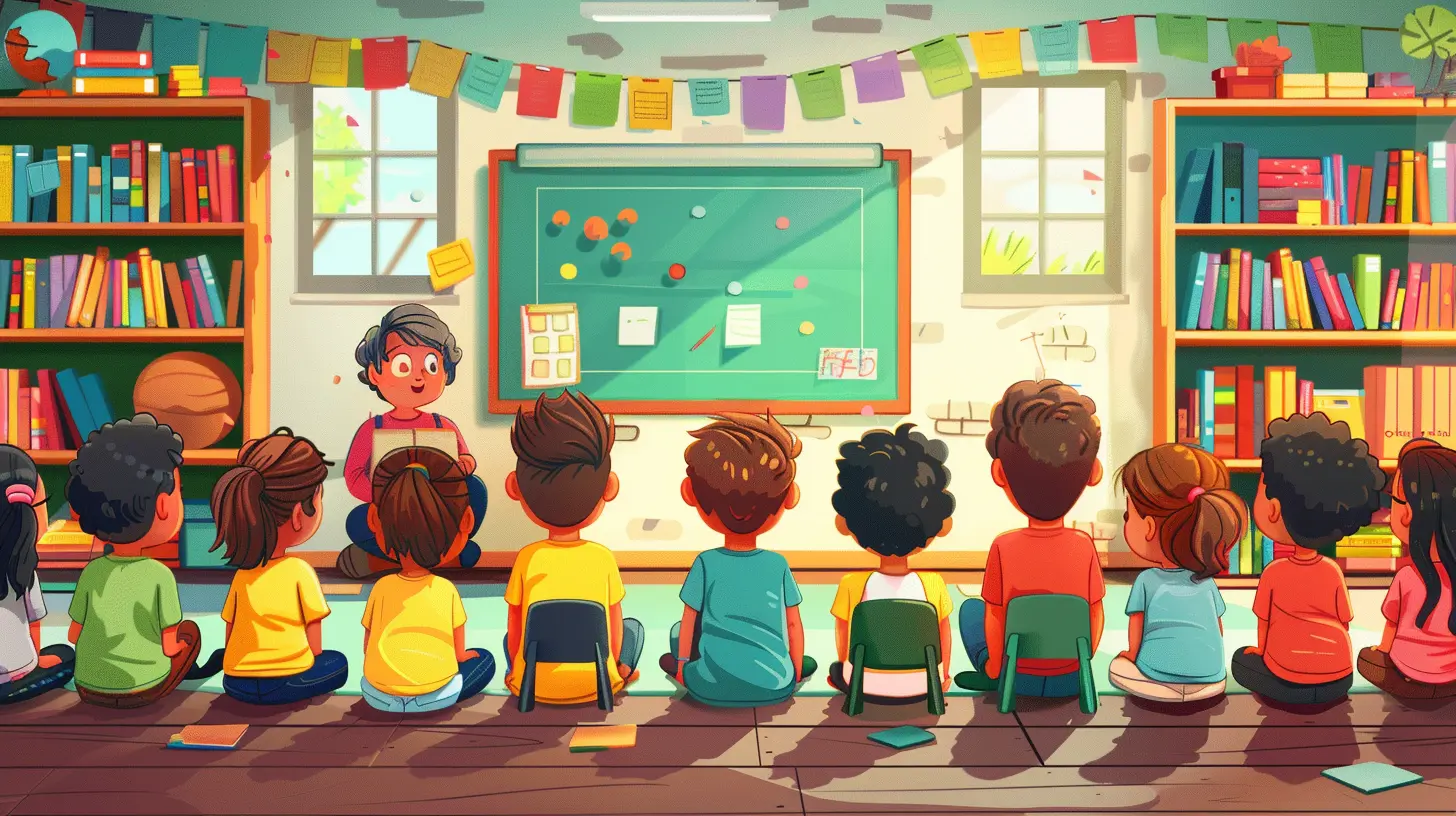
Why Cultural Inclusivity Matters
A culturally inclusive classroom isn’t just about making students feel good—it has a direct impact on their learning experience. When students see their cultures represented, they feel a sense of belonging, which boosts confidence and motivation. On the flip side, if a student feels excluded or misunderstood, their academic performance can suffer.Beyond academics, cultural inclusivity teaches students valuable life skills. They learn empathy, understanding, and respect for different perspectives—skills that will benefit them long after they leave the classroom.
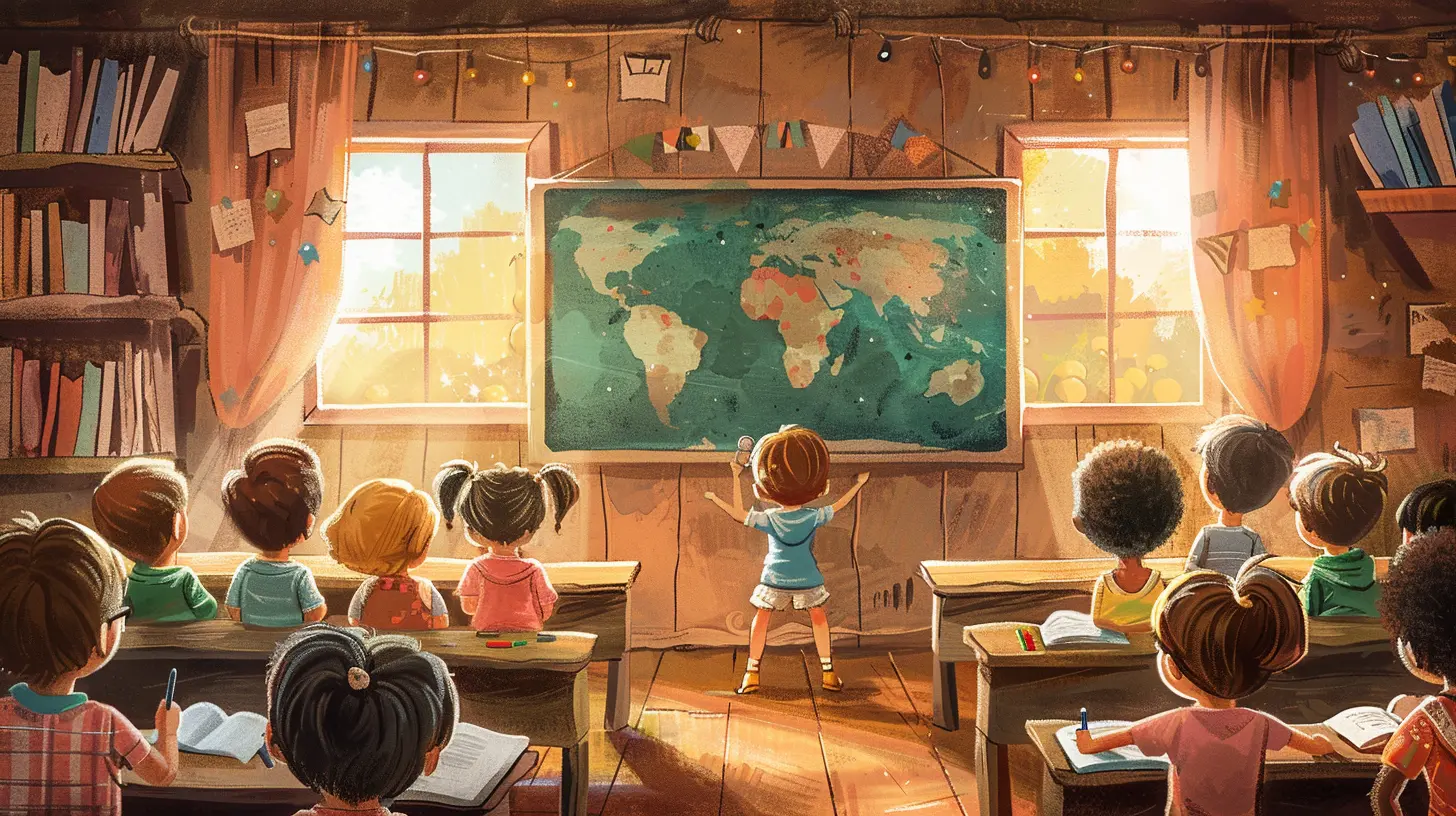
Recognizing Your Own Biases
Before we start implementing strategies, let’s address the elephant in the room: bias. Whether we realize it or not, we all carry unconscious biases shaped by our upbringing, experiences, and surroundings. These biases can influence how we interact with students, the examples we use in lessons, and even how we discipline.To create a truly inclusive classroom, educators must first reflect on their own biases. Ask yourself:
- Do I assume certain behaviors based on cultural backgrounds?
- Do I hold different expectations for students from different ethnic groups?
- Am I incorporating diverse voices in my teaching materials?
Being self-aware is the first step toward change.
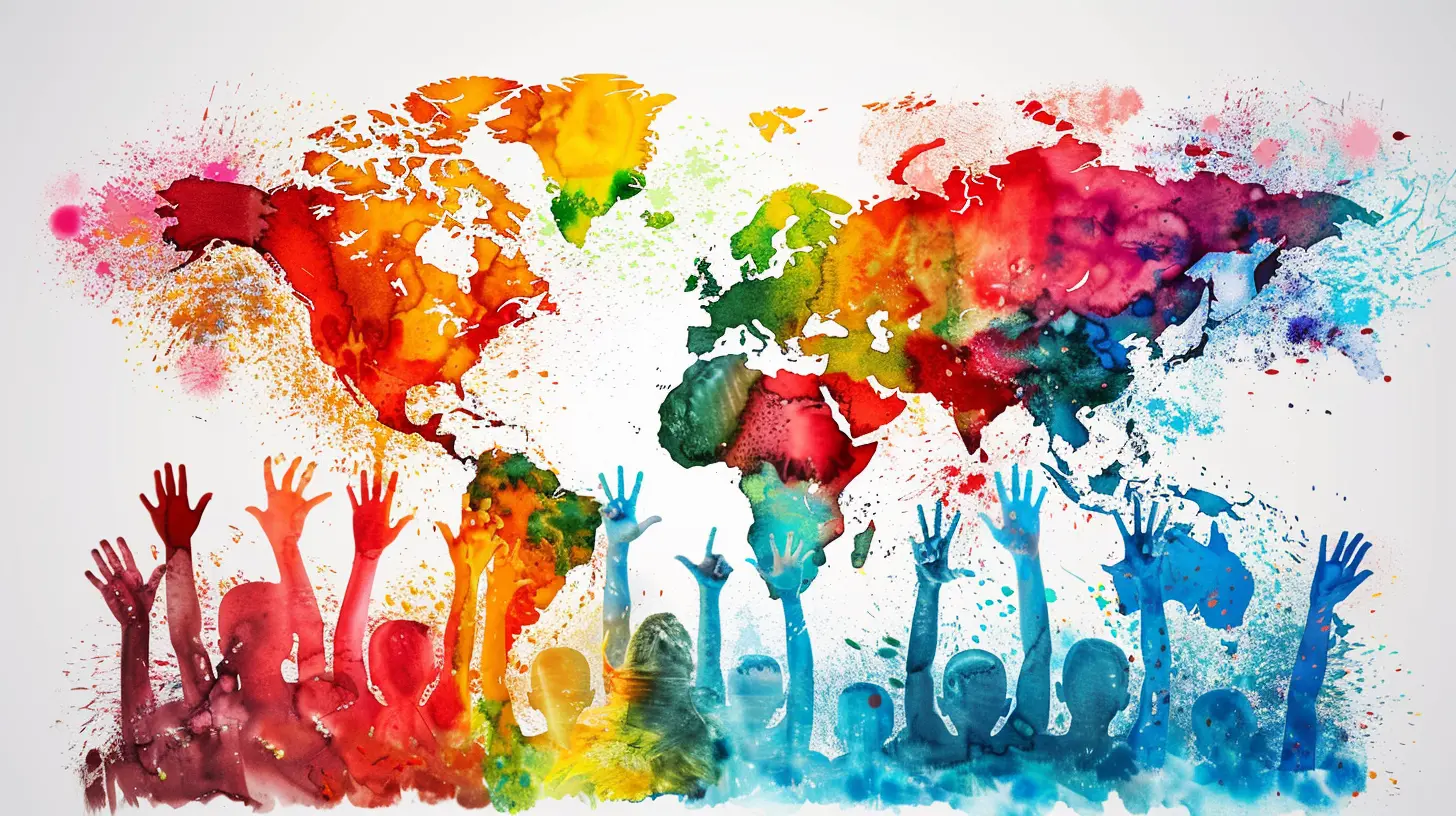
Strategies for Developing a Culturally Inclusive Classroom
Now that we’ve addressed the importance of cultural inclusivity and personal biases, let’s talk about actionable strategies.1. Foster a Culture of Respect and Acceptance
At the core of an inclusive classroom is respect. Students need to feel safe expressing their identities without fear of judgment or discrimination. Here’s how you can foster this:- Set clear expectations: Make it known that discriminatory language or behavior will not be tolerated.
- Encourage open conversations: Allow students to share their experiences and feelings in a safe space.
- Lead by example: Show respect for all cultures through your actions and words.
2. Incorporate Diverse Perspectives in the Curriculum
A culturally inclusive classroom doesn’t just acknowledge diversity—it integrates it into daily lessons. This means moving beyond a Eurocentric curriculum and including voices from various backgrounds.- Teach literature from authors of diverse backgrounds.
- Incorporate historical perspectives from different cultures.
- Use case studies and examples that reflect a variety of ethnic experiences.
When students see themselves in the curriculum, they feel more connected to the learning process.
3. Adapt Teaching Methods for Different Learning Styles
Not all students learn the same way, and cultural background can influence learning preferences. Some students thrive in group discussions, while others may prefer independent work. Some cultures value oral storytelling, while others emphasize memorization.Teachers should use a mix of teaching methods, including:
- Collaborative group projects
- Visual and hands-on learning activities
- Storytelling and oral presentations
- Written reflections and journaling
By varying teaching techniques, you create an environment where all students have a chance to succeed.
4. Celebrate Cultural Differences
Celebrating different cultures isn’t about tokenism—it’s about genuine acknowledgment and appreciation.- Host multicultural events where students can share traditions, food, and clothing.
- Recognize cultural holidays and their significance in class discussions.
- Encourage students to share personal experiences related to their heritage.
When students see their cultures represented and respected, they feel a stronger sense of belonging.
5. Use Inclusive Language and Materials
Words matter. The language we use in the classroom can either make students feel welcomed or alienated. Here’s what to keep in mind:- Avoid stereotypes and generalizations.
- Use gender-inclusive and culturally sensitive terms.
- Choose textbooks and materials that accurately represent diverse cultures.
6. Build Strong Relationships with Students and Their Families
An inclusive classroom extends beyond the four walls of a school. Engaging with students’ families helps bridge cultural gaps and fosters deeper understanding.- Learn about students' backgrounds by talking to their families.
- Invite parents or community members to share cultural experiences.
- Offer bilingual resources for families who may have language barriers.
When families feel included, students feel more supported in their education.
7. Address Discrimination and Bias Head-On
Even with the best intentions, situations may arise where students face discrimination or bias in the classroom. It’s crucial to address these moments directly rather than brushing them aside.- If a student makes an insensitive comment, turn it into a teaching moment rather than simply reprimanding them.
- Encourage open discussions about important issues like race, identity, and privilege.
- Implement policies that protect students from discrimination and microaggressions.
By tackling these issues in a constructive way, you create a classroom culture where students feel safe speaking up.
Challenges and How to Overcome Them
Creating a culturally inclusive classroom is rewarding, but it’s not without challenges. Some common roadblocks include:- Resistance from students or parents: Not everyone will immediately see the value in cultural inclusivity. Be patient and communicate openly.
- Lack of diverse resources: If your school’s curriculum lacks representation, advocate for change and seek out independent resources.
- Fear of getting it wrong: No one is perfect. It’s okay to make mistakes as long as you’re constantly learning and improving.
Final Thoughts
Developing a culturally inclusive classroom isn’t about ticking off a checklist—it’s about creating a learning environment where every student feels seen, heard, and valued. It takes continuous effort, open-mindedness, and a willingness to learn.As educators, we have the power to shape how students view themselves and others. By fostering inclusivity in our classrooms, we’re not just improving education; we’re building a more understanding and compassionate world.
all images in this post were generated using AI tools
Category:
Cultural AwarenessAuthor:

Olivia Chapman
Discussion
rate this article
1 comments
Vireo McLean
This article offers valuable insights for creating a welcoming space. Every student deserves to feel valued and included.
July 23, 2026 at 3:41 AM
Olivia Chapman
Thank you for your feedback! I'm glad you found the insights helpful for fostering an inclusive environment. Every student truly deserves to feel valued.