Differentiated Instruction and Cooperative Learning: A Perfect Match
3 February 2026
Picture this: a classroom humming with activity, students leaning in, eyes lit up, ideas bouncing like fireflies on a summer night. Some are sketching, some are debating, others are quietly reading — all deeply engaged, all learning in their own way. At first glance, it may seem chaotic. But look closer, and you’ll see something magical happening — a harmonious blend of differentiated instruction and cooperative learning.
These two strategies, when intertwined, form an educational rhythm that celebrates diversity, fosters collaboration, and lights a fire in students’ curiosity. Let’s dive into this perfect pairing and uncover how it can transform your classroom.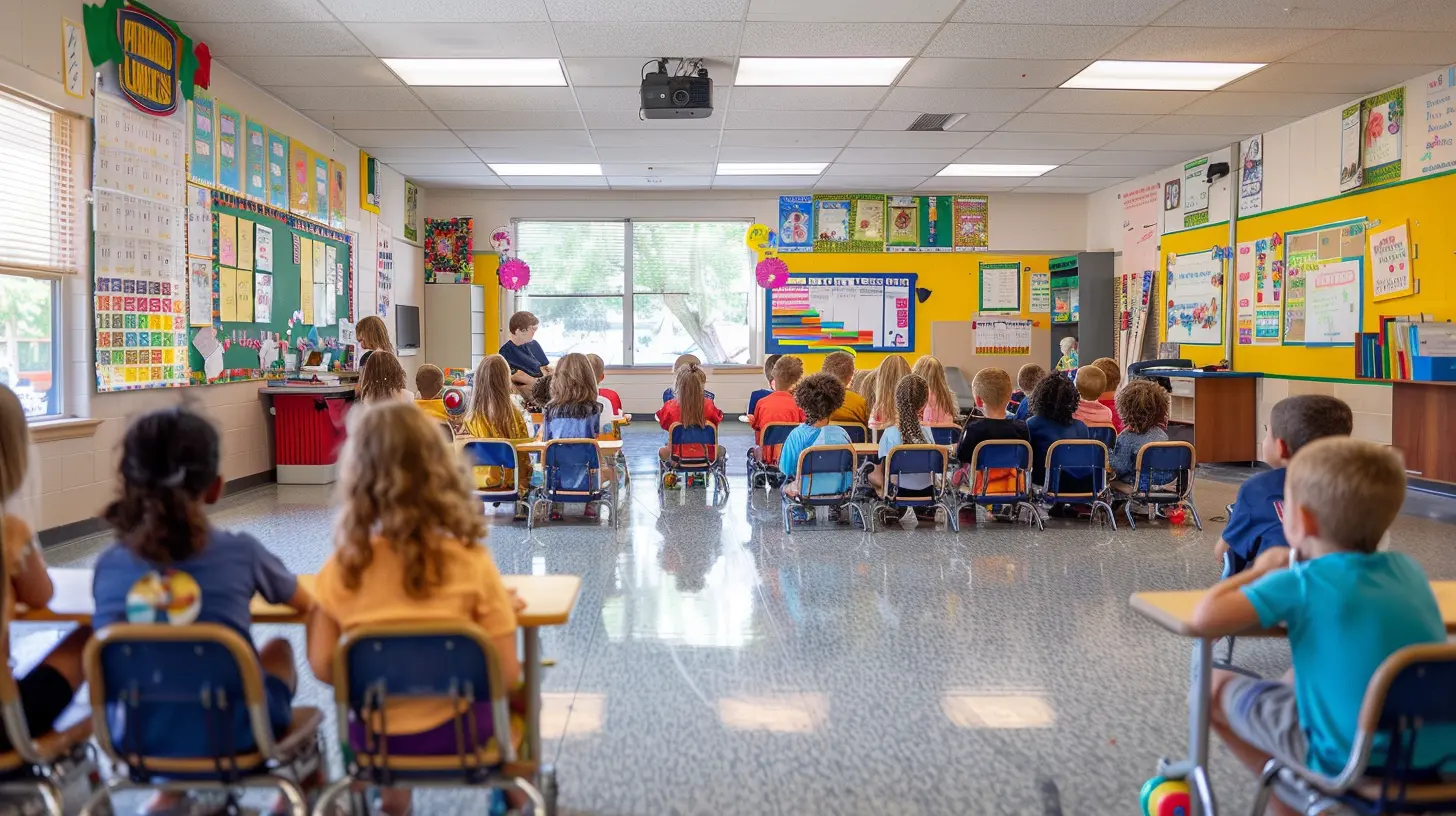
What Is Differentiated Instruction, Anyway?
Imagine trying to squeeze every student into the same mold. It doesn’t fit — not even close. Differentiated instruction says, “Hey, kids aren’t cookies. They’re not meant to come out identical.”At its core, differentiated instruction means tailoring teaching strategies to meet individual needs. Think of it like a buffet rather than a fixed-price meal — students get the support they need, in the way they learn best.
How Differentiation Works
Teachers tweak four major things:- Content: What students learn
- Process: How they learn it
- Product: How they show what they’ve learned
- Learning Environment: The vibe, the setup, the tone
It’s not about writing 25 personalized lesson plans. It’s about offering choice, voice, and flexibility within a structured plan.
And Then There’s Cooperative Learning
Now, shift gears. Imagine kids learning together, working side by side, problem-solving, negotiating, explaining, and laughing. That’s cooperative learning — more than just group work. It’s carefully structured, intentional teamwork that builds both academic understanding and social-emotional skills.What Makes Cooperative Learning Tick?
Effective cooperative learning has five essential elements:1. Positive Interdependence: Students need each other to succeed.
2. Individual Accountability: No freeloaders — everyone has a role.
3. Face-to-Face Interaction: Kids chat, debate, teach each other.
4. Interpersonal Skills: Communication, trust, leadership — all in play.
5. Group Processing: Reflecting on how the group worked together.
It’s team-based learning with heart and purpose.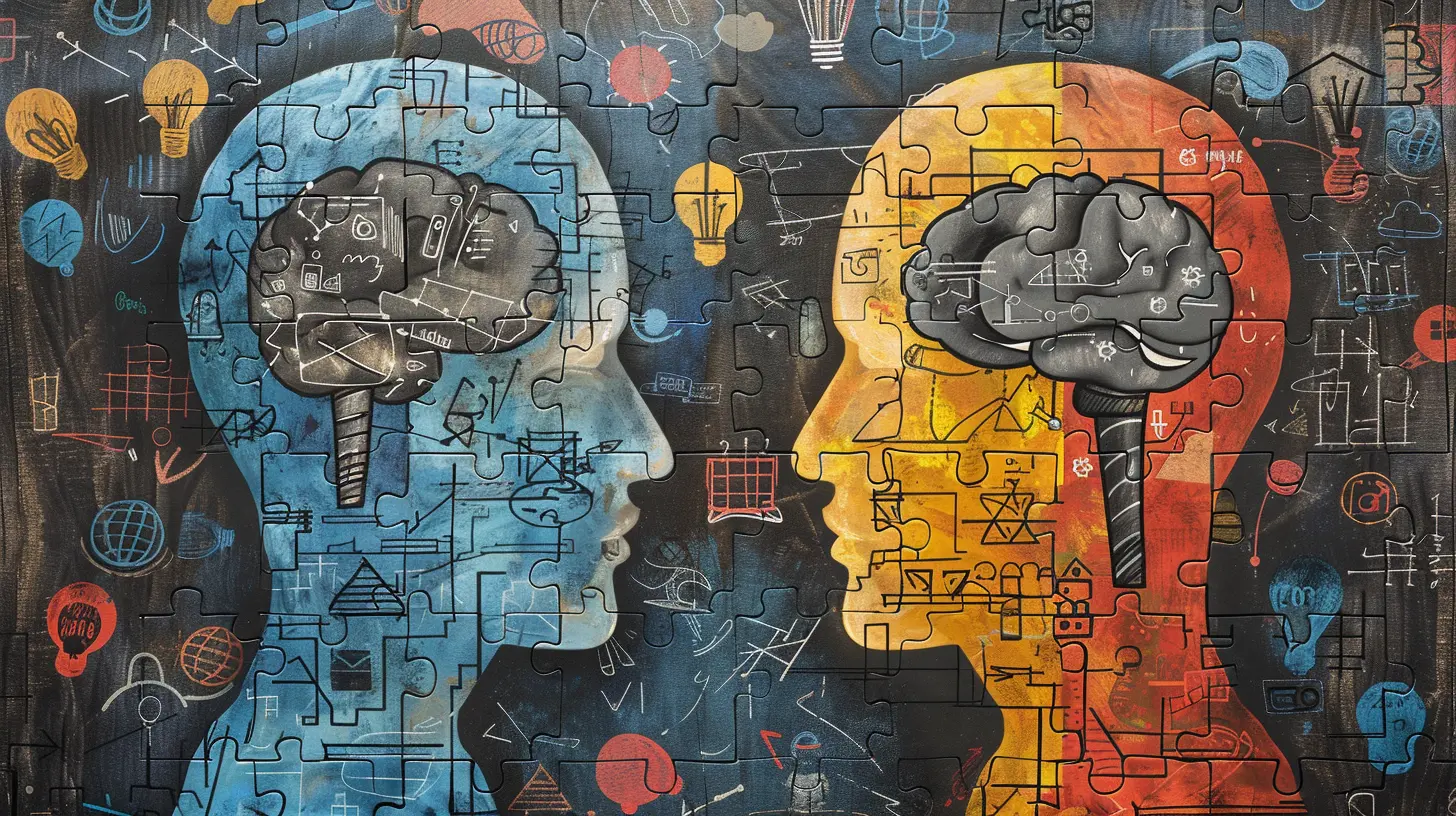
So, Why Are They a Perfect Match?
Let’s be real — teaching isn’t about choosing between strategies like picking a hat. It’s about weaving ideas together to serve your students best. And trust me, differentiated instruction and cooperative learning? They go together like peanut butter and jelly.Here’s why the match works wonders:
1. They Celebrate Differences
Differentiation acknowledges that we all learn differently. Cooperative learning uses those differences as strengths. In a collaborative group, one student’s creativity fuels another’s logic. It’s diversity in action, not theory.2. They Engage Every Voice
You know those students who fade into the background during lectures? With this combo, they shine. Differentiated tasks let them play to their strengths, and cooperative structures make sure everyone is heard.3. They Build Confidence
When students feel understood (thanks, differentiation!) and supported by peers (go, cooperative learning!), they grow braver, bolder, and more willing to take academic risks. That’s where real learning lives.4. They Mirror Real Life
Let’s face it — life isn’t solo. Most of our learning, working, and growing happens alongside others. These strategies prepare kids for a world where teamwork meets individual insight.
Putting the Magic into Practice
Okay, so theory is cool, but what does it look like in real life? Let’s pull this pairing out of the clouds and into your classroom.Start with Knowing Your Kids
You can’t differentiate if you don’t know what makes your kids tick — their learning styles, interests, strengths, and challenges. Use learning profiles, quick surveys, and daily observation. Be curious about them.Remember, differentiation doesn't always mean handing out 10 different assignments. Sometimes, it's just offering choice. Let students pick between writing a poem, building a model, or presenting a skit. Different paths, same destination.
Structure Your Groups with Purpose
Now, add cooperative learning to the mix. Don’t just toss kids into groups and hope for the best. Be strategic.- Mix abilities and learning styles
- Assign clear roles — presenter, researcher, timekeeper, etc.
- Set shared goals and emphasize interdependence
- Teach teamwork explicitly — it doesn’t come naturally to everyone
Each student contributes their unique strength — the analytical thinker, the creative mind, the compassionate listener. Their skills come together like instruments in a jazz band, improvising but in sync.
Use Choice Boards and Jigsaw Strategies
One way to combine differentiation and cooperation? Choice boards for group projects. Let teams select how they’ll demonstrate learning — video, slideshow, podcast, diorama — whatever fires them up.Another gem: the Jigsaw strategy. Each student becomes an expert on one piece of a topic, then teaches it to their peers. It’s a glorious blend of autonomy, accountability, and collaboration.
Scaffold Like a Pro
Worried that lower-achieving students might struggle in cooperative tasks? That’s where scaffolding swoops in. Provide sentence starters, graphic organizers, or model expectations beforehand. Build a ladder, not a cliff.And hey, let your students struggle (a little). Productive struggle leads to growth. Just be there with a net when they need it.
Benefits That Go Beyond the Curriculum
Sure, you’ll see academic gains. But the real magic? It spills beyond test scores.They Learn to Listen
In a world that often shouts, your classroom teaches listening — truly hearing others' viewpoints, digesting them, and responding thoughtfully.They Develop Empathy
Working in diverse teams means encountering different perspectives, experiences, and styles. It humanizes learning in a way lectures never could.They Build Resilience
Through trial and error, failed attempts, and peer feedback, students learn that mistakes aren't setbacks — just stepping stones.They Become Lifelong Learners
When students feel empowered, engaged, and supported, they begin to see learning as theirs — not something done to them. That mindset sticks long after graduation.Common Missteps (And How to Dodge Them)
No strategy is perfect out of the gate. Let’s tackle a few pitfalls and how to avoid them:Mistake #1: Confusing Group Work with Cooperative Learning
Not all group work is productive. Group work just divides the task. Cooperative learning shares the thinking, the responsibility, the growth. Structure is key.Mistake #2: Over-Differentiating
Trying to meet every single need all the time? You’ll burn out. Instead, differentiate flexibly. Rotate options. Focus on one area (process or product) at a time.Mistake #3: Skipping Reflection
After the dust settles, debrief! Let students (and you!) reflect on what worked, what didn't, and what’s next. This metacognitive piece is golden.Real Teachers, Real Wins
Need some inspiration? Here are a couple of real-world success stories:> “When I started combining these strategies, my classroom came alive. I had students who struggled with reading come out of their shell during group debates. They found their voice.”
> — Maria, 6th Grade Teacher
> “I gave students a choice of how to present their science projects. One group made a rap video, another built a working model. Every single kid understood the content — and they were proud of it.”
> — James, 9th Grade Teacher
Final Thoughts: A Symphony, Not a Solo
In the end, differentiated instruction and cooperative learning aren’t just teaching tools. They’re philosophies. They say, “Every student matters. Every voice counts. Every learner belongs.”When you pair them up, magic happens. Not the kind with glitter and wands, but the kind that builds confidence, ignites minds, and changes lives. That, my friend, is the heart of great teaching.
So go ahead — build your classroom symphony. Let each student bring their own rhythm, and watch the harmony unfold.
all images in this post were generated using AI tools
Category:
Differentiated InstructionAuthor:

Olivia Chapman
Discussion
rate this article
2 comments
Astrid Barker
Great insights! Differentiated instruction and cooperative learning truly create a dynamic classroom environment. Let’s embrace diverse learning styles for vibrant student success! Keep it up!
February 17, 2026 at 5:35 AM
Olivia Chapman
Thank you for your encouraging words! Embracing diverse learning styles is indeed key to fostering an engaging and successful classroom.
Ardent Wheeler
This article beautifully highlights the synergy between differentiated instruction and cooperative learning. It's inspiring to see how these approaches can create inclusive environments where every student feels valued and empowered to succeed together. Thank you for sharing!
February 4, 2026 at 4:37 AM
Olivia Chapman
Thank you for your kind words! I'm glad you found the article inspiring and see the potential of these approaches in creating inclusive learning environments.