Differentiation in STEM: Engaging All Learners in Science and Math
16 February 2026
Let’s face it—math and science can sometimes feel like a locked door for a lot of students. But what if we had the key to unlock that door for everyone, regardless of how they learn best? That’s where differentiation in STEM (Science, Technology, Engineering, and Mathematics) comes in. It’s not just a buzzword used in education anymore—it’s a mindset, a strategy, and quite honestly, a lifeline for many learners.
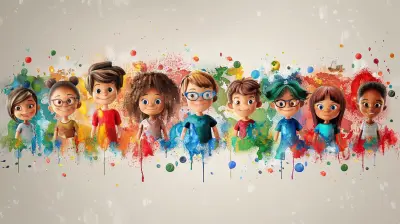
Differentiation isn’t about watering things down. It’s about leveling the playing field. Imagine a classroom where every student, whether they’re visual, auditory, kinesthetic, or somewhere in between, feels seen and challenged. That’s the power of differentiation in STEM.
In this article, we’re diving deep to understand what differentiation means in the STEM context, why it’s absolutely necessary, and most importantly, how educators can bring it to life in their classrooms.
What Is Differentiation, Really?
Differentiation in education is all about tailoring instruction to meet individual needs. That can mean adjusting the content, the process, the product, or even the learning environment. When applied to STEM subjects—often considered rigid or “one-size-fits-all”—differentiation creates opportunities for all students to experience success.Think of it like adjusting the ingredients in a recipe based on your dietary needs. The dish stays delicious, just prepared differently for everyone at the table.
Why STEM Desperately Needs Differentiation
STEM subjects have traditionally been taught in a way that favors a particular type of learner—usually one who excels at memorization and logical thinking. But real learning? It goes beyond that.Here’s the truth: students come into our classrooms with varying backgrounds, experiences, and abilities. Some might be math prodigies who solve equations for fun (yes, they exist), while others might freeze at the sight of a fraction. Some are dreaming of building robots, and others just want to pass the next test.
If we teach them all the same way, we’re setting many of them up to fail—or at least tune out. And in a world that increasingly runs on technology and data, we simply can’t afford to leave anyone behind.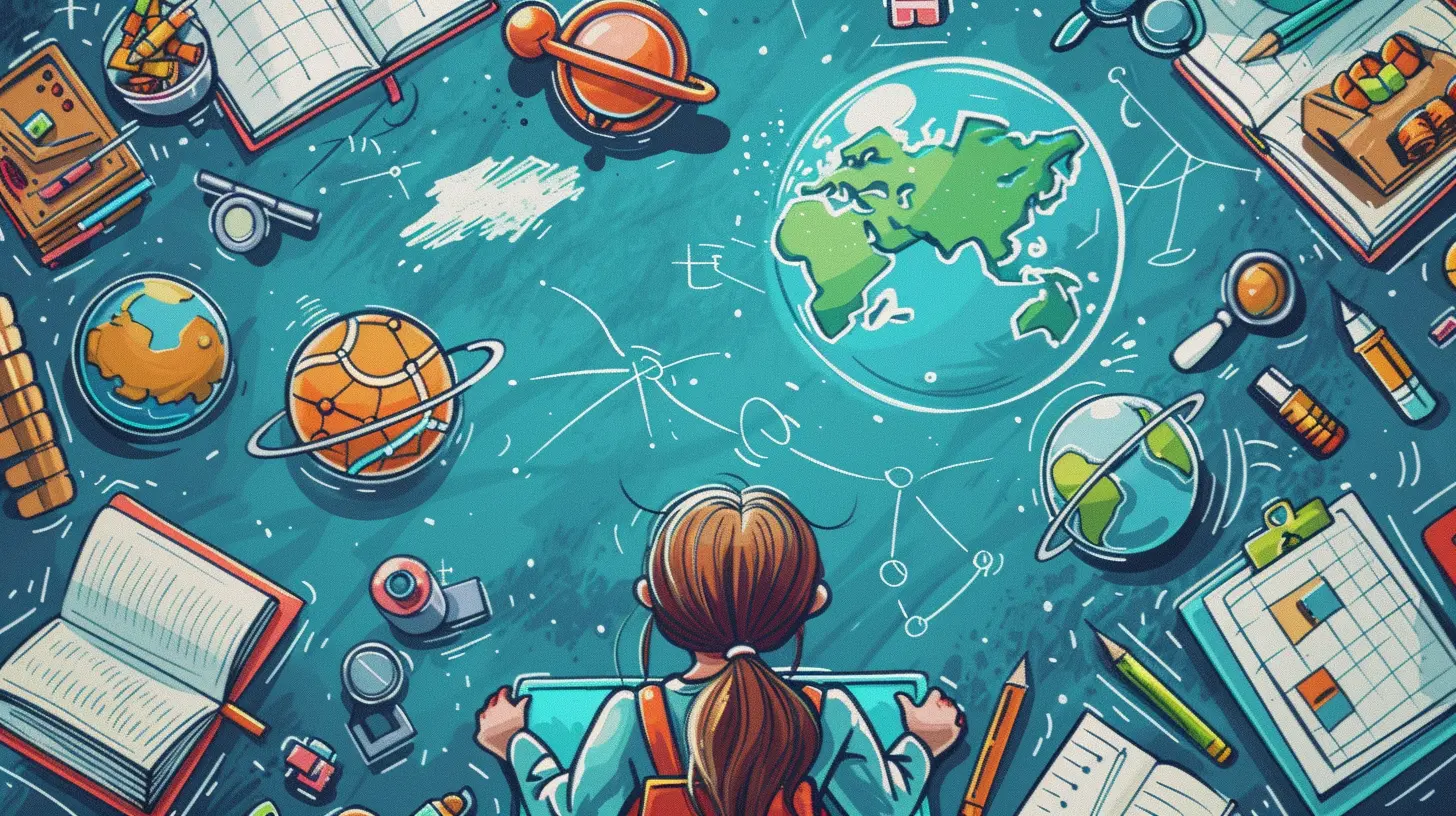
The Myths Around Differentiation in STEM
Before we jump into the “how,” let’s bust a few myths floating around out there.Myth #1: Differentiation = More Work for Teachers
This is a biggie. Many educators fear that differentiation means creating 30 different lesson plans. But it doesn’t have to be that way. It’s more about designing flexible lessons that offer multiple entry points and pathways, not individual blueprints for each student.Myth #2: Differentiation Lowers the Bar
On the contrary, it raises the bar for everyone by giving students what they need to reach high standards. It's about scaffolding—not simplifying.Myth #3: You Can’t Differentiate STEM Effectively
STEM might be content-rich and assessment-heavy, but that doesn’t mean it’s inflexible. From project-based learning to tech integration, there are endless ways to add differentiation without losing rigor.
How to Differentiate in STEM without Losing Your Mind
Ready to bring differentiation into your STEM classroom? Let’s break it down in practical, manageable ways.1. Differentiate by Content
Not all students need to learn the exact same thing at the same time. That doesn’t mean giving them completely different lessons—it means adjusting the depth, complexity, or format.- Use tiered assignments: Give the same general task, but with varying levels of challenge.
- Offer content in different formats: Videos, simulations, readings, or hands-on activities can all teach the same concept but engage different learners.
Imagine teaching Newton's Laws through a video, a real-life car crash experiment, or a digital simulation. Each student can interact with the concept in the way that clicks for them.
2. Differentiate by Process
This refers to how students make sense of the content.- Flexible grouping: Let students work in pairs, small groups, or individually. Mix it up often.
- Choice boards: Let students pick how they want to practice a concept—drawing, summarizing, building, or coding.
- Interactive notebooks or digital journals: Encourage reflection and personalized note-taking.
Ever watched a student light up when they get to choose how they learn something? That’s the magic of process differentiation.
3. Differentiate by Product
This is what students create to show what they’ve learned.- Give options: Poster, model, presentation, animation, infographic—you name it.
- Rubrics with clear expectations: Make sure the criteria focus on learning goals, not the format.
Some kids express understanding by writing, others by building or drawing. Let them play to their strengths while still hitting standards.
4. Differentiate the Learning Environment
The classroom environment—physical or digital—matters more than we think.- Flexible seating and workstations: Some students focus better at a desk; others need a floor space or beanbag.
- Noise levels: Offer quiet zones and collaborative spaces.
- Digital platforms: Use learning management systems and apps to customize learning paths.
When students feel comfortable and in control of their space, they’re more likely to engage.
Leveraging Tech to Support Differentiation
Technology is a huge ally when it comes to differentiation in STEM. Here’s how:- Adaptive software: Tools like Khan Academy or IXL adjust question difficulty based on student performance.
- Simulations and virtual labs: Perfect for students in remote or resource-limited settings.
- Collaboration tools: Google Workspace, Padlet, or Flipgrid allow students to communicate and collaborate in varied ways.
Let’s be honest—kids are digital natives. When we meet them where they are, it’s easier to keep them hooked.
Real-World Projects Make a Difference
One of the most effective ways to differentiate in STEM is through project-based learning (PBL). It’s authentic, student-centered, and incredibly flexible.Say you're teaching about climate change. Students could:
- Build a model of a sustainable city
- Create a podcast interviewing environmental scientists
- Design an energy-saving app
- Write a persuasive letter to a local politician
Same topic, different passions, same standards. Everyone wins.
Culturally Responsive Differentiation
Let’s not forget that differentiation isn’t just about learning styles—it’s also about honoring students’ backgrounds and identities.- Incorporate diverse scientists and mathematicians in your examples
- Use real-world problems that connect to students’ communities
- Acknowledge different ways of knowing and problem-solving
When students see themselves reflected in the content, their engagement skyrockets. It’s not just about personalizing instruction—it’s about humanizing it.
Supporting Students with Special Needs and Gifted Learners
Both ends of the learning spectrum deserve differentiation.- For students with IEPs or 504 plans, use assistive tech, simplified instructions, and frequent check-ins.
- Gifted students? Offer enrichment, acceleration, or opportunities to mentor others.
It's all about finding the right pace and depth for each learner. Think of it like a symphony—every instrument has its role, and when played together, the result is stunning.
Involving Students in the Process
Here’s a radical idea: involve students in designing their own learning paths.- Let them help set goals.
- Ask for feedback on what’s working (and what’s not).
- Build reflection into the routine.
When students have ownership, they’re more invested. And that’s a win for everyone.
Building a Differentiation Mindset
Differentiation isn’t a one-time strategy. It’s a mindset shift. It takes time, trial, error, and patience. You won’t get it perfect every time, and that’s okay.Start small. Maybe you offer two choices for a math problem set instead of one. Or you rearrange your seating to better support different learners. Small steps lead to big change.
Final Thoughts
The goal of STEM education isn’t to turn every student into a scientist or engineer—it’s to help them think critically, solve problems, and see the beauty in logic. When we differentiate, we make that goal approachable for everyone.We’re not just teaching content—we’re teaching learners. And when we meet them where they are, we empower them to go further than they ever thought possible.
So, next time you plan a lesson, ask yourself—how can I make this engaging, accessible, and meaningful for all of my students?
Let that question be your guide.
all images in this post were generated using AI tools
Category:
Differentiated InstructionAuthor:

Olivia Chapman
Discussion
rate this article
2 comments
Xander Hayes
Great insights! This approach to differentiation is crucial for fostering engagement and success in STEM for all learners.
March 6, 2026 at 4:53 AM
Olivia Chapman
Thank you! I'm glad you found the insights valuable for enhancing engagement in STEM.
Dorothy Bryant
Differentiation in STEM is essential; it transcends traditional teaching, fostering inclusivity by recognizing diverse learning styles. Embracing this approach cultivates critical thinkers, empowering every student to contribute to our scientific future.
February 17, 2026 at 5:35 AM
Olivia Chapman
Thank you for highlighting the importance of differentiation in STEM education! Embracing diverse learning styles truly enhances inclusivity and empowers all students to thrive in science and math.