Differentiation Through Project-Based Learning: Engaging Every Learner
21 July 2026
Let’s face it, every classroom is like a box of assorted donuts—sweet, exciting, and totally different in flavor. As educators, we’re not just fighting to keep kids engaged—we’re on a mission to make sure each student gets exactly the kind of learning experience that suits their needs, their pace, and yes, even their quirks. That’s where the magic of Project-Based Learning (PBL) comes into play.
Now, toss in the word “differentiation,” and it might start sounding like a jargon-filled soup. But hang tight—we’re going to break it all down into bite-sized, teacher-friendly, totally-doable chunks. Because differentiation through Project-Based Learning is more than just the next big buzzword—it’s one of the most powerful ways to ignite curiosity and creativity in every learner, from the quiet thinker to the hands-in-the-air go-getter.

What Is Project-Based Learning (PBL), Anyway?
Before we dive into the “how,” let’s talk about the “what.” Simply put, Project-Based Learning is a teaching method where students gain knowledge and skills by working for an extended period of time to investigate and respond to a real-world question, challenge, or problem.It’s not about worksheets or pop quizzes—it’s about meaningful learning. Think of it as learning with a purpose. Like building a model rollercoaster to understand physics or designing a campaign for clean water while learning about environmental science.
Pretty cool, right?

Why Differentiation Matters in the First Place
Differentiation isn’t about creating 30 different lesson plans. Nope. It’s about giving students various ways to access content, process ideas, and express their understanding. Because let’s be real—not every student thrives under the same conditions.Some kids want to draw. Others love to talk it out. A few might build robots with their eyes closed. And yes, some love writing essays (bless them).
Differentiation ensures that each student’s strengths are recognized and nurtured. And when you blend this philosophy with PBL? Pure classroom gold.

How Project-Based Learning Naturally Supports Differentiation
Alright, now the juicy part. You might be wondering, “How on earth am I supposed to differentiate for every learner AND build a cool project into it?”Great question. The truth is, PBL and differentiation are like peanut butter and jelly—they just go together. Here’s how:
1. Student Voice and Choice (AKA Let Them Drive the Bus)
One of the core features of PBL is giving students a say in what, how, and even why they’re learning. Let them pick the topic they’re passionate about. You’re not just getting buy-in—you’re giving them ownership.For example: If the project’s goal is to address a community issue, one student might create a documentary, another might write an opinion piece, and someone else might build a prototype solution. Boom—differentiated outcome, same learning goals.
? Pro Tip: Build in checkpoints where students reflect on their progress and make adjustments. This keeps their learning personalized and forward-moving.
2. Flexible Grouping (Teamwork with a Twist)
Students don’t all need to work solo, and they don’t need to be in the same group all year. Change it up! Let students collaborate based on shared interests, strengths, or complementary skills.Mixed-ability groups are goldmines for peer mentoring. Struggling students often soar when they’re explaining ideas to others—or learning from a peer in a low-pressure way.
? Bonus: Rotate roles within each group (researcher, designer, presenter, etc.) to develop multiple skill sets.
3. Differentiated Roles and Responsibilities
The beauty of most projects is that they require lots of different roles. That means everyone contributes in a way that plays to their strengths.Your introverted artist? Let 'em design the visual pieces. Your extroverted talker? Give 'em a mic and a platform. Everyone has a part to play, and everyone shines.
It’s like putting together a rock band. Not everyone’s the lead singer—but where would we be without the drummer or the bass player?
4. Scaffolded Supports (But Make It Discreet)
Not all scaffolding has to look like intervention. You can build supports into your projects that help struggling learners without making them feel singled out.Use graphic organizers, sentence starters, small-group mini-lessons, video tutorials, or learning contracts tailored to student needs. The goal? Keep everyone moving forward—even if their paths look different.
Remember: Equity doesn’t mean everyone gets the same thing. It means everyone gets what they need to succeed.
5. Multiple Means of Expression
In PBL, students demonstrate their understanding in a variety of ways—presentations, portfolios, multimedia, prototypes, and more.This is where differentiation really sparkles. Let students choose their method of sharing. Their final product becomes a personal, powerful expression of learning.
You’re not just grading what they know—you’re celebrating how they’ve chosen to show it. (Cue the standing ovation.)
6. Real-World Connections Spark Real Motivation
Kids ask “Why do I need to learn this?” for a reason. If they can’t see the relevance, they won’t engage.PBL makes learning real. When students tackle problems connected to their lives or communities, they’re more motivated to dig deep.
And this translates to engagement across the board—even for those who typically hang back. Because suddenly, they’re not doing it for a grade—they’re doing it for something bigger than themselves.
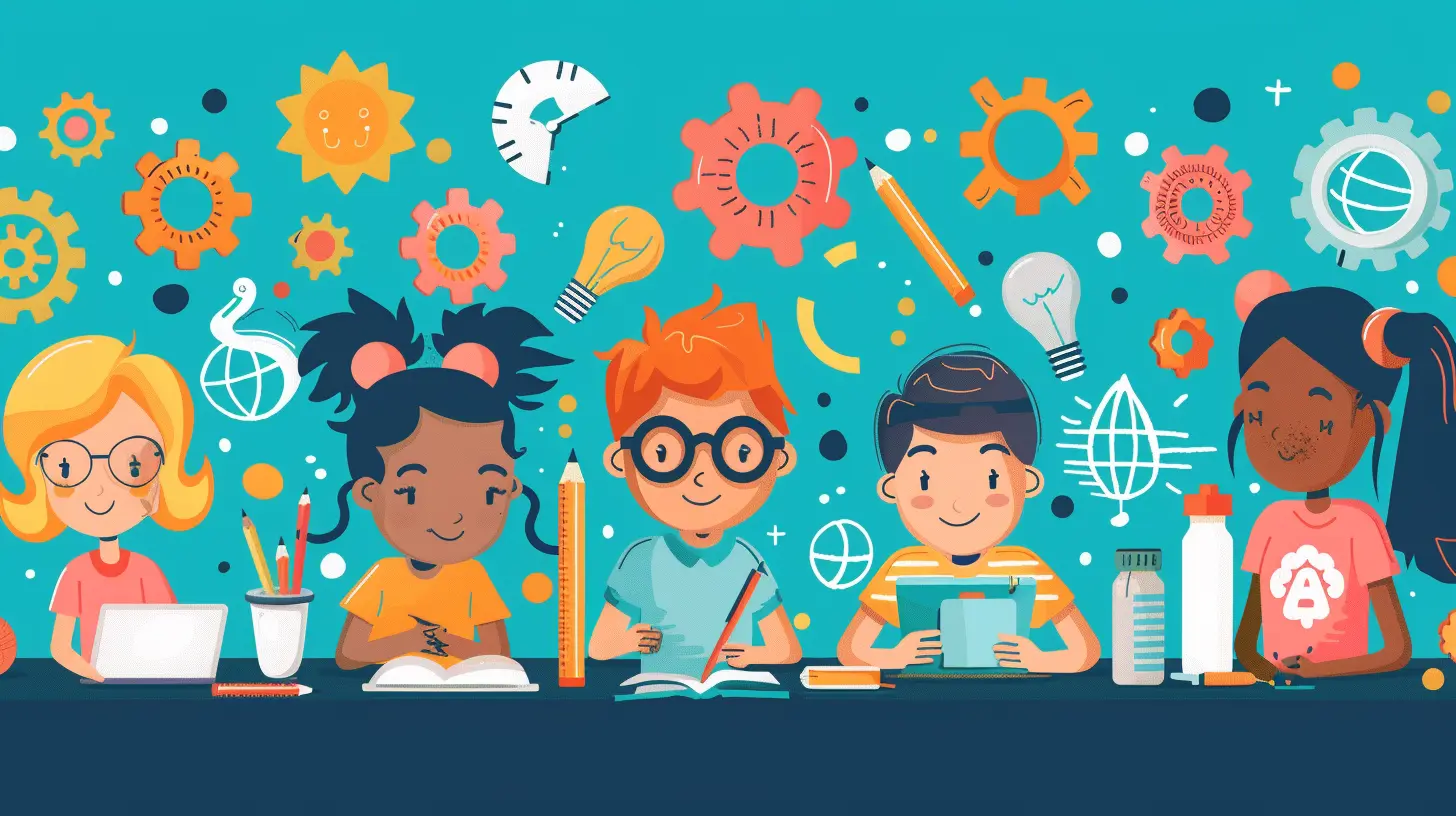
Designing a Differentiated PBL Experience: Step-by-Step
Alright, let’s get to the practical stuff. Here’s a super-simple roadmap to get started with a differentiated PBL experience in your classroom:Step 1: Start with a Driving Question
This is the heart of your project! Make it open-ended, relevant, and juicy enough to spark curiosity.Example: “How can we improve our school’s carbon footprint?”
Make sure your question allows for multiple avenues of exploration, so students can approach it from various angles.
Step 2: Define Clear Learning Goals
Know what skills and standards you want to hit. Share them with students upfront in kid-friendly language.Then ask: What different ways can students meet these goals? Keep these options open throughout the project.
Step 3: Build in Choice
Offer choice in:- Topics
- Products
- Resources
- Grouping
- Timeline
This is like giving students a menu—everyone’s working toward the same nutrition (learning outcomes), but they get to pick the meal.
Step 4: Design the Scaffolds
Anticipate where students might struggle and plan supports accordingly. You don’t need to wait until someone flounders to intervene.Think about:
- Anchor charts
- Peer tutors
- Online resources
- Modified rubrics
- Mini-workshops
Step 5: Set Regular Checkpoints
Don't wait for the end to assess learning. Use reflection journals, one-on-one conferences, and peer feedback to gauge how things are going.This also gives students a chance to switch gears if something isn't working for them.
Step 6: Celebrate, Reflect, and Share
When the project ends, let students present their work to a real audience—parents, peers, or community members.Then reflect. What did they enjoy? What challenged them? What would they do differently?
This feedback loop helps students grow—and helps you improve the next go-round.
Real Talk: Challenges and How to Conquer Them
Let’s be honest, PBL isn’t all sunshine and rainbows. There are hiccups. But they’re totally manageable with a little planning and a lot of flexibility.Time Crunches?
Start small. A mini-project over a few days is still meaningful. As you get more comfortable, scale up.Grading Headaches?
Use rubrics focused on skills and standards. Allow for variation in products, but stay consistent in outcomes. And yes—peer assessments count!Student Resistance?
New things feel weird at first. Set clear expectations, build trust, and celebrate successes early. They’ll come around.Admin Pressure?
Collect data! Show growth in engagement, collaboration, and achievement. PBL isn’t fluff—it’s rigor with soul.
Wrapping It Up: Every Student, Every Strength
Differentiation through Project-Based Learning isn’t about doing more—it’s about doing smarter. It’s choosing a path that meets students where they are, inspires them to take ownership, and encourages them to collaborate, create, and grow.In a world full of buzzwords and bullet points, PBL offers a breath of fresh air. It’s where curiosity meets content, and where every student has a seat at the table.
So go ahead—dive in with both feet. Your students are ready. And honestly, so are you.
Because when learning feels like play, and every student gets a chance to shine, well... that’s when the real magic happens.
all images in this post were generated using AI tools
Category:
Differentiated InstructionAuthor:

Olivia Chapman
Discussion
rate this article
1 comments
Marlowe Porter
Project-based learning: where curiosity meets chaos and creativity thrives!
July 24, 2026 at 11:55 AM
Olivia Chapman
Absolutely! Project-based learning truly harnesses curiosity, allowing creativity to flourish even in the chaos. It's a powerful way to engage every learner.