Digital Citizenship: Teaching Ethics in the Age of Social Media
23 September 2026
The internet has changed the way we communicate, learn, and interact with the world. Social media, in particular, has become an inseparable part of our daily lives. From quick updates to long discussions, viral trends to political debates—everything unfolds on digital platforms. But with this great power comes an even greater responsibility.
That’s where digital citizenship comes in. It’s not just about using technology; it’s about using it responsibly, ethically, and respectfully. But are we really teaching digital ethics as much as we should? In this article, we’ll explore why digital citizenship matters, the ethical dilemmas that social media brings, and how we can teach responsible online behavior.
What Is Digital Citizenship?
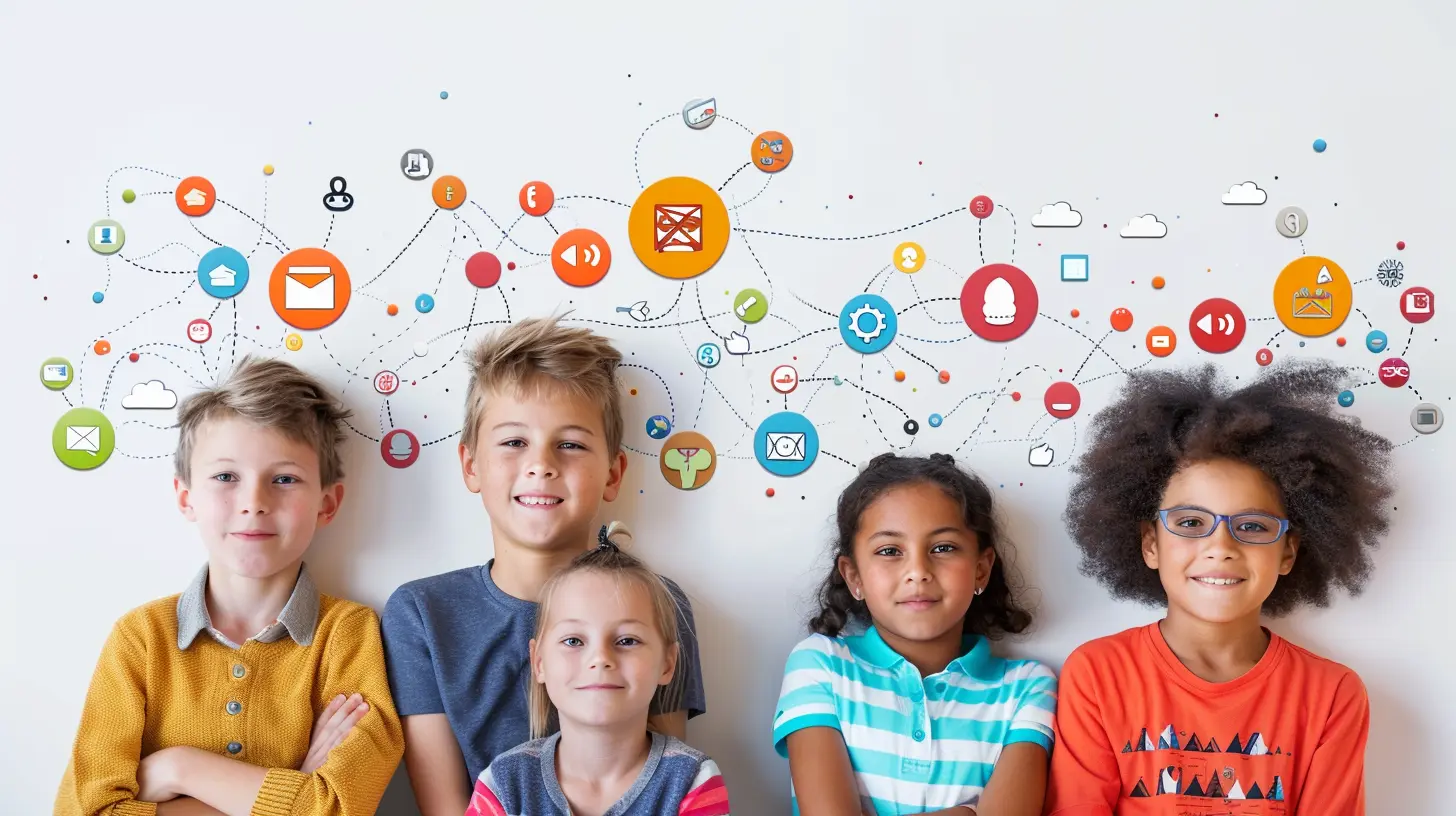
Digital citizenship refers to the responsible, ethical, and appropriate use of the internet and digital platforms. Think of it as a set of unspoken rules that guide how people should behave online. Just as we teach kids how to behave in society, they also need to learn how to navigate the digital world respectfully and responsibly.It’s not just about avoiding cyberbullying or staying safe online—it goes deeper. It includes understanding privacy, respecting different viewpoints, distinguishing fake news from real facts, and knowing when (and how) to disengage from toxic online discussions.
The Importance of Digital Citizenship
So why does digital citizenship matter? Well, think about how much of our lives have moved online—education, work, social interactions, even banking. If we don’t instill strong digital ethics, we risk creating a generation of internet users who misuse technology, spread misinformation, or even unknowingly break laws.Some of the biggest challenges of today’s digital world include:
- Misinformation and fake news – False information spreads faster than truth, influencing opinions and even elections.
- Cyberbullying – Anonymity makes it easier for people to harass others without accountability.
- Privacy concerns – Many users overshare personal information, unaware of how companies and hackers may exploit it.
- Online addiction – Constant social media engagement can negatively impact mental health.
By teaching digital citizenship early, we can help individuals make better decisions online, ensuring a safer and more respectful digital world. 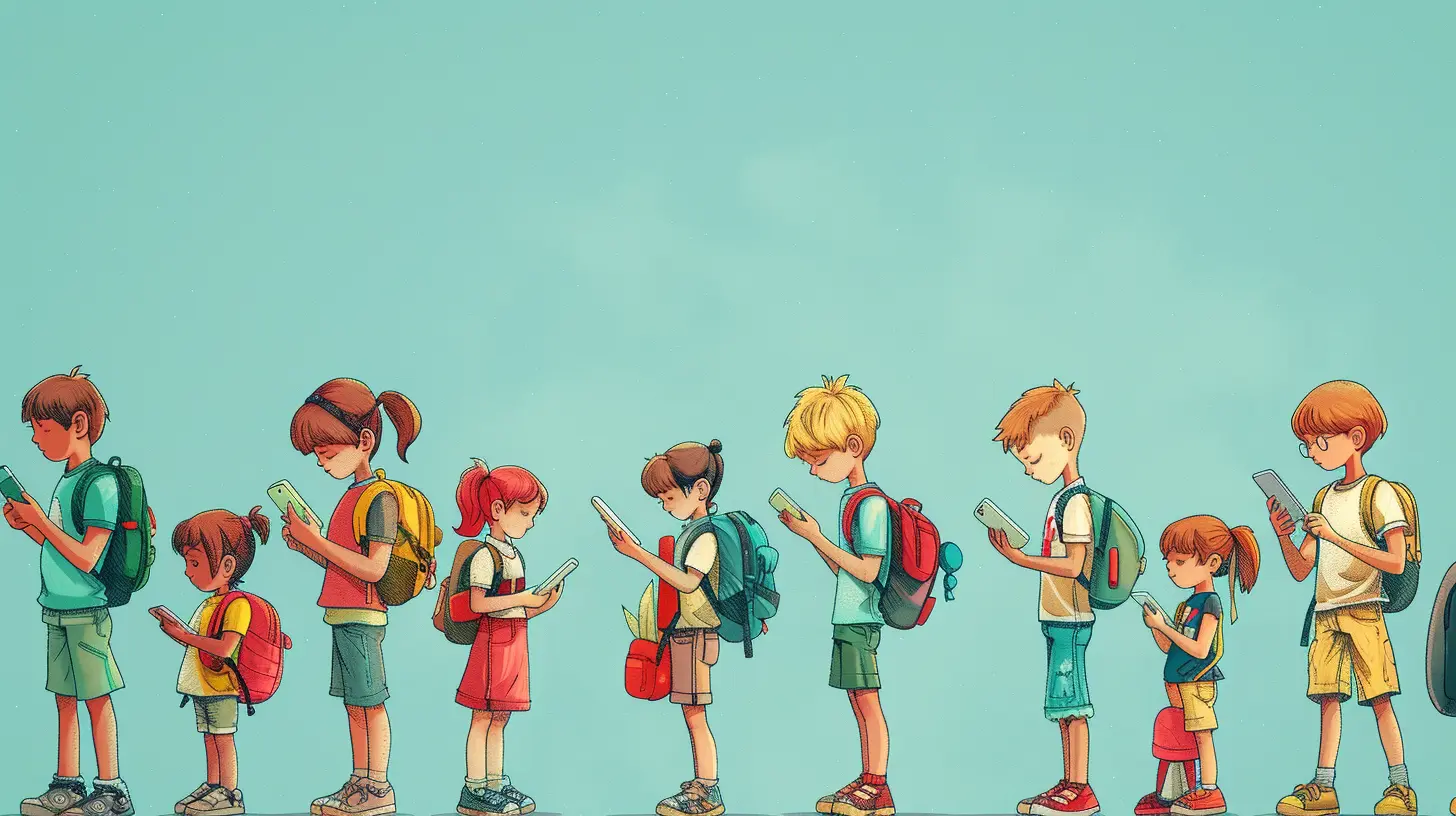
Ethics in the Age of Social Media
With great connectivity comes great ethical responsibility. Social media has blurred the line between personal and public life, creating ethical dilemmas we’ve never faced before. Here are some key ethical concerns:1. Misinformation and the Spread of Fake News
Ever scrolled through your feed and seen a post that made you instantly angry—only to later find out it wasn’t even true? That’s the power of misinformation. False content spreads like wildfire on social media because it appeals to emotions rather than facts.Ethically, every digital citizen has a responsibility to fact-check before sharing. But platforms themselves also play a role. Algorithms prioritize engagement, often amplifying controversial or sensational content over factual reporting. That’s why media literacy is a crucial part of digital citizenship—people need to know how to identify credible sources and verify information before believing or sharing it.
2. Cyberbullying and Online Harassment
Bullying isn’t new, but the internet has taken it to a whole new level. Social media gives bullies 24/7 access to their victims, often under the mask of anonymity.Teaching ethical digital behavior means making users aware of how their words and actions affect others online. It also means promoting kindness, discouraging hate speech, and fostering a culture of respect. Schools, parents, and platforms themselves must step up to prevent and address cyberbullying.
3. Privacy and Data Ethics
Every time you sign up for a social media account, you agree to terms and conditions—most of which you probably don’t read. But did you know that many platforms collect and sell your data? From your browsing history to your location, companies track more than you realize.Ethical digital behavior includes understanding privacy settings, being cautious about what personal information you share, and knowing your rights regarding digital data. Schools should teach students how their digital footprints are permanent and how to protect their privacy in an increasingly data-driven world.
4. Cancel Culture and Digital Shaming
We’ve all seen it—someone makes a mistake, and the internet gangs up on them. Sometimes, people deserve accountability, but other times “cancel culture” turns into unfair digital mob justice.Ethics in social media require us to ask: Are we holding people accountable fairly, or are we just fueling outrage? Responsible digital citizens choose constructive conversations over public shaming, ensuring that mistakes become learning opportunities rather than permanent internet scars. 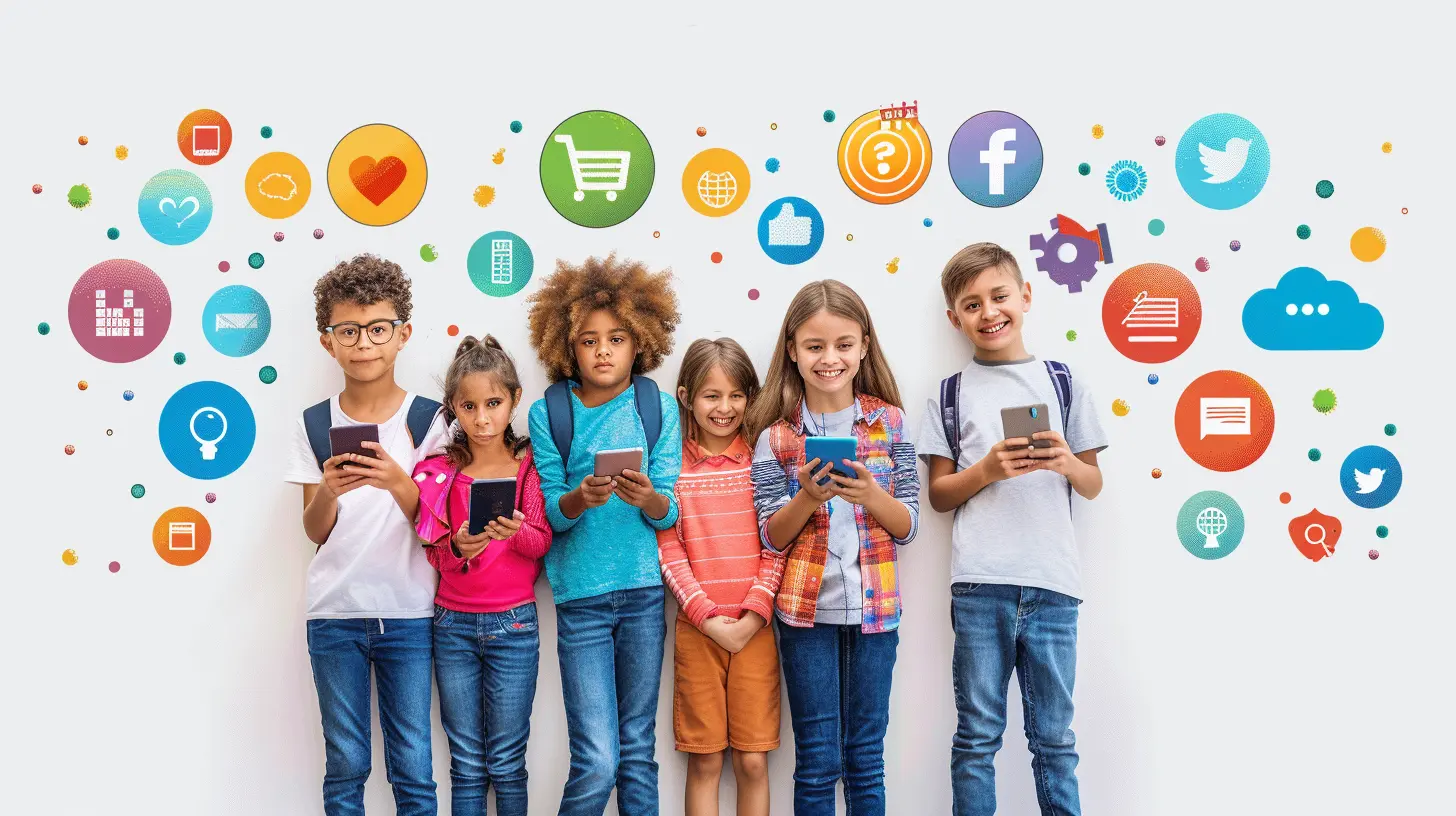
Teaching Digital Ethics: How Can We Promote Responsible Social Media Use?
The challenge isn’t just identifying digital ethics issues—but actively teaching and promoting ethical online behavior. Here's how educators, parents, and even social media platforms can contribute:1. Integrate Digital Citizenship into Education
Schools already teach traditional ethics—why not digital ethics too? Lessons on online privacy, respectful communication, and responsible media consumption should be a fundamental part of education. Teaching students how to think critically about online content will prepare them for a digitally saturated world.2. Encourage Media Literacy
Misinformation thrives on ignorance. Teaching media literacy helps individuals analyze sources, question biases, and validate information before believing what they see online. Critical thinking is key to being a responsible digital citizen.3. Set Family Guidelines for Social Media Use
For parents, openly discussing online behavior with kids is essential. Setting boundaries—such as limiting screen time, discussing ethical dilemmas, and monitoring online activities—can help shape responsible digital habits.4. Promote Positive Online Engagement
The internet doesn’t have to be a toxic place. Encouraging kindness, empathy, and respectful discourse online can counteract the negativity often found on social media. Simple acts—like reporting harmful content, supporting constructive debates, and recognizing positive contributions—go a long way.5. Hold Social Media Platforms Accountable
Social media companies bear a great responsibility in shaping online culture. They should enforce ethical guidelines, limit the spread of harmful content, and protect user data. Advocating for stricter platform policies and ethical AI use can create a healthier digital environment.
Final Thoughts
In an era where social media influences everything from politics to mental health, teaching digital citizenship is more important than ever. It's not just about using technology—it's about using it wisely, ethically, and responsibly.Whether you're a student, parent, educator, or a regular internet user, you're part of this digital society. The internet is a powerful tool, but just like any tool, it depends on how we use it. Will we use it to inform, connect, and uplift—or to deceive, divide, and harm? The choice is ours.
By cultivating a culture of digital responsibility, we can create a future where the internet is a safe space for learning, sharing, and growing—without sacrificing ethics along the way.
all images in this post were generated using AI tools
Category:
Character EducationAuthor:

Olivia Chapman
Discussion
rate this article
1 comments
Jillian Lawson
This article highlights a crucial topic. Teaching digital citizenship is essential for empowering students to navigate social media responsibly and ethically. Thank you!
September 23, 2026 at 2:33 AM