Exploring the Role of Culture in Learning Styles
23 March 2026
Ever wondered why some people prefer learning through hands-on experiences while others thrive on lectures and books? Well, it turns out that culture plays a huge role in shaping how we learn. Our upbringing, traditions, and societal norms influence how we absorb and process information.
In this article, we'll dive into the fascinating connection between culture and learning styles, breaking down how different backgrounds shape the way we acquire knowledge. So, if you've ever questioned why learning feels different for everyone, buckle up—you're about to find out!
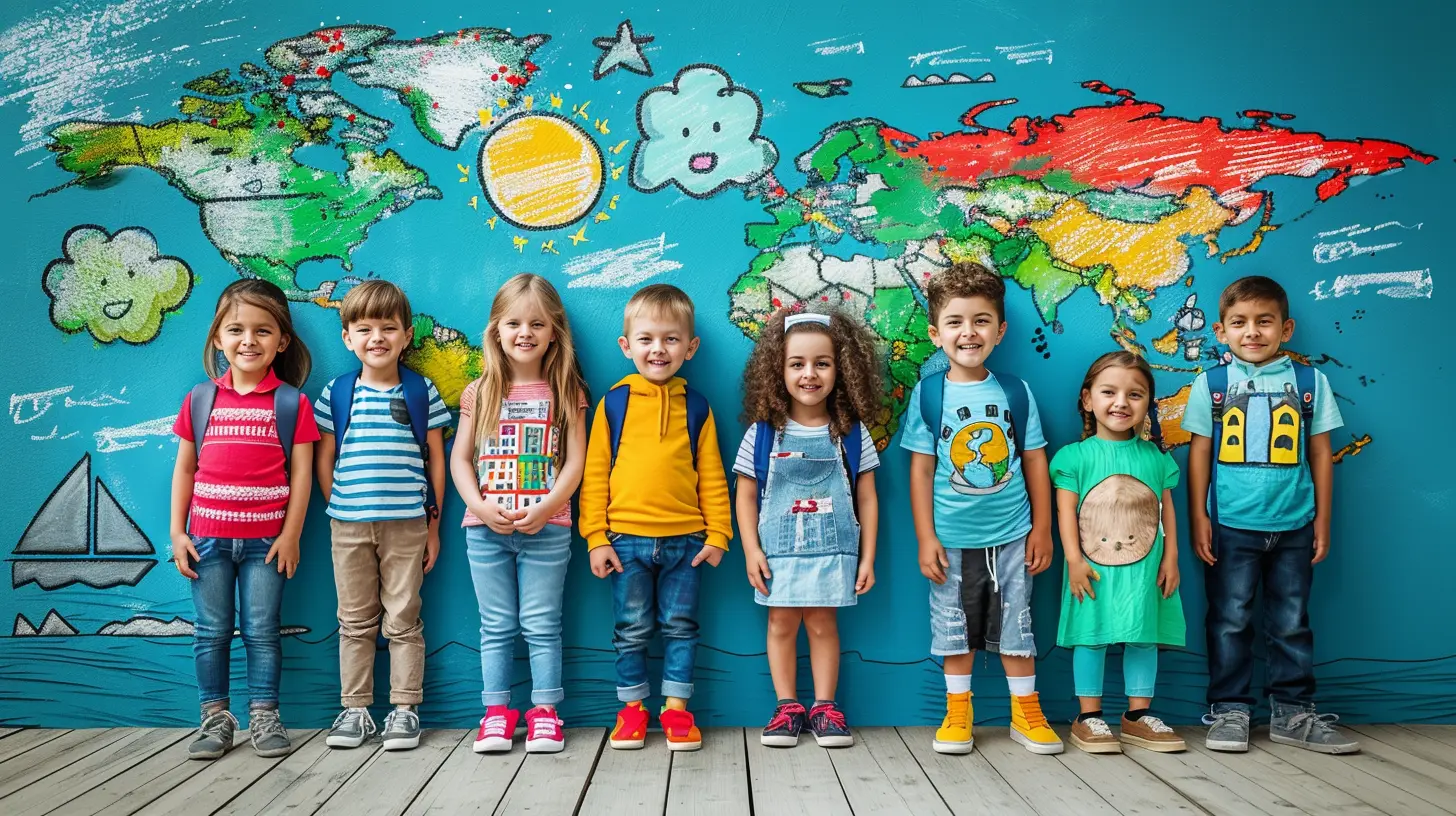
What Are Learning Styles?
Before we get into the cultural aspect, let's first understand what learning styles are. Simply put, learning styles refer to the different ways individuals process and retain information. Some of the most common learning styles include:- Visual Learners – They grasp information best through images, charts, and graphs.
- Auditory Learners – They learn best through listening to lectures, discussions, and audio materials.
- Kinesthetic Learners – They prefer hands-on experiences, experiments, and physical movement when learning.
- Reading/Writing Learners – They excel through reading texts and taking notes.
Now, if learning styles vary from person to person, could cultural background be a contributing factor? Absolutely! Let's see how.
The Cultural Connection to Learning Styles
1. Collectivist vs. Individualist Societies
One of the biggest cultural influences on learning comes from how societies function.- Collectivist Cultures (e.g., China, Japan, India, Latin America): These societies emphasize group harmony, cooperation, and social responsibility. Because of this, students from collectivist cultures tend to prefer group learning, collaboration, and structured guidance from teachers. They're more likely to value learning through shared experiences rather than independent exploration.
- Individualist Cultures (e.g., USA, Canada, Western Europe): These societies prioritize personal achievement, independence, and self-reliance. As a result, students from these backgrounds excel in self-directed learning, critical thinking, and independent problem-solving. They are more likely to question authority and explore knowledge on their own terms.
2. Communication Styles and Learning Preferences
Culture also influences how people communicate and, consequently, how they learn.- High-Context Cultures (e.g., Asian, Middle Eastern, African cultures) rely heavily on implicit understanding, non-verbal cues, and contextual knowledge. Students from these backgrounds may prefer indirect learning, observation, and storytelling rather than straightforward instructions.
- Low-Context Cultures (e.g., the U.S., Germany, Scandinavian countries) value direct communication, explicit instructions, and clear explanations. Learners from these cultures typically prefer an organized, structured approach to education with clear expectations.
3. Emphasis on Memorization vs. Critical Thinking
Ever noticed how some education systems stress memorization while others encourage questioning and debate? That's culture at play!- In many Asian cultures, rote memorization is highly valued. Education systems in countries like China, Japan, and South Korea emphasize repetition, mastery of basics, and respect for textbooks. This approach helps students develop strong foundational knowledge.
- On the other hand, Western education often promotes critical thinking and creativity. In the U.S. and much of Europe, students are encouraged to analyze, debate, and form their own opinions rather than just retain facts.
4. Teacher-Centered vs. Student-Centered Learning
Another major difference in learning styles is how much control the teacher has over the learning process.- Teacher-Centered Learning (Common in Asia, the Middle East, and some African regions): The teacher is viewed as the authority figure, and students are expected to listen, take notes, and absorb knowledge. Learning is often structured and discipline-oriented.
- Student-Centered Learning (Common in the U.S., Canada, and parts of Europe): Students are encouraged to take an active role in their learning. Classrooms often involve discussions, group projects, and exploration. Here, the teacher serves more as a guide than an authoritative figure.

How Cultural Learning Styles Affect Education
Now that we know how different cultures shape learning styles, let's talk about how this impacts education on a larger scale.Challenges in Multicultural Classrooms
With globalization, classrooms are more diverse than ever before. Teachers now face the challenge of accommodating students with vastly different cultural backgrounds and learning preferences. Some common hurdles include:- Language Barriers: Students from high-context cultures might struggle with direct communication styles.
- Different Expectations: Some students might expect structured, teacher-led instruction, while others prefer interactive discussions.
- Assessment Challenges: Standardized testing may favor students from cultures that emphasize memorization, leaving critical-thinking learners at a disadvantage.
Bridging the Cultural Learning Gap
To create an inclusive learning environment, educators can:- Use a mix of teaching methods – Combining lectures, group projects, visual aids, and hands-on activities ensures that students with different learning styles benefit.
- Be mindful of cultural differences – Understanding students' backgrounds helps educators tailor their teaching approaches.
- Promote cultural exchange – Encouraging students to share how they learn can foster mutual respect and adaptability.
The Future of Culturally Responsive Learning
With technology and online education growing rapidly, cultural influences on learning will continue to be an important discussion. Adaptive learning platforms and AI-driven education tools can help accommodate diverse learning styles by personalizing educational experiences.Moreover, as societies become more interconnected, finding a balance between cultural traditions and progressive learning methods will be key to shaping the future of education.
Final Thoughts
Culture shapes how we think, communicate, and most importantly—how we learn. Whether you're a student, teacher, or just someone curious about education, understanding how cultural background affects learning styles can help create a more inclusive and effective learning environment.At the end of the day, there's no "one-size-fits-all" approach to education. The beauty of learning is that it's as diverse as the cultures that shape it. So, the next time you find yourself struggling to study or grasp a new concept, it might just be because of the way you were raised to learn!
all images in this post were generated using AI tools
Category:
Cultural AwarenessAuthor:

Olivia Chapman
Discussion
rate this article
2 comments
Rosalie McLemore
Understanding the interplay between culture and learning styles is essential for fostering inclusive education. Embracing diverse cultural perspectives enriches the learning experience, enabling educators to tailor their approaches effectively. By valuing these differences, we can create an environment where all students thrive and feel empowered.
April 6, 2026 at 12:40 PM
Olivia Chapman
Thank you for your insightful comment! I completely agree that recognizing the relationship between culture and learning styles is crucial for inclusive education. Embracing diversity truly enhances the learning experience for all students.
Zephyrwind Kline
This article beautifully captures how our unique cultural backgrounds shape our learning experiences. It’s fascinating to see how styles vary and adapt, making education a rich tapestry of diverse perspectives. A must-read for anyone interested in enhancing their teaching approach!
April 3, 2026 at 5:06 AM
Olivia Chapman
Thank you for your thoughtful comment! I'm glad you found the exploration of cultural influences on learning styles engaging. It's such an important topic for enhancing education.