How Art Education Enhances Problem-Solving Skills
15 December 2025
Ever tried solving a problem only to end up staring at it like a deer in the headlights? Yeah, me too. But here’s the thing—art education can actually teach you to tackle problems like a pro. Surprised? Don’t be.
Art isn't just about making pretty pictures or sculpting something that looks vaguely human. It's a full-on mental workout that turns your brain into a problem-solving powerhouse. So, if you've ever wondered why your artsy friend seems to come up with creative solutions while you’re still scratching your head, this article is for you.
The Magic of Thinking Outside the Box
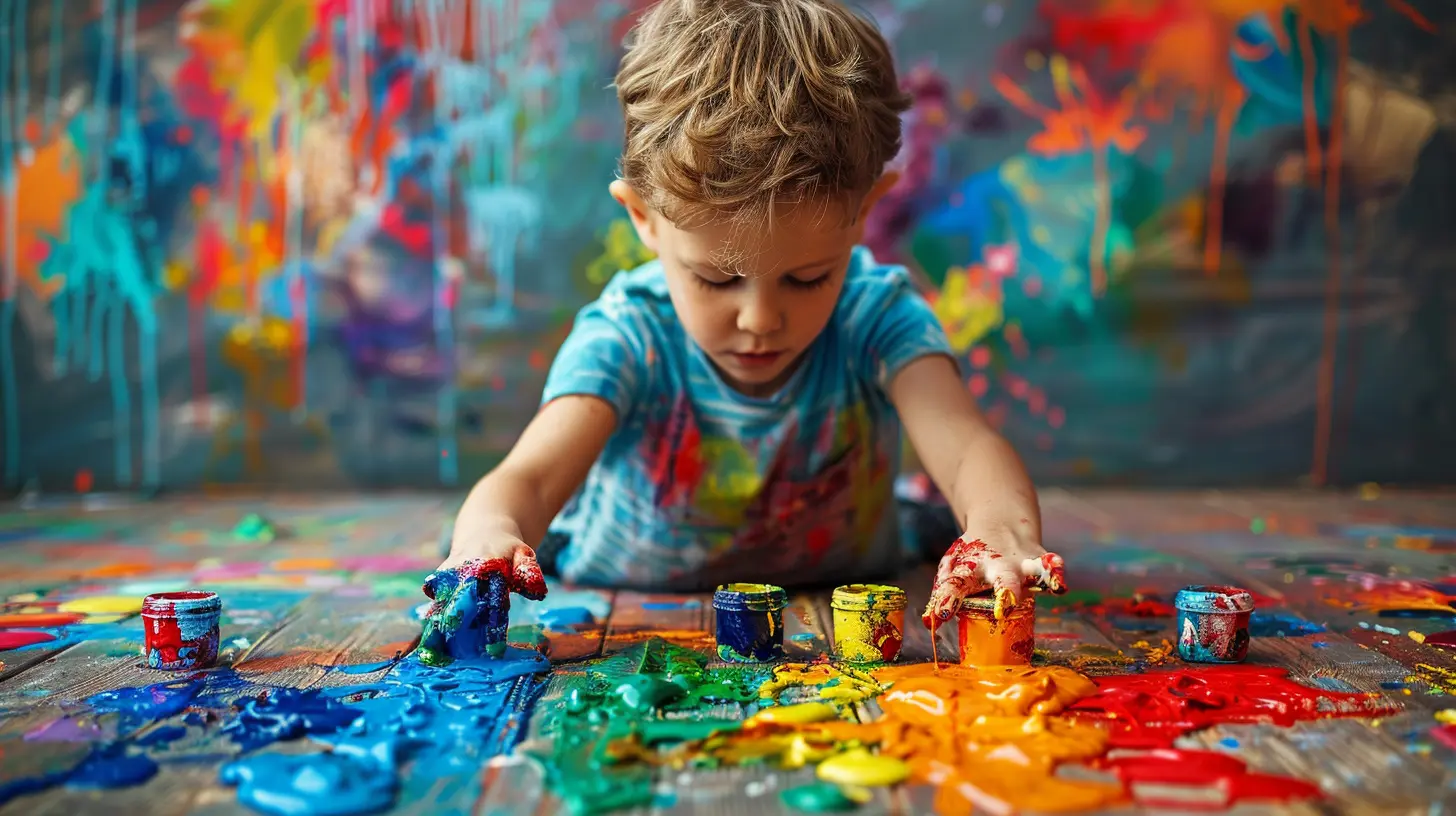
Let’s face it—life loves throwing curveballs. And when it does, thinking outside the box can make all the difference. That’s where art comes in.Artists don’t follow a strict formula. They experiment, take risks, mess up, and try again. Art education encourages students to think creatively, which translates into better problem-solving skills in real life. After all, if you can turn a weird paint smudge into a masterpiece, navigating daily challenges suddenly seems a lot easier.
Patience & Perseverance: The Unsung Heroes
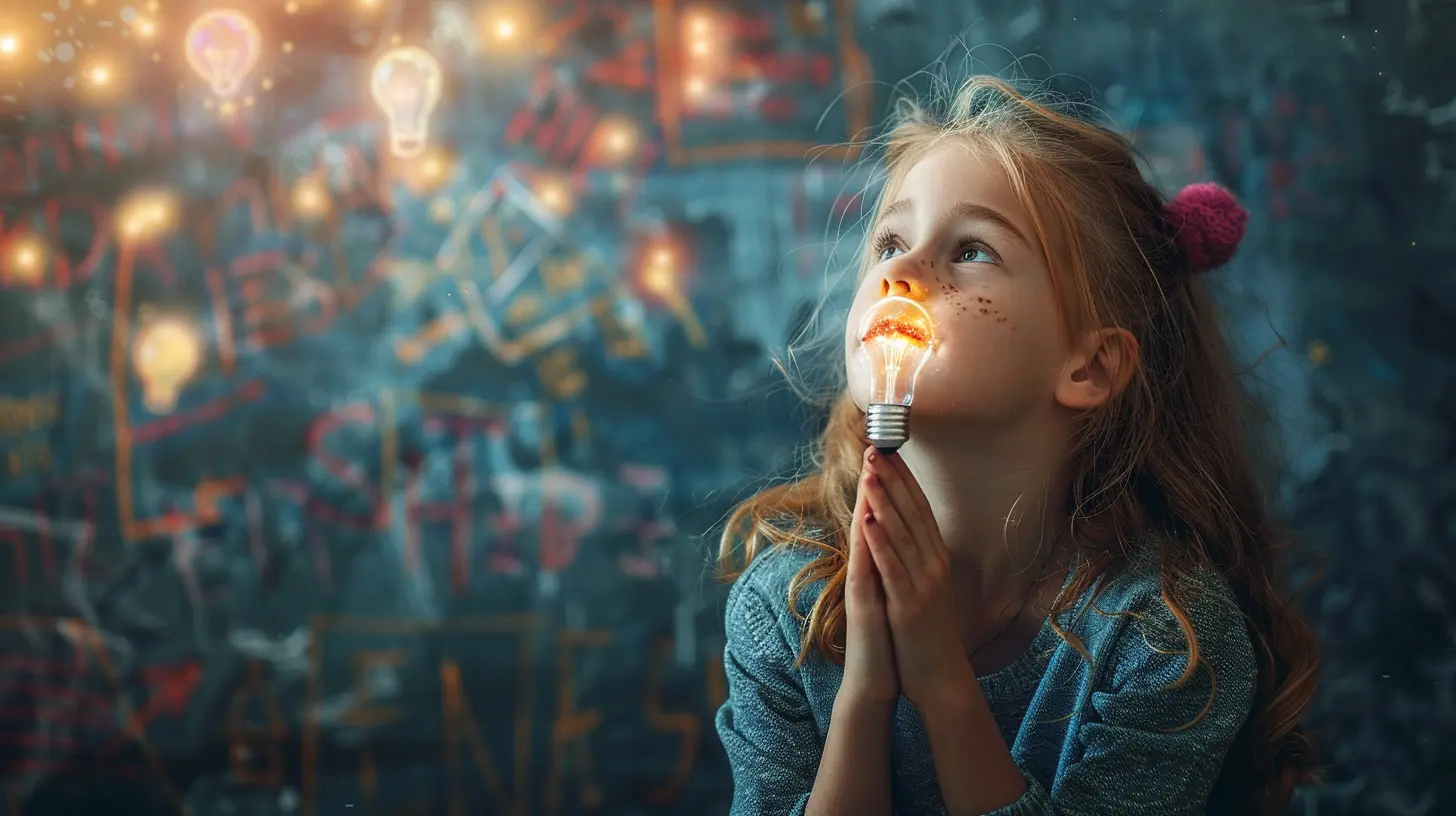
Ever tried drawing a perfect circle freehand? Spoiler alert: It’s frustrating. But that’s the beauty of art—it teaches patience. Mistakes happen, but instead of freaking out, art students learn to adapt.The ability to stick with a problem instead of throwing in the towel is a huge skill in any profession. Whether you're an engineer, a doctor, or someone just trying to assemble IKEA furniture without losing your mind, persistence is key.
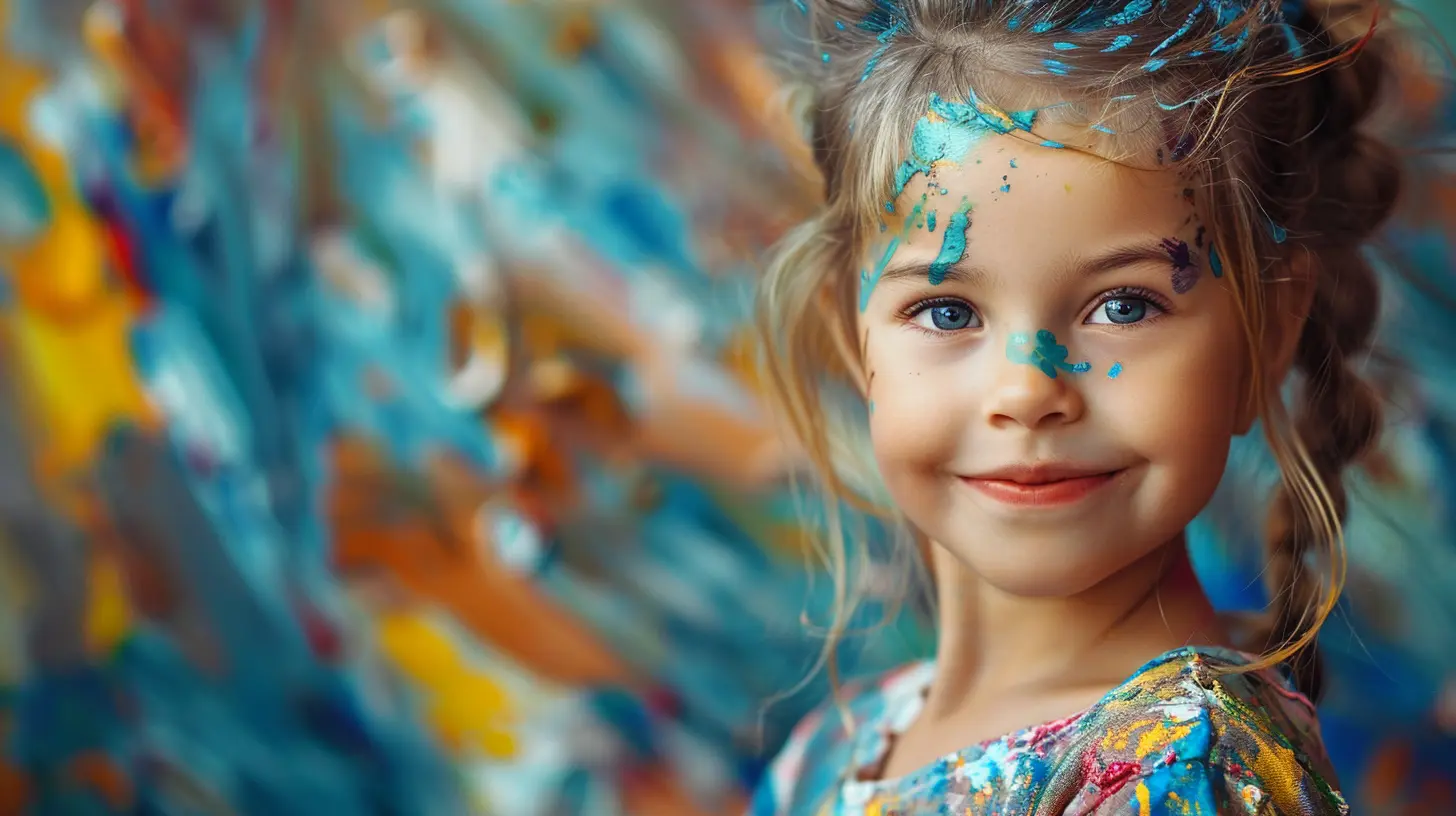
Observation Skills Get a Major Upgrade
Artists see details that most people overlook. That cloud? It’s not just "blue"—it’s cerulean with hints of lavender. This heightened awareness isn’t just useful for painting landscapes; it also helps in analyzing situations, spotting patterns, and finding solutions.Say you’re a detective (or just binge-watch a lot of crime shows). Being able to notice subtle details can make or break a case. Art teaches you to really see things, which is a game-changer in problem-solving.

Embracing Failure Like a Boss
One thing art students learn pretty quickly? Failure is part of the process. You don’t cry over a terrible sketch—you tweak it, adjust it, and try again.This mindset is invaluable in real life. Instead of seeing failure as a stop sign, artists see it as a detour. Whether you're launching a startup, writing an essay, or just trying to cook without burning something, learning from mistakes is how you improve.
Boosting Critical Thinking—One Brushstroke at a Time
Art isn’t just about splashing paint on a canvas. It involves analyzing, planning, and making decisions. Should this color be darker? Does the composition feel balanced? These are critical-thinking skills in action.Now, imagine applying that same mindset to everyday problems. Need to budget your finances? Plan a project? Find the best route to avoid traffic? Critical thinking—thank you, art education—helps in all of these situations.
Collaboration: Because Teamwork Makes the Dream Work
Think art is a solo endeavor? Not always. Many artistic projects require collaboration. Whether it’s a group mural, a theater production, or a design team working on a project, artists learn to work with others, share ideas, and compromise.Now, think about your workplace (or even family gatherings). Being able to communicate, share perspectives, and problem-solve as a group? That’s a skill that art education fine-tunes beautifully.
Art as Emotional Intelligence Training
Problem-solving isn’t always about logic. Emotions play a significant role too, and guess what? Art is packed with emotional intelligence lessons.Understanding emotions in artwork translates to understanding emotions in people. It helps with empathy, communication, and handling tricky social situations. Whether you're defusing an argument or simply trying to figure out what your moody friend actually means when they say, “I’m fine,” emotional intelligence is a game-changer.
Innovation: Turning the Ordinary into Extraordinary
Think about some of the world’s greatest innovations. Many of them started with a bit of creativity. From the design of the iPhone to groundbreaking medical advancements, creative problem-solving is at the heart of innovation.Art education nurtures this kind of thinking. It helps students break away from rigid ways of doing things and encourages them to ask, “What if?”—which is, frankly, where all the best ideas start.
Final Thoughts
So, the next time someone says art is just a "hobby," remind them that it’s basically a gym for your brain. Art education transforms the way we think, making us more creative, patient, observant, and resilient. And in a world full of problems (big and small), those skills are priceless.So keep painting, drawing, or doodling on the margins of your notebook—it’s not just art; it’s brain training in disguise.
all images in this post were generated using AI tools
Category:
Art EducationAuthor:

Olivia Chapman
Discussion
rate this article
2 comments
Flora McGrady
This article beautifully highlights the vital connection between art education and problem-solving skills. It's inspiring to see how creativity fosters critical thinking and innovative solutions in students. Thank you!
December 24, 2025 at 5:21 AM
Olivia Chapman
Thank you for your kind words! I'm glad you found the connection between art education and problem-solving so inspiring.
Linnea Rosales
Art education fosters creativity and critical thinking, equipping students with unique problem-solving skills. Through exploration and expression, learners develop the ability to approach challenges from multiple perspectives, ultimately enhancing their analytical capabilities and adaptability in various situations.
December 18, 2025 at 12:33 PM
Olivia Chapman
Thank you for your insightful comment! I completely agree—art education indeed nurtures creativity and critical thinking, empowering students to tackle challenges with innovative solutions and diverse perspectives.