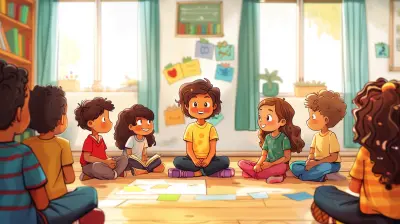
How Collaborative Problem-Solving Can Increase Student Engagement
27 February 2026
Ask any teacher what their dream classroom looks like, and chances are their answer involves smiling students actively working together, eyes lit up, chatting excitedly about solving a tricky challenge. Sound like a fairytale? It doesn’t have to be.
Welcome to the world of collaborative problem-solving — a simple but powerful approach that’s shaking up classrooms and supercharging student engagement.
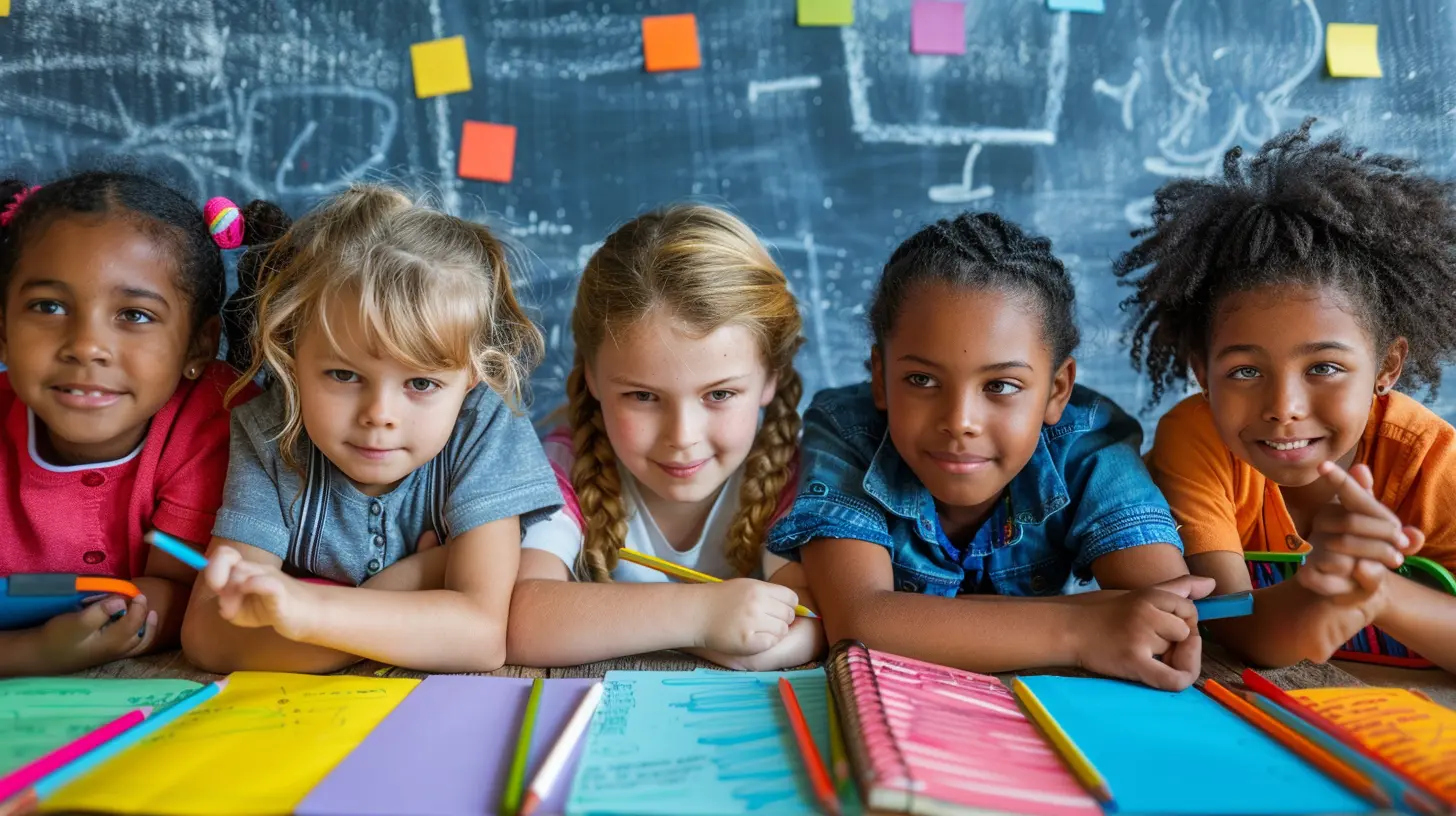
So, What Is Collaborative Problem-Solving Anyway?
Let’s break it down. Collaborative problem-solving (or CPS if you’re feeling fancy) is when students team up to tackle problems together. Think group projects with a purpose. It’s not just about dividing tasks and hoping for the best. CPS is about shared thinking, brainstorming wild ideas, analyzing possibilities, making decisions as a team, and learning from each other’s perspectives.Imagine being stuck in an escape room with your friends. You have to pool your brainpower, communicate clearly, and come up with creative solutions before time runs out. That’s CPS in action — minus the panic and countdown timer.

Why Should We Care About Student Engagement?
Let’s face it: if students are doodling in their notebooks or mentally checking out, learning’s not happening. Student engagement is a key ingredient in successful education. It means they’re paying attention, asking questions, participating in discussions, and most importantly — they actually care about what they’re learning.Now here's the kicker — collaborative problem-solving doesn’t just make learning more fun. It supercharges engagement because it taps into two things students naturally crave: connection and purpose.

The Magic Sauce: How CPS Boosts Student Engagement
Alright, let’s dig into the good stuff. How exactly does collaborative problem-solving turn the dial up on engagement?1. It Makes Learning Social and Fun
Humans are hardwired to connect. Students aren’t any different. They thrive when they're allowed to interact, bounce ideas around, and work toward a common goal. CPS transforms the classroom from a quiet, individual-focused space into a social hub buzzing with energy.Instead of passively listening to a teacher explain how photosynthesis works, imagine students huddled together, building a model plant system to demonstrate it. Way more appealing, right?
2. Ownership = Investment
When students collaborate, they feel like equals in the process. They’re not just doing a worksheet because the teacher said so — they’re co-creators of the learning experience.Ever heard a student say, “I actually feel proud of this project”? That’s ownership. When students feel like their ideas matter, they're more likely to invest time, energy, and creativity.
3. Builds Real-World Skills (That Students Actually Care About)
Let’s be honest. Some students just don’t see how diagramming sentences will help them in life. But problem-solving with others? That’s gold. We use those skills every day — in jobs, relationships, and life’s unexpected curveballs.Collaborative problem-solving teaches:
- Active listening
- Teamwork
- Conflict resolution
- Brainstorming and innovation
- Decision-making under pressure
These are the skills employers look for, and students know it. Knowing that what they’re learning has real-world value instantly amps up engagement.
4. Variety Breaks the Monotony
Routine kills engagement. And let’s face it, traditional lectures can feel like déjà vu day after day. CPS mixes things up in the best way.Whether it’s role-playing a courtroom to explore a historical event or solving a math puzzle scavenger hunt, collaborative problem-solving offers endless creative twists that keep students guessing — and involved.
5. Every Student Gets a Voice
Say goodbye to the same three students answering every question. Collaborative settings invite everyone in. Some students shine in group discussions even if they’re quiet during lectures.Plus, there’s power in peer-to-peer learning. Students often explain tricky concepts to each other in ways that just... click. Collaboration helps level the playing field, giving every student a chance to contribute and feel valued.

Real-Life Examples That Rock
Want to visualize how this works in action? Here are a few real-school scenarios:The Great Geometry Bridge Challenge
Students are divided into teams and given spaghetti, tape, and marshmallows. Their mission? Build the strongest bridge using geometric principles. Add a little friendly competition and you’ve got a classroom full of engineers-in-training debating angles and weight distribution like it’s the Olympics.Reading Detectives
In a literature class, students become “detectives” trying to solve the mystery behind a character’s motive in a novel. They must gather clues from the text, build a case, and present their theories to the class. Suddenly, analyzing literature becomes an engaging investigation full of “aha!” moments.The Eco-Warriors Project
Science students work in groups to identify an environmental issue in their community. They research the problem, brainstorm solutions, and present their action plan to local leaders. It’s authentic, it matters, and yes — it’s incredibly engaging.Tips to Make CPS Work Like a Charm in Your Classroom
Alright, teachers — ready to jump in? Here are some practical tips to get the most out of collaborative problem-solving:1. Set Clear Goals and Roles
A group without structure is just organized chaos. Define the problem clearly and assign roles (like leader, note-taker, decoder, or presenter) to keep things on track and balanced.2. Create Safe Spaces for Sharing
No one wants to be shut down or laughed at for thinking differently. Foster an environment where every idea is heard, mistakes are okay, and growth minds thrive.3. Mix Up the Groups
Rotate groups often to help students learn how to work with different personalities. It prepares them for real-life teamwork and exposes them to fresh perspectives.4. Reflect, Reflect, Reflect
After solving a problem, ask students to reflect: What worked well? What didn’t? What would you do differently next time? Reflection deepens learning and encourages self-awareness.5. Use Real-World Problems
Engagement skyrockets when students work on problems that feel relevant. From planning a school garden to designing a budget for a field trip, authentic challenges inspire deeper involvement.
But… What About the Challenges?
Hey, no strategy is perfect. Collaborative problem-solving isn't without its bumps in the road. Here are a few hurdles — and how to hurdle them.Some Students May Struggle with Group Work
Yep, not everyone loves group projects. Try pairing extroverts with introverts or providing sentence starters and roles so everyone has a way to participate comfortably.Assessment Can Be Tricky
Evaluating group work fairly can be a challenge. Use rubrics that assess both the group’s outcome and each individual’s contribution. You can even weave in self- and peer-assessments!Time-Management Can Get Wacky
Group discussions can spiral off-topic faster than a middle school lunch table convo. Use timers and check-in points to keep everyone on course without killing the collaborative vibe.Why It’s Worth It: The Long-Game Benefits
Sure, CPS takes a little more planning. But the payoff? Huge.You're not just engaging students for one lesson — you're helping them develop life skills, build relationships, and see learning as meaningful. When students collaborate to crack a tough problem, they don’t just remember the answer — they remember how they got there. That’s the kind of learning that sticks.
Wrapping It All Up (With a Smile)
Collaborative problem-solving isn't a magic fix — but it’s darn close. It brings joy, purpose, and connection into classrooms, and it transforms passive learners into engaged participants in their own education.If your classroom could use a little more excitement, laughter, “Wait, I’ve got an idea!” moments, and deeper engagement — give collaborative problem-solving a try.
After all, learning is better together.
all images in this post were generated using AI tools
Category:
Student MotivationAuthor:

Olivia Chapman
Discussion
rate this article
2 comments
Zoey McAnally
Thank you for this insightful article! I truly appreciate the emphasis on collaborative problem-solving as a tool for enhancing student engagement. It’s inspiring to see how fostering teamwork can not only boost motivation but also develop essential skills for future challenges. Looking forward to implementing these strategies!
March 14, 2026 at 4:04 AM
Olivia Chapman
Thank you for your kind words! I'm glad you found the article helpful and inspiring. Best of luck with implementing the strategies!
Lucas Morgan
This article effectively highlights the power of collaborative problem-solving in fostering student engagement, emphasizing the importance of teamwork and active participation in enhancing learning outcomes.
February 27, 2026 at 1:29 PM
Olivia Chapman
Thank you for your insights! I'm glad you found the emphasis on teamwork and participation valuable. Collaboration truly makes a difference in student engagement.