How Cultural Awareness Shapes Global Citizenship
25 February 2026
In today's interconnected world, cultural awareness isn't just a soft skill—it's an essential quality for becoming a true global citizen. But what does it actually mean to be a global citizen? And how does cultural awareness shape our journey toward embracing the world with open arms?
Let’s dive in and explore how understanding different cultures can break barriers, build bridges, and make the world feel a little smaller and a lot more connected.
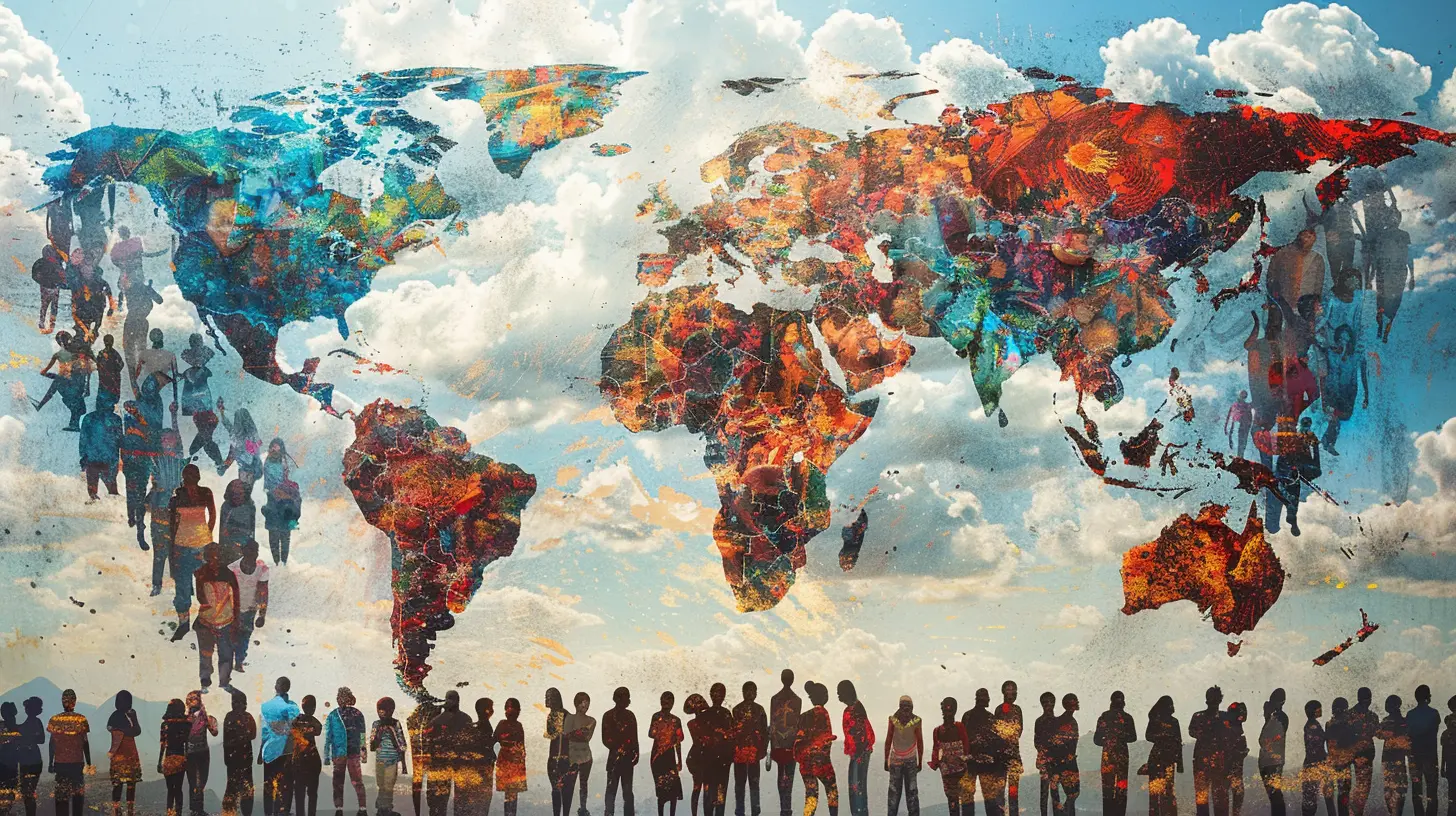
What is Cultural Awareness?
Cultural awareness is the ability to recognize, understand, and appreciate different cultural perspectives, customs, and values. It goes beyond simply knowing about different traditions—it's about genuinely respecting diverse ways of life.Imagine traveling to a country where people greet each other with bows instead of handshakes. If you didn’t know this beforehand, you might feel out of place or even accidentally offend someone. But when you're culturally aware, you adapt with ease, avoiding misunderstandings and fostering mutual respect.
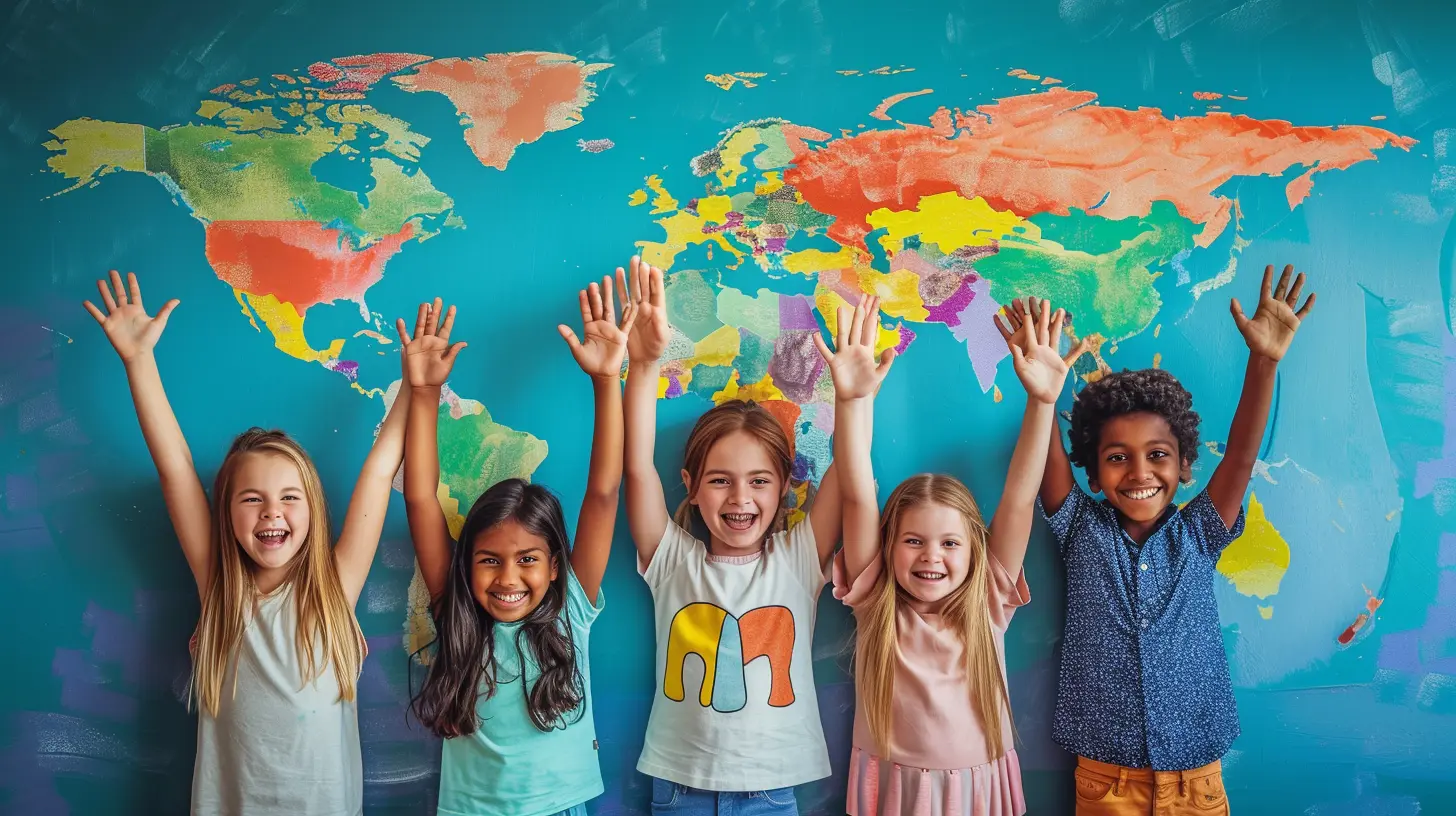
Why Cultural Awareness Matters
Ever heard the saying, “The world is a book, and those who do not travel read only one page”? While not everyone has the privilege to travel, cultural awareness allows us to experience the world through different perspectives—without even leaving our hometowns.Here’s why it matters:
- Encourages respect and empathy – The more we understand others, the more compassionate and accepting we become.
- Reduces stereotypes and biases – Exposure to other cultures helps dismantle misconceptions and promotes open-mindedness.
- Enhances communication – Knowing cultural norms prevents miscommunication and fosters smoother interactions.
- Prepares for global opportunities – Whether in business, education, or social settings, cultural awareness is an asset for success in our increasingly globalized world.
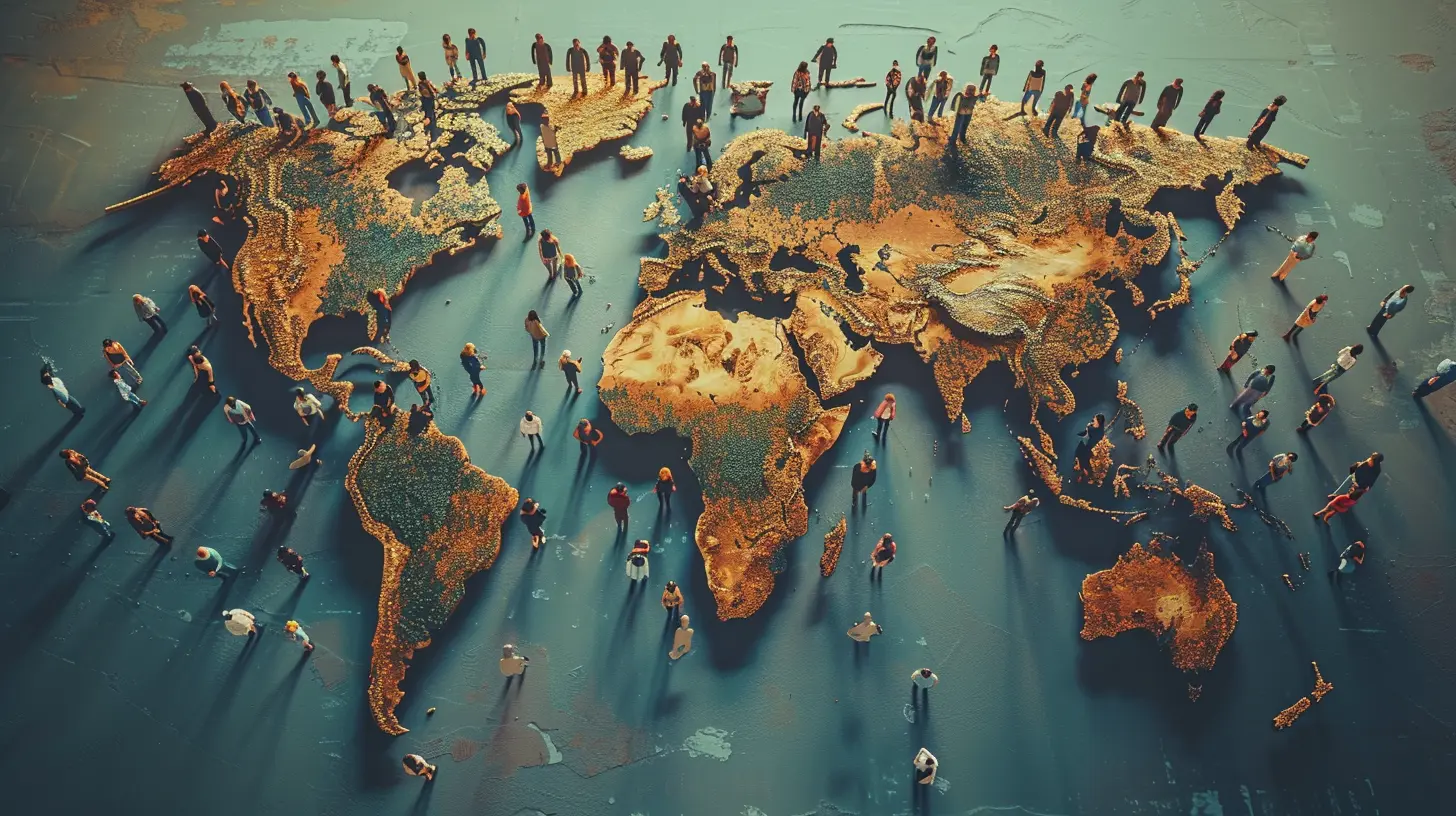
The Role of Cultural Awareness in Global Citizenship
Being a global citizen isn't about holding multiple passports—it’s about having a mindset that embraces diversity, inclusion, and shared responsibility. Here’s how cultural awareness plays a crucial role:1. Fostering Cross-Cultural Understanding
Global citizenship thrives on mutual understanding. When people from different backgrounds engage with each other with openness and curiosity, they build meaningful relationships.Think of it like learning a new language. The more effort you put into understanding another culture, the more fluent you become in empathy and appreciation.
2. Breaking Down Cultural Barriers
Misunderstandings often stem from a lack of awareness. Many conflicts—whether personal, social, or even international—arise from cultural misinterpretations. But when we educate ourselves about different customs and traditions, we eliminate unnecessary tension and cultivate harmony.For example, what’s considered polite in one culture might be rude in another. In some countries, making direct eye contact is a sign of confidence, while in others, it can be perceived as disrespectful. Awareness of these nuances prevents awkward encounters and strengthens relationships.
3. Encouraging Global Responsibility
A true global citizen understands that their actions impact the world. Cultural awareness fosters a sense of responsibility toward global issues like climate change, human rights, and social justice.When we step into someone else’s shoes and see the world from their perspective, we become more invested in making positive changes—whether that means supporting ethical businesses, advocating for marginalized communities, or simply being mindful of our daily choices.
4. Expanding Career and Educational Opportunities
In today’s job market, companies look for employees who can work well in diverse environments. Whether you’re studying abroad, working for an international company, or collaborating with people from different backgrounds, cultural competency gives you an edge.Universities and employers value individuals who can navigate cultural differences with ease. So, developing cultural awareness isn’t just good for personal growth—it’s a career booster, too!
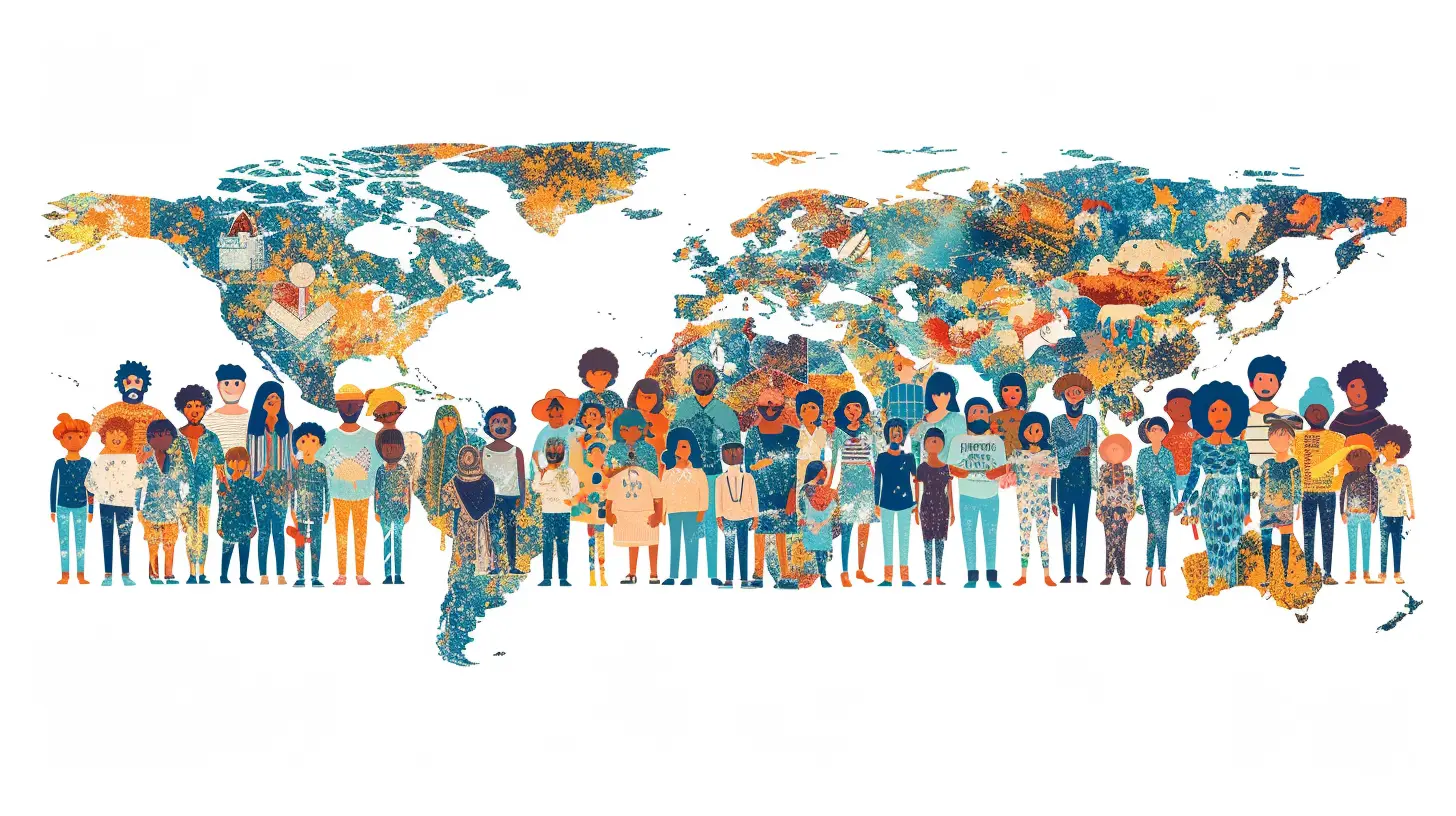
Ways to Develop Cultural Awareness
So, how can you become more culturally aware? It’s easier than you think! Here are some practical ways:1. Travel (If You Can)
Nothing beats firsthand experience. Traveling to different countries exposes you to a variety of customs, traditions, and ways of life. But remember, it’s not about sightseeing—it’s about immersing yourself in the culture.2. Engage in Cross-Cultural Conversations
Even if traveling isn’t an option, start meaningful conversations with people from different backgrounds. Ask about their traditions, values, or even what holidays they celebrate. Genuine curiosity fosters connection.3. Read Books and Watch Films from Different Cultures
Books, movies, and documentaries are windows into different cultures. Watching an international film or reading a novel from another country can give you insight into how different societies think and feel.4. Try New Foods
Food is an essential part of culture. Trying dishes from around the world isn’t just a tasty adventure—it’s a way to appreciate the history and traditions behind each meal.5. Learn a New Language
Language and culture go hand in hand. Even learning basic phrases in another language can open doors to deeper cultural insights and connections.6. Stay Open-Minded
The most important step? Keep an open mind. Be willing to challenge your own beliefs and step outside your comfort zone. Cultural awareness isn’t about agreeing with everything—it’s about understanding and respecting differences.Cultural Awareness: The Heart of a Connected World
In the end, cultural awareness is more than just knowledge—it’s an attitude, a way of seeing the world with curiosity and compassion. It shapes global citizenship by encouraging us to embrace diversity, break down barriers, and take responsibility for the world we share.By making an effort to understand and appreciate different cultures, we take small but meaningful steps toward a more connected and harmonious world. And who wouldn’t want to be a part of that?
all images in this post were generated using AI tools
Category:
Cultural AwarenessAuthor:

Olivia Chapman
Discussion
rate this article
2 comments
Ariella King
Great insights! Embracing cultural awareness truly enhances our understanding and connection as global citizens.
March 11, 2026 at 3:39 AM
Olivia Chapman
Thank you! I'm glad you found the insights valuable. Embracing cultural awareness is indeed key to fostering connections in our diverse world.
Dash McSweeney
Great insights! Cultural awareness truly enriches our understanding and connection as global citizens.
March 1, 2026 at 4:12 AM
Olivia Chapman
Thank you! I'm glad you found the insights valuable. Cultural awareness is indeed essential for fostering meaningful connections across the globe.