How Globalization Impacts Cultural Awareness in Education
7 March 2026
Globalization – a word that brings to mind images of interconnected economies, vast technological advances, and, of course, a melting pot of cultures. But have you ever stopped to think about how this complex phenomenon impacts education? More specifically, how it influences cultural awareness in classrooms across the world? Well, buckle in, because today we’re diving deep into how globalization is reshaping cultural understanding in the field of education and why it's more important now than ever.
What is Globalization?
Let’s start by getting on the same page. Globalization refers to the process by which businesses, technologies, ideas, and cultures spread around the globe, connecting people and nations like never before. It’s like the world is getting smaller – not physically, but in the sense that distant cultures and societies are now just a click, flight, or video call away.In education, globalization has led to the exchange of knowledge, ideas, and even educational practices across borders. But this isn’t a one-way street; it’s a give-and-take that can drastically alter how we perceive and engage with different cultures.
The Role of Education in a Globalized World
Education is more than just textbooks and exams. It’s about fostering understanding and preparing students for the world they’ll inherit. And in today’s interconnected world, a major part of that preparation involves understanding different cultures.Globalization has made it so that students are not just learning about their own country's history or traditions but are exposed to a diverse range of cultures, languages, and worldviews. The classroom, once a homogenous space, has now become a vibrant, multicultural learning environment.
But here’s the kicker: Just having exposure to different cultures isn’t enough. It’s crucial for educators to help students develop cultural awareness – the ability to recognize and respect the beliefs, customs, and traditions of others. That’s where globalization comes into play in shaping the educational experience.
The Impact on Cultural Awareness
So, how exactly does globalization influence cultural awareness in education? Let’s break it down.
1. Exposure to Diverse Perspectives
One of the most obvious ways globalization impacts education is through exposure to diverse perspectives. Thanks to globalization, students and educators alike have access to a wealth of information from all corners of the earth. This means that students are no longer confined to learning from a singular, often Western-centric, perspective. They are encouraged to explore different viewpoints, traditions, and histories from all over the globe.For example, a history class might not just focus on European or American history, but also incorporate lessons from African, Asian, or Indigenous cultures. This broadens students’ horizons and allows them to appreciate the richness and diversity of human history.
Moreover, classroom materials (like textbooks and digital content) increasingly reflect global perspectives. In the past, many educational materials were heavily biased towards Western narratives, but today’s resources are more inclusive, offering a balanced view of world history, literature, and art.
2. Multicultural Classrooms
Walk into any classroom in a globalized city, and you'll likely find students who come from different cultural backgrounds. This multicultural environment is one of the most tangible impacts of globalization on education.In multicultural classrooms, students are not just learning from their teachers but also from one another. They are exposed to different languages, customs, and traditions daily. This diversity fosters cultural awareness by encouraging students to ask questions, share their own experiences, and celebrate the differences that make each culture unique.
It’s like being in a live, interactive version of a world map. Instead of just reading about a place, students can hear firsthand accounts from their peers who may have lived in or visited those countries.
3. Curriculum Design and Global Themes
Another way globalization impacts cultural awareness in education is through curriculum design. Many schools and universities are now incorporating global themes into their curricula. Whether it’s through courses on world religions, international relations, or global economics, students are being taught in a way that emphasizes the interconnectedness of the world.This shift in curriculum helps students understand that their actions – whether environmental, social, or economic – have global consequences. It’s no longer enough to think locally; students are encouraged to think globally. This awareness fosters empathy and respect for other cultures, as students begin to see the ripple effects of their choices on the world stage.
4. Language Learning
Language is a powerful tool for understanding culture. With globalization, students are increasingly being encouraged to learn multiple languages. Whether it’s through formal education or online platforms like Duolingo, language learning has become more accessible than ever before.But here’s the thing: learning a language isn’t just about memorizing vocabulary or grammar rules. It’s about understanding the cultural context in which that language is spoken. For instance, learning French also introduces students to French literature, traditions, and historical events that shaped the French-speaking world.
By learning another language, students gain a deeper understanding of the culture it represents, which in turn fosters cultural awareness. They begin to appreciate the nuances of communication, the importance of non-verbal cues, and the rich history embedded in everyday conversation.
5. Technology as a Cultural Bridge
Thanks to technology, the world is at our fingertips – literally. With just a smartphone or computer, students can connect with their peers across the globe in real-time. Whether it’s through video calls, social media, or collaborative projects, technology has made it easier than ever for students to engage with different cultures.But it’s not just about connecting with others. Technology also allows students to access educational resources from different countries. They can take virtual tours of museums, watch documentaries about far-off places, or even enroll in online courses from universities abroad.
Through these digital experiences, students can immerse themselves in different cultures without ever leaving their homes. This kind of exposure is invaluable when it comes to building cultural awareness, as it allows students to experience the world from multiple perspectives.
6. Challenges in Building Cultural Awareness
Of course, while globalization has numerous benefits, it’s not without its challenges. One of the biggest hurdles in promoting cultural awareness in education is the risk of cultural homogenization. As the world becomes more interconnected, there’s a danger that dominant cultures (often Western ones) will overshadow smaller, more vulnerable cultures.In some cases, globalization can lead to the erosion of local languages, traditions, and customs. This is particularly concerning in education, where there’s a fine line between celebrating cultural diversity and imposing a one-size-fits-all approach.
Another challenge is the potential for misrepresentation or stereotyping. Just because students are exposed to different cultures doesn’t mean they’ll automatically understand or respect them. It’s up to educators to provide accurate, nuanced portrayals of different cultures and to challenge any preconceived notions or biases that students may have.
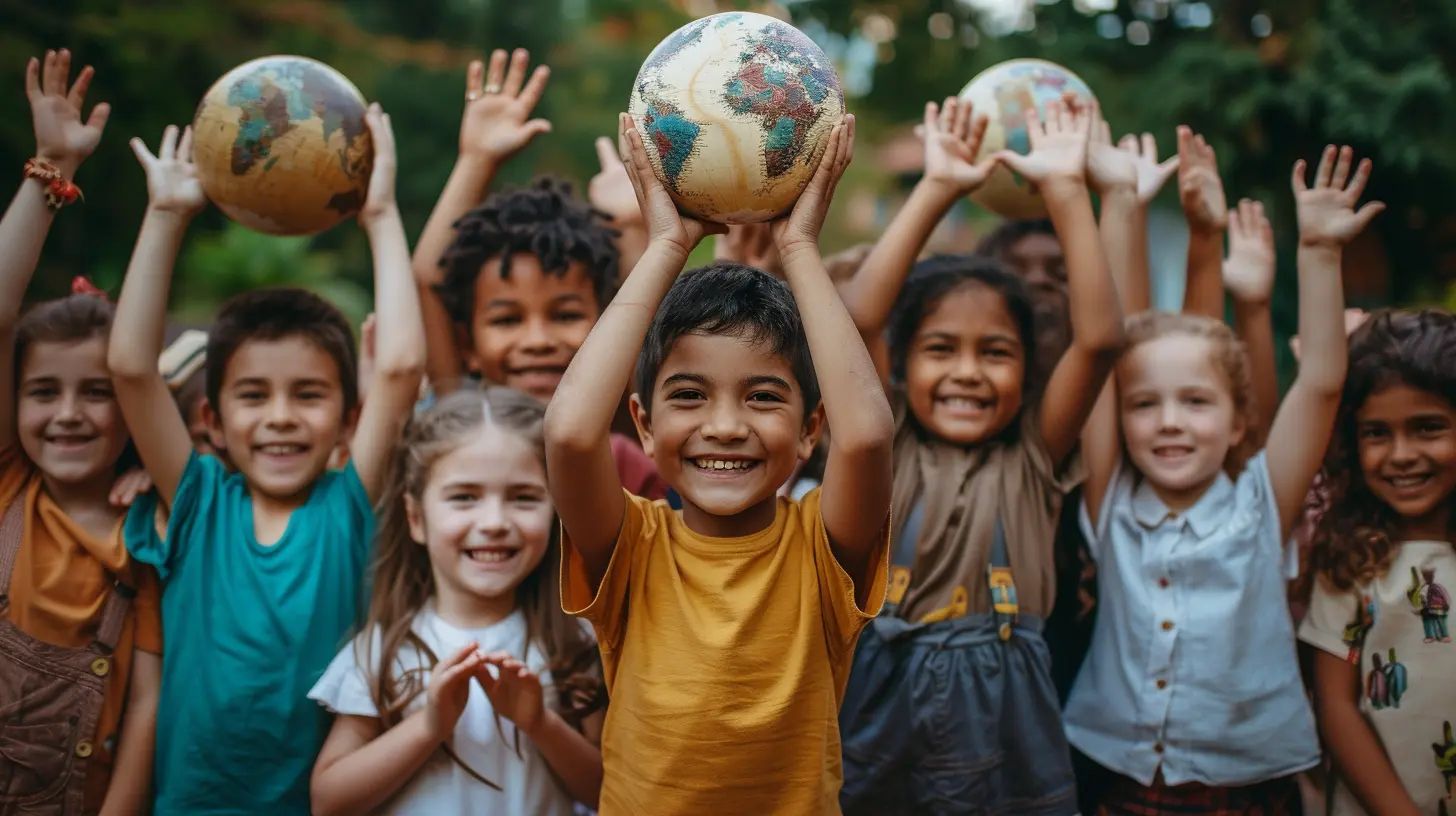
The Importance of Cultural Awareness in Education
So, why does cultural awareness matter so much in education? Well, in a globalized world, cultural awareness is no longer a “nice-to-have” – it’s a necessity. Students who develop cultural awareness are better equipped to navigate the complexities of the modern world. They’re more empathetic, more open-minded, and better prepared to work in diverse environments.Cultural awareness also helps to foster a sense of global citizenship. Students who understand and appreciate different cultures are more likely to become responsible, compassionate members of the global community. They’re more likely to advocate for social justice, environmental sustainability, and human rights on a global scale.
And let’s not forget the practical benefits. In today’s job market, employers are increasingly looking for candidates who can work effectively in diverse teams. Cultural awareness is a valuable skill that can set students apart and open up opportunities for international careers.
How Educators Can Promote Cultural Awareness
Now that we’ve explored the impact of globalization on cultural awareness, let’s talk about how educators can promote this vital skill in the classroom.1. Encourage Open Dialogue
One of the best ways to promote cultural awareness is by encouraging open, respectful dialogue. Create a classroom environment where students feel comfortable sharing their experiences, asking questions, and discussing cultural differences. This can help break down stereotypes and foster mutual understanding.2. Incorporate Diverse Materials
When designing lessons, make sure to incorporate materials from a variety of cultural perspectives. Whether it’s literature, history, or art, exposing students to diverse voices can help broaden their understanding of the world.3. Celebrate Cultural Diversity
Take time to celebrate cultural diversity in the classroom. This could be through cultural festivals, guest speakers, or projects that encourage students to explore different cultures. Celebrating diversity helps students see the value in different traditions and customs.4. Leverage Technology
As mentioned earlier, technology is a powerful tool for promoting cultural awareness. Use online resources, virtual exchanges, and digital platforms to give students opportunities to engage with different cultures.
Conclusion
Globalization is changing the face of education in profound ways. It’s breaking down barriers, connecting people across borders, and fostering a greater understanding of the world’s rich cultural diversity. But with these changes comes a responsibility to promote cultural awareness in the classroom. By embracing diversity, encouraging open dialogue, and leveraging the power of technology, educators can help students navigate the complexities of a globalized world – and become compassionate, informed global citizens in the process.all images in this post were generated using AI tools
Category:
Cultural AwarenessAuthor:

Olivia Chapman
Discussion
rate this article
2 comments
Pierce Wolfe
Globalization enriches education, yet may dilute local cultural identities.
March 15, 2026 at 7:46 PM
Olivia Chapman
Thank you for your insightful comment! Indeed, while globalization enhances educational opportunities and cultural exchange, it is crucial to balance this with efforts to preserve and promote local identities.
Siena Porter
Great insights! Globalization truly enriches cultural understanding in education.
March 8, 2026 at 1:33 PM
Olivia Chapman
Thank you! I'm glad you found the insights valuable. Globalization indeed plays a crucial role in fostering cultural awareness in education.