How to Address Cultural Misunderstandings in Classrooms
18 February 2026
Let’s be honest: the classroom can sometimes feel like a big ol' melting pot that occasionally boils over. Students come from all walks of life, bringing with them a delightful stew of traditions, values, and — yes — sometimes a dash of confusion. That’s the beauty of diversity: it’s colorful, flavorful, and occasionally a little spicy. But sometimes, cultural misunderstandings rear their awkward heads. So, how do we navigate those moments without making it feel like a tense United Nations meeting?
Grab your coffee (or tea, or smoothie — we don’t judge), and let’s unravel this together.
What Exactly Are Cultural Misunderstandings?
Let's start at square one. Cultural misunderstandings happen when someone interprets behavior, language, or gestures through the lens of their own cultural background — and gets it totally wrong. It's like trying to play Uno with Monopoly rules. Confusion is inevitable.In classrooms — which are often as diverse as an international food court — these misunderstandings can pop up over:
- Communication styles
- Body language
- Classroom etiquette
- Gender roles
- Personal space
- Humor
- Participation expectations
- Even eye contact (yup, in some cultures it's respectful, in others it’s just plain rude)
And when they happen? Cue the awkward silence, the side-eyes, or worse — students withdrawing altogether.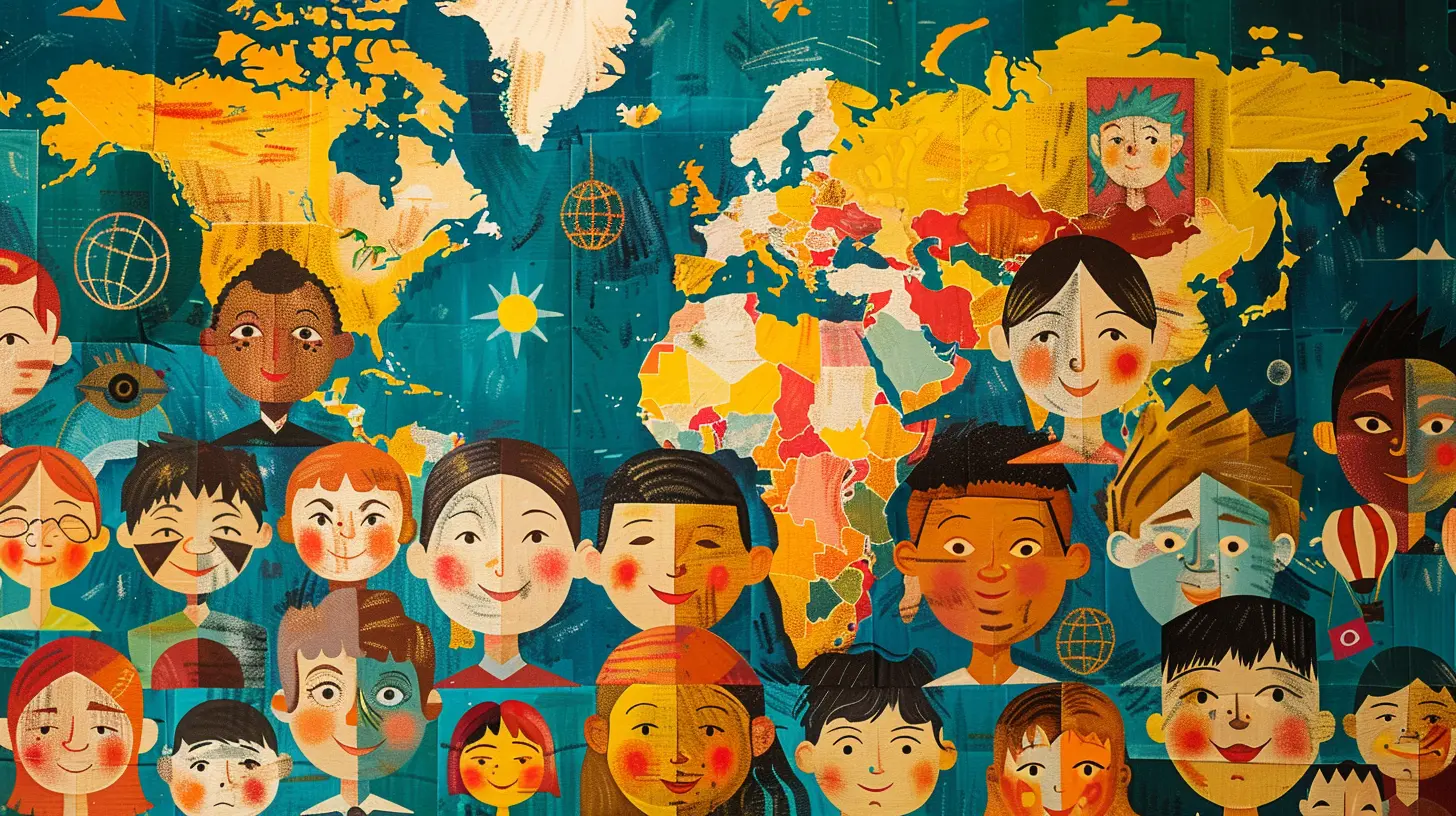
Why It Actually Matters (Like, A Lot)
You might think, “Okay, so someone misunderstood something — big deal. It’ll pass.” But here’s the thing: cultural misunderstandings can affect a student’s sense of belonging, participation, and overall academic success.Imagine being in a class where no one laughs at your jokes, and people think you're being rude when you’re just being friendly. That’s not exactly a winning formula for learning.
So yes, addressing these hiccups isn’t just about being “politically correct” — it’s about creating a space where every student can thrive, not just survive.
Step 1: Check Your Own Cultural Luggage First
Before you start unpacking others’ cultural biases, take a peek into your own suitcase. We all carry cultural assumptions, and that’s perfectly normal. What's not okay is letting them go unchecked.Ask yourself:
- Do I treat all students the same, or do I have different expectations based on their background?
- Am I quick to label a student’s behavior as disrespectful without understanding its cultural context?
- Do I value one communication style (like being outspoken) over another (like being reserved)?
Being honest with ourselves is the first step toward building authentic, inclusive classrooms.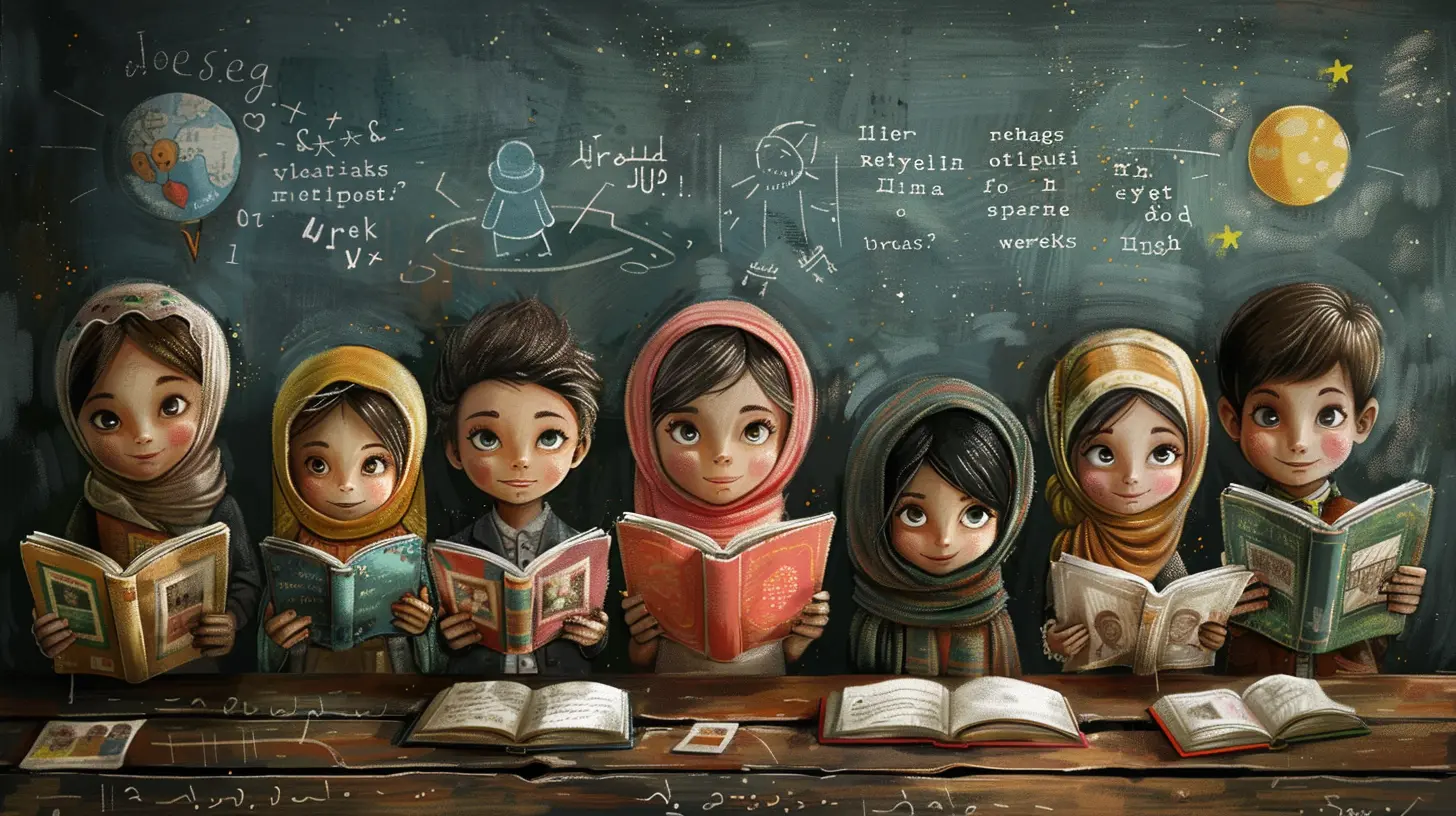
Step 2: Build a Culture of Curiosity
Let’s flip the script here. Instead of treating cultural differences as potholes we want to avoid, why not treat them as learning opportunities?Encourage students to:
- Share their cultural traditions, holidays, or beliefs as part of class discussions
- Talk about how education works in their home countries
- Teach others how to pronounce their names right (Yes, even if it’s got more syllables than you’re used to — you’ve got this!)
Normalize asking respectful questions. It’s like turning the classroom into a mini World Expo — ideas, traditions, and experiences from around the globe.
And hey, when students teach each other? That’s powerful. That sticks.
Step 3: Set Ground Rules That Aren’t Culturally Biased
Let’s get real: sometimes the so-called “class rules” are just “my culture’s rules” dressed up in academic robes. What makes a classroom “respectful,” “on time,” or “engaged” can vary wildly between cultures.Instead of assuming, set up these norms together with your students. Maybe even have a conversation about what respect looks like around the world. You’ll be surprised.
Suddenly, what was once "weird" becomes "wow, that's different — and cool."
Pro tip? Use visuals, translations, or role-playing when discussing rules. Not everyone processes abstract expectations through verbal lectures.
Step 4: Nip Misunderstandings in the Bud (Nicely)
Okay, picture this: Two students get into a debate, and one accuses the other of being “aggressive.” Meanwhile, the other student's just expressing passion — in their culture, that's how they show they care.What now?
The answer is: Don't ignore it. Don't scold. And definitely don’t pick sides.
Here’s your move:
1. Pause the convo.
2. Reframe what's happening without assigning blame.
3. Bring both perspectives into the light.
Try something like:
> “I think we’re having a case of 'lost in translation' here. Let’s take a moment to unpack what just happened and why it might have felt different to each of you.”
Misunderstandings are teachable moments, not punishable offenses.
Step 5: Use Examples and Stories (Because Everyone Loves a Good Story)
Cultural concepts can feel super abstract. If you stand up and say, “In Japan, students bow to show respect,” half the class might nod blankly.But if you tell a story about a student who bowed to their teacher and got weird looks in an American classroom — now you’ve got a hook.
Stories humanize. They create empathy. They help us walk in someone else’s shoes, even if those shoes are traditional clogs.
Even better? Invite students to share their own stories. Create an assignment out of it. Boom — you're teaching empathy and hitting curriculum goals. #MultitaskingWin
Step 6: Bring In Food (Seriously)
Want to break barriers faster than you can say “cross-cultural communication”?Host an international snack day. Or a culture fair. Food is the ultimate ice-breaker. It's hard to stay aloof when you're trying to figure out how to eat something with chopsticks or learning the magic of a samosa.
Don’t underestimate the power of shared meals. They’re the universal language of connection.
(Just be mindful of dietary restrictions — we don’t want misunderstandings to extend to allergies!)
Step 7: Diversify What’s On the Curriculum Menu
If your reading list only includes authors from one cultural background, guess what? You’re unintentionally making some students feel invisible.Mix it up.
- Include global perspectives.
- Use stories, case studies, and examples that represent various cultures.
- Highlight contributions from underrepresented communities.
This isn’t just good for the students from those cultures — it’s good for everyone. It broadens minds, builds empathy, and makes the classroom richer.
Think of it like upgrading from basic cable to international streaming. So many more options. Way more interesting.
Step 8: Use Humor (But Carefully!)
Humor is a double-edged sword. It can lighten the mood, defuse tension, and make students feel at ease. But it can also backfire faster than a dad joke on TikTok.Stay away from jokes that rely on stereotypes or cultural clichés. Instead, poke fun at universal student experiences (like forgetting homework, the eternal struggle with morning classes, or cafeteria mysteries).
When in doubt, follow this golden rule: Laugh with your students, not at them.
Step 9: Teach Students How to Apologize and Move On
Nobody’s perfect. You’re going to mess up. Your students are going to mess up. And that’s okay.But what’s even more important than avoiding mistakes? Knowing how to own them.
Teach your students how to say:
- “I’m sorry, I didn’t know that was offensive.”
- “Thank you for correcting me.”
- “I’ll do better next time.”
These are powerful phrases. They keep relationships intact. They build resilience. And they signal that learning is happening — not just textbook learning, but the real-world kind.
Step 10: Keep Growing — Get That Cultural Safety Net Ready
Cultural awareness isn’t a one-and-done lesson, like memorizing multiplication tables. It’s a journey. An ever-evolving process.So keep checking in. Reflect with your students at the end of each term:
- What did we learn about each other?
- What helped us feel more connected?
- What can we do differently next time?
Use the answers to keep adapting. Because when you build a culturally safe classroom, you’re not just teaching content — you’re building community.
And that, friends, is the real magic of education.
Wrapping It All Up — With a Big Cultural Bow 🎁
Addressing cultural misunderstandings in the classroom isn’t about having all the answers. It’s about being curious, open, and human. It’s about saying, “Hey, I may not understand everything about your background — but I want to.”Every classroom is like a tiny world. And when we treat it with care, curiosity, and a dash of humor, we’re not just educating students. We’re shaping global citizens.
So go ahead — make your classroom a place where differences are celebrated, not silenced. You'll be surprised how much easier learning becomes when everyone feels at home.
all images in this post were generated using AI tools
Category:
Cultural AwarenessAuthor:

Olivia Chapman
Discussion
rate this article
2 comments
Selena McNeely
Great article! Your insights on addressing cultural misunderstandings in classrooms are invaluable. Fostering an inclusive environment is essential for student growth and understanding. Keep up the fantastic work!
March 1, 2026 at 4:12 AM
Olivia Chapman
Thank you so much for your kind words! I'm glad you found the insights valuable. Fostering inclusivity is indeed vital for student success.
Elijah Lawrence
Embracing diverse perspectives fosters understanding and enriches our classrooms! Let’s celebrate cultural connections!
February 18, 2026 at 5:18 AM
Olivia Chapman
Absolutely! Embracing diverse perspectives not only enhances understanding but also creates a more inclusive and enriching learning environment for all students.