How to Build a Classroom Community That Promotes Motivation
9 June 2026
Creating a strong classroom community isn’t just a “nice to have”—it’s a must if you genuinely want your students to feel motivated, engaged, and ready to learn. Think of it like planting a garden. Without fertile soil (your classroom environment), even the best seeds (your students) can't grow to their full potential. So, how do we build that nurturing space where kids feel safe, supported, and driven to give their best?
In this article, we’ll break down how educators like you can cultivate a classroom culture that fuels motivation, encourages student participation, and makes learning both meaningful and enjoyable.
Why Classroom Community Matters
Let’s be real: students aren't just sitting in your classroom to absorb facts for a test. They’re humans first—emotional, curious, and social beings. When they feel like they belong, they actually want to show up, speak up, and take risks. A strong classroom community meets their emotional needs, which in turn, amplifies their academic performance.And here’s the kicker: kids remember how you made them feel more than what you taught them. So, if they feel celebrated, safe, and seen, motivation will naturally follow.
The Link Between Community and Motivation
There's a direct line between classroom environment and student motivation. Think of motivation as a fire—it needs oxygen (security), kindling (relevance), and a spark (encouragement) to burn bright. A connected classroom provides all three.Students are more likely to:
- Take academic risks
- Participate in discussions
- Help one another
- Stay focused and persistent
In contrast, a disjointed or toxic environment? It smothers the fire before it even lights.
Step 1: Set the Tone Early On
Start From Day One
First impressions matter, right? The energy you bring, the rules you put in place, and the expectations you lay out all contribute to the community vibe. Take the time in those first few weeks to intentionally build a sense of belonging.Try this:
- Learn students’ names fast (and pronounce them correctly!)
- Use icebreaker activities that allow everyone to share
- Have conversations—not just lectures
Create Shared Norms and Values
Instead of handing students a list of dos and don’ts, build classroom norms together. Ask them:- What kind of environment helps you thrive?
- How do we want to treat each other here?
Letting students help shape the classroom rules gives them ownership. They’re more likely to follow guidelines they helped create.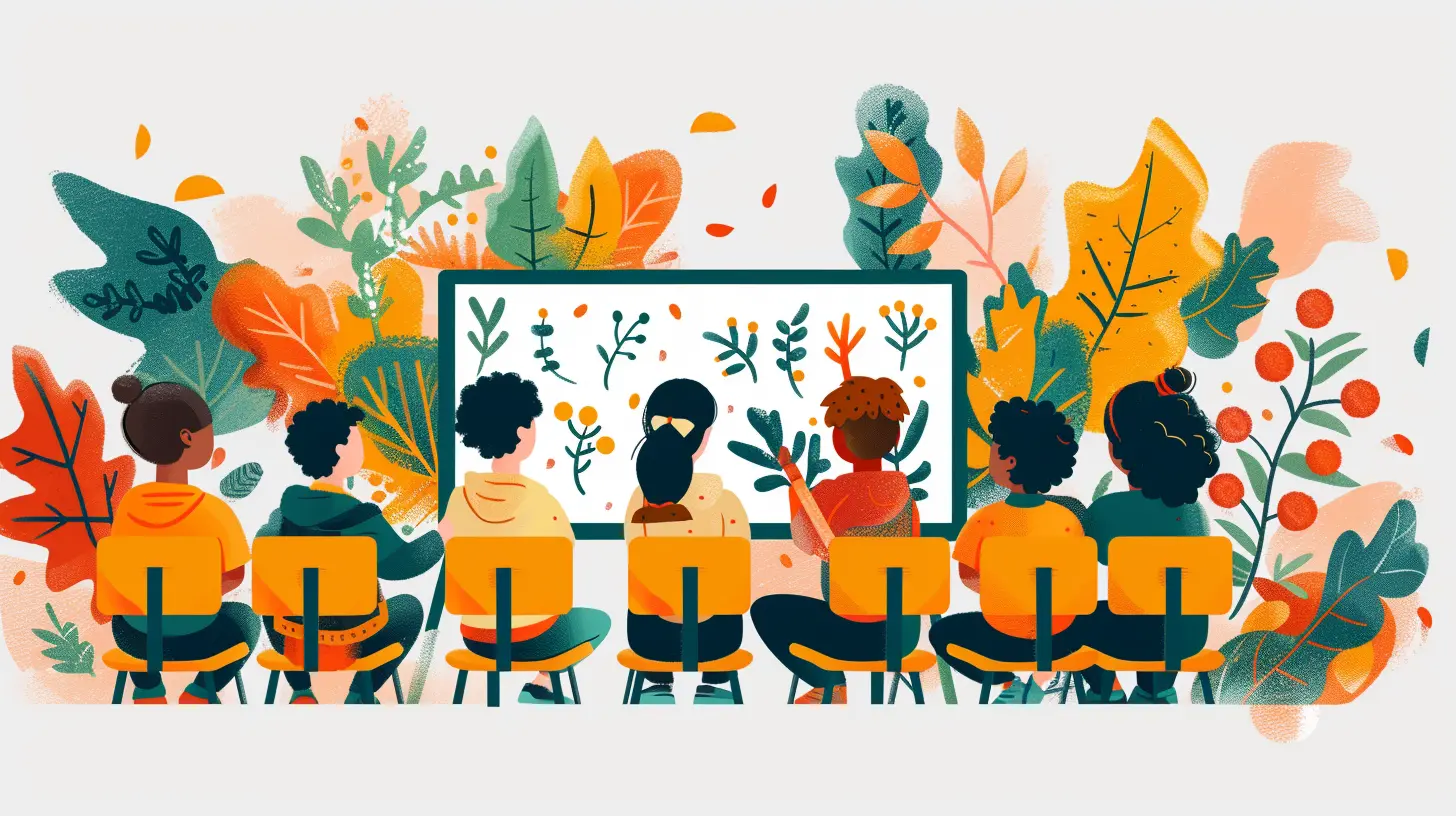
Step 2: Foster Meaningful Relationships
Know Your Students Deeply
You can't motivate someone you don’t understand. Take time to get to know their interests, fears, strengths, and even what frustrates them. Whether it’s chatting during lunch or incorporating student surveys, these insights help you connect on a personal level.Simple gestures like remembering it’s their sibling's birthday or asking how their soccer game went can go a long way.
Promote Peer Connections
Relationships aren't just about teacher-student dynamics. You need to cultivate healthy student-to-student relationships as well:- Use collaborative learning strategies
- Rotate groupings so students work with different peers
- Introduce classroom jobs that require cooperation
Think of your classroom like a sports team. Everyone brings something different to the field, and no one wins alone.
Step 3: Prioritize Emotional Safety
Build a Judgment-Free Zone
We all hate the feeling of being judged, especially when we’re trying something new. If students feel like mistakes will get them laughed at or criticized, their motivation takes a nosedive.What helps?
- Encourage questions, even the “silly” ones
- Celebrate effort as much as outcomes
- React to wrong answers with curiosity, not criticism
Teach and Model Empathy
Kids mimic what they see. When you show grace, patience, and understanding, they adopt those behaviors too. Use real-life scenarios and literature to spark conversations about feelings, mistakes, and resilience.Step 4: Integrate Student Voice and Choice
Make Room for Student Opinions
If students feel like their voice matters, they’ll care more. Let them give feedback on lessons, bring up topics they’re curious about, or even co-create a project rubric.You could ask:
- “What’s something you’d like to learn more about?”
- “How do you think we could improve this group activity?”
Offer Choices in Learning
Everyone appreciates a little autonomy. Whenever possible, let students choose:- How to present what they’ve learned (poster, video, essay, etc.)
- Which assignment they want to tackle first
- Their reading list from a curated selection
Offering options tells students, “I trust you,” and trust is a powerful motivator.
Step 5: Set Clear Goals and Celebrate Progress
Create a Sense of Purpose
Students need to know why they’re doing what they’re doing. Connect assignments to real-world situations and personal goals:- “This math strategy helps architects plan buildings.”
- “Strong writing can help you land your dream job.”
Purpose fuels persistence. If the work feels meaningful, students are more likely to stay engaged.
Recognize Growth—Not Just Achievement
Motivation thrives when students see they’re making progress. Highlight growth, no matter how small:- “You used to struggle with this, and now look at you!”
- “You showed real perseverance today.”
Set up visible systems of progress, like goal charts or personal learning journals. And yes, celebrate along the way!
Step 6: Encourage Collaboration Over Competition
Shift the Focus From “Me” to “We”
Healthy competition can be fun, but an overly competitive environment can crush motivation for less confident learners. Instead, emphasize teamwork and collective success.Try this:
- Group projects with shared goals
- Class games where students have to help each other succeed
- Peer tutoring systems
When students cheer each other on, the entire classroom wins.
Step 7: Create Routine and Predictability
Structure Builds Trust
When students know what to expect, they feel safe. A predictable schedule, consistent policies, and clear procedures reduce anxiety and help students focus on learning.Still, don't mistake routine for boring. You can spice things up with:
- Themed days
- Surprise challenges
- Guest speakers
The key is consistency with a dose of excitement.
Step 8: Keep Learning Relevant and Fun
Connect Curriculum to Student Lives
Relevancy is a game-changer. Whenever you can, tie learning back to what’s happening in students' worlds:- Use pop culture in writing prompts
- Link science lessons to climate change or health
- Discuss current events in social studies
If students can see the “why,” they’ll be more willing to tackle the “how.”
Make Room for Creativity
Let’s be honest—learning doesn’t have to be dull. Games, skits, music, and art-based projects all add layers of fun that increase motivation. Don’t be afraid to try innovative strategies that veer off the beaten path.Step 9: Be Transparent and Reflective
Share Your Own Learning Journey
Students will respond better when they see you as a real person—not just the authority at the front of the room. Talk about your own learning challenges, your excitement for the subject, even your mistakes.This vulnerability builds trust and shows students that learning is a lifelong process.
Involve Students in Reflecting
Regularly stop and reflect together:- “What went well this week?”
- “Is there a better way we could tackle assignments?”
- “What changes would make group work smoother?”
This feedback loop helps you fine-tune the classroom environment and empowers students to take ownership of their learning experience.
Final Thoughts
Building a classroom community isn’t a one-and-done deal. It’s more like tending a fire—it needs constant attention, new fuel, and sometimes a little fanning when the flames die down.But here’s the thing: when students feel like they’re part of something bigger than themselves—when they know they’re respected, heard, and supported—they’ll bring effort, energy, and excitement to the table.
And that kind of motivation? That’s where the magic happens.
all images in this post were generated using AI tools
Category:
Student MotivationAuthor:

Olivia Chapman
Discussion
rate this article
1 comments
Rachel McGillivray
Creating a supportive classroom community is vital for student motivation. When students feel valued and connected, their enthusiasm for learning flourishes. Let's prioritize empathy and understanding to nurture a thriving educational environment.
June 11, 2026 at 11:54 AM
Olivia Chapman
Absolutely! A supportive environment really makes a difference in student engagement and success. Let's keep fostering that connection.