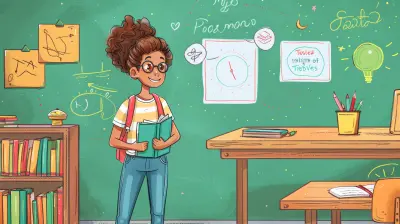
How to Motivate Students With Different Learning Styles
6 June 2026
Every student is unique, bringing their own strengths, challenges, and ways of processing information to the classroom. Some learn best by reading and writing, while others need visual aids or hands-on experience to truly grasp concepts. As educators, parents, or mentors, it's crucial to understand these different learning styles and adapt our strategies to keep students engaged and motivated.
So, how do we inspire students with diverse learning needs? Let’s dive into some powerful techniques to boost motivation and make learning an exciting and rewarding experience. 
Understanding Learning Styles
Before we can motivate students, we must first understand the different ways they absorb and retain information. Educational experts often categorize learning styles into four main types:1. Visual Learners – These students learn best through images, charts, and diagrams.
2. Auditory Learners – They thrive on spoken words, discussions, and verbal instructions.
3. Kinesthetic Learners – Hands-on activities and movement-based learning work best for them.
4. Reading/Writing Learners – These students prefer written words, note-taking, and reading-intensive tasks.
Each student may have a dominant learning style, but many benefit from a combination of techniques. By catering to these styles, we can create a more inclusive and motivational learning environment. 
Motivating Visual Learners
Visual learners absorb information through images, infographics, and graphical representations. If you're dealing with students who love color-coded notes or diagrams, here’s how to keep them engaged:Use Visual Aids
Incorporate charts, graphs, and infographics into lessons. If you're teaching history, for example, a timeline with images can make historical events more tangible.Incorporate Videos and Animations
Educational videos can bring concepts to life. Platforms like YouTube and TED-Ed offer great resources that align with different subjects.Encourage Mind Mapping
Instead of traditional notes, encourage students to create mind maps. These visual representations help break down information into digestible chunks, making retention easier.Color-Code Information
Using different colors for highlighting important points can help visual learners recognize patterns and retain key details.By integrating these strategies, you make education more engaging for students who rely heavily on their sight to process information. 
Motivating Auditory Learners
Auditory learners excel when information is presented through sound. Lectures, discussions, and even music can have a significant impact on their learning.Encourage Class Discussions
Instead of relying solely on written assignments, create opportunities for group discussions. Debates, Q&A sessions, and storytelling help auditory learners process information effectively.Use Podcasts and Audiobooks
Many students struggle with long reading assignments. Offering an audiobook or a podcast version of the material can make learning more accessible and enjoyable.Turn Lessons Into Songs or Rhymes
Ever wondered why we still remember childhood jingles? Music is a powerful memory tool! Creating catchy songs or rhymes related to the lesson can be a fun way to reinforce knowledge.Read Aloud
Encourage students to read their notes out loud or participate in “read-along” activities. This reinforces auditory learning and helps with retention.By using these auditory-friendly strategies, we cater to students who thrive on spoken words and sound-based learning. 
Motivating Kinesthetic Learners
Kinesthetic learners learn best when they can move, touch, and interact with their environment. Sitting still for long lectures? Not their thing. Here's how to fuel their motivation:Incorporate Hands-On Activities
Instead of passively listening to a lecture on science, let students conduct experiments. Learning by doing is their secret weapon!Encourage Role-Playing and Simulations
History lessons can come alive when students act out historical events. Math can be more engaging through real-world problem-solving activities.Allow Movement in Learning
Mini walking breaks, standing desks, or even letting students pace while studying can boost engagement. Movement often helps these learners stay focused.Engage in Gamified Learning
Games that involve movement—like scavenger hunts or interactive quizzes—can be powerful motivators for kinesthetic learners.By embracing active learning strategies, we help these students stay engaged and excited about education.
Motivating Reading/Writing Learners
Some students absorb information best through reading and writing tasks. They thrive on books, structured notes, and well-organized written content.Encourage Journaling and Note-Taking
Let students keep a journal where they summarize lessons in their own words. Writing things down helps reinforce learning.Provide Written Instructions
These learners appreciate detailed instructions over verbal explanations. A well-organized handout can do wonders for their understanding.Assign Research Projects
Give students the chance to research topics and present their findings in essays or reports. This keeps them engaged while improving critical thinking skills.Use Creative Writing Exercises
Whether it's writing a fictional story about a historical event or summarizing a science experiment creatively, writing-based activities keep these learners motivated.By appealing to their love of words, we make learning more enjoyable for reading/writing learners.
Encouraging a Growth Mindset
Regardless of learning style, motivation thrives in an environment that supports a growth mindset—the belief that abilities can be developed through dedication and effort. Here's how to foster this mindset in all students:Praise Effort, Not Just Intelligence
Instead of saying “You're so smart,” try “You worked really hard on this!” Teaching students that progress comes from effort helps them stay motivated even when subjects get tough.Set Small, Achievable Goals
Breaking down large tasks into smaller milestones makes progress feel more attainable. Celebrating these mini-victories boosts motivation.Teach the Power of "Yet"
Encourage students to say, “I don’t understand this yet” rather than “I can’t do this.” The word “yet” instills confidence and a willingness to keep trying.Promote Self-Reflection
Encouraging students to reflect on their strengths, challenges, and learning styles helps them take ownership of their education.A growth mindset turns challenges into opportunities, keeping students motivated no matter their preferred way of learning.
Final Thoughts
Motivating students with different learning styles isn't about a one-size-fits-all approach; it's about flexibility, creativity, and understanding what makes each student tick. Whether a child learns best through visuals, sounds, movement, or text, small adjustments in teaching methods can make a world of difference.By creating a learning environment that values diversity in cognition, we not only inspire students but also set them up for lifelong success. After all, when education is tailored to individual needs, the journey becomes just as exciting as the destination.
all images in this post were generated using AI tools
Category:
Student MotivationAuthor:

Olivia Chapman
Discussion
rate this article
1 comments
Heidi McQuillen
If only there were a magic spell to make every student eager to learn! Until then, let's embrace our inner chameleons and mix up our teaching styles. Variety is the spice of education... and the secret ingredient for motivation!
June 10, 2026 at 2:47 AM
Olivia Chapman
Absolutely! Adapting our approaches keeps things fresh and engaging. Let's keep exploring what sparks curiosity in each student.