How to Nurture Critical Thinking in Ethical Decision-Making
22 July 2026
Let’s face it—making decisions is a daily part of life. Some are simple (what should I eat for lunch?), while others carry much more weight (should I speak up about something that feels wrong?). The latter is where ethical decision-making comes in, and guess what? It’s not always black and white. That’s why nurturing critical thinking is so important—it helps us cut through the noise, question our assumptions, and come to decisions that not only make logical sense but also feel morally right.
In this article, we’re diving into how to grow that mental muscle called critical thinking to make better ethical decisions. Whether you're a student, a professional, or someone who just wants to do the right thing, this guide will walk you through the why, the how, and the what-now of critical thinking in ethics.
What Is Critical Thinking Anyway?
Before we can nurture it, we’ve got to understand it.Critical thinking is like being your own mental detective. It’s the ability to objectively analyze information, spot inconsistencies, evaluate arguments, and come to a reasoned conclusion. Sounds simple, right? But in the real world, emotions, biases, and peer pressure can cloud our judgment.
When it comes to ethical decision-making—the process of choosing actions that are morally sound—critical thinking helps us pause, reflect, and weigh the consequences from all angles. Basically, it keeps us grounded when our emotions or outside influences try to take the wheel.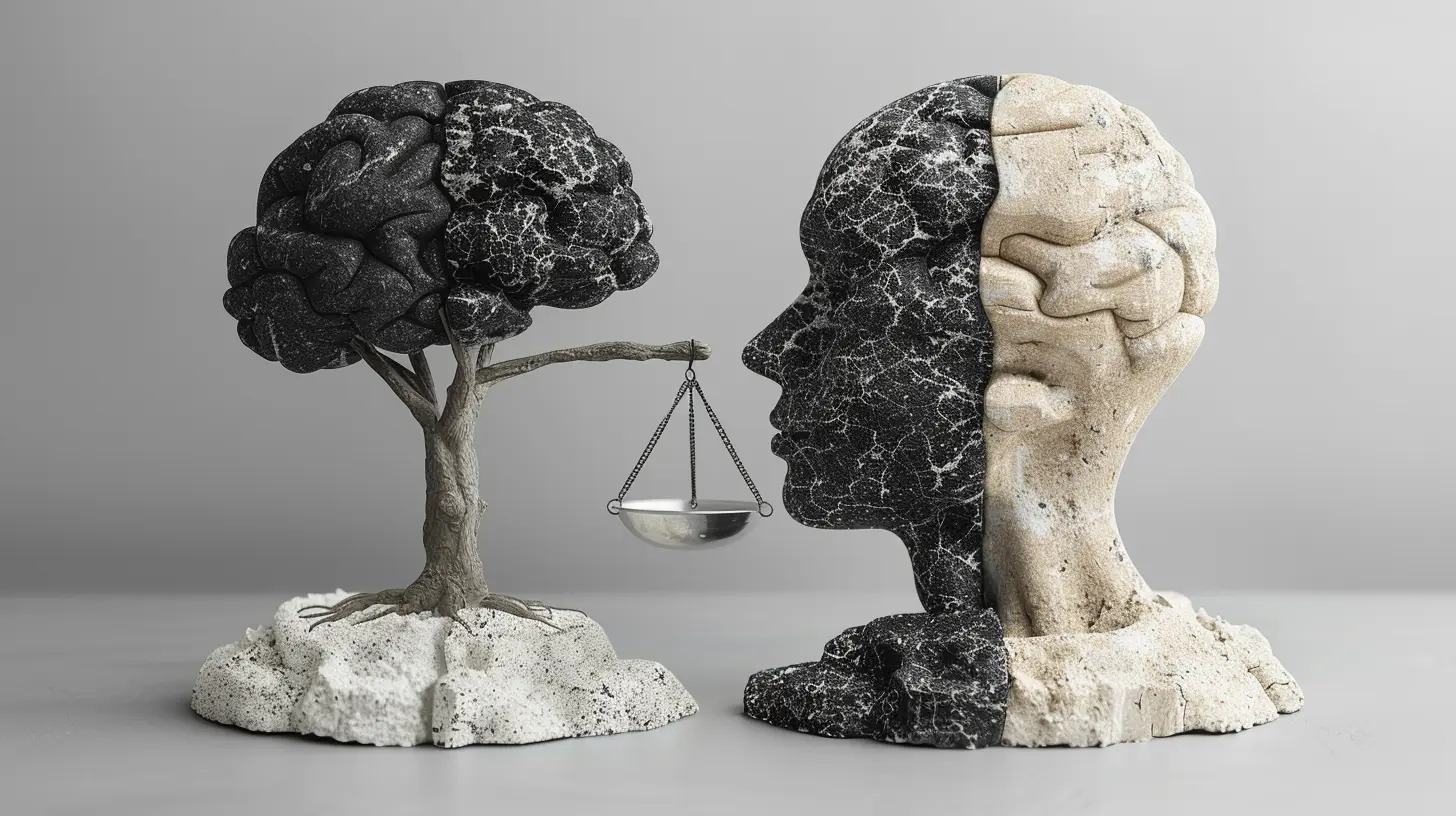
Why Ethical Decisions Matter More Than Ever
Let’s be real: We’re living in a world with more gray areas than ever before. From social media ethics to climate responsibility to navigating cultural differences, the moral landscape is complex.And whether you’re working in healthcare, education, business, or just navigating relationships, ethical choices pop up more often than you’d expect. That’s where critical thinking saves the day—it helps you move from gut reactions to thoughtful responses.
Think of it as your personal compass in a world full of messy maps.
The Link Between Critical Thinking and Ethics
Here’s the thing: Ethical decision-making without critical thinking is like driving blindfolded. You might get lucky, but chances are, you’re going to crash.Critical thinking involves:
- Questioning assumptions: Is this the only way to see the situation?
- Evaluating evidence: What facts support or challenge this choice?
- Considering perspectives: How would others be affected?
- Predicting consequences: What might happen long-term?
These are all skills that feed directly into ethical reasoning. It’s not just about knowing what’s “right,” but understanding why something is right—and being prepared to explain or defend that decision thoughtfully.
Barriers to Critical Thinking in Ethical Decisions
Let’s not sugarcoat it—critical thinking is hard work. And there are plenty of roadblocks that get in the way:1. Emotional Bias
Sometimes, our feelings can cloud our thoughts. Ever try to make a good decision while you’re angry or scared? Yeah, not ideal.2. Peer Pressure and Conformity
We’re social creatures, and it’s natural to want to fit in. But sometimes, doing “what everyone else is doing” isn’t the ethical path.3. Cognitive Dissonance
That mental discomfort you feel when your actions don’t align with your values? It can mess with your reasoning until you justify behavior that deep down, you don’t believe is right.4. Information Overload
In our digital age, we’re constantly bombarded with data. Sorting the signal from the noise? That’s a skill, and without it, your decisions suffer.Recognizing these barriers is the first step to overcoming them.
How to Nurture Critical Thinking in Ethical Decision-Making
Ready to flex those mental muscles? Great! Here are some practical, straightforward ways to build your critical thinking abilities, especially when it comes to ethical decisions.1. Ask “Why?” Five Times
This simple trick—often used in problem-solving—helps you drill down to the root of a dilemma. By asking “why” repeatedly, you peel back the layers of a situation and understand the causes behind behaviors or decisions.It’s like playing detective with your own thoughts.
2. Play Devil’s Advocate
Put yourself in the shoes of someone who disagrees with you. It might feel uncomfortable, but it’s one of the best ways to sharpen your thinking. When you can anticipate counterarguments, you make stronger, more balanced decisions.3. Use Ethical Frameworks
Frameworks act like roadmaps for ethical dilemmas. A few popular ones include:- Utilitarianism – What brings the most good to the most people?
- Deontological ethics – What are your duties or obligations?
- Virtue ethics – What action aligns with good character traits?
You don’t have to memorize these, but thinking in these modes can give you clarity when you're stuck.
4. Practice Reflective Journaling
Sounds simple? That’s because it is—yet incredibly effective. Writing down your thoughts, decisions, and reasoning helps you understand your values and see patterns in your decision-making.Plus, it’s like having a conversation with your future self.
5. Engage in Debates and Discussions
Find a safe space (study groups, classes, or forums) where you can talk through ethical dilemmas. Hearing different perspectives challenges your thinking and opens your eyes to angles you might miss on your own.6. Seek Feedback on Your Decisions
Ever had someone point out a blind spot you didn’t know you had? That’s the power of feedback. It humbles us, teaches us, and helps us grow.Ask trusted mentors, friends, or educators for their thoughts on how you handled a tricky situation. You might be surprised at what you learn.
Real-Life Examples of Critical Thinking in Action
Let’s bring this to life with a few examples:Example 1: Cheating on a Test
Say you found the answer key to an exam online. You know using it would guarantee an A. But is it ethical?A critical thinker would ask:
- Why is cheating wrong in the first place?
- Who is affected by this action?
- What message does it send about my integrity?
- What are the long-term consequences?
By analyzing it this way, you're less likely to follow temptation and more likely to stay true to your values.
Example 2: Workplace Whistleblowing
Imagine you find out your company is engaging in questionable practices. Speaking up could cost you your job, but staying silent doesn’t feel right.Critical thinking here involves asking:
- What are my moral responsibilities?
- What does the law say? Company policy?
- Who will be harmed if I stay silent?
- Are there safe channels to raise concerns?
Notice how this process reduces panic and replaces it with clarity.
Teaching Critical Thinking: A Role for Educators and Leaders
As educators, mentors, or leaders, it’s our job to create environments where critical thinking can thrive—especially around ethical issues.Here’s how:
- Encourage Questions Over Answers
Instead of rewarding students for having the “right” answer, reward thoughtful questions. It flips the script and nurtures curiosity, not conformity.- Use Real-World Ethical Case Studies
Bring in current events, dilemmas from history, or made-up scenarios that challenge students to think critically. The more relevant it feels, the more engaged they’ll be.- Model Transparency
When you’re faced with tough choices, share your thought process. Let others see how you wrestle with ethics—it shows that critical thinking takes effort and reflection.Long-Term Benefits of Critical Thinking in Ethical Decision-Making
So, why go through all this effort? Because the benefits are massive—and they reach far beyond the classroom or office.✅ You Become More Confident
When you understand how to make ethical decisions using logic and fairness, you stop second-guessing yourself.✅ You Strengthen Relationships
People trust and respect those who make thoughtful, morally sound choices.✅ You Reduce Regret
Ever made a snap decision you later regretted? Yeah, we all have. Critical thinking helps you slow down and see the full picture before acting.✅ You Become a Leader
Ethical thinkers are often looked up to in communities and organizations. Why? Because they inspire others to do what’s right.Final Thoughts: Growing One Thoughtful Decision at a Time
Nurturing critical thinking in ethical decision-making isn’t about being perfect. It’s about being intentional. It’s about slowing down, questioning more, and choosing actions that align with your values—even when it’s hard.Think of your brain like a gym. The more you work out your critical thinking muscles, the stronger they’ll get—and the more equipped you’ll be to face life’s ethical dilemmas with grace, wisdom, and confidence.
So, the next time you’re stuck in a moral fog, don’t panic. Breathe, think it through, and trust that your inner compass—sharpened by critical thinking—will guide you home.
all images in this post were generated using AI tools
Category:
Character EducationAuthor:

Olivia Chapman
Discussion
rate this article
1 comments
Martha Myers
Encouraging diverse perspectives and embracing curiosity can significantly enhance critical thinking, ultimately leading to more thoughtful and ethical decision-making practices.
July 24, 2026 at 2:44 AM
Olivia Chapman
I completely agree. Diverse perspectives truly enrich critical thinking and lead to more informed and ethical choices. Thanks for sharing your thoughts!