Integrating Real-World Skills into Curriculum Design
13 August 2026
Education is evolving, and traditional learning methods are no longer enough. In today’s fast-paced world, students need more than just theoretical knowledge—they need real-world skills to thrive. But how do we integrate these skills into the curriculum in a way that is meaningful and impactful?
This article dives deep into why and how real-world skills should be seamlessly woven into modern education, ensuring that students are prepared not just for exams, but for life itself.

Why Real-World Skills Matter in Education
We’ve all heard the question: "When will I ever use this in real life?" And let’s be honest, many traditional subjects don’t directly translate to practical use. While academic knowledge is important, students need to develop skills that help them navigate real-world challenges—from teamwork and communication to problem-solving and adaptability.The job market is shifting rapidly, and employers today value candidates who can think critically, collaborate effectively, and apply knowledge in real-world scenarios. By integrating these essential skills into the curriculum, we bridge the gap between education and real-life success.

The Key Real-World Skills Every Student Needs
Before we explore how to integrate these skills into education, let’s first understand what they are. Here are some of the most critical ones:1. Critical Thinking and Problem-Solving
Students should learn how to assess situations, analyze data, and make informed decisions. These skills go beyond textbooks—they help in both professional settings and everyday life.2. Communication and Collaboration
Effective communication, both written and verbal, is crucial in any career. Similarly, teamwork skills prepare students for environments where collaboration is key.3. Financial Literacy
Understanding how money works, from budgeting to investing, empowers students to make wise financial decisions. Yet, many school systems still overlook financial education.4. Digital Literacy
Technology shapes our world, and students must be comfortable using digital tools, researching online, and managing cybersecurity risks.5. Adaptability and Resilience
The world is unpredictable. Teaching students to be flexible and resilient ensures they can navigate challenges instead of being overwhelmed by them.6. Entrepreneurial and Leadership Skills
Not every student will start a business, but fostering an entrepreneurial mindset encourages creativity, initiative, and leadership—qualities that are valuable in any profession.
How to Integrate Real-World Skills into Curriculum
Now that we understand what skills matter, let’s talk about how to embed them into everyday learning.1. Project-Based Learning (PBL)
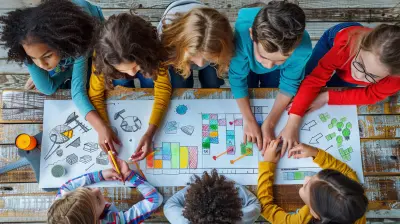
One of the best ways to develop real-world skills is through project-based learning. Instead of rote memorization, students tackle real problems, work in teams, and develop solutions.For instance, instead of just studying environmental science, students could create a sustainability project for their school, working on budgeting, research, teamwork, and public speaking all in one go.
2. Internships and Work-Based Learning
Nothing bridges the gap between academic knowledge and practical skills better than real-world experience. Schools should collaborate with local businesses to provide internships or mentorship programs.Imagine students working with professionals in their desired fields—it's a game changer for career readiness.
3. Role-Playing and Simulations
Want students to develop negotiation, leadership, or problem-solving skills? Role-playing activities or simulations can immerse them in real-life scenarios.For instance, a mock business negotiation or a simulated emergency response drill teaches leadership and decision-making in a way no lecture ever could.
4. Entrepreneurial and Business Programs
Offering business and entrepreneurial programs gives students hands-on experience in financial management, critical thinking, and leadership. Some schools have even started student-run businesses where students develop products, market them, and manage finances. This real-world experience is invaluable.5. Incorporating Technology and Digital Tools
Technology isn’t just about coding; it’s about preparing students for a digital world. Schools should integrate tools like Google Workspace, project management software, and even artificial intelligence tools into classroom activities.When students learn how to use real-world digital tools, they're better prepared for modern workplaces.
6. Personal Finance and Life Skills Classes
Teaching students how to budget money, understand taxes, or manage credit cards should be a priority. Life skills courses can help students transition smoothly into adulthood.7. Encouraging Public Speaking and Debate
Communication skills are critical in every career. Schools should encourage debate, public speaking, and even podcasting or video creation projects to help students articulate ideas confidently.8. Integrating Soft Skills into Core Subjects
Soft skills like empathy, emotional intelligence, and time management shouldn't be separate subjects—they should be woven into daily lessons.For example, English classes can incorporate collaborative storytelling, while science classes can have students present findings rather than just submitting reports. This subtle shift makes a big difference. 
Addressing Challenges in Implementing Real-World Skills
Of course, integrating real-world skills into education isn't without challenges. Here are some common obstacles and how to tackle them:1. Resistance to Change
Some educators may be hesitant to move away from traditional teaching methods. The solution? Professional training and clear demonstration of results. Showing success stories from schools that have adopted real-world learning can make a huge impact.2. Lack of Resources
Many schools struggle with funding and resources. However, integrating real-world skills doesn’t always require expensive programs. Schools can collaborate with businesses, invite guest speakers, or use free online tools to make learning more relevant.3. Standardized Testing Pressures
With an overwhelming focus on standardized tests, schools sometimes struggle to prioritize practical skills. The key is blending both—integrating real-world learning into test-prep strategies so students don’t have to choose between them.4. Teacher Training and Support
Educators need training to effectively integrate these approaches. Schools should invest in teacher development programs that help instructors bring real-world applications into the classroom.The Future of Curriculum Design
Education must evolve to keep up with the demands of the modern world. The future of curriculum design isn’t just about adding courses but completely rethinking how students learn.A successful curriculum shouldn't just prepare students for the next grade—it should prepare them for life. By incorporating critical thinking, communication, financial literacy, technology skills, and adaptability, we ensure that students leave school ready not just to work, but to thrive.
The goal? An education system where students don’t ask "When will I ever use this?"—because they’re already applying what they've learned in real life.
Final Thoughts
Integrating real-world skills into curriculum design isn’t just beneficial—it’s necessary. Employers, businesses, and even students themselves are demanding more than just theoretical knowledge. By shifting our focus to practical, hands-on learning, we can create a generation that is not only well-educated but also well-prepared for life’s challenges.So, how can schools start implementing these changes? The answer is simple—one small step at a time. Whether it's incorporating project-based learning, encouraging internships, or simply redefining how subjects are taught, every effort brings us closer to education that truly matters.
all images in this post were generated using AI tools
Category:
Curriculum DesignAuthor:

Olivia Chapman
Discussion
rate this article
1 comments
Thorne Potter
This article highlights essential strategies for enhancing student engagement through real-world skill integration.
August 16, 2026 at 4:40 AM
Olivia Chapman
I'm glad you found the article helpful. Real-world skill integration is crucial for making learning relevant and engaging for students.