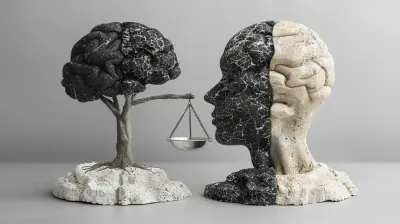
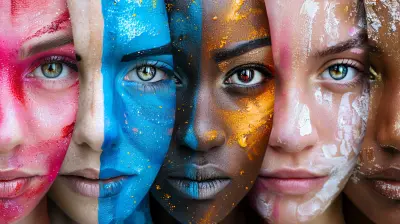
Overcoming Cultural Barriers in Education
10 July 2026
Education is the key to success, but cultural differences can create roadblocks in classrooms worldwide. Ever wondered why some students struggle to fit in while others thrive? It often boils down to cultural barriers—those invisible walls that make learning harder for some. So, how can we break these barriers and create an inclusive learning environment for everyone? Let’s dive in!
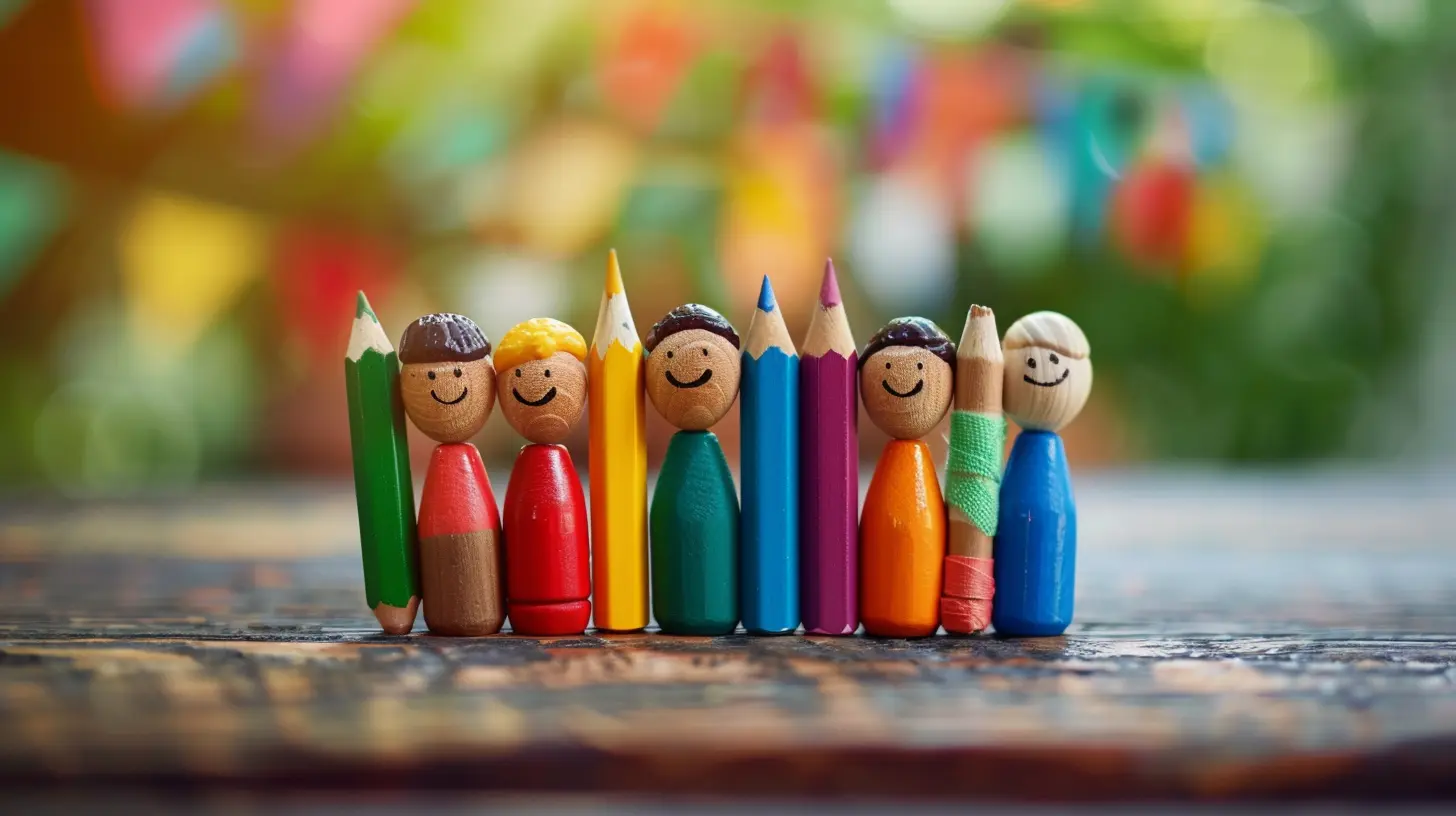
Understanding Cultural Barriers in Education
Cultural barriers in education arise when students and teachers come from diverse backgrounds with different languages, traditions, and learning styles. These differences can lead to misunderstandings, isolation, and even discrimination.Think of culture as a unique set of glasses. Everyone sees the world differently based on their upbringing and experiences. If educators don’t recognize these differences, students may feel left out, misunderstood, or discouraged from learning.
Common Cultural Barriers in Education
1. Language DifferencesLanguage is one of the biggest challenges in education. Imagine sitting in a classroom where the teacher speaks a language you barely understand—frustrating, right? Students who are not fluent in the primary language of instruction often struggle with comprehension and participation.
2. Different Learning Styles
Some cultures emphasize rote memorization, while others encourage open discussions and critical thinking. A student from a lecture-heavy background may find it hard to adapt to group projects or debates.
3. Stereotypes and Bias
Unconscious biases can affect how teachers perceive students. If an educator assumes that a student from a particular background will struggle with certain subjects, it can impact the student’s confidence and performance.
4. Lack of Representation
When students don’t see their culture reflected in the curriculum, textbooks, or classroom discussions, they may feel disconnected. Representation matters—it validates identities and fosters a sense of belonging.
5. Parental Involvement
Cultural expectations about education differ across families. In some cultures, parents are highly involved in their child’s education, while in others, they trust schools entirely. Misalignment in expectations can hinder communication between educators and families.
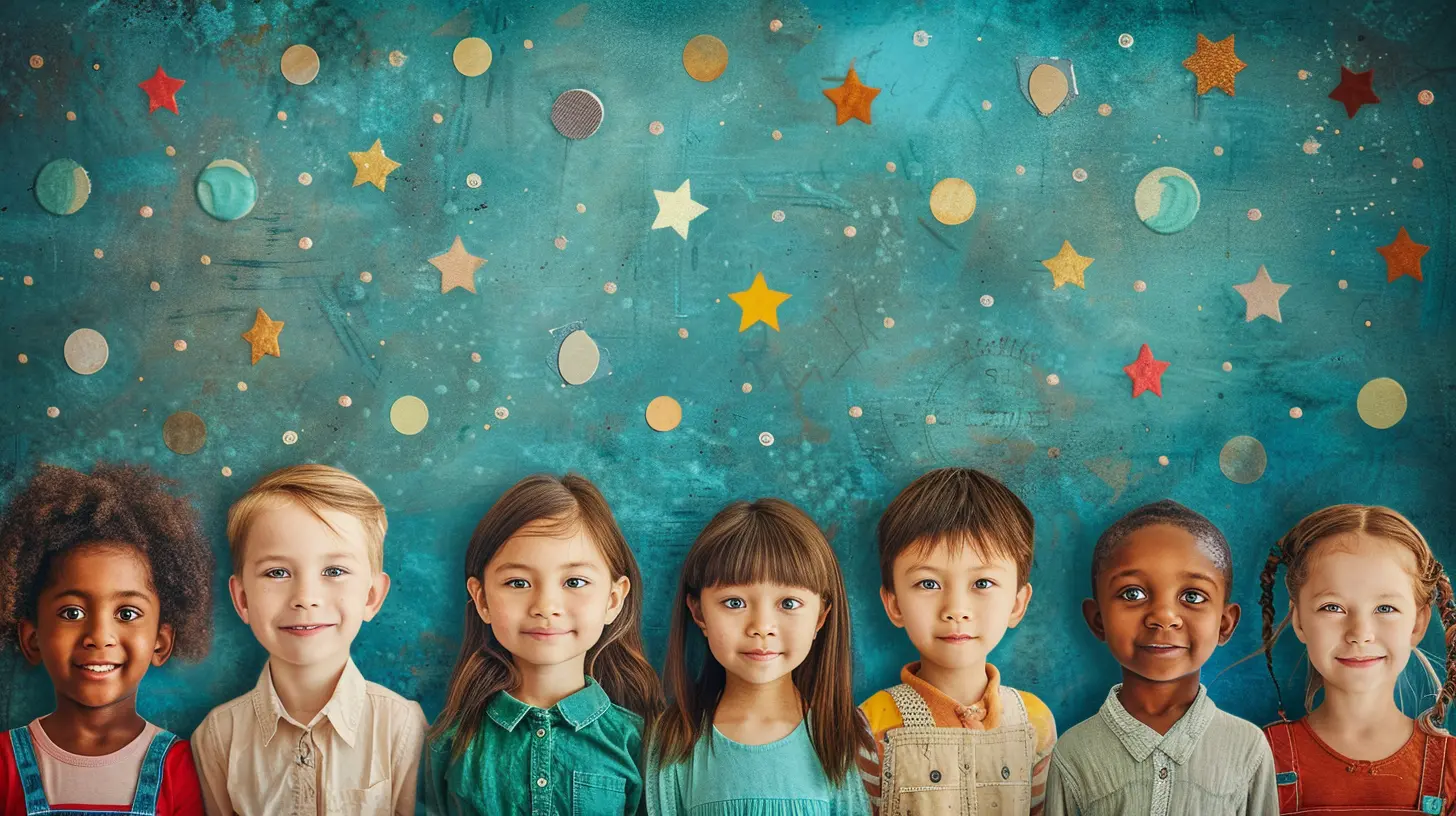
Strategies to Overcome Cultural Barriers in the Classroom
1. Promote Multilingual Learning
Schools should encourage bilingual education where possible. Offering language support programs, such as ESL (English as a Second Language) classes, can help students bridge the gap and gain confidence. Teachers can also use visual aids, gestures, and simple language to enhance understanding.2. Embrace Culturally Responsive Teaching
Culturally responsive teaching is about adapting lessons to include diverse perspectives. Teachers can:- Incorporate multicultural books and examples.
- Celebrate different cultural holidays and traditions.
- Acknowledge and respect diverse viewpoints in discussions.
3. Encourage Open Communication
Teachers should foster a safe environment where students feel comfortable expressing their thoughts. Encouraging discussions about different cultures helps break stereotypes and promotes mutual respect.4. Address Bias and Stereotypes
Educators must identify and challenge their own biases. Schools can conduct diversity training sessions for staff to recognize unconscious prejudice and ensure fair treatment for all students.5. Foster Inclusive Classroom Activities
Group projects that mix students of different backgrounds help build friendships and understanding. Icebreaker games, storytelling, and collaborative tasks encourage students to learn from each other and appreciate cultural diversity.6. Strengthen Teacher-Parent Relationships
Building a strong relationship between schools and families is crucial. Schools can:- Provide multilingual newsletters or interpreters for non-English-speaking parents.
- Organize cultural exchange events to involve parents in school activities.
- Respect different cultural expectations while keeping communication open.
7. Modify Assessment Methods
Standardized tests may not always be the best measure of a student’s ability, especially if language is a barrier. Offering alternative assessments such as oral presentations, visual projects, or bilingual exams can help create a fairer evaluation system.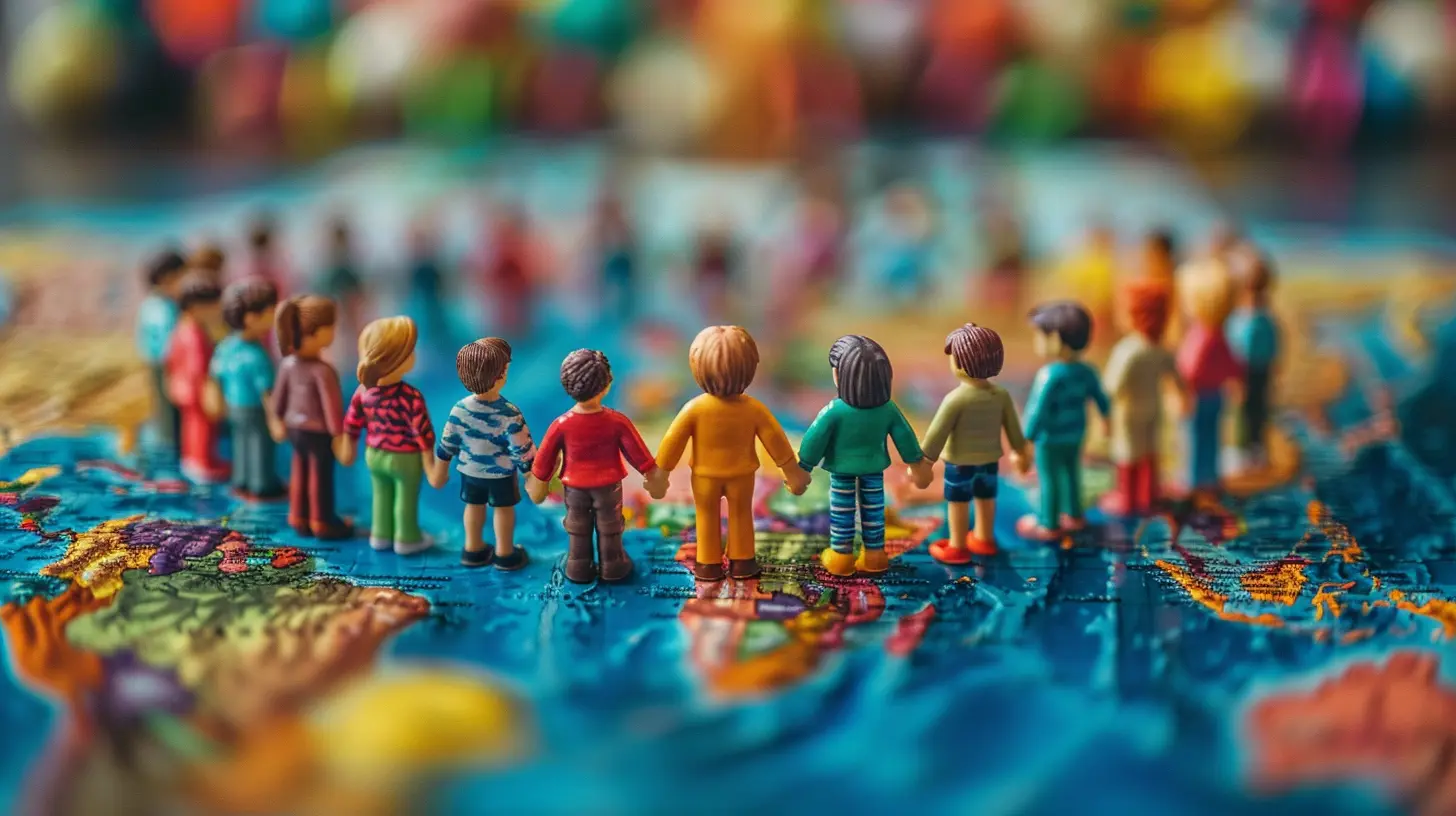
The Role of Technology in Bridging Cultural Gaps
Technology can be a game-changer in overcoming cultural barriers. With online learning platforms, students can access lessons in multiple languages, use translation tools, and engage with peers from different backgrounds. Virtual exchange programs allow students to connect with classrooms worldwide, fostering global understanding.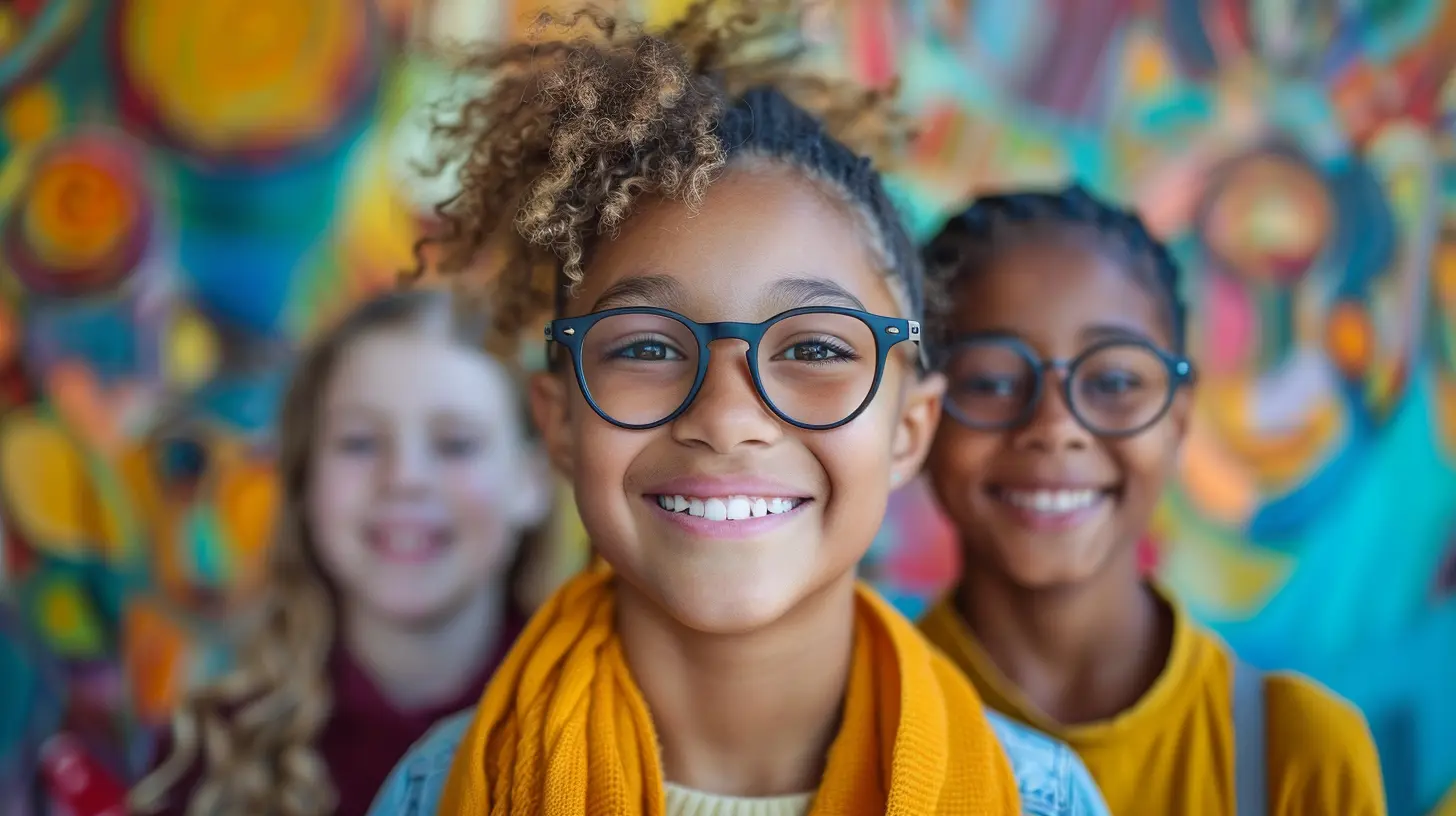
Why Overcoming Cultural Barriers is Important
Breaking cultural barriers in education isn’t just about making students comfortable—it’s about setting them up for success. A culturally inclusive classroom:- Helps students feel valued and respected.
- Encourages critical thinking and empathy.
- Prepares students for a diverse workforce.
- Reduces dropout rates among marginalized groups.
When students feel seen, heard, and understood, they become more engaged and motivated. And isn't that the ultimate goal of education?
Final Thoughts
Cultural diversity should be celebrated, not seen as a challenge. Schools and educators play a vital role in creating an inclusive and supportive learning environment. By understanding and addressing cultural barriers, we can ensure that every student—regardless of their background—has an equal opportunity to succeed.So, whether you're a teacher, student, or parent, let’s do our part in breaking these barriers. After all, education is for everyone!
all images in this post were generated using AI tools
Category:
Cultural AwarenessAuthor:

Olivia Chapman
Discussion
rate this article
1 comments
Elias Stone
The article effectively highlights the importance of understanding diverse cultural perspectives to enhance learning experiences, fostering inclusivity and improving communication among students and educators.
July 11, 2026 at 2:55 AM
Olivia Chapman
Thank you for your insights! I'm glad the article resonated with you and emphasized the need for inclusivity in education.