Promoting Active Listening as a Key Component of Respect
18 May 2026
Have you ever had a conversation where you felt like the other person wasn’t really listening? Maybe their eyes were wandering, or they kept interrupting you. It’s frustrating, right? In today’s fast-paced world, true listening feels like a lost art. But here’s the thing—active listening isn’t just about hearing words; it’s about showing respect, building connections, and fostering understanding.
If we truly want to cultivate meaningful relationships—whether in school, the workplace, or at home—learning to actively listen is a game-changer. So, let’s dive into why active listening is essential, how it demonstrates respect, and practical ways to improve this skill in everyday life.

What Is Active Listening?
Active listening goes beyond just hearing words. It involves fully engaging with the speaker, understanding their message, and responding thoughtfully. When you practice active listening, you:- Give your full attention to the speaker
- Avoid distractions (yes, that means putting your phone down!)
- Show that you’re engaged through verbal and non-verbal cues
- Ask questions to clarify and deepen understanding
- Reflect back what’s being said to ensure comprehension
Sounds simple, right? But in reality, it requires effort and mindfulness.

Why Active Listening Is a Key Component of Respect
Respect isn’t just about using polite words like "please" and "thank you." It’s also about making others feel heard and valued. Here’s why active listening plays a crucial role in showing respect:1. It Validates Others’ Feelings and Opinions
Imagine expressing your thoughts, only to be met with a distracted “uh-huh” or a half-hearted nod. It doesn’t feel great, does it? When we actively listen, we acknowledge others’ perspectives, making them feel respected and appreciated.2. It Reduces Misunderstandings and Conflicts
Most conflicts arise from miscommunication. When we’re too busy thinking about our response instead of listening, we miss crucial details. Active listening helps clear up confusion, ensuring both parties truly understand each other.3. It Strengthens Relationships
People naturally gravitate towards those who make them feel heard. Whether it’s a teacher-student relationship, a friendship, or a professional setting, active listening fosters trust and connection.4. It Encourages Open and Honest Communication
When people know they’re being listened to without judgment, they feel safe to express themselves. This openness leads to healthier personal and professional relationships.
The Barriers to Active Listening (And How to Overcome Them)
We all want to be better listeners, but sometimes, distractions and habits get in the way. Here are some common barriers—and how to overcome them:1. Distractions (Phones, Social Media, Background Noise)
➡ Solution: Put your phone on silent, find a quiet place, and focus entirely on the conversation.2. Thinking About Your Response Instead of Listening
➡ Solution: Train yourself to pause before responding. Focus completely on what’s being said before formulating your reply.3. Interrupting the Speaker
➡ Solution: Practice patience. Let the speaker finish before sharing your thoughts.4. Judging or Jumping to Conclusions
➡ Solution: Maintain an open mind. Even if you don’t agree, try to understand the other person’s perspective first.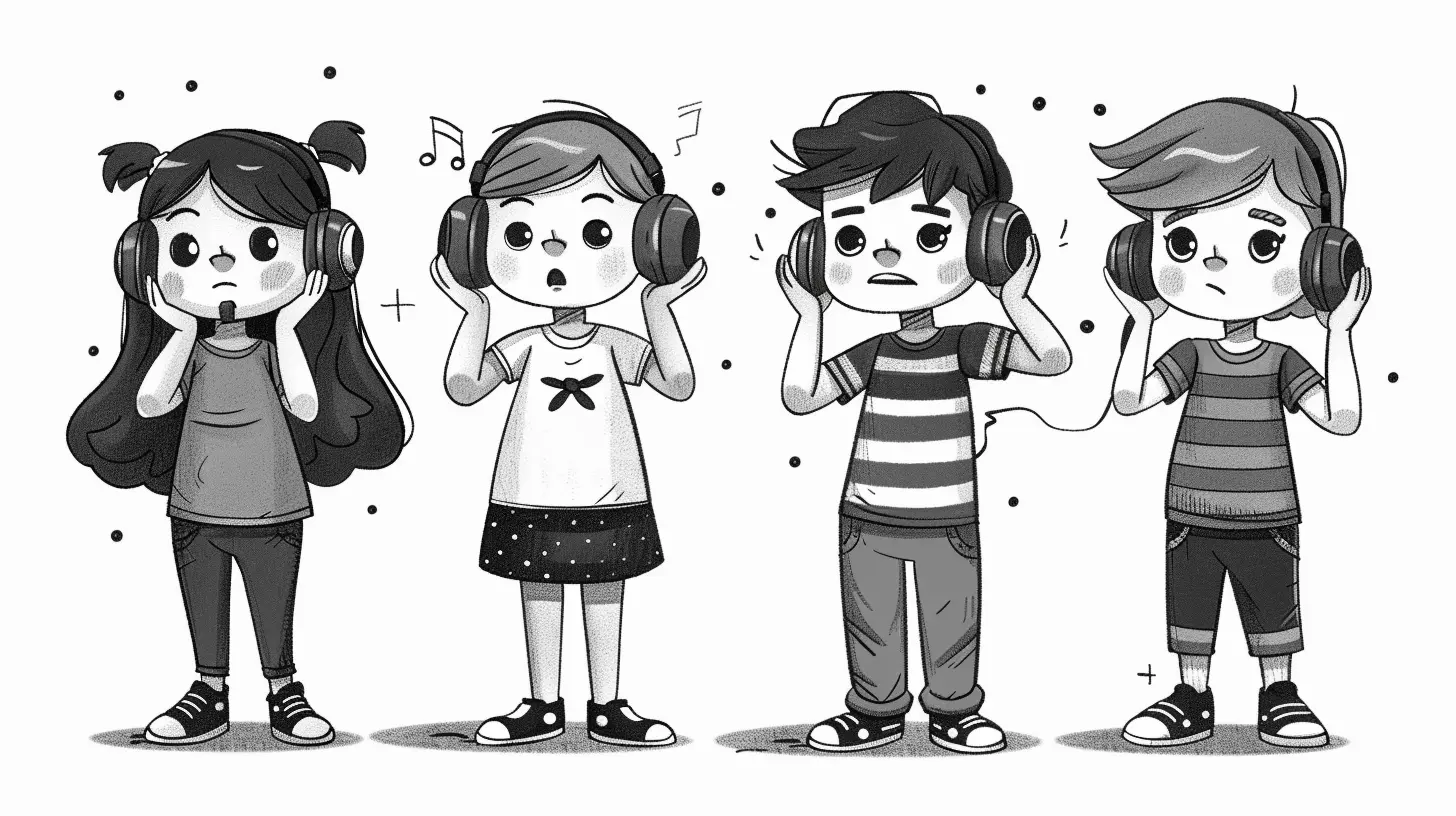
How to Practice Active Listening Daily
Improving active listening takes practice, but the good news? It’s a skill that can be developed! Here are some ways to incorporate active listening into your daily interactions:1. Maintain Eye Contact
Eye contact shows that you’re present and engaged in the conversation. But don’t overdo it—staring intensely can be uncomfortable!2. Use Non-Verbal Cues
Nodding, leaning in slightly, and facial expressions show that you’re actively involved in the discussion.3. Avoid Interrupting
Let the speaker finish their thought before you chime in. This simple act shows patience and respect.4. Summarize and Paraphrase
After someone speaks, try summarizing their point by saying something like, “So what you’re saying is…” This ensures clarity and shows you were truly listening.5. Ask Thoughtful Questions
Instead of responding with generic comments, ask questions that show depth and genuine curiosity. For example, “That’s interesting—what made you feel that way?”6. Be Present, Both Physically and Mentally
It’s easy to nod along while mentally making a grocery list. Instead, fully immerse yourself in the conversation.7. Practice Empathy
Empathy is at the heart of active listening. Try to put yourself in the other person’s shoes and understand their emotions.Active Listening in Different Areas of Life
Active listening isn’t just useful in personal conversations—it plays a vital role in various aspects of life. Here’s how:In Education
Teachers and students alike benefit from active listening. When students actively listen, they absorb information better. When teachers listen to their students, they create a more supportive learning environment.In the Workplace
Good communication is the backbone of a productive workplace. Active listening helps reduce misunderstandings, improve teamwork, and foster a culture of respect.In Relationships
Strong relationships are built on good communication. Whether with family, friends, or partners, active listening strengthens bonds and prevents misunderstandings.In Leadership
Great leaders aren’t just great speakers—they’re also excellent listeners. When leaders actively listen, they make informed decisions and create a more inclusive environment.
The Long-Term Benefits of Active Listening
So, why put in the effort to be a better listener? Because the benefits extend far beyond everyday conversations!- Better Personal and Professional Relationships – People naturally connect with those who make them feel heard.
- Increased Emotional Intelligence – Understanding others fosters empathy and self-awareness.
- Stronger Conflict Resolution Skills – Active listening helps navigate difficult conversations with ease.
- Improved Learning and Retention – Fully engaging in conversations leads to better comprehension.
At the end of the day, active listening is more than just a skill—it’s a way of showing kindness, respect, and understanding.
Final Thoughts
In a world where everyone is eager to speak, be the person who truly listens. Active listening isn’t just about hearing words; it’s about valuing people, strengthening connections, and fostering respect.Next time you’re in a conversation, take a deep breath, set aside distractions, and commit to truly listening. You’ll be surprised at how much it transforms your relationships and interactions.
So, are you ready to be a better listener? Start today—one conversation at a time.
all images in this post were generated using AI tools
Category:
Character EducationAuthor:

Olivia Chapman
Discussion
rate this article
1 comments
Onyx McNulty
Active listening fosters understanding and respect. Embrace this powerful skill to strengthen connections and create a positive learning environment.
June 4, 2026 at 12:09 PM
Olivia Chapman
Absolutely, active listening is essential. It truly enhances relationships and creates a more supportive atmosphere for everyone involved.