Promoting Cultural Exchange Programs in Schools
20 July 2026
In today’s connected world, understanding and respecting different cultures isn't just a nice-to-have—it’s a must. One of the most powerful ways to build these bridges of understanding early on is through cultural exchange programs in schools. But what are these programs really about, and why are they so important?
Let’s dive headfirst into the world of cultural exchange—what it means, why it matters, and how educators can make it a thriving part of every student’s learning experience.
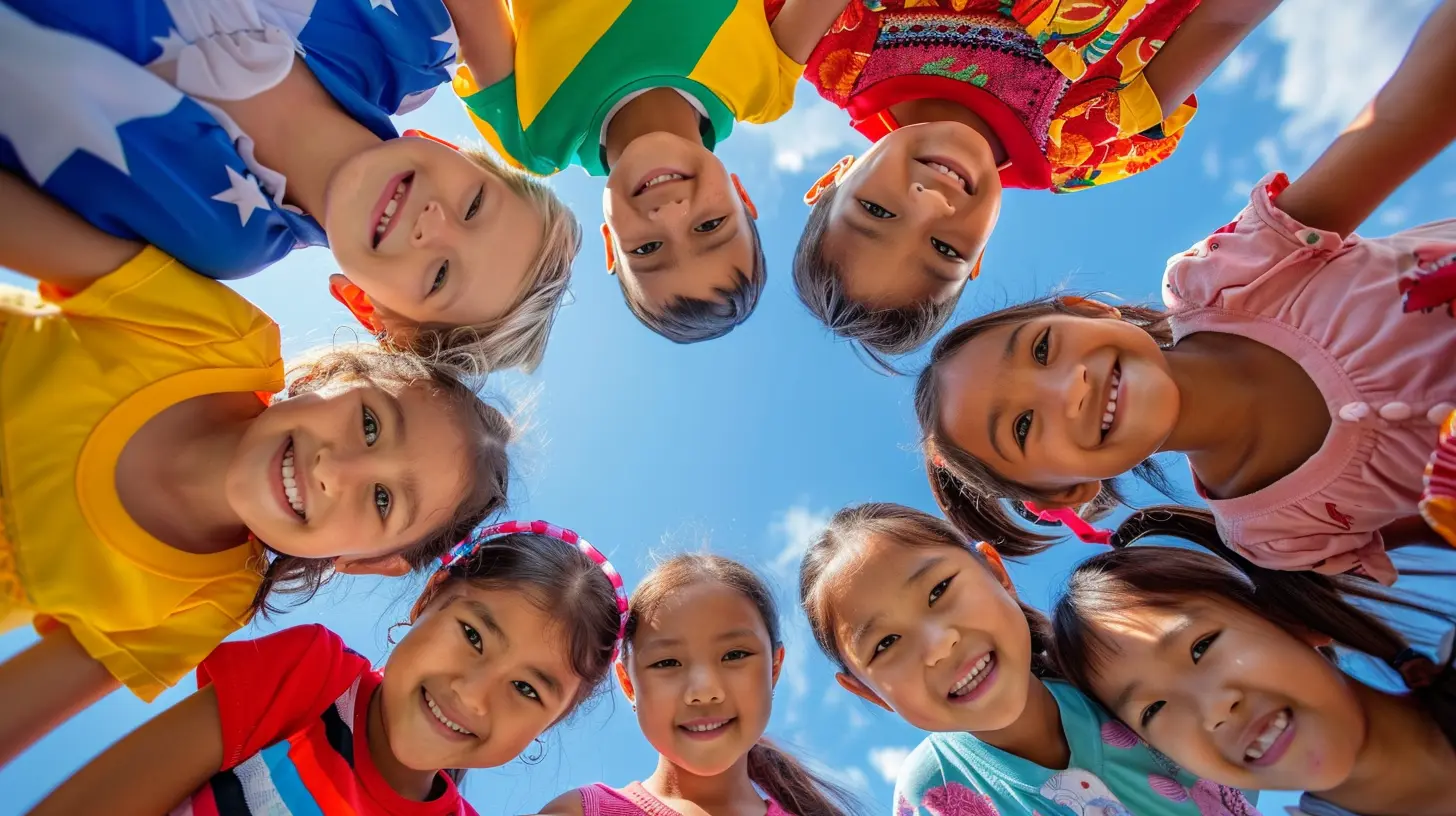
What Are Cultural Exchange Programs?
Cultural exchange programs are structured educational opportunities that allow students to engage with people from different cultural backgrounds. That could mean hosting international students, participating in virtual exchanges, or even traveling abroad for immersion programs. The goal? To learn about other cultures firsthand.These programs break down stereotypes, build empathy, and, frankly, make learning a whole lot more exciting. They're not just about swapping students; they're about swapping stories, perspectives, values, and even cuisines.
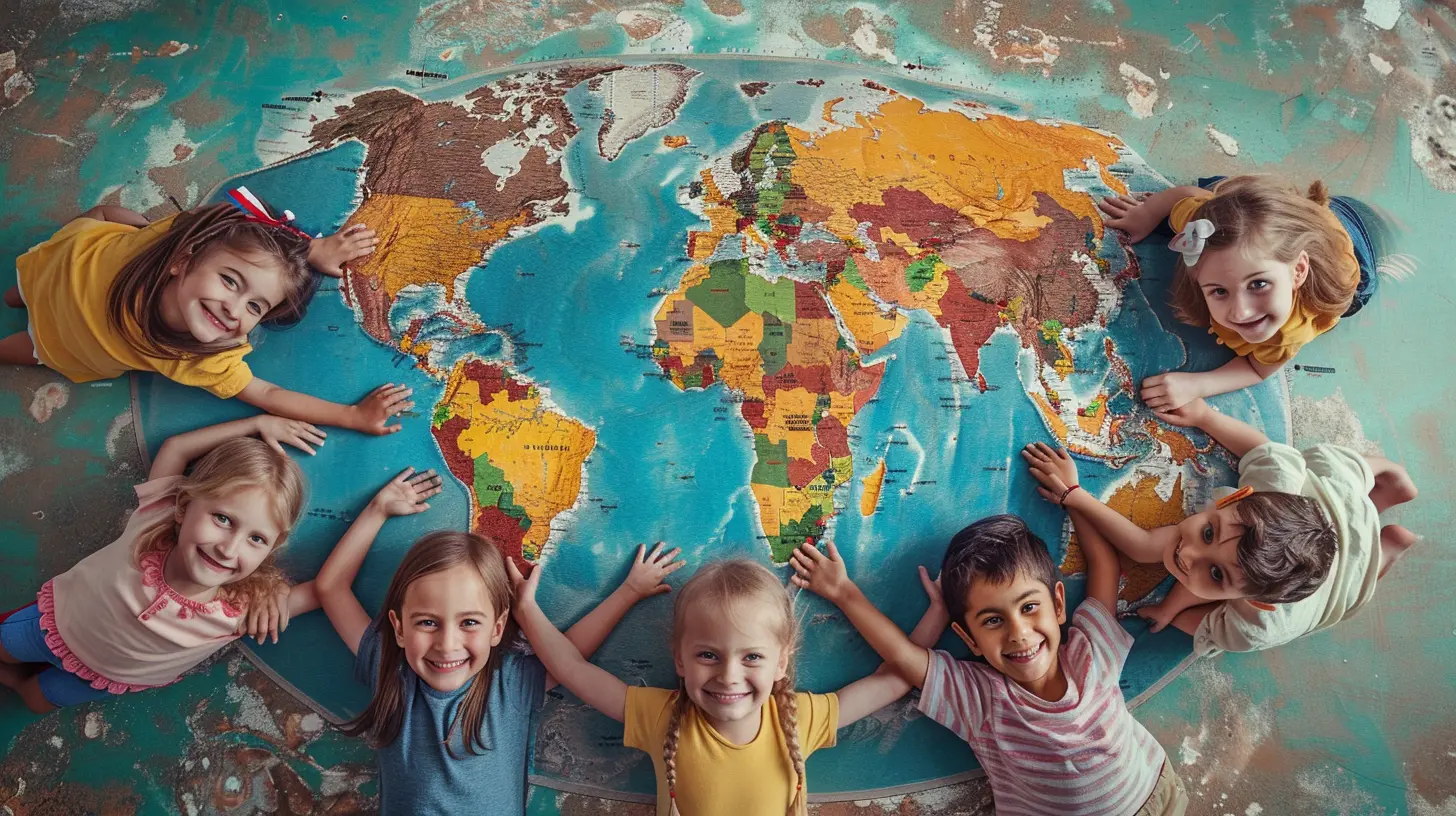
The Growing Need for Cultural Awareness in Schools
Let’s face it—our world is increasingly multicultural. Classrooms today are more diverse than ever, and students will grow up working in global teams, traveling wider, and interacting with people very different from themselves.So, how can we prepare them for that world?
By promoting cultural awareness. Cultural exchange programs give students that raw, lived experience of diversity. They don’t just read about it—they feel it.
Think of it like this: Reading a travel guide about Japan and actually spending two weeks in Tokyo are two very different experiences, right? That's the power of cultural exchange.

Benefits of Promoting Cultural Exchange Programs in Schools
Alright, let’s break down what students, schools, and communities gain from these programs.1. Broadening Horizons
One of the biggest wins of cultural exchange? Students start thinking beyond their immediate surroundings. They begin to understand global issues from multiple perspectives. Suddenly, climate change isn’t just a local weather issue—it’s a global crisis affecting kids just like them in Kenya, Korea, and Canada.2. Boosting Empathy and Tolerance
Cultural exchange programs are empathy-building machines. When students hear stories from peers in other countries, it humanizes distant cultures. They stop seeing “other” and start seeing “friend.” That shift? It's powerful. It cuts through ignorance, prejudice, and even bullying.3. Enhancing Language Skills
Let’s say your school starts a student exchange program with a Spanish-speaking country. Students aren’t just memorizing vocab for a test—they’re using it to communicate, make friends, and navigate daily life. Talk about learning with real-world impact.4. Unlocking New Confidence
Traveling to another country or even just sitting in a classroom with international peers can be a nerve-wracking experience at first. But when students push through that discomfort, they gain confidence. They become more adaptable, open-minded, and independent.5. Career and Academic Advantages
Universities and employers love applicants with international experience. It shows leadership, open-mindedness, and communication skills. For students, cultural exchange programs are not just enriching—they're resume gold.
Types of Cultural Exchange Programs
Not all programs look the same. Schools can promote cultural exchange in a variety of formats, each offering unique benefits. You don’t need a huge budget or international partnerships to get started.1. Student Exchange Programs
These are the “classic” cultural exchange programs where students travel and stay in another country, often living with a host family. There are both short-term and year-long options. Think of these as the deep-dive experiences.2. Virtual Exchange Programs
In a post-pandemic world, virtual exchanges are booming. These allow students from different countries to connect online through video calls, collaborative projects, and discussion forums. It's like pen pals 2.0.3. Cultural Immersion Days
Not every school can send students overseas—but every school can host a culture day. Invite speakers, put on performances, showcase cuisines, and celebrate different heritages. Make it fun, interactive, and meaningful.4. Teacher Exchanges
Don’t forget the educators! Teacher exchange programs allow educators to share teaching styles, cultural insights, and classroom strategies. It’s an amazing way to infuse international perspectives into the curriculum.Overcoming Challenges in Promoting Cultural Exchange
Let’s keep it real—implementing cultural exchange programs isn’t always smooth sailing. But knowing the common roadblocks can help schools navigate them.1. Budget Constraints
International experiences can be pricey. Airfare, lodging, visas—it adds up. But here’s the good news: Grants, scholarships, nonprofit partnerships, and even crowdfunding have helped schools work around funding issues.Also, don’t underestimate the power of virtual exchanges. They’re cost-effective and just as impactful when done right.
2. Safety Concerns
Especially for younger students, parents and schools are understandably cautious. Make sure safety protocols are crystal clear. Partner with reputable organizations, ensure proper supervision, and build strong host family vetting systems.3. Language Barriers
Students don’t need to be fluent in another language to participate. But a basic understanding helps a lot. Prep sessions, language classes, or even pairing students with bilingual buddies can bridge the gap.4. Cultural Sensitivity
Exchanges shouldn’t feel like one culture is being “viewed” or judged. They should be mutual, respectful, and equitable. That means training students and teachers in cultural humility and awareness, not just facts.
How Schools Can Promote Cultural Exchange the Right Way
So, how do schools get started—and more importantly, do it well?1. Start With Partnerships
Reach out to schools abroad, cultural organizations, embassies, or nonprofits. Many institutions are already looking for exchange opportunities. A simple email can kickstart something big.2. Create Buy-In From All Stakeholders
Parents, staff, admin—they all need to be on board. Host info sessions, share student testimonials, and showcase the benefits. The more excitement you generate, the stronger the support.3. Offer Pre-Departure and Re-Entry Programs
Don’t just throw students into a new culture. Prep them with cultural training, etiquette tips, and realistic expectations. When they return, help them process the experience and share insights with peers.4. Encourage Reflective Learning
Give students time and space to reflect. Journals, blogs, video diaries—these tools help students internalize their experiences and make sense of cultural differences.5. Celebrate Diversity School-Wide
Make cultural exchange part of the school's DNA. Add multicultural books to the library, include global topics in the curriculum, and celebrate international holidays. Consistency builds culture.Real-Life Success Stories That Inspire
Still wondering if cultural exchanges really work? Here are a few examples that speak volumes.1. The Flat Stanley Project
In this fun, global literacy program, students send paper cutouts of “Flat Stanley” to classrooms around the world. The recipient schools write back about Stanley’s adventures. It’s a low-budget, high-impact way for elementary students to learn about different places.2. AFS Intercultural Programs
AFS has been running global student exchanges for over 75 years. Schools that partner with them get access to a massive network, training, scholarships, and resources.3. ePals Global Community
This platform connects teachers and students across 200 countries for virtual exchanges. From language learning to cultural storytelling, ePals makes it easy to connect globally without ever leaving the classroom.
Long-Term Impact of Cultural Exchange Programs
Let’s fast forward. What happens to students who participate in these programs?Many go on to become global leaders, social workers, diplomats, entrepreneurs, and changemakers. More importantly, they tend to be kinder, more curious humans. They carry an open heart and an open mind that shape how they view the world and their place in it.
The Final Word
At the end of the day, promoting cultural exchange programs in schools isn’t just about stamps in a passport. It’s about nurturing minds that are curious, compassionate, and globally aware.We’re not just raising students—we’re raising the next generation of global citizens.
So, whether your school can afford an international trip or just wants to host a weekly Zoom call with a class across the world, do it. Start small if you have to. But start. Because the more we connect, the stronger we grow—together.
all images in this post were generated using AI tools
Category:
Cultural AwarenessAuthor:

Olivia Chapman
Discussion
rate this article
1 comments
Sloane Stevens
Cultural exchange programs enrich students' experiences, fostering understanding and appreciation of diverse backgrounds. Schools should prioritize these initiatives for a more inclusive education.
August 6, 2026 at 10:22 AM
Olivia Chapman
I completely agree. Cultural exchange programs are vital for broadening perspectives and fostering inclusivity in education. Prioritizing them can truly transform students' experiences.