Rethinking Traditional Classrooms with Innovative Learning Spaces
24 January 2026
Education has come a long way from chalkboards, rigid desks, and rows of students staring at the front of the room. If you close your eyes and picture your typical classroom from the early 2000s—or even earlier—you probably envision an uninspiring, box-like space that doesn't exactly scream creativity or curiosity. But guess what? That model is finally getting a much-needed makeover!
The way we teach and learn is evolving, and that means our learning environments need to catch up. We're talking about rethinking traditional classrooms and turning them into innovative learning spaces that actually support how students learn best today.
Let’s unpack what this really means, why it matters, and how schools can embrace this exciting (and necessary) shift.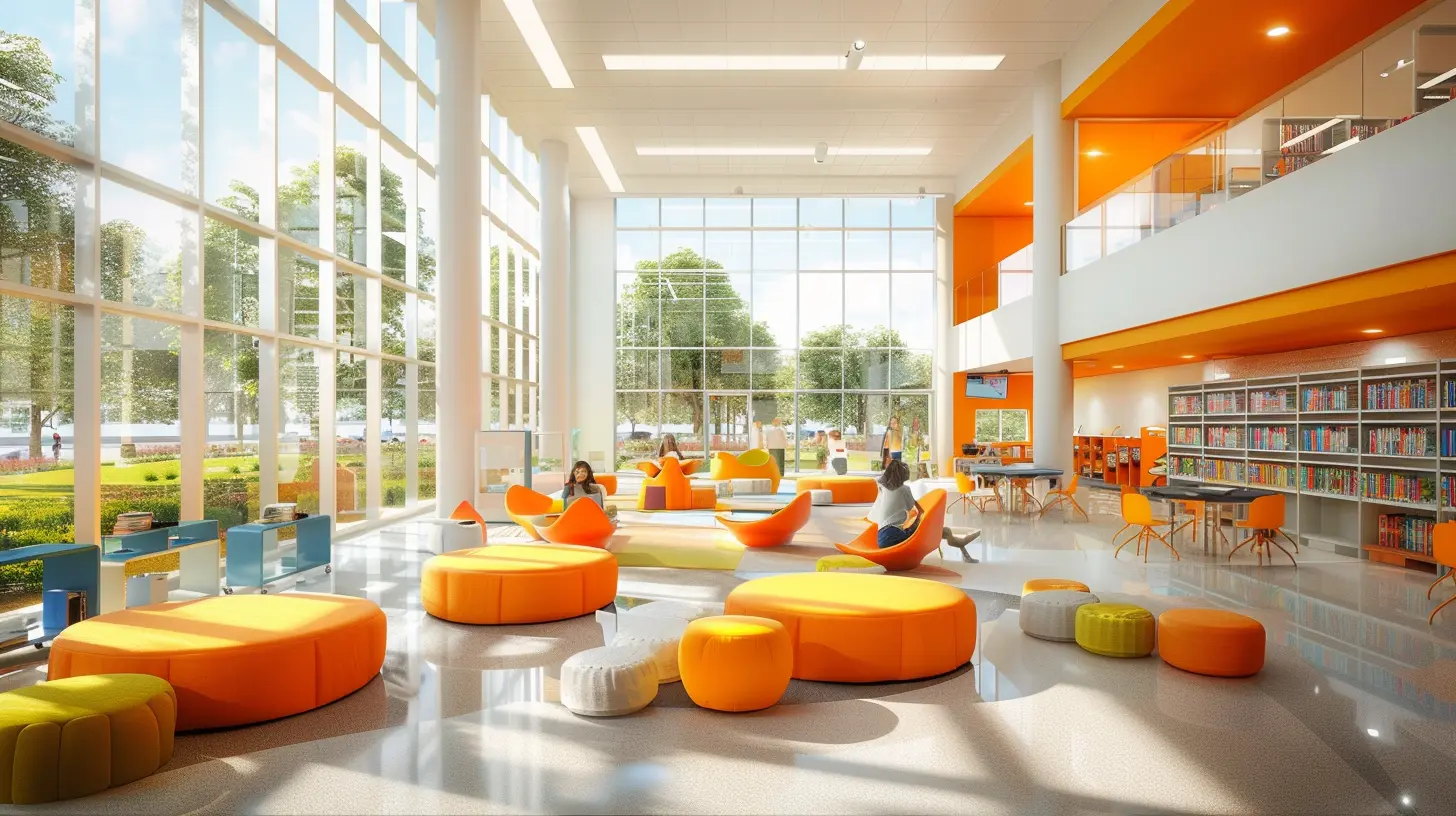
Why the Traditional Classroom Needs a Makeover
Let's be honest—traditional classrooms were designed for an education system built around industrial-age thinking. Uniformity, order, and efficiency were the goals. Everyone sat in rows, focused on the teacher, and worked primarily alone. But does that really sound like the best way to prepare students for today's world?One-Size-Fits-All Doesn’t Work Anymore
Every student has a unique way of thinking, processing, and engaging. But in a traditional setup, students are expected to learn the same material at the same pace in the same way. That's like expecting every plant in your garden to grow with the same amount of water and sunlight—just won’t work.Engagement? What Engagement?
Sitting in rigid seats for hours on end, listening to long lectures, and only being allowed to speak when called on—it’s no wonder students check out. The traditional model often stifles creativity rather than inspiring it. Today’s learners thrive on collaboration, movement, visual stimulation, and hands-on experiences.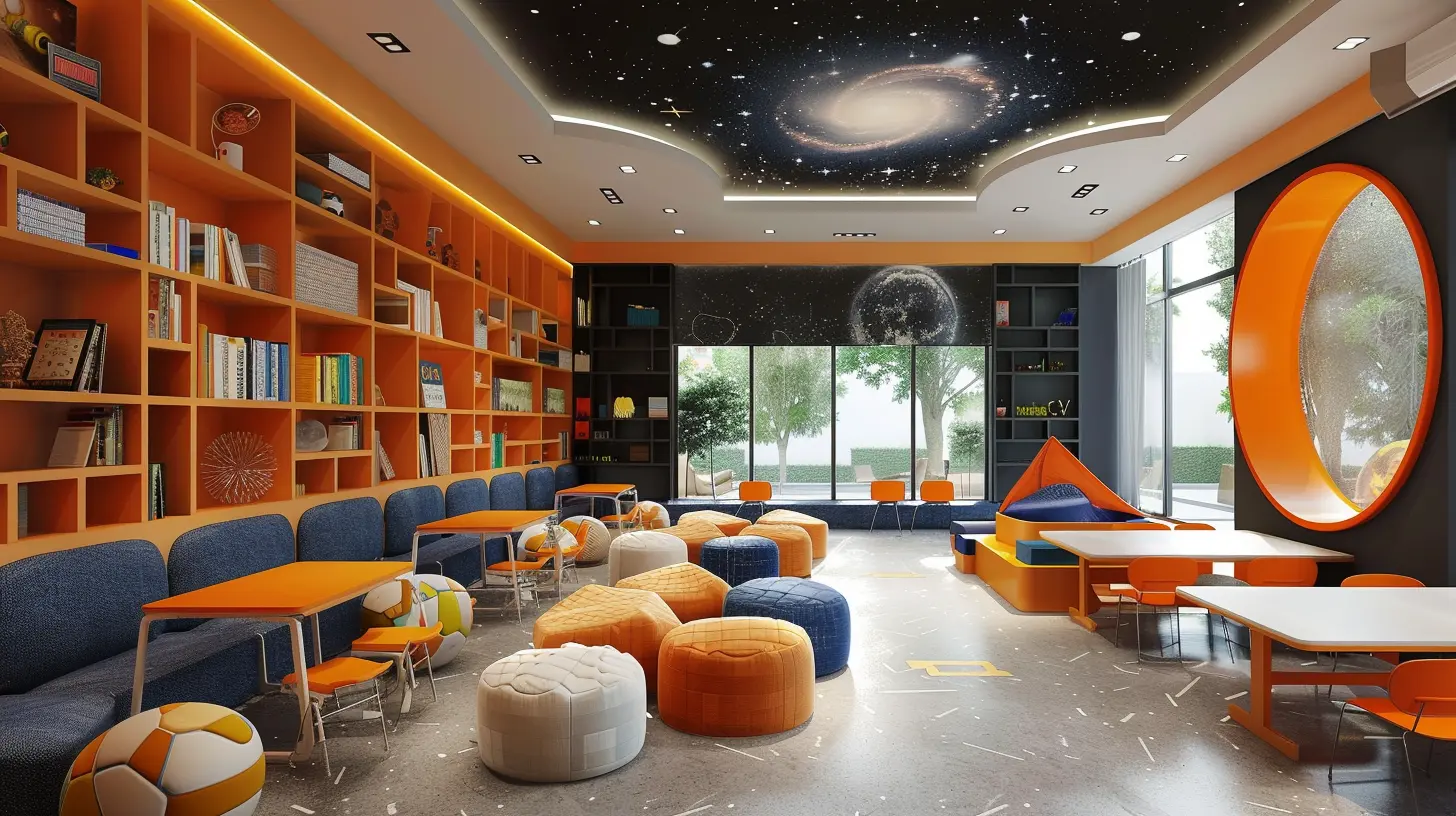
What Are Innovative Learning Spaces, Exactly?
Innovative learning spaces shake up the old norms. They’re built around flexibility, creativity, and student agency. These spaces are intentionally designed to support different learning styles and to encourage collaboration, critical thinking, problem-solving, and real-world application.We're talking about:
- Modular furniture that can be moved around for group work or solo study.
- Access to technology that complements, not replaces, active learning.
- Zones created for different types of learning—quiet reading nooks, brainstorming areas, presentation zones.
- Classrooms that feel more like modern coworking spaces than the desk-packed rooms we grew up in.
Sounds more fun already, doesn’t it?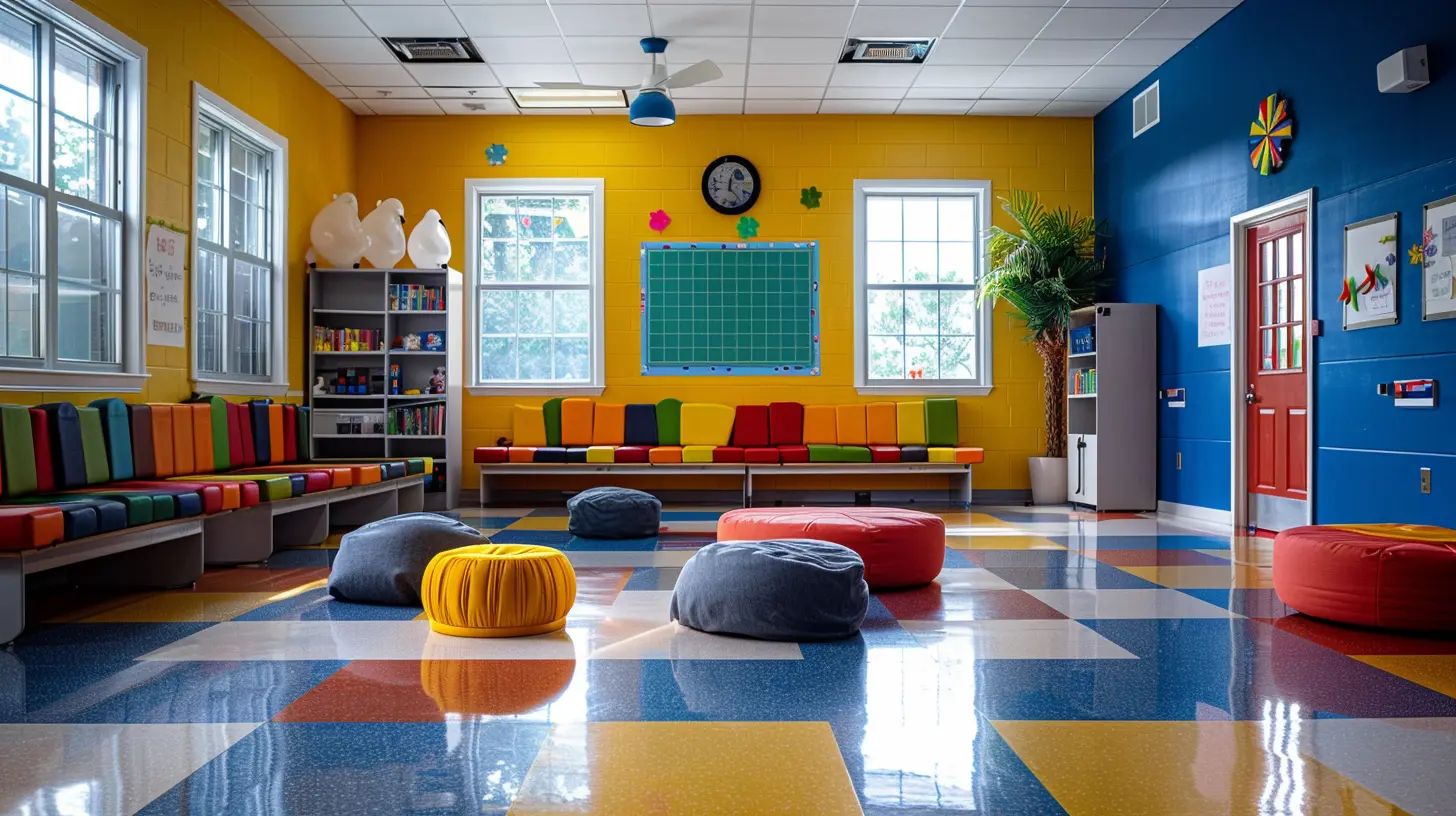
The Core Elements of an Innovative Learning Space
Let’s break down what makes these spaces so effective:1. Flexibility is Key
Imagine a classroom that’s more like a transformer toy. Desks on wheels, whiteboards that double as walls, and floor cushions for reading time. Students (and teachers!) can quickly reconfigure the room depending on what they’re working on. Group project? No problem. Solo reflection? You got it.2. Tech as a Tool, Not a Crutch
Innovative learning spaces don’t just throw in a few tablets and call it a day. The goal is to integrate technology meaningfully. Think interactive smartboards, virtual reality modules for immersive learning, and collaborative tools that link students across different locations.3. Student-Centered Design
The layout isn’t teacher-focused—it's student-centered. That means designing environments that encourage movement, comfort, and autonomy. When students feel physically comfortable and emotionally safe, their brains are more open to new ideas and risks.4. Integration of Nature and Light
Believe it or not, natural elements can profoundly impact learning. Big windows, outdoor seating, indoor plants—all of these reduce stress and increase focus. It’s like letting fresh air into a stuffy mindset.5. Multi-Use Zones
One corner of the room may be a maker space with art supplies and tools. Another might have beanbags and soft lighting for reading or meditation. A third could be set up for group challenges or discussions. Students aren't boxed into one learning mode—they can switch gears depending on what they’re working on.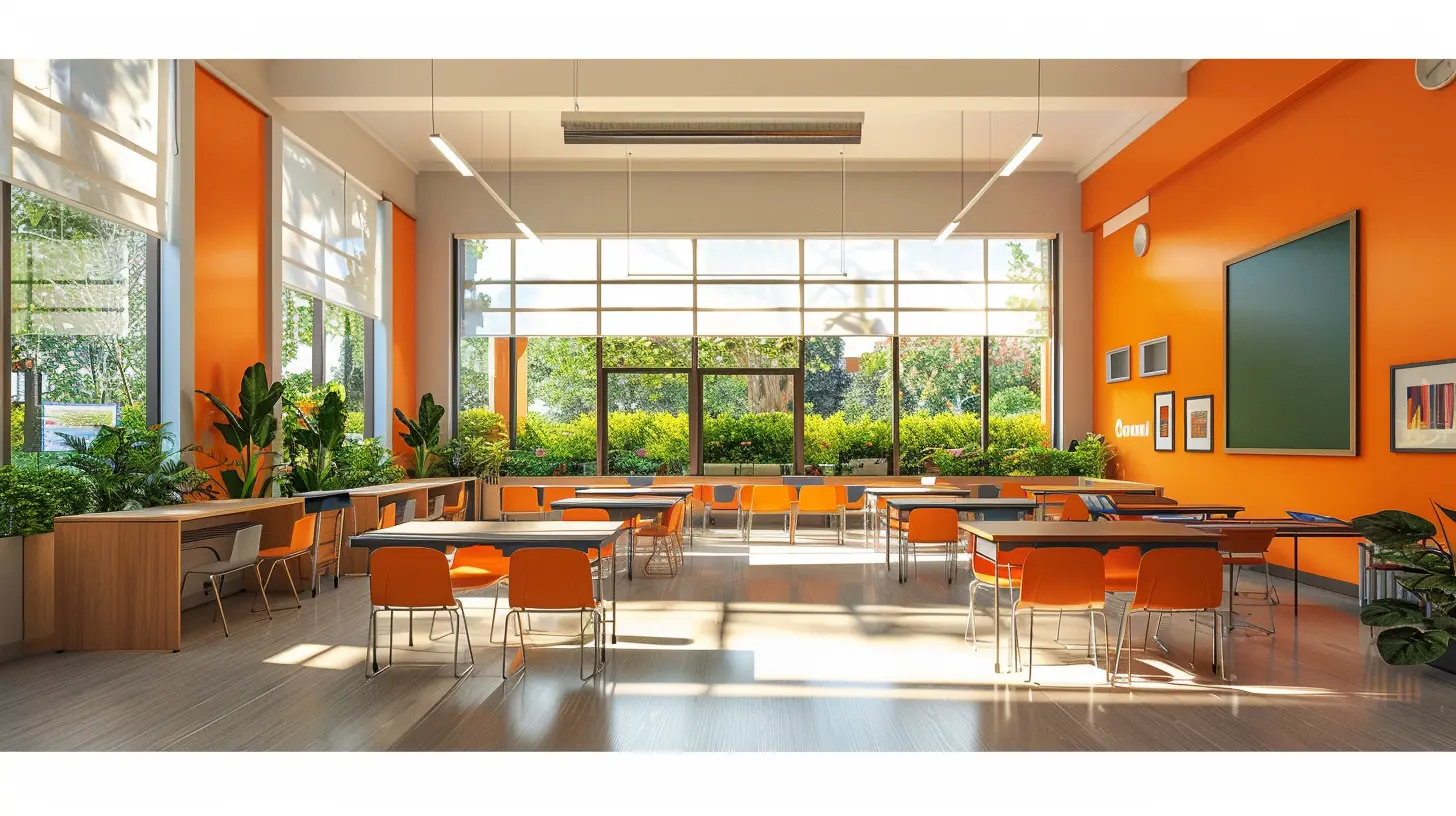
Benefits That Go Beyond Bells and Whistles
Sure, it all sounds great, but you might wonder—does it actually work? The research and real-world results say yes.Higher Engagement and Motivation
When students have a say in how and where they work, they become more invested. These environments spark curiosity, boost motivation, and reduce behavioral issues. Pretty powerful, right?Improved Collaboration
Innovative spaces invite students to work together. By engaging in group challenges and collaborative exercises, kids build essential communication and social skills they’ll need in…well, basically every area of life.Better Learning Outcomes
Studies show that students perform better academically when learning spaces match their needs. It’s not just about being comfortable; it’s about being cognitively supported by the environment.Adaptability for Different Learning Styles
Some kids need quiet to focus. Others thrive in active, hands-on experiences. Innovative spaces give students the ability to choose what works for them. It’s not just personalized learning—it’s personalized space.Challenges to Consider (Because Nothing’s Perfect)
Let’s be real—revolutionizing classrooms isn’t a walk in the park. There are definite hurdles.Budget Constraints
Creating flexible, tech-integrated spaces isn’t cheap. Schools working with tight budgets may struggle to make big changes. But even small steps, like rearranging furniture or introducing portable walls, can make a difference.Teacher Training and Mindset Shift
Teachers are at the front lines of this transformation, and expecting them to adapt overnight isn’t fair or realistic. They need support, training, and time to adjust to new methodologies.Resistance to Change
Yep, some folks will hold tight to the "if it ain't broke, don’t fix it" mentality. But here’s the thing—it IS broken for many students. We have to be willing to challenge the status quo if the goal is true learning.Real-World Examples: Schools Doing It Right
Need proof it works? Check out these real-world standouts:Ørestad Gymnasium in Copenhagen
This high school threw out the idea of traditional classrooms altogether, opting instead for open spaces, glass walls, and movable furniture. Students control where and how they learn best. It's like stepping into the future.Vittra Telefonplan in Stockholm
Here, the school design is completely open—no traditional classrooms at all. Instead, zones like "The Cave" for quiet focus and "The Lab" for creative play let students match their environment to their task.The Bridge School in California
An independent micro-school that organizes learning spaces around interdisciplinary projects. Students work on sofas, stand-up desks, or outside—whatever suits their focus.How to Start the Shift in Your School (Even on a Budget)
You don’t need a million-dollar renovation to create a more innovative learning environment. Here are a few accessible ways to start:1. Rearrange the Room
Start by ditching rigid rows. Try clusters of desks, standing workstations, or even floor seating when appropriate. Flexibility doesn’t cost a thing.2. Use What You Already Have
Old whiteboards can become mobile dividers. Bookshelves can be transformed into learning stations. Get creative with the resources on hand.3. Involve Students in the Process
Let students help design their space. What kind of zones do they want? Where do they feel most focused? Giving them a voice builds ownership and engagement.4. Pilot One Room
Start with a single classroom or grade level as a test run. Gather feedback, track outcomes, and use those insights to expand the transformation slowly.The Future of Learning Is Already Here
Let’s face it—education isn't just about content anymore. It's about preparing students to be thinkers, creators, leaders, and problem-solvers. And if we're still confining them to outdated spaces that stifle instead of stimulate, we're doing them a massive disservice.Innovative learning spaces aren’t some fancy, feel-good trend. They're a tangible, research-supported way to make learning more dynamic, inclusive, and effective. And while changing the physical classroom is a big step, the real transformation happens when we shift mindsets—about what learning looks like and how the environment can support it.
So maybe it’s time we all grab a metaphorical sledgehammer and start breaking down the walls of old-school thinking, one desk at a time.
all images in this post were generated using AI tools
Category:
Innovation In EducationAuthor:

Olivia Chapman
Discussion
rate this article
2 comments
Holden Elliott
Innovative spaces enhance engagement and foster collaborative learning experiences.
February 9, 2026 at 11:57 AM
Olivia Chapman
Thank you! Innovative spaces truly transform learning by promoting interaction and collaboration among students.
Sybil Holland
Who knew that moving desks around could spark such innovation? Next thing you know, we'll be holding math tests in hammock lounges! Let’s hope the only thing that gets lost in these new spaces is the boredom!
January 31, 2026 at 12:57 PM
Olivia Chapman
Absolutely! Embracing flexible spaces can truly ignite creativity and engagement. Who knows what other exciting ideas will emerge?