Teaching Fairness: Helping Students Understand Justice and Equity
24 May 2026
Fairness is one of those universal values we all want to uphold, but teaching it to students? That’s where things get tricky. Kids often struggle with the difference between fairness, justice, and equity. “It’s not fair!” is a phrase teachers and parents hear all the time.
So, how do we help students understand fairness in a way that sticks? How can we make them see that justice isn’t just about getting the same, but about getting what’s needed?
Let’s dive into how we can teach fairness in a way that resonates with students, sparks meaningful conversations, and shapes them into compassionate individuals. 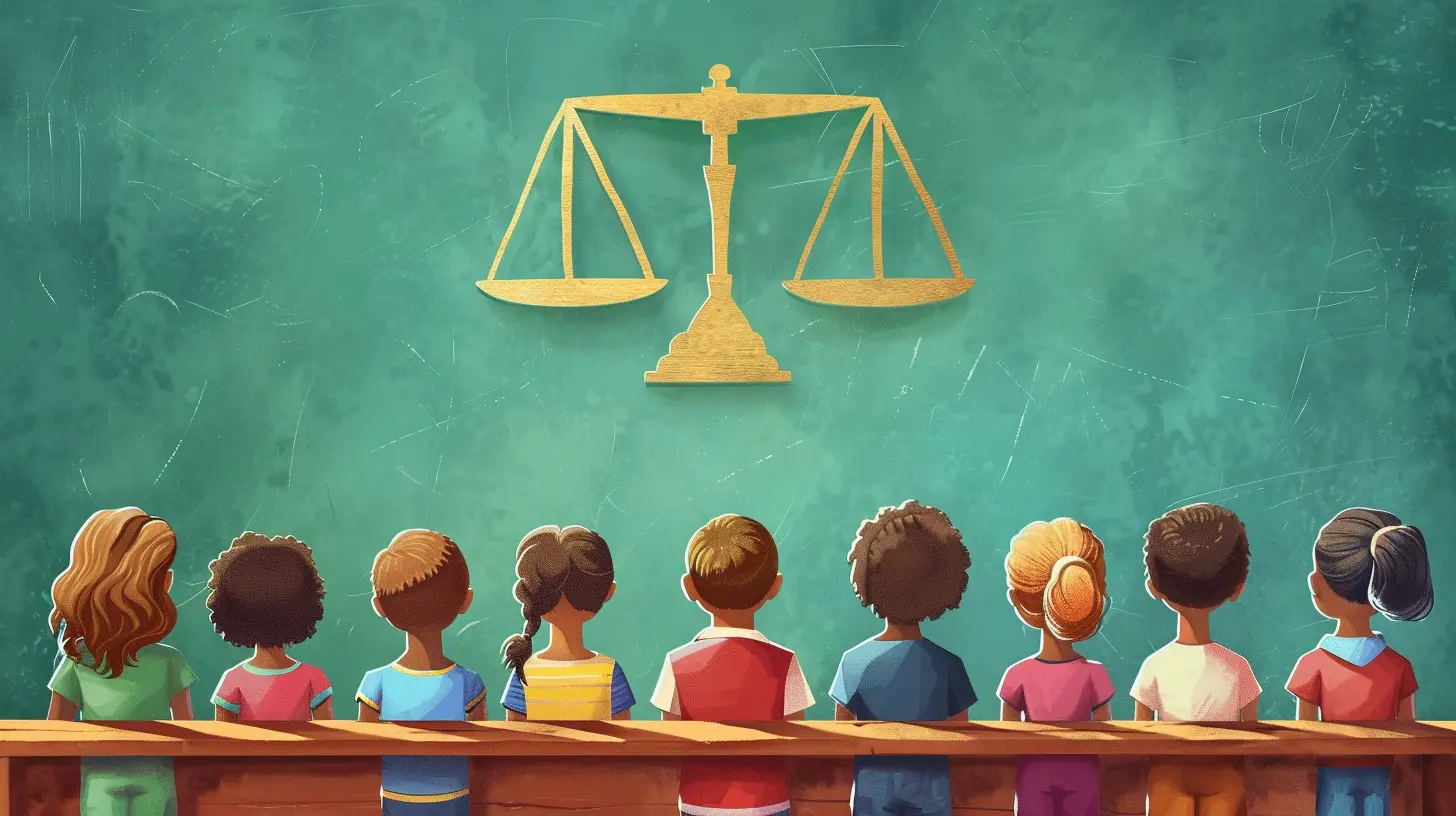
Why Teaching Fairness Matters
Fairness isn’t just about making sure everyone gets an equal slice of pizza. It’s about recognizing different needs, circumstances, and opportunities. When children grasp fairness early on, they develop empathy, critical thinking, and problem-solving skills that benefit them throughout life.Teaching fairness in schools helps:
- Create inclusive classrooms where every student feels valued
- Encourage empathy and kindness in daily interactions
- Prepare students to challenge injustice in the real world
- Reduce conflicts by promoting understanding
If we want to raise responsible citizens, fairness can’t just be a side lesson—it has to be a core part of education. 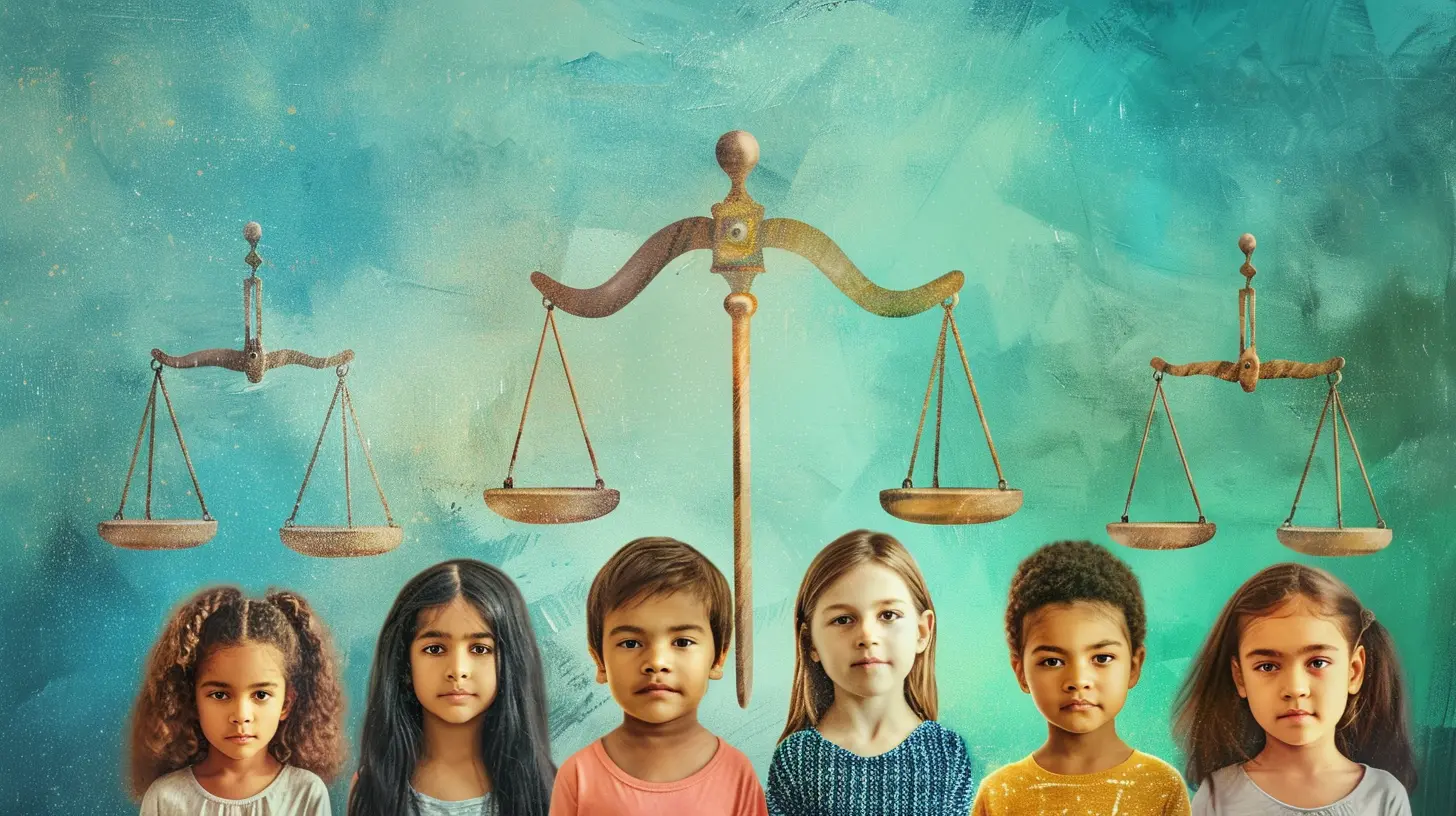
The Difference Between Equality, Equity, and Justice
Before we jump into teaching strategies, let’s clear up a common confusion: equality, equity, and justice are not the same thing.- Equality means giving everyone the same resources or opportunities. Sounds fair, right? But not everyone starts at the same place.
- Equity means giving people what they need to succeed. Some may need more help than others, and that’s okay!
- Justice takes things further—it’s about removing barriers that create unfair disadvantages in the first place.
Imagine a group of kids trying to see over a tall fence to watch a baseball game:
- Equality would mean giving each child the same-sized box to stand on. But if some kids are shorter, they still won’t see.
- Equity means giving the shorter kids taller boxes so everyone can see.
- Justice would be removing the fence entirely so no one needs boxes at all!
It’s crucial to help students understand these differences so they can advocate for fairness in a meaningful way. 
How to Teach Fairness in the Classroom
Now for the fun part—how do we actually teach fairness? Here are some engaging and effective strategies to make fairness a natural part of learning.1. Use Real-Life Scenarios
Kids learn best when they see how concepts apply to their own lives. Ask thought-provoking questions:- “If one student forgot their lunch, should they get food even if no one else does?”
- “If a student with a disability needs extra time on a test, is that unfair?”
These discussions help students see why fairness doesn’t always mean everyone gets the same thing.
2. Tell Stories That Highlight Fairness and Justice
Stories are powerful tools for teaching fairness. Books like The Sneetches by Dr. Seuss or Ruby Bridges Goes to School introduce fairness and inequality in ways kids can understand.After reading, ask:
- How did fairness or unfairness play out in the story?
- What could the characters have done differently?
- How does this relate to our own lives?
3. Play the "Fair vs. Equal" Game
Here’s a simple but effective classroom activity:1. Give each student the same number of stickers (equality).
2. Then, ask if that’s fair—some may need more because they helped clean up or had a rough day (equity).
3. Finally, discuss what could be done to make things just for everyone.
It’s a hands-on way to show fairness in action!
4. Encourage Empathy Through Role-Playing
Let students step into someone else’s shoes. Create role-playing activities where students experience different perspectives:- A new student trying to make friends
- A classmate who struggles with reading
- A character from history facing injustice
This helps students develop compassion and a deeper understanding of fairness.
5. Set Fair Classroom Rules Together
Instead of handing students a rulebook, involve them in creating class rules. Ask:- What does a fair classroom look like?
- How should we treat each other?
- How do we handle conflicts fairly?
When kids have a say in the rules, they’re more likely to respect and follow them.
6. Discuss Current Events in an Age-Appropriate Way
Fairness isn’t just a classroom concept—it’s a real-world issue. Discuss age-appropriate news stories about fairness and justice.For younger students, it could be about sharing in the playground. For older students, explore topics like gender equality, racial justice, or economic disparities.
7. Model Fairness in Daily Interactions
Kids learn more from what we do than what we say. Show fairness in how you:- Handle classroom disagreements
- Assign tasks fairly
- Listen to all students' voices
When students see fairness in action, they understand its importance more deeply. 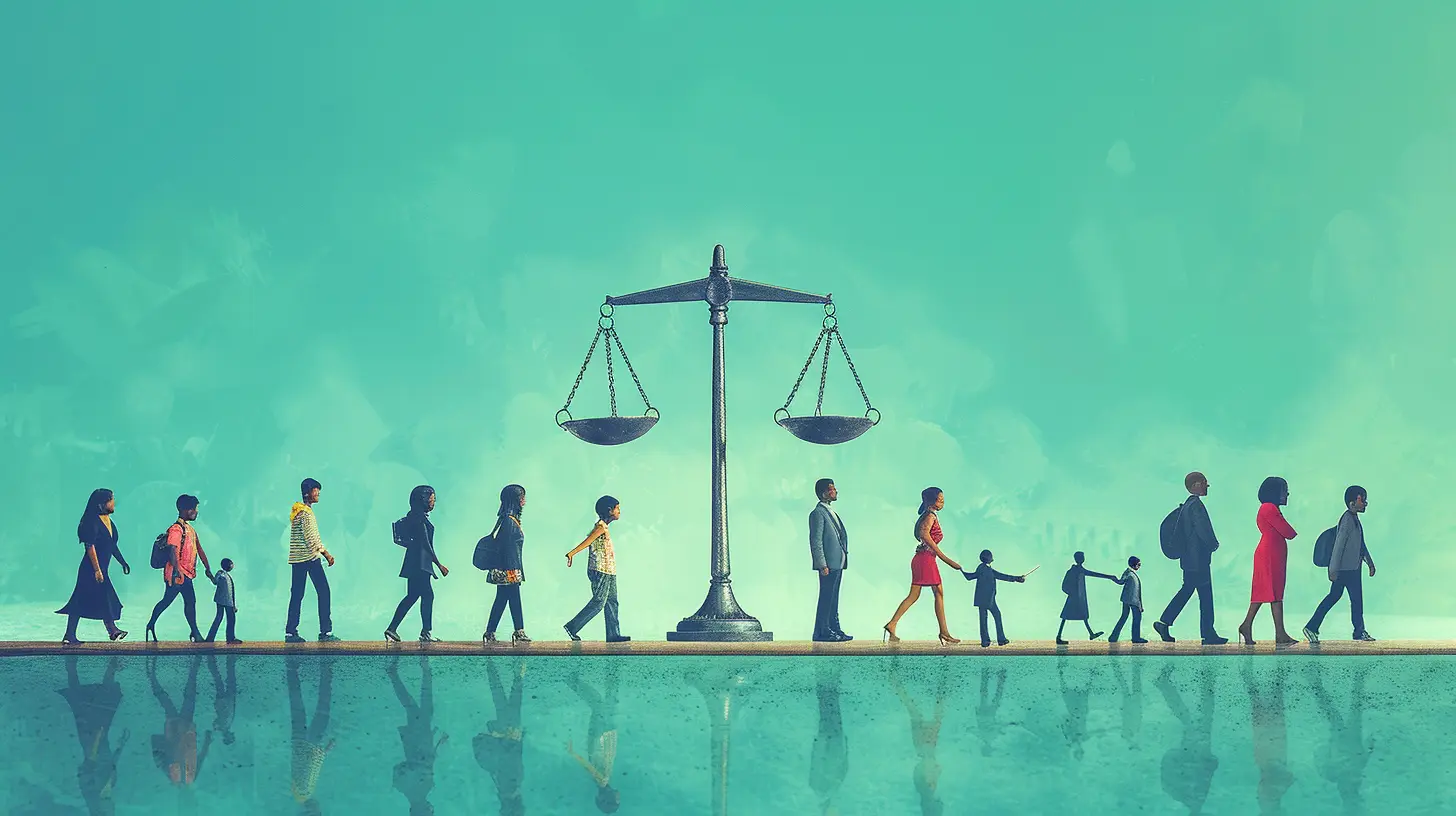
Overcoming Common Challenges in Teaching Fairness
Teaching fairness isn’t always smooth sailing. Here are some common challenges and how to handle them:1. Students Confusing Fairness with "Getting Their Way"
Many kids think fairness means they should always be happy. If a child says, “That’s not fair!” ask them:- “What do you mean by fair?”
- “Does fairness always mean the same for everyone?”
- “How can we make this fair for everyone?”
This encourages self-reflection instead of knee-jerk reactions.
2. Addressing Bias and Prejudice
Students come from different backgrounds and may have biases without realizing it. Encourage critical thinking by asking:- “Why do you think things are done this way?”
- “Who benefits and who doesn’t?”
- “How would you feel if you were in their shoes?”
Creating a safe space for open discussions helps students challenge unfair beliefs.
3. Balancing Fairness with Discipline
Fairness doesn’t mean no consequences. Make sure students understand that being fair sometimes means holding people accountable.- Explain why different actions have different consequences.
- Ensure rules are clear, consistent, and fair to all students.
Conclusion
Teaching fairness isn’t just about telling kids to “be nice.” It’s about helping them think critically, feel empathy, and take action when they see injustice.Through discussions, storytelling, role-playing, and real-life applications, we can equip students with the mindset they need to build a fairer world—one where everyone gets the opportunity to thrive.
And who knows? The lessons they learn today might just shape the leaders of tomorrow.
all images in this post were generated using AI tools
Category:
Character EducationAuthor:

Olivia Chapman
Discussion
rate this article
1 comments
Annette Lozano
This article offers valuable insights on fostering fairness in education, promoting a deeper understanding of justice and equity among students.
June 4, 2026 at 3:00 AM
Olivia Chapman
Thank you for your feedback! I'm glad you found the insights helpful in fostering fairness and understanding among students.