Teaching Portraiture: Understanding Proportion and Expression
31 January 2026
Have you ever looked at a portrait and thought, “Wow, that actually feels like the person”? That’s the magic of portraiture — it goes beyond just making something look like someone. It’s about capturing the essence, the emotion, the little quirks in the eyes or that hint of a smile that tell a story. Teaching portraiture wouldn’t be complete without diving into two key ingredients: proportion and expression.
Whether you're a teacher trying to break down the fundamentals or an aspiring artist sharpening your skills, this deep dive is going to help make the process not only doable but seriously exciting. Grab a sketchbook or open your favorite digital art app, and let’s talk about how to bring faces to life!
Why Teach Portraiture at All?
Let’s face it — humans love humans. We are endlessly fascinated by faces. Kids doodle smiley faces, artists obsess over portraits, and photographers chase the perfect headshot. Teaching portraiture offers students the chance to observe more deeply, to connect emotionally, and to unlock a whole new level of artistic communication.Portrait drawing also sharpens hand-eye coordination, promotes patience (you know it’s true!), and builds confidence.
But here’s the kicker — teaching it right requires simplifying complex ideas like proportion and expression without sucking the joy out of the art. That takes a little finesse.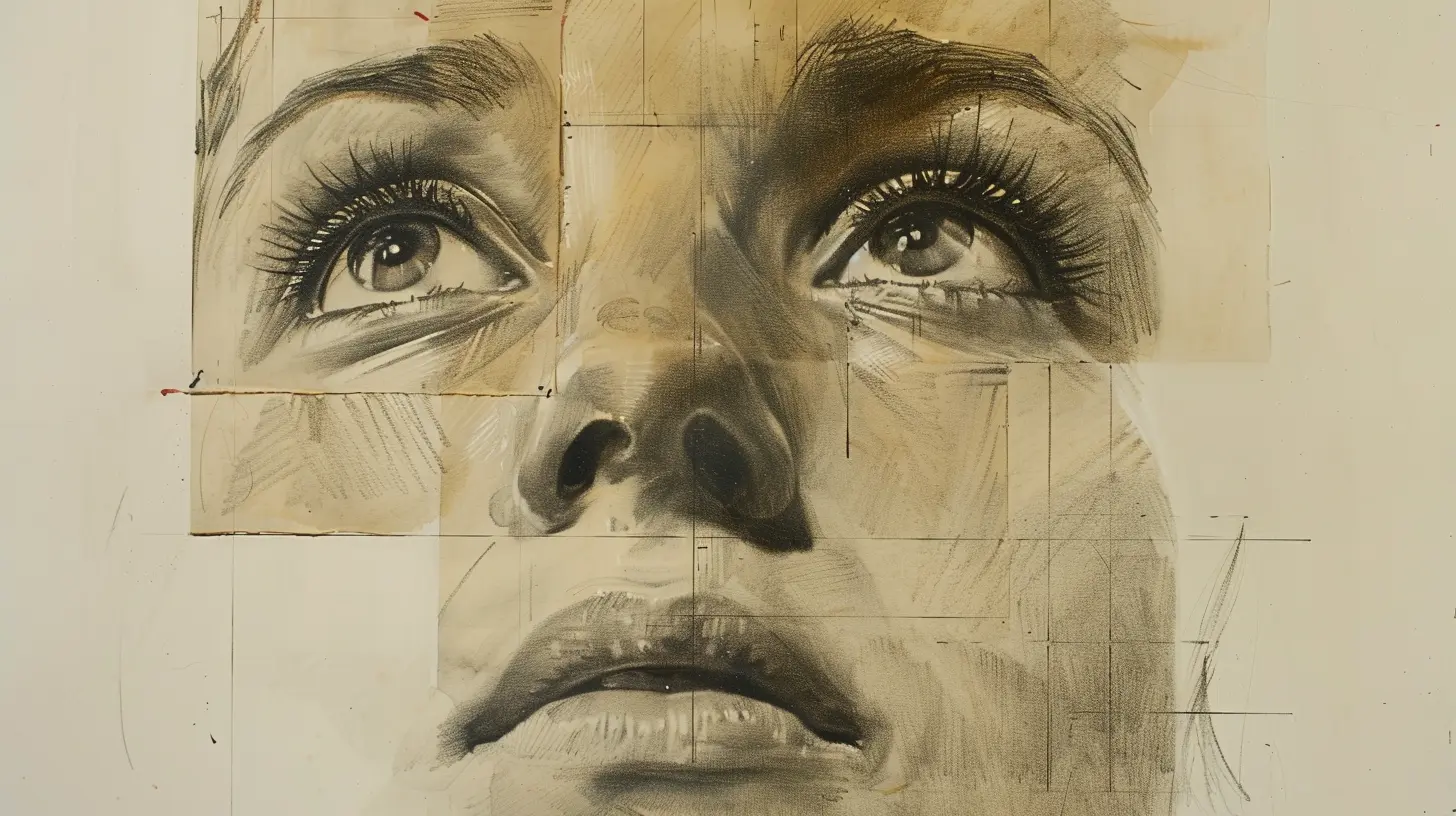
The Building Blocks of Portraiture
Before we dig into the juicy bits (proportion and expression), let’s quickly outline the basic framework of a portrait. Think of this like prepping your canvas before painting.1. The Face as a Map
Have you ever tried drawing a face and ended up with eyes floating somewhere near the forehead? You’re not alone. Faces can be tricky because our brains trick us into exaggerating features.The solution? Think of the face like a map — everything has a place.
- Head Shape: Usually an oval or an egg shape. Wider at the top, narrowing at the chin.
- Guidelines: Light horizontal and vertical lines divide the face into sections that help you place features correctly.
- Symmetry: While no face is perfectly symmetrical, understanding the "average" layout helps build structure.
These guidelines are your GPS. They help navigate where things go, so the face doesn’t end up looking like a Picasso (unless that’s what you're going for!).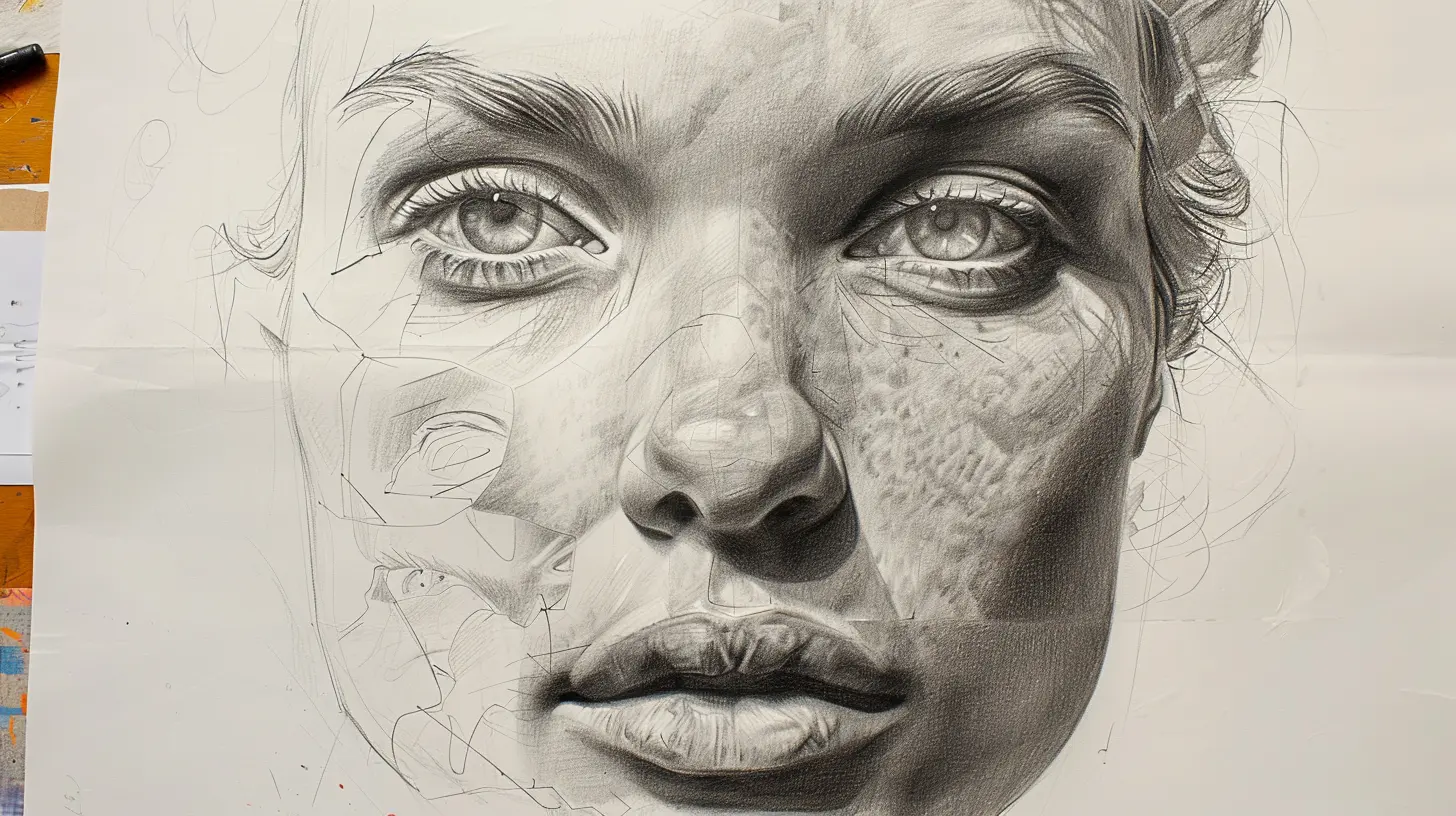
Understanding Proportion: The Secret Sauce of Likeness
Alright, let’s talk proportion — the secret to making a face look like a face (and not a potato with eyes).2. What Is Proportion in Portraiture?
Proportion refers to the relative size and placement of facial features. Get this part wrong, and you’re in caricature territory. Get it right, and suddenly your drawing feels balanced, realistic, and alive.Here's a breakdown of the “classic” face proportions that help as a starting point:
- The eyes sit halfway down the head.
- The nose ends halfway between the eyes and the chin.
- The mouth ends roughly one-third between the nose and chin.
- The space between the eyes is about the width of one eye.
- Ears align from the eye line to the bottom of the nose.
These aren’t rules set in stone — just guidelines. But knowing them gives students the structure needed to incorporate more accurate personal variations later.
3. Teaching Proportion: Fun Activities That Stick
You don’t need to break out the anatomy textbooks. Keep it simple and hands-on:- Mirror Selfies: Have students take a photo of themselves looking straight ahead and draw over it digitally or with tracing paper to spot the key proportional markers.
- Face Grids: Practice using a grid overlay on photos to understand how each part of the face relates to the others.
- Proportion Sketches: Do quick five-minute sketches focusing only on facial layout with no detail — this trains the eye.
The aim here is to make proportion second nature — like riding a bike. Once students “get it,” it becomes an unconscious part of their process.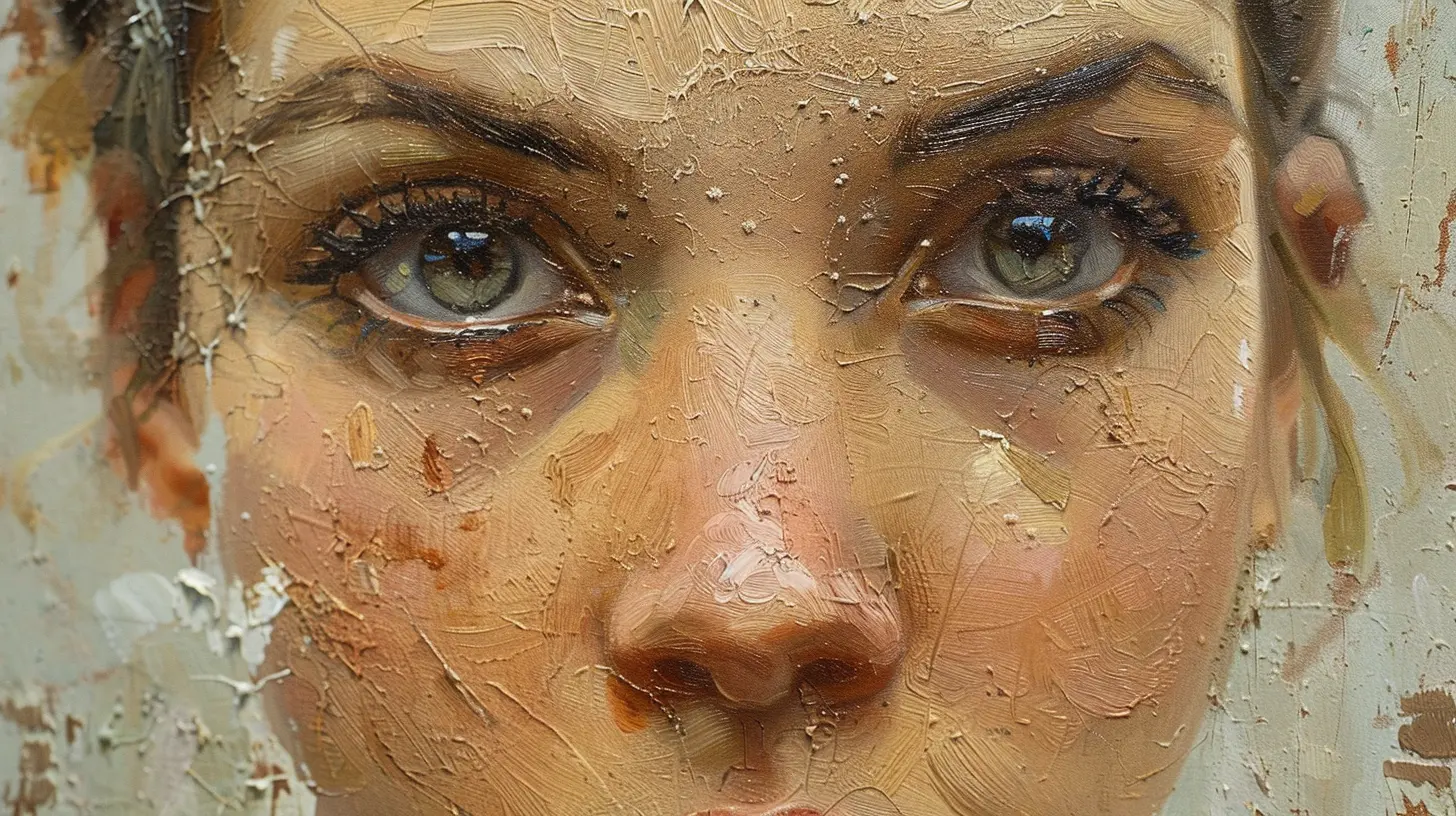
Expression: Bringing the Soul to the Surface
Okay, so you’ve got the structure down. Great! Now comes the fun part — giving life to the portrait. That means capturing expression.4. What Is Expression in Portraiture?
Expression is the emotion and personality shown through facial features. It’s the sparkle in the eyes, the quirk of a brow, or the subtle tilt of the lips.In short: Expression is the soul of portraiture.
People remember portraits with feeling. Think of the Mona Lisa — it’s not just her face, it’s that mysterious smile that keeps us staring.
5. Teaching Expression: Making Faces Matter
Helping students capture expression requires them to become emotional detectives. Encourage them to think like actors, interpreting feeling through muscle movement.Here are some ways to teach this:
- Emotion Study Sheets: Create a worksheet with different emotions (happy, angry, sad, surprised) and ask students to draw eyes, mouths, and eyebrows for each one.
- Mirror Play: Get students to mimic expressions in a mirror and try drawing themselves.
- Photo Challenges: Use images of people showing genuine expressions rather than posed, stiff faces. Real emotion is harder but more rewarding to capture.
Teaching expression is basically teaching empathy through art. It’s all about observation and understanding — and that’s a skill worth building.
Balancing Proportion and Expression
Here’s where the magic really happens. Proportion gives your portrait structure. Expression gives it life. Lean too far into one and neglect the other, and things can fall a bit flat.So, how do you juggle both?
6. Start with the Basics, Then Bend the Rules
Start with a well-proportioned base sketch to lock in your layout. Then, tweak specific elements to convey emotion. For example:- Raised eyebrows? Might stretch the forehead a little.
- A wide grin? Might lift the cheeks and narrow the eyes.
It’s like fine-tuning a puppet — a pull here, a tug there, and suddenly the character breathes.
Encourage students to trust their instincts here. If a face looks “off,” invite them to step back, squint, or even flip the image — this tricks the brain into seeing inconsistencies.
Common Mistakes in Portraiture (and How to Fix Them!)
Hey, we’ve all been there — you draw what you think a face should look like instead of what’s actually in front of you. Teaching students to move past these hurdles is where meaningful growth happens.Here are a few common trip-ups:
7. Drawing What You “Know,” Not What You See
Our brains love shortcuts. We default to symbols — like the football-shaped eye or the stylized nose.Fix: Use contour drawing and blind sketches to “reset” the brain and focus purely on observation.
8. Overemphasizing Detail Too Early
Going in on eyelashes before the head shape is even done? Slow down there, Michelangelo.Fix: Reinforce the importance of the sketching stage. Light layout first, refine later.
9. Lack of Value or Contrast
A portrait without value (light and shadow) looks flat — like a pancake face.Fix: Teach how light reveals form using simple shading exercises. Use a single light source and explore how it affects planes of the face.
Tools of the Trade: Best Mediums for Teaching Portraiture
You don’t need fancy equipment to start teaching portraiture. But a few handy tools can make practice smoother.- Graphite Pencils – Great for beginners (range from hard H pencils to soft B pencils)
- Charcoal – Bold and expressive, perfect for working with shadows and expression
- Erasers – Not just for fixing mistakes; kneaded erasers are amazing for creating highlights
- Mirror or Camera – To study real-life proportions and expression
- Digital Drawing Tools – Apps like Procreate or Adobe Fresco can help students experiment without fear of permanence
Keep in mind: The best tool is the one your students actually use.
Assessment Ideas for Portraiture Lessons
Let’s be honest, grading art is always a delicate dance. What even makes a “good” portrait? Instead of focusing just on realism, think about effort and understanding.A few ways to assess:
- Before-and-After Sketches: Have students draw a face at the beginning and end of the unit to show progress.
- Personal Reflections: Ask students what they learned about observation, emotion, or even themselves through the process.
- Peer Feedback: Create a respectful space where students can share constructive critiques and learn from each other.
Assess growth, not perfection. Portraiture is a journey.
Final Thoughts: Portraiture is Connection
Teaching portraiture isn’t just about getting the nose in the right spot — it’s an exploration of humanity. Through proportion, students build technical skill. Through expression, they build emotional depth. And through the process, they gain insight into how we perceive and present ourselves.So whether you’re guiding a classroom or teaching yourself, remember: the face is more than just features. It’s a canvas of stories, feelings, and identity. And you — yes you — have the power to uncover it all with just a pencil and a little patience.
Happy drawing!
all images in this post were generated using AI tools
Category:
Art EducationAuthor:
Olivia Chapman
Discussion
rate this article
2 comments
Loretta McGlynn
Proportion enhances emotional depth significantly.
February 15, 2026 at 5:46 AM
Olivia Chapman
Thank you for your insight! I agree—proportion truly plays a crucial role in conveying emotions in portraiture.
Zinn James
Great insights on teaching portraiture! Understanding proportion and expression is crucial for developing artistic skills.
January 31, 2026 at 12:57 PM
Olivia Chapman
Thank you! I'm glad you found the insights helpful—proportion and expression truly are key to mastering portraiture.