The Benefits of a Multicultural Curriculum
30 June 2026
Education is more than just memorizing facts and acing tests. It's about shaping young minds, broadening perspectives, and preparing students for the real world. And let's be real—the world we live in is diverse. So, why should our classrooms be any different?
A multicultural curriculum isn't just a trendy concept; it's a necessity. It exposes students to different cultures, traditions, and perspectives, helping them grow into open-minded and inclusive individuals. But what makes it so important? And how can it benefit students, teachers, and society as a whole? Let's dive in! 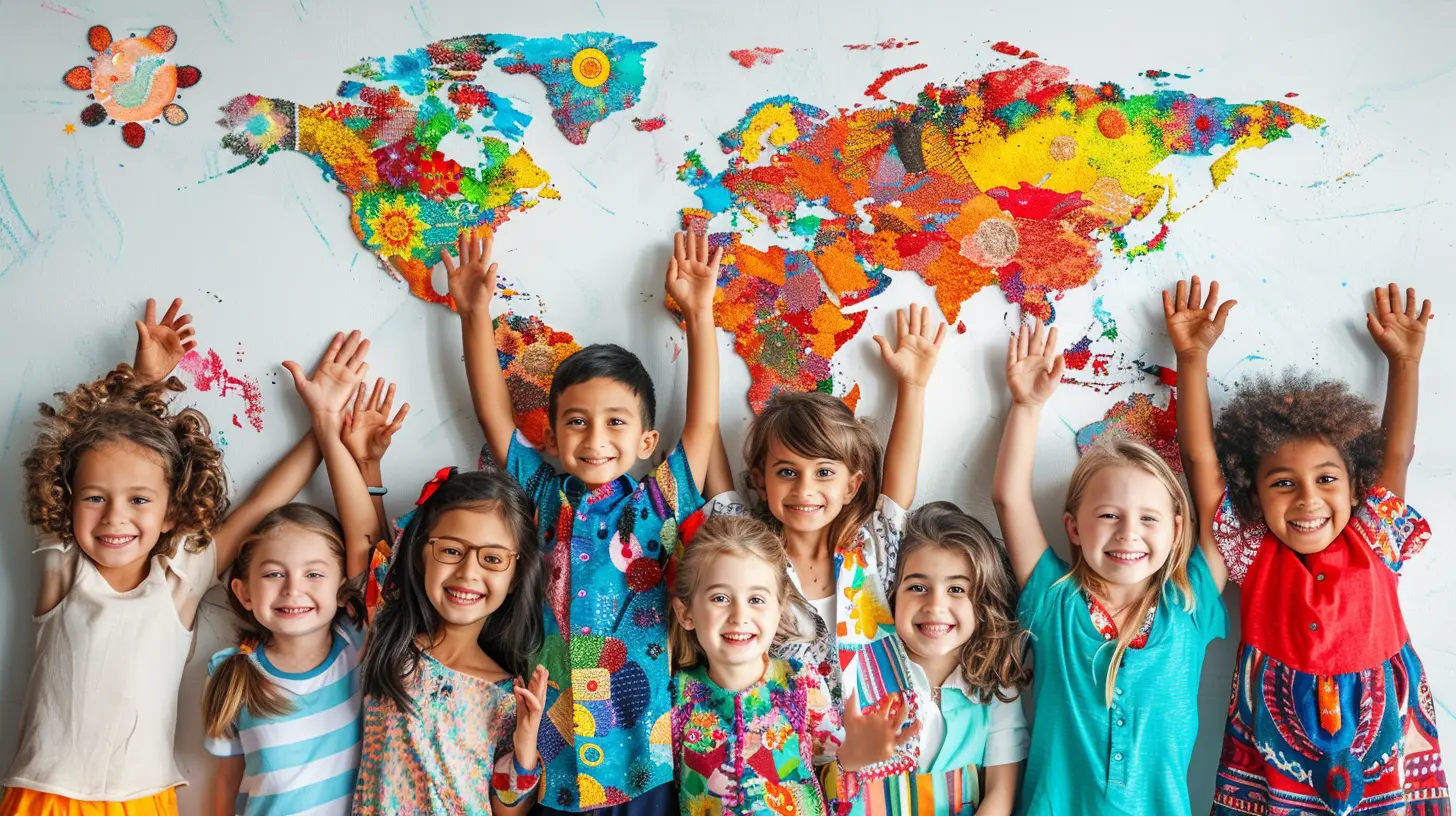
What Is a Multicultural Curriculum?
Before we get into the benefits, let's define what we're talking about. A multicultural curriculum integrates content from diverse cultures, histories, and perspectives into everyday learning. Instead of focusing solely on one dominant culture, it ensures that students learn about various traditions, beliefs, and experiences.This approach isn't about replacing one culture with another—it's about inclusion. It's adding more voices to the conversation, allowing students to see the world through multiple lenses. 
Why Is a Multicultural Curriculum Important?
Imagine growing up and never seeing your culture, traditions, or history represented in school. You'd probably feel invisible, right? This is the reality for many students when education lacks an inclusive approach.A multicultural curriculum ensures that every student feels seen, valued, and respected. It helps break down stereotypes, reduces prejudice, and fosters a sense of belonging. But that's just scratching the surface. Let's look at the deeper benefits. 
The Key Benefits of a Multicultural Curriculum
1. Promotes Inclusivity and Representation
Representation matters. When students see their culture included in lessons, they feel a greater sense of belonging in the classroom. It tells them, "Your story matters."For example, reading literature from various cultures or discussing historical events from multiple perspectives ensures a more well-rounded education. It shifts the narrative from a single-story focus to a richer, more inclusive one.
2. Encourages Critical Thinking
A multicultural curriculum teaches students to question, analyze, and think independently. When exposed to different perspectives, they learn that history isn't just a one-sided story—it's a collection of voices, experiences, and interpretations.By comparing different viewpoints, students develop critical thinking skills that help them navigate the complexities of the real world. Instead of blindly accepting information, they learn to ask: Who is telling this story? What voices are missing?
3. Prepares Students for a Globalized World
The world is more interconnected than ever. Whether in business, science, or politics, cross-cultural interactions are part of daily life. A multicultural curriculum helps students develop cultural competence, enabling them to work effectively with diverse people.Think about it—companies today seek employees who can collaborate with people from all over the globe. By understanding different cultures early on, students gain a competitive edge in the future job market.
4. Boosts Empathy and Social Awareness
When students learn about different cultures, traditions, and struggles, they develop empathy. They begin to see people as individuals with unique experiences rather than just labels or stereotypes.For example, learning about historical injustices from multiple perspectives helps students understand the long-lasting impact of discrimination. This awareness fosters a more compassionate and socially responsible mindset.
5. Enhances Engagement and Interest
Let’s be honest—most students find history or literature boring when they can’t relate to it. But introduce stories, music, or traditions from various cultures, and suddenly, learning becomes more engaging and meaningful.When students see their interests reflected in the curriculum, they're more likely to participate actively in discussions and coursework. A culturally diverse learning environment makes education feel more personal and relatable.
6. Strengthens Communication Skills
Effective communication isn’t just about speaking clearly; it’s about understanding different viewpoints. A multicultural curriculum encourages students to engage in meaningful conversations, listen actively, and express themselves respectfully.By learning about different cultural norms and expressions, students become more open-minded communicators, which is a valuable life skill in both personal and professional relationships.
7. Breaks Down Stereotypes and Reduces Prejudice
Many biases come from misinformation or lack of exposure. When students are only exposed to limited narratives, they’re more likely to develop misconceptions about people who are different from them.A multicultural curriculum actively dispels stereotypes by presenting authentic representations of various cultures. It challenges assumptions and encourages students to see the diversity within each culture, rather than relying on generalizations.
8. Encourages Collaboration and Teamwork
In a diverse classroom, students bring different perspectives, traditions, and experiences into discussions. This diversity fosters collaboration and teaches students how to work effectively with people who think and see the world differently.Whether in group projects, debates, or classroom discussions, students learn to value different viewpoints, leading to richer conversations and innovative ideas. 
How Educators Can Implement a Multicultural Curriculum
Introducing a multicultural curriculum doesn't mean overhauling the entire education system overnight. Small, intentional changes can make a huge difference. Here are some practical ways educators can incorporate multicultural elements into their teaching:1. Diversify Learning Materials
- Use books, films, and articles from diverse authors and perspectives.- Include literature that features characters from various cultures.
2. Incorporate Cultural Celebrations
- Recognize and celebrate different holidays and traditions.- Invite guest speakers from various cultural backgrounds.
3. Encourage Open Discussions
- Create a classroom environment where students feel comfortable sharing their backgrounds.- Facilitate meaningful conversations about race, identity, and cultural differences.
4. Use Inclusive Language
- Be mindful of how topics are presented.- Avoid biased or stereotypical language in lesson plans and discussions.
5. Promote Multicultural Projects
- Assign research projects on global issues.- Encourage students to explore their own cultural backgrounds and share with the class.
The Long-Term Impact of a Multicultural Curriculum
The benefits of a multicultural curriculum extend far beyond the classroom. Students who grow up learning about different cultures become more accepting, empathetic, and globally aware adults.By embracing diversity in education, we’re shaping a future generation that values inclusivity and mutual respect. These students will go on to become leaders, educators, and professionals who foster unity rather than division.
The bottom line? A multicultural curriculum isn’t just about education—it’s about creating a society that thrives on understanding and cooperation. And that’s a lesson worth teaching.
Final Thoughts
Education should reflect the world in which we live, and that world is beautifully diverse. A multicultural curriculum isn't just a benefit—it's a necessity for shaping open-minded, well-rounded individuals.By implementing diverse perspectives in education, we create classrooms that are inclusive, engaging, and empowering. So why settle for a narrow lens when we can give students the whole picture?
all images in this post were generated using AI tools
Category:
Cultural AwarenessAuthor:

Olivia Chapman
Discussion
rate this article
1 comments
Daisy McSweeney
A multicultural curriculum enriches learning by exposing students to diverse perspectives and cultures. This approach fosters inclusivity and empathy, preparing students for a globalized world. While it requires careful implementation, the benefits in promoting understanding and respect among students are invaluable in today's interconnected society.
July 26, 2026 at 4:26 AM
Olivia Chapman
You're absolutely right. A multicultural curriculum not only broadens perspectives but also cultivates empathy and respect among students, which is essential in our diverse world. The effort to implement it brings lasting benefits.