The Benefits of Service Learning for Character Development
27 July 2026
Introduction
Let’s be real—education isn’t just about memorizing equations and cramming history dates before a test. True learning extends beyond textbooks, and that’s where service learning swoops in to steal the show. Not only does service learning shape students into well-rounded individuals, but it also cultivates character traits that last a lifetime.
Think of it as a gym for the soul—strengthening empathy, teamwork, and leadership while making a real impact in communities. If you’ve ever wondered why schools are pushing service learning, buckle up because we’re about to break down all the amazing benefits it brings to character development. 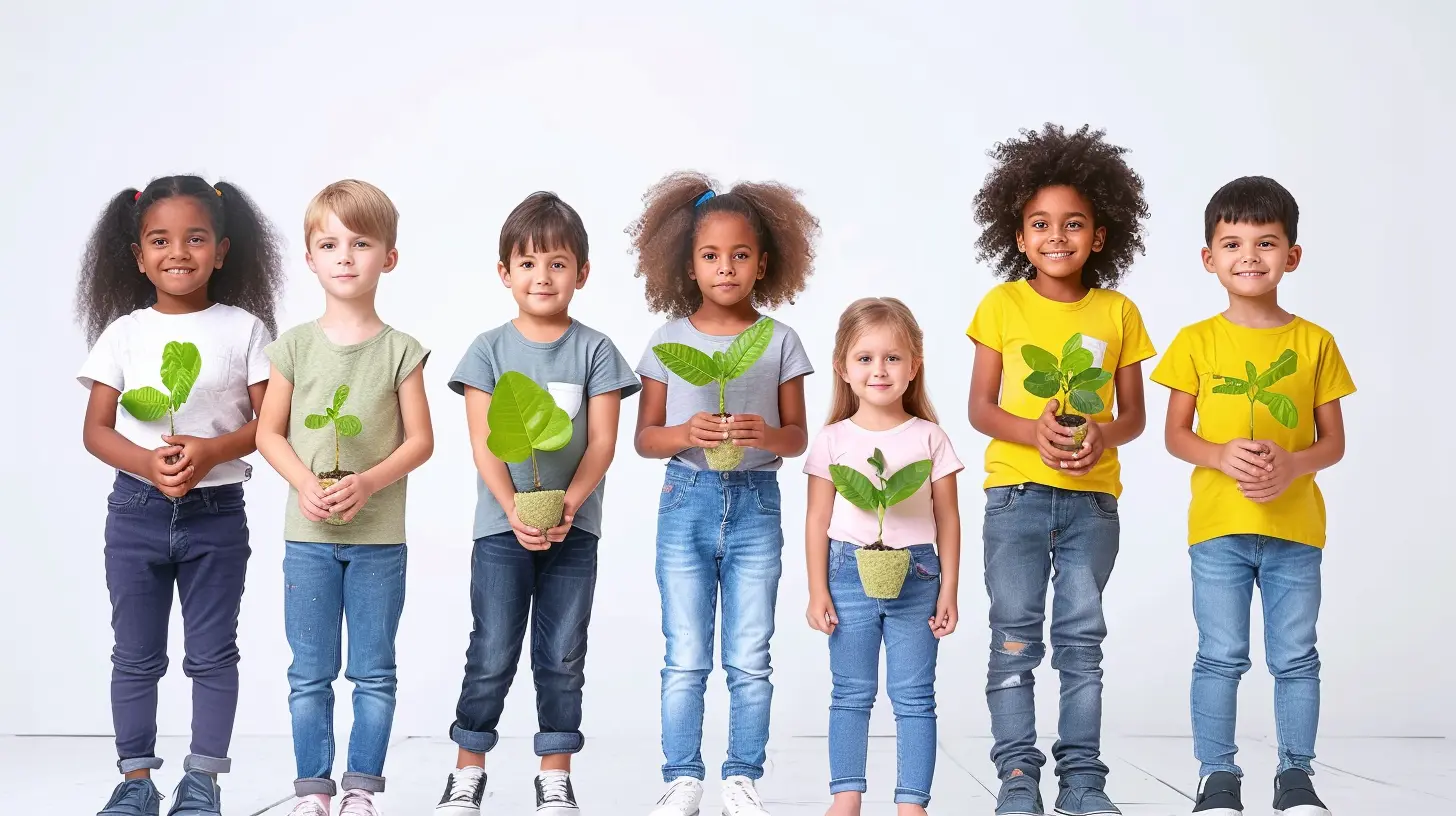
What Is Service Learning Anyway?
Before we dive into the benefits, let’s get on the same page about what service learning actually is. It’s not the same as volunteering (though they are cousins). Service learning combines academic instruction with meaningful community projects. It's like education with a mission—students don’t just study concepts; they apply them in real-world situations.For example, instead of just reading about environmental issues, students might organize a community clean-up. Or rather than discussing food insecurity in class, they could volunteer at a food bank while learning about economic disparities. See the difference? It's education, but with an edge. 
1. Builds Empathy Like No Other
Want to know the secret sauce behind being a decent human? Empathy. And service learning serves it up in generous portions.When students work directly with communities—whether it’s mentoring younger kids, serving meals, or assisting seniors—they step outside their bubble. They meet people with different backgrounds, struggles, and life stories. Suddenly, issues that felt distant become personal. And once they start seeing the world through someone else’s eyes, their ability to connect with others skyrockets.
In a world that seriously lacks compassion, practicing empathy is like giving humanity a much-needed upgrade. 
2. Sharpens Leadership Skills
Not everyone is born a leader, but service learning has a sneaky way of bringing that side out of people. When students take charge of projects, organize events, or rally their peers for a cause, they’re building leadership muscles without even realizing it.Initiative, problem-solving, communication—these aren’t just resume buzzwords; they’re crucial life skills. Whether they’re leading a recycling program or coordinating a charity drive, students learn to step up, take responsibility, and work towards a shared goal.
Who knows? That kid managing a school fundraiser today could be running a Fortune 500 company tomorrow. 
3. Enhances Teamwork and Collaboration
Newsflash: Life is a team sport. Knowing how to work well with others is non-negotiable.Service learning thrives on teamwork. Students must plan, communicate, and problem-solve together. They quickly realize that cooperation isn’t about bossing people around or going solo—it’s about listening, compromising, and playing to each other’s strengths.
Think about it like this: If service learning were a game, it wouldn’t be a one-person show. It’s more like basketball—every player has a role, and the only way to win is by working as a unit.
4. Boosts Problem-Solving Abilities
Let’s face it—life is one giant puzzle. The ability to think critically and tackle challenges head-on is a superpower.Service learning puts students in real-world scenarios where unexpected problems pop up. Maybe the fundraiser doesn’t meet its goal. Maybe weather ruins their community garden project. Instead of throwing in the towel, they have to pivot, adapt, and find creative solutions.
Trial and error become part of the process, and students develop resilience. They don’t just learn about problem-solving—they live it. And that, my friends, is an invaluable skill.
5. Strengthens Social and Communication Skills
You know what’s awkward? Not knowing how to hold a conversation.Service learning forces students out of their shells. Whether they’re speaking in front of groups, coordinating events, or simply interacting with community members, their communication skills get a serious upgrade.
They learn how to express ideas clearly, listen actively, and engage with people from all walks of life. The ability to confidently communicate is a game-changer, whether they're presenting in class today or leading a boardroom meeting in the future.
6. Encourages a Growth Mindset
Failure isn’t the enemy—it’s a teacher.Service learning teaches students that mistakes and setbacks aren’t dead ends. Maybe their first project didn’t go as planned. Maybe they faced rejection. Instead of giving up, they learn to reflect, tweak, and try again.
This type of resilience shapes a growth mindset. Students start seeing challenges as opportunities rather than roadblocks. They don't just build character; they build grit.
7. Fosters a Sense of Social Responsibility
Let’s be honest—many students live in a bubble. Service learning pops that bubble with a reality check.When students engage with communities, they see firsthand how social issues affect real people. They don’t just talk about change; they become part of the solution. Whether it’s fighting for environmental sustainability or supporting underprivileged kids, they start realizing their actions have power.
And guess what? That mindset sticks. Many students who engage in service learning continue making a difference long after they graduate.
8. Builds Confidence and Self-Worth
Nothing boosts confidence like knowing you made a real impact.When students see the smiles they bring to others, the lives they touch, and the progress they spark, they feel valuable. They realize they have something to contribute, and that sense of self-worth is priceless.
Service learning isn’t just about helping others—it’s about students discovering their own potential. And that? That’s the kind of confidence no classroom lecture can teach.
9. Prepares Students for the Real World
Spoiler alert: Employers love candidates with service learning experience.Why? Because it proves they’ve developed critical thinking, leadership, teamwork, and problem-solving skills—all qualities that make them stand out in a sea of job applicants.
Colleges love it too. Admissions officers don’t just want academic robots; they want students who show initiative, compassion, and a commitment to making the world better. Service learning checks all those boxes.
In short, it’s not just a feel-good activity—it’s a career and life booster.
Final Thoughts
Service learning isn’t just an extracurricular activity—it’s a transformation tool. It shapes students into compassionate, responsible, and capable individuals who aren’t just book-smart but life-smart.From empathy and leadership to teamwork and confidence, the character-building perks of service learning are endless. It’s education with purpose, and honestly, that’s the best kind of learning there is.
So if you ever get the chance to engage in service learning, don’t hesitate. Dive in, get your hands dirty, and let it change you for the better.
all images in this post were generated using AI tools
Category:
Character EducationAuthor:

Olivia Chapman
Discussion
rate this article
1 comments
Ziva Ford
Service learning offers students a chance to apply their skills in real-world settings, fostering empathy and responsibility. By engaging with the community, they develop critical life skills and values that shape their character and enhance personal growth.
July 31, 2026 at 3:46 AM
Olivia Chapman
Absolutely! Service learning not only bridges the gap between theory and practice but also cultivates essential life skills that contribute to personal growth and character development. It's a win-win for both students and the community.