The Essentials of Curriculum Design for Early Childhood Education
2 September 2026
Early childhood education is like the foundation of a house—get it right, and everything built on top stands strong. A well-designed curriculum ensures that little learners get the best possible start in life, shaping their cognitive, emotional, and social development. But what exactly goes into crafting the perfect early childhood curriculum? Let’s dive in! 
? What Is Curriculum Design in Early Childhood Education?
Simply put, curriculum design is the blueprint for what and how children learn. It encompasses lesson plans, teaching strategies, and learning goals tailored to young minds.Unlike older students, early learners need hands-on activities, playful exploration, and structured routines that help them make sense of the world. A well-structured curriculum balances academics, social interactions, and emotional intelligence—because let’s be real, a five-year-old probably won’t sit through an hour-long lecture on the alphabet! 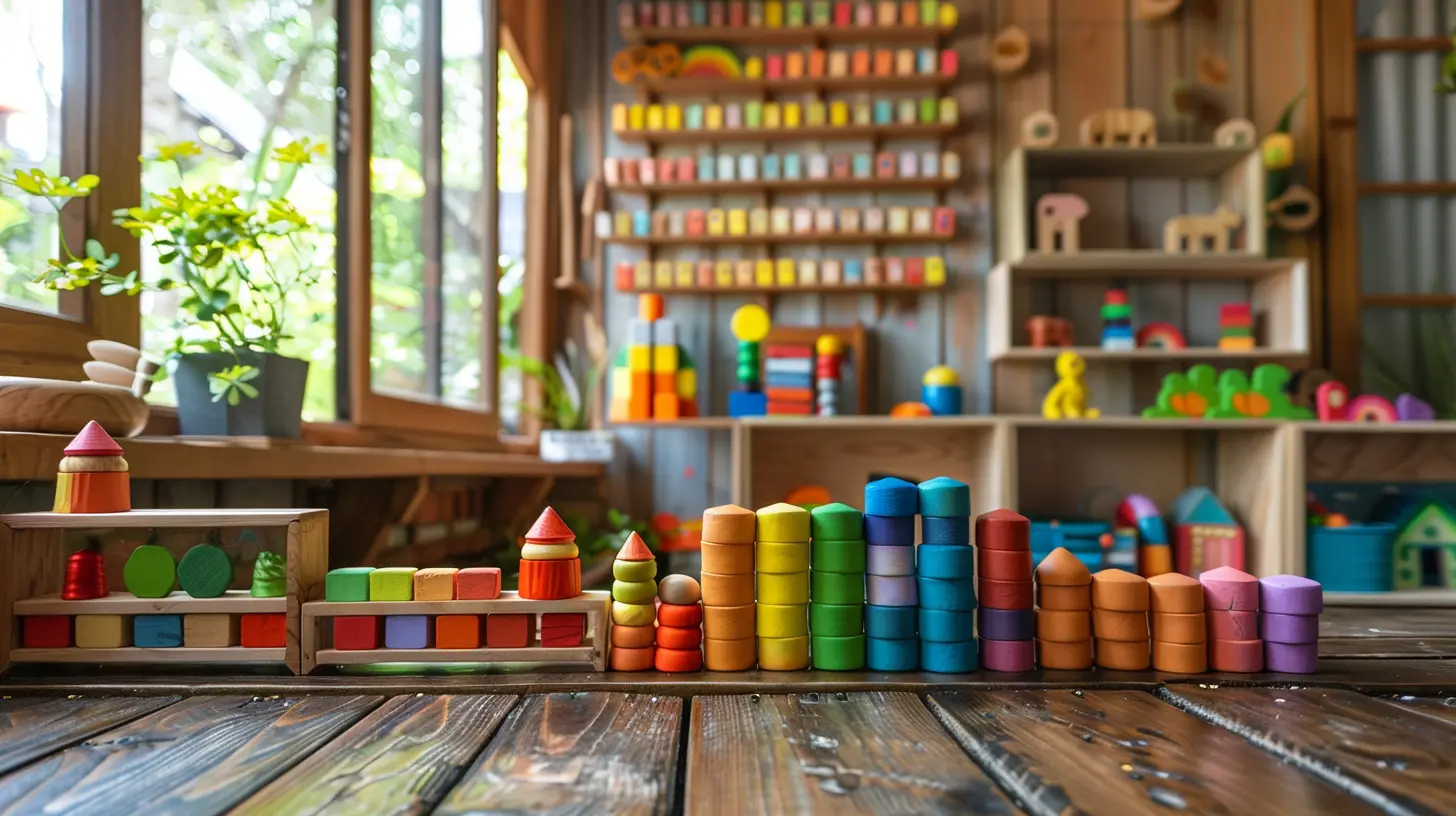
?️ Key Elements of a Strong Early Childhood Curriculum
Creating an engaging and effective curriculum isn't just about picking fun activities. It requires careful planning and understanding of child development. Here are the core components that make up a well-rounded curriculum:1️⃣ Developmentally Appropriate Practices (DAP)
Every child is unique, but they all go through common stages of development. A good curriculum should match these stages, ensuring that children aren't overwhelmed or under-challenged.For example, expecting a three-year-old to write full sentences? Not realistic. Encouraging them to scribble and recognize letters? That’s the sweet spot!
2️⃣ Play-Based Learning
Kids learn best when they’re having fun—plain and simple. Play-based learning allows children to develop cognitive and motor skills naturally.Building a tower with blocks? That’s physics. Playing pretend as a doctor? That’s social-emotional learning. Through play, kids absorb knowledge without even realizing it!
3️⃣ Holistic Development Focus
A well-designed curriculum doesn’t just teach ABCs and 123s. It nurtures all aspects of a child's growth:- Cognitive skills (problem-solving, memory, language)
- Social skills (sharing, cooperation, communication)
- Emotional intelligence (self-awareness, empathy, emotional regulation)
- Physical development (fine and gross motor skills)
When all these areas are nurtured together, children develop into well-rounded individuals. 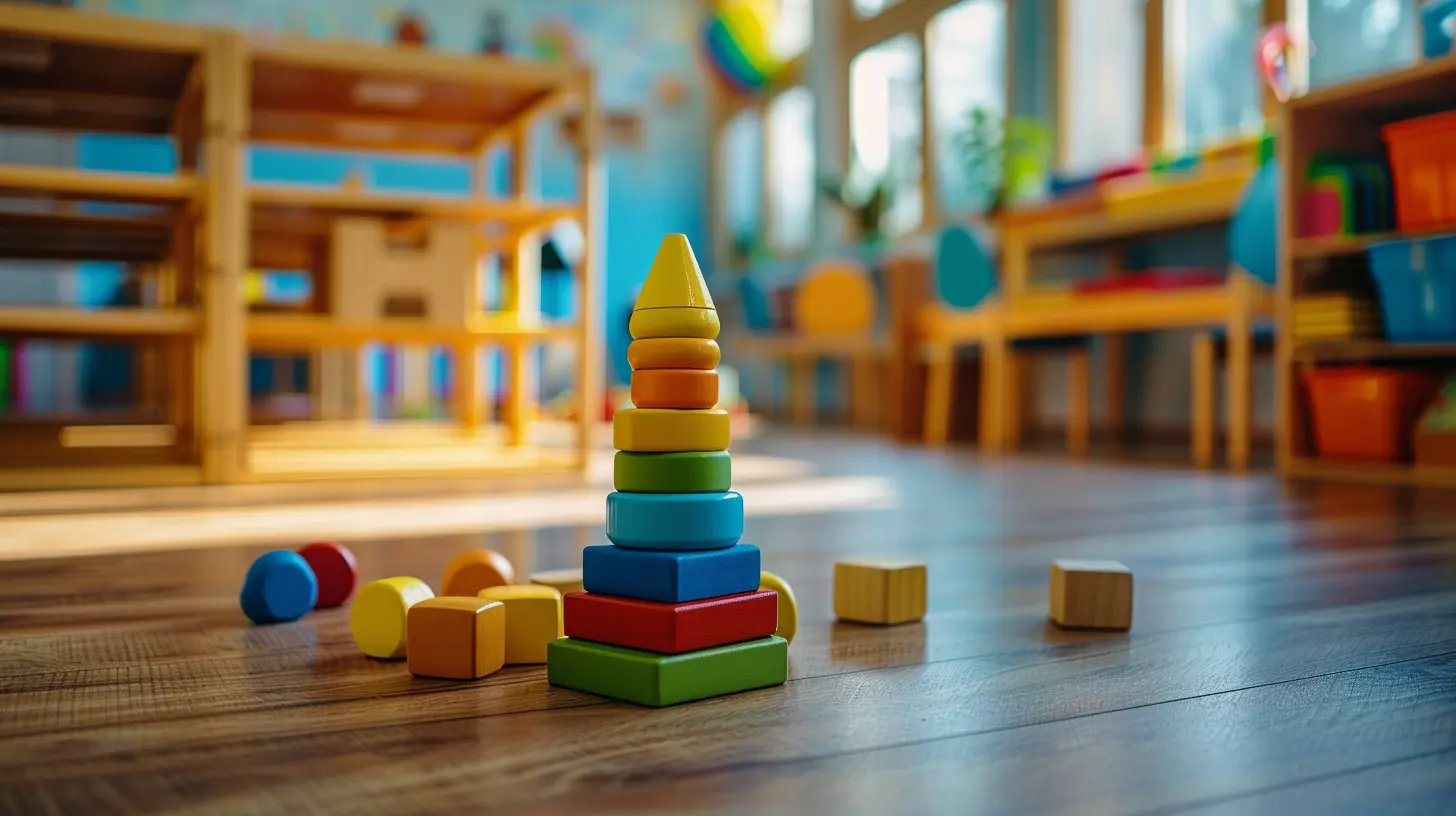
? Core Subjects in Early Childhood Curriculum
A balanced early childhood curriculum covers various subjects in a way that’s engaging and age-appropriate.? Language & Literacy
Early literacy isn’t just about learning to read—it’s about building a love for language. Singing nursery rhymes, storytelling, and simple phonics activities help develop vocabulary and comprehension skills.? Math Concepts
Basic math skills start with simple activities: counting toys, sorting shapes, and recognizing patterns. These foundational skills make math fun and set the stage for future learning.? Science & Exploration
Curious kids are natural scientists, always asking "Why?" and "How?" A great curriculum includes hands-on experiments like watching plants grow, exploring textures, or mixing colors to spark curiosity.? Creative Arts
Art, music, and drama help children express themselves. Whether it’s finger painting, dancing, or role-playing, creative activities encourage self-confidence and imagination.? Physical Development
Little ones need to move! Whether it's running, jumping, or balancing, physical activities support motor development and overall health.
? The Role of Teachers & Parents in Curriculum Implementation
Even the best curriculum won’t work without the right people guiding it. Teachers and parents play an essential role in bringing the curriculum to life.? Teachers as Facilitators
Teachers aren't just instructors—they're guides, cheerleaders, and sometimes even referees! A great teacher:- Observes and adapts the curriculum based on children's needs
- Encourages curiosity and exploration
- Provides a supportive and nurturing environment
??? Parents as Partners
Learning doesn't stop at school. Parents should be actively involved by:- Reading to their child daily
- Encouraging play-based learning at home
- Communicating with teachers about progress and challenges
When teachers and parents work together, children thrive!
? How to Structure an Effective Daily Routine
Predictability helps young children feel safe and secure. A well-structured daily routine balances learning, play, and rest. Here’s what a typical day might look like:| Time | Activity |
|---------------|---------------------------------|
| 8:00 AM | Arrival & Free Play |
| 9:00 AM | Circle Time (Songs & Storytelling) |
| 9:30 AM | Themed Learning Activity |
| 10:15 AM | Snack Break |
| 10:45 AM | Outdoor Play |
| 11:30 AM | Arts & Crafts or STEM Activity |
| 12:00 PM | Lunch & Rest Time |
| 2:00 PM | Music & Movement |
| 2:30 PM | Storytime & Reflection |
A structured yet flexible routine keeps kids engaged while allowing room for exploration.
? Tips for Designing an Engaging Curriculum
If you’re involved in crafting an early childhood curriculum, here are some golden rules:✔️ Keep it fun! If it’s boring for adults, imagine how kids feel!
✔️ Use hands-on activities. Kids learn by doing, not by sitting still.
✔️ Be flexible. Adapt to each child’s learning pace.
✔️ Encourage curiosity. Let children ask questions and find answers through exploration.
✔️ Balance academics and play. Both are equally valuable for development.
? Final Thoughts
Designing a curriculum for early childhood education isn’t just about teaching letters and numbers—it’s about shaping well-rounded, curious, and confident little humans. By combining developmentally appropriate practices, play-based learning, and a supportive environment, we create a strong foundation for lifelong learning.So, whether you're a teacher, a parent, or just someone passionate about early education, remember: the best curriculum is one that makes learning a joyful adventure!
all images in this post were generated using AI tools
Category:
Curriculum DesignAuthor:

Olivia Chapman
Discussion
rate this article
2 comments
Harvey Love
Great insights! Curriculum design really shapes young minds. It's exciting to see how creativity can spark their love for learning.
September 8, 2026 at 4:20 AM
Zella McIlwain
This article highlights the crucial elements of curriculum design in early childhood education, emphasizing adaptability, creativity, and child-centered approaches. A strong curriculum can significantly impact children's development and lifelong learning. Essential reading for educators.
September 2, 2026 at 11:34 AM