The French Revolution and the Birth of Modern Democracy
27 December 2025
History isn't just a dry record of dates and battles. Sometimes, it's a storm of passion, ideals, blood, and thunder that births something entirely new. The French Revolution was one such storm — a fiery surge of liberty, equality, and fraternity that swept through the soul of 18th-century France and reshaped the modern world.
But here's the twist: this revolution wasn’t just about toppling a king. It was about something far more powerful — an idea. The idea that people, not monarchs, should hold the reins of power. Let’s dive into the tale of the French Revolution, where whispers of democracy turned into roaring demands for justice and change.
🌪️ A Nation on the Edge: France Before the Revolution
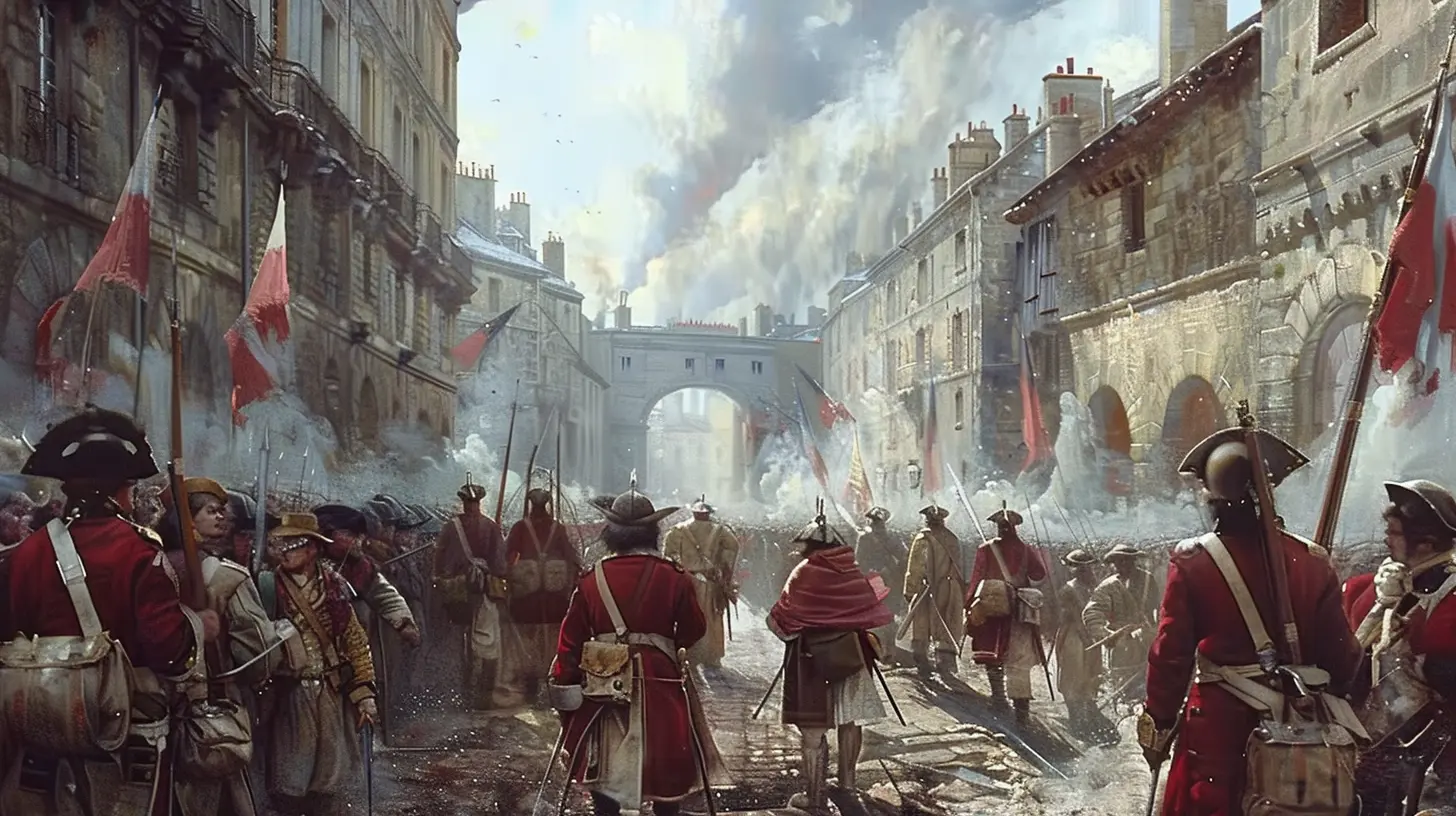
Imagine a society where a tiny elite owns nearly everything, and the majority toil endlessly, crushed by taxes and hunger. That was France in the late 1700s. The monarchy, led by King Louis XVI, lived in unimaginable luxury, while peasants and commoners (known as the Third Estate) struggled to feed their families.The French socio-political system was neatly divided into Three Estates:
- The First Estate (clergy)
- The Second Estate (nobility)
- The Third Estate (everyone else — from peasants to rich merchants)
Now, here’s the kicker: the First and Second Estates paid little to no taxes, while the Third Estate carried the nation’s financial burden. Sounds fair, huh? Yeah, we didn’t think so either.
The Enlightenment was simmering in Europe, cooking up bold new ideas — liberty, equality, human rights. Thinkers like Rousseau, Voltaire, and Montesquieu were questioning the divine rule of kings and dreaming up a society ruled by reason and justice.
Mix that with economic crisis, food shortages, and a government deep in debt, and you’ve got the perfect recipe for revolution.
🔥 The Spark That Lit the Flame: The Estates-General and the Tennis Court Oath
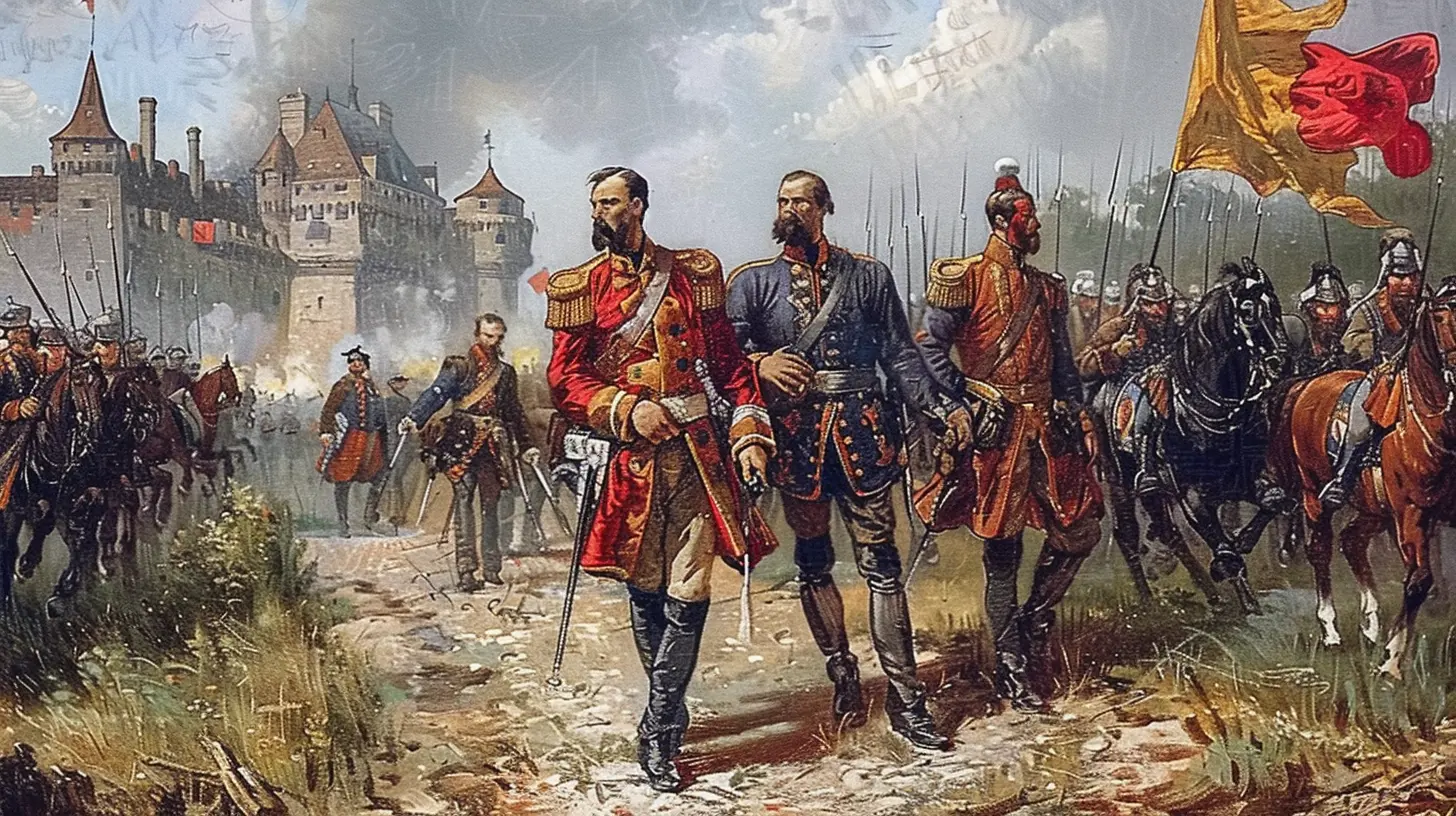
In 1789, facing financial collapse, King Louis XVI called a meeting of the Estates-General — basically, a representative body with members from all three estates. It was the first time it had been called in over 170 years. That’s like pulling a dusty old relic from the attic and hoping it’ll fix your modern problems.But something extraordinary happened.
The Third Estate, tired of being ignored, took a bold step. They broke away and declared themselves the National Assembly, claiming they represented the will of the people. When the king tried to shut them out, they met on a nearby indoor tennis court and took the now-famous Tennis Court Oath — vowing not to disband until France had a new constitution.
Imagine that — a room full of fired-up citizens swearing to stand up for their rights in the face of royal resistance. In that hot, cramped court, democracy took its first breath in France.
🏰 Storming the Bastille: The People Take the Stage
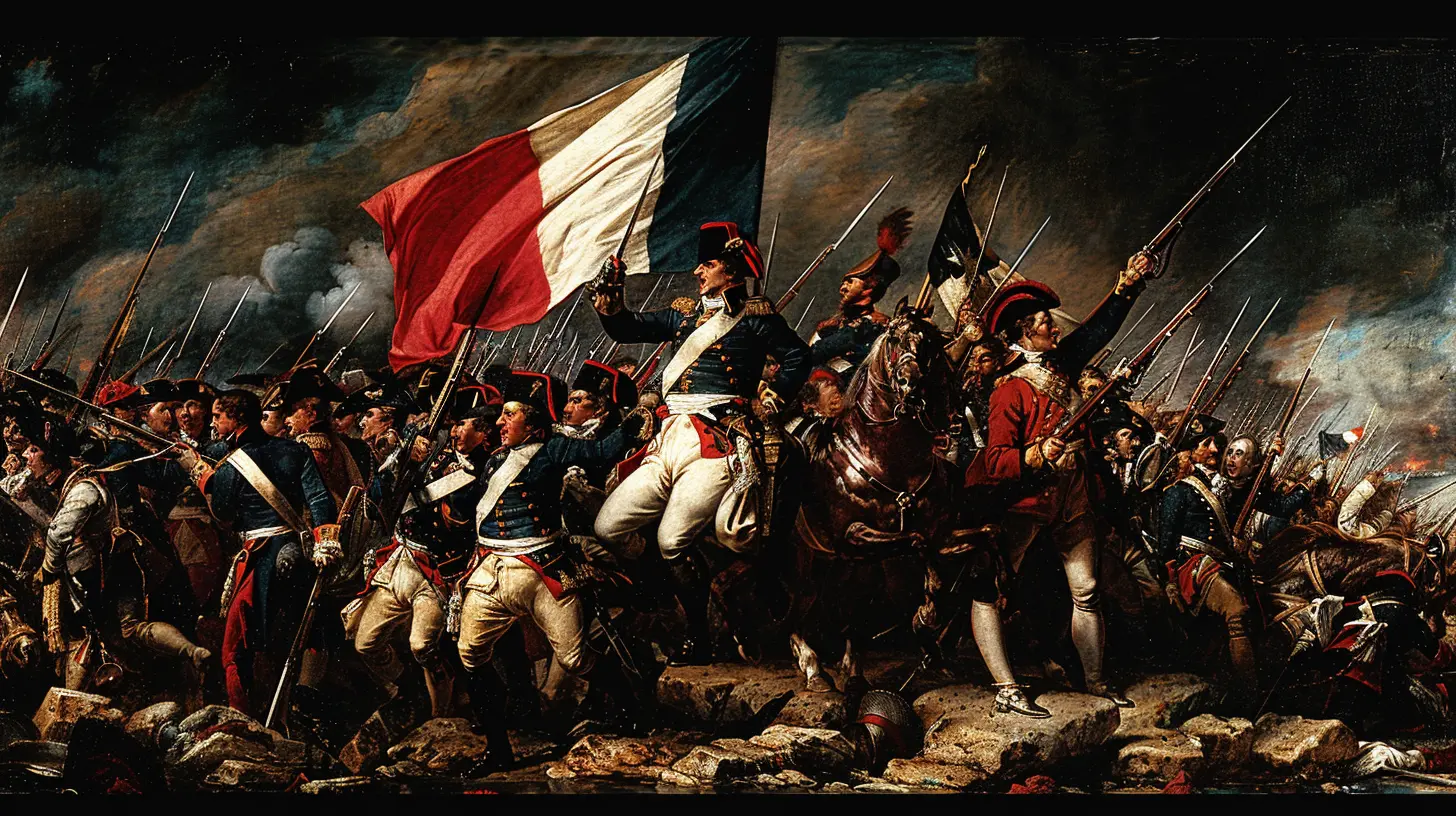
Fast forward to July 14, 1789 — a day that still echoes in the French national memory.Parisians, fed up with royal tyranny, stormed the Bastille, a medieval fortress that symbolized absolute power. They weren’t just after guns and gunpowder; they were sending a message loud and clear: power now lies with the people.
The fall of the Bastille was more than just a dramatic clash — it marked a tipping point. Across France, uprisings ignited like wildfire. Peasants attacked manors, burned feudal contracts, and demanded freedom. It was the people’s revolution. And the old order? It was starting to crumble fast.
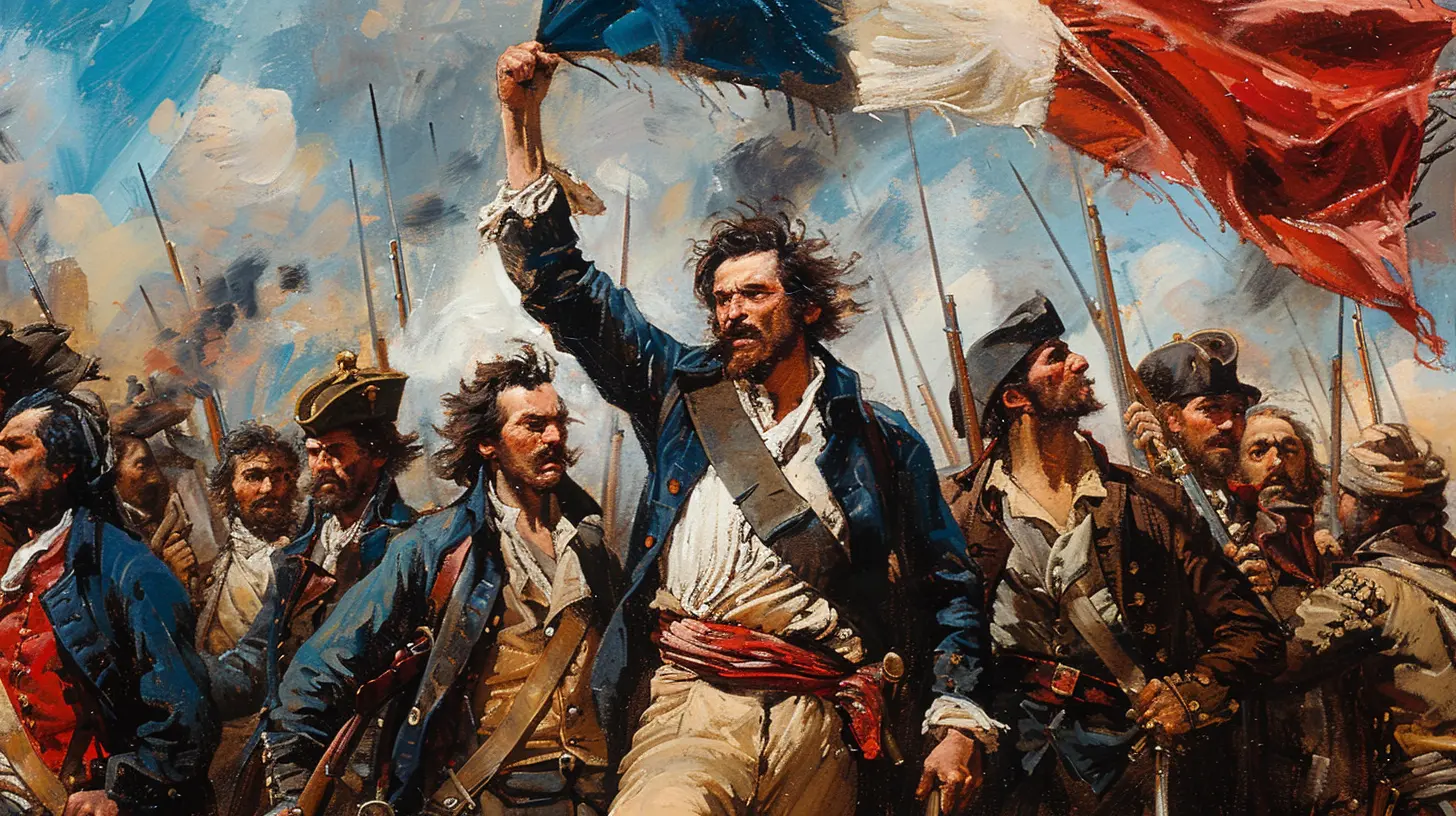
🗽 The Declaration of the Rights of Man and of the Citizen
In August 1789, the National Assembly passed something truly revolutionary — the Declaration of the Rights of Man and of the Citizen.It was like France’s version of a human rights anthem.
This powerful document proclaimed:
- All men are born free and equal in rights
- Sovereignty belongs to the nation, not the monarch
- Justice must be fair and free
Basically, it flipped the old system on its head. No more divine right of kings. No more untouchable nobility. A new France was being born — one built on the foundations of liberty, equality, and fraternity.
⚖️ A Nation Reimagined: From Monarchy to Republic
But revolutions are messy beasts. And France’s was no exception.Over the next few years, the Revolution took dramatic turns. The royal family tried to flee (talk about a royal road trip gone wrong) and was caught. The monarchy was officially abolished in 1792, and France was declared a Republic.
That’s a big deal. For the first time, France wasn’t ruled by a king, but by elected representatives.
But just like an unstable storm, things spiraled. Fear, paranoia, and external threats turned the revolution darker. Enter the Reign of Terror.
☠️ The Guillotine Reigns: The Reign of Terror
Led by Robespierre and the revolutionary Jacobins, the Reign of Terror was an intense period where anyone seen as an “enemy of the revolution” could be arrested, tried, and executed — sometimes within 24 hours.The guillotine became an infamous symbol of justice... and fear.
Tens of thousands were executed, including Queen Marie Antoinette and even some revolutionary leaders themselves. It’s a brutal reminder of how idealism without balance can lead to tyranny in the name of justice.
Eventually, the chaos was too much. Robespierre was arrested and executed — eaten by the very revolution he helped lead.
🧭 The Democratic Aftershock: What Changed Forever
So here’s the million-franc question: Did the French Revolution succeed?Yes and no.
It didn’t create a perfect democracy overnight. In fact, it led to Napoleon Bonaparte taking power and crowning himself Emperor just years later. Talk about irony, right?
But here’s what it did do — and why it still matters.
- It dismantled the old feudal system.
- It ended absolute monarchy.
- It laid the groundwork for modern democracy in France and inspired revolutions around the world — from Haiti to Latin America to Eastern Europe.
People realized that power could come from below, not just from above.
The revolution shook the world and showed that ordinary citizens could reshape governments, rewrite laws, and demand rights. The spirit of the revolution — even with its flaws — lit a fire that still burns in democratic societies today.
🕊️ Liberty’s Lingering Whisper: The Revolution’s Global Impact
The ideas born in the French Revolution didn’t stop at France’s borders.Think about it: the American Revolution happened first, sure. But the French Revolution was more radical, more egalitarian, and more dramatic. It proved that change wasn’t just possible — it was inevitable.
Every time people rise up against tyranny, chant for justice, or demand their rights — echoes of the French Revolution are in the air.
Its principles are baked into the modern idea of the nation-state, human rights, and popular sovereignty.
💬 Final Thoughts: A Revolution That Changed Everything
The French Revolution was both a dream and a nightmare. A promise and a warning. It showed us that progress often comes in fits and starts, with pain and sacrifice.But it also showed us something else — something beautiful.
That democracy isn't some distant ideal reserved for elites. It's messy, it's human, it's alive. And it begins when people believe that their voices matter.
In a world still grappling with inequality, injustice, and authoritarianism, the French Revolution reminds us that sometimes, you have to shake the world to make it better.
And sometimes, just sometimes, liberty really does lead the dance.
all images in this post were generated using AI tools
Category:
History LessonsAuthor:

Olivia Chapman
Discussion
rate this article
2 comments
Nyxaris Sharpe
The French Revolution undeniably laid the groundwork for modern democracy, inspiring global movements for freedom and equality that continue today.
January 15, 2026 at 1:52 PM
Olivia Chapman
Thank you for your insight! The French Revolution indeed served as a crucial catalyst for democratic ideals worldwide, influencing countless movements for freedom and equality throughout history.
Lucas Curry
Ah, the French Revolution! Where guillotines met grand ideas and pastries were as revolutionary as the politics. Who knew liberté, égalité, and flaky croissants could change the world? Bon appétit, democracy!
December 28, 2025 at 3:54 AM
Olivia Chapman
Thank you! It's fascinating how the French Revolution intertwined lofty ideals with culinary delights, making both politics and pastries pivotal to shaping modern democracy. Bon appétit indeed!