The History of Empires: Power, Expansion, and Decline
11 December 2025
Empires have shaped history for centuries, rising to astonishing heights before eventually crumbling under their own weight. From the mighty Roman Empire to the vast Mongol conquests, history tells us that no empire lasts forever. But what causes such powerful entities to rise and fall? Let’s dive into the fascinating world of empires—how they come into existence, expand their influence, and, eventually, fade away.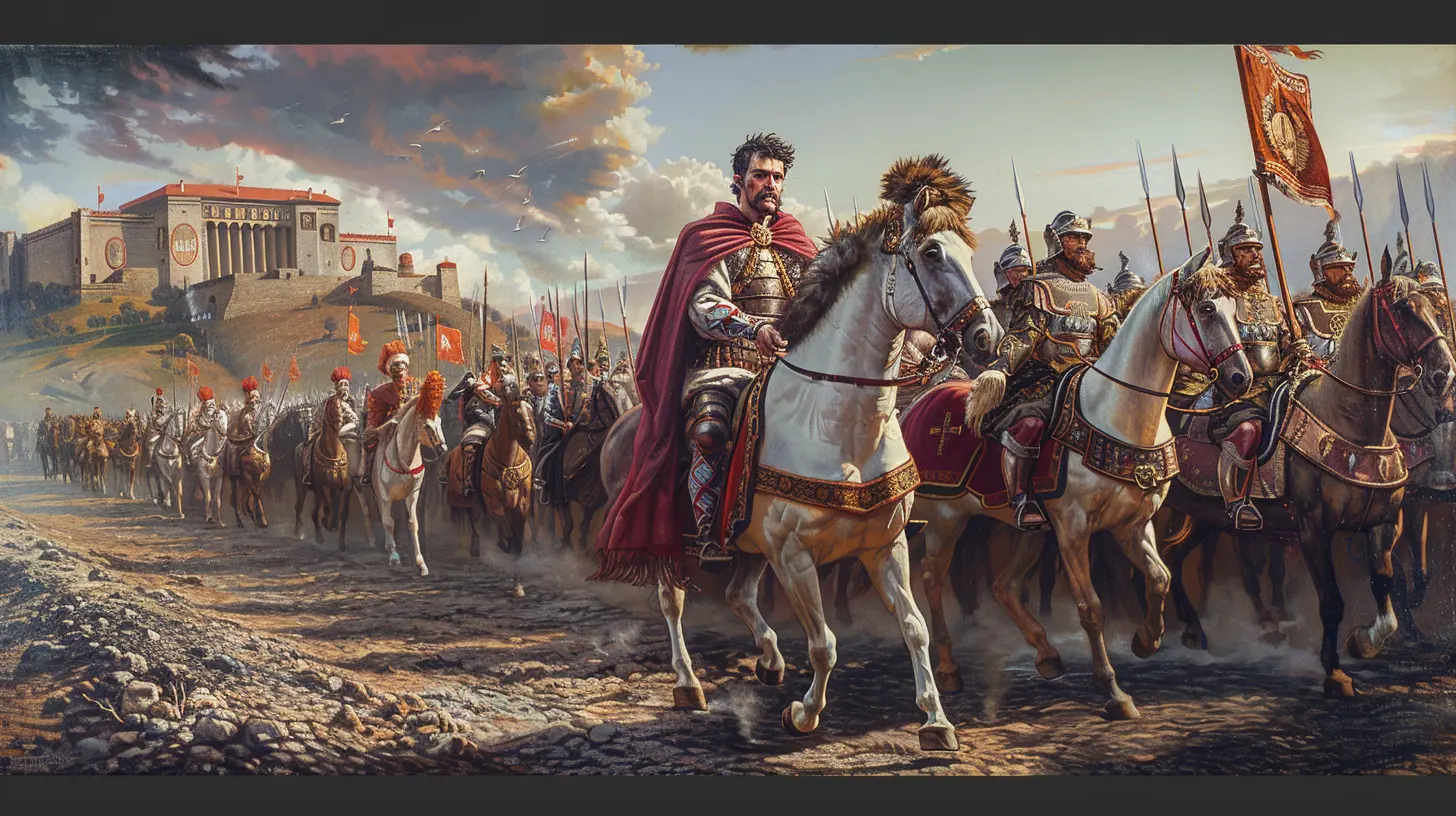
The Birth of an Empire
Every great empire starts with a vision. Whether it’s a charismatic leader, a powerful military, or groundbreaking innovations, there’s always a driving force behind the birth of an empire.The Role of Leadership
A strong ruler is often the spark that ignites an empire’s rise. Think of Alexander the Great—his strategic brilliance and fearless leadership allowed him to conquer vast lands in just over a decade. Similarly, Genghis Khan transformed a group of warring Mongol tribes into the largest contiguous empire in history.Great leaders unite people, inspire loyalty, and create systems that strengthen the empire. Without them, the foundation of power weakens, setting the stage for inevitable decline.
Military Strength and Strategy
An empire without a strong military is like a house with no foundation—it won’t stand for long. The Roman Empire mastered military discipline, creating one of the most formidable armies in history. Their innovative battle formations, advanced weaponry, and well-trained soldiers allowed them to conquer and hold vast territories.But military strength isn't just about brute force. Strategy plays a crucial role. The Mongols, for example, were experts in psychological warfare, using fear and intelligence to weaken their enemies before a single arrow was fired.
Economic and Technological Advancements
Empires don’t just rely on swords and shields—they also thrive through trade, agriculture, and innovation. The British Empire, at its height, controlled trade routes across the globe, filling its coffers with wealth from its colonies. Similarly, the Islamic Golden Age saw incredible advancements in science, medicine, and engineering, helping the Abbasid Caliphate flourish.A strong economy funds the military, supports infrastructure, and improves the lives of citizens—key ingredients for a successful empire. 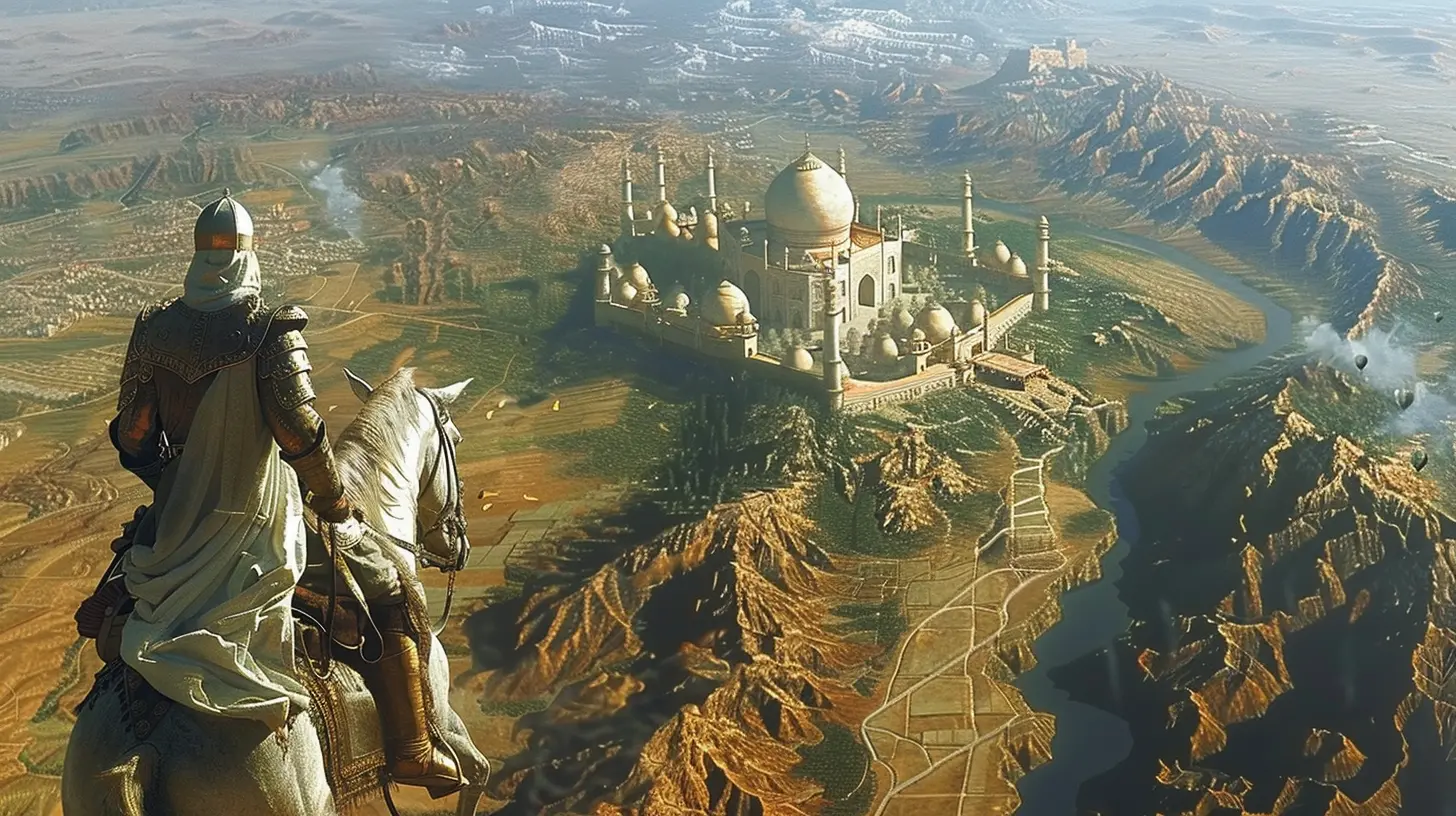
Expansion: The Hunger for More
Once an empire gains power, the natural next step is expansion. After all, why settle for what you have when there’s more to conquer?Conquering New Lands
Expansion often starts with military conquests. The Ottoman Empire, for example, steadily expanded across Europe, the Middle East, and North Africa by defeating weaker kingdoms and absorbing their territories.However, conquering land is one thing—governing it is another challenge. The more diverse an empire becomes, the harder it is to maintain control. Cultural differences, religious tensions, and local resistance can create cracks in the empire’s foundation.
Cultural Influence and Assimilation
A successful empire doesn’t just impose laws—it shapes cultures. The Roman Empire spread Latin, which later evolved into languages like Spanish, French, and Italian. Similarly, the British Empire’s influence is still evident today, with English being the dominant language in international business and diplomacy.But cultural expansion can be a double-edged sword. Emperors must strike a balance between preserving traditions and respecting the identities of conquered peoples. Failure to do so can lead to unrest and rebellion.
Administration and Governance
The bigger an empire gets, the harder it is to manage. To govern effectively, empires develop administrative systems. The Persian Empire, for instance, introduced the concept of satraps—regional governors who oversaw different parts of the empire, ensuring order and stability.Without strong governance, corruption seeps in, bureaucracy slows decision-making, and eventually, the empire becomes too bloated to function efficiently. 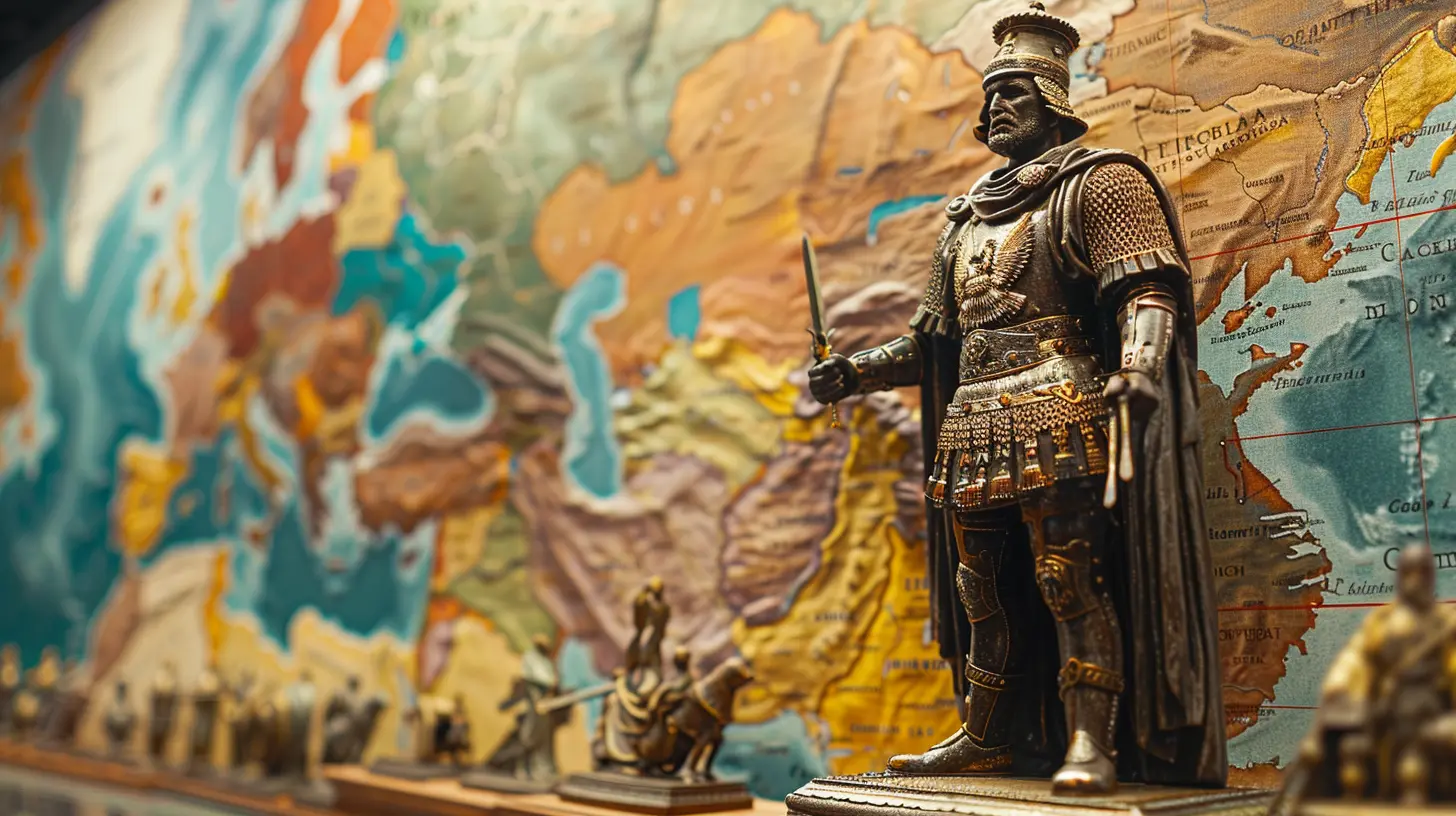
The Decline: The Fall from Greatness
If history has taught us anything, it’s that no empire lasts forever. The same strength that propels an empire forward can also lead to its downfall.Overexpansion and Military Strain
Stretching too thin is a common downfall. Rome, for example, expanded so much that its armies struggled to defend its borders from constant invasions. When an empire becomes too large to control effectively, managing resources and maintaining stability becomes nearly impossible.Economic Struggles and Corruption
Money makes the world go round, and when the economy crumbles, so does the empire. Heavy taxation, economic inequality, and financial mismanagement weaken a nation from within. The Qing Dynasty of China suffered from widespread corruption, which drained its resources and made it vulnerable to foreign powers.Internal Conflicts and Civil Wars
Empires are often their own worst enemies. When leadership becomes corrupt or weak, internal divisions emerge. Power struggles, civil wars, and political instability create the perfect storm for collapse. The Mughal Empire, once a dominant force in India, fell apart due to infighting and weak rulers.External Threats and Invasions
An empire that appears strong on the outside may be crumbling within. As soon as enemies sense weakness, they strike. The Western Roman Empire fell after repeated attacks from barbarian tribes, while the Byzantine Empire ultimately succumbed to the Ottoman Turks.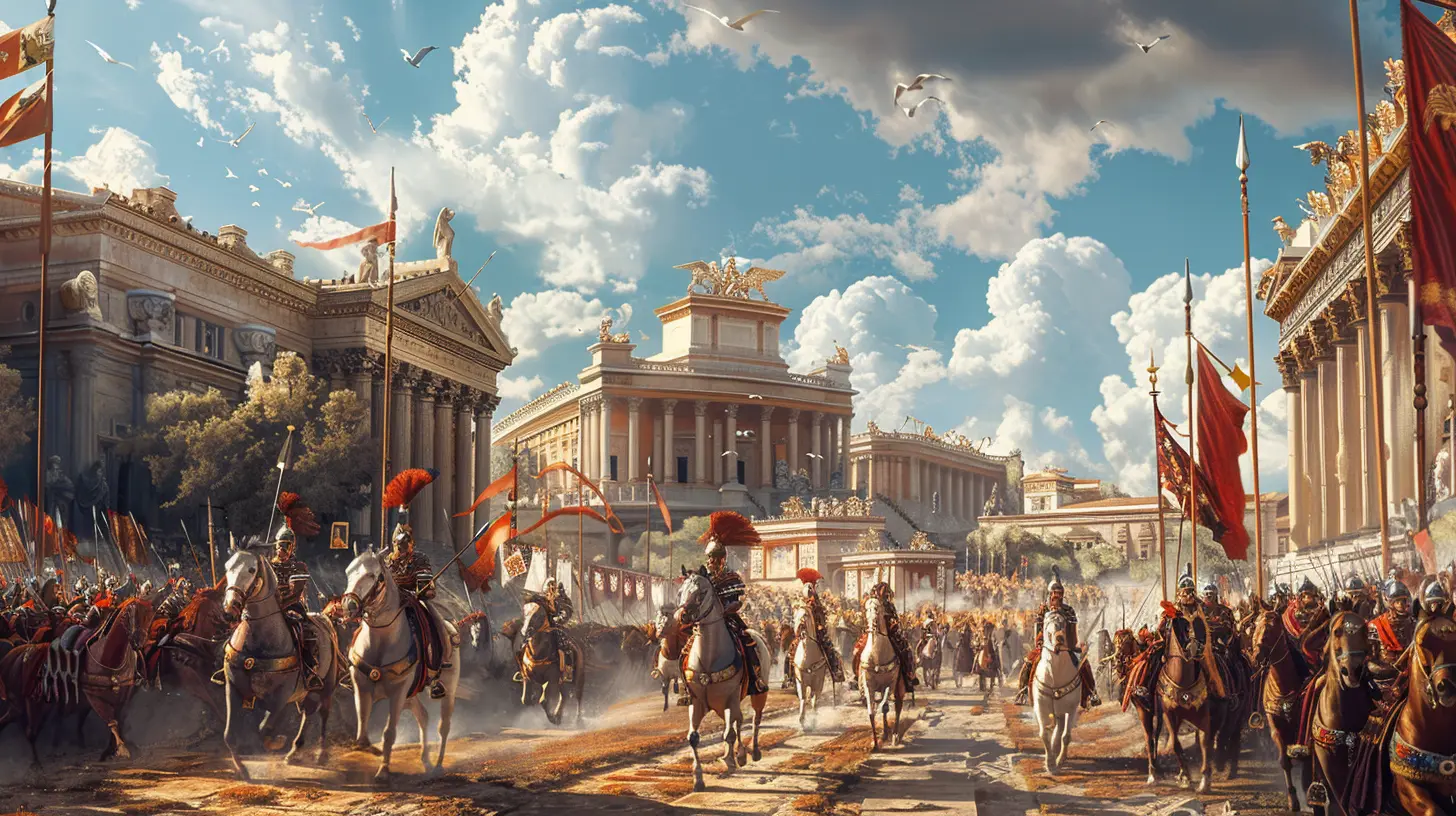
Lessons from the Rise and Fall of Empires
While empires may no longer dominate the modern world as they once did, their stories still hold valuable lessons. Today, nations and corporations function like empires, rising to power through innovation, expansion, and strategy. But just like the empires of old, they too can decline if they fail to adapt, manage resources wisely, and maintain internal stability.History isn’t just about looking back—it’s about understanding patterns and applying those lessons to the present. Every empire, no matter how grand, carries the seeds of its own eventual fall. The challenge lies in how long it can defy the inevitable.
At the end of the day, the rise and fall of empires remind us of a simple truth: nothing lasts forever. But their legacy, influence, and lessons remain etched in time.
all images in this post were generated using AI tools
Category:
History LessonsAuthor:

Olivia Chapman
Discussion
rate this article
2 comments
Anna Williams
Empires rise like soufflés—puffed with ambition, yet prone to collapse! Dive into the delicious drama of power and decline in this tasty historical treat!
December 28, 2025 at 3:54 AM
Olivia Chapman
Thank you! I love that analogy—it perfectly captures the fragile nature of empires throughout history. Glad you enjoyed the article!
Darius Kirk
This article offers a compelling overview of the rise and fall of empires throughout history. Your insights on the interplay between power and societal change are particularly thought-provoking and encourage deeper reflection on contemporary global dynamics. Thank you for sharing!
December 12, 2025 at 3:35 AM
Olivia Chapman
Thank you for your thoughtful comment! I'm glad you found the insights on power and societal change engaging. Your reflections on contemporary dynamics are greatly appreciated!