The History of Human Rights: A Timeline of Progress
7 December 2025
Human rights are the backbone of a just and equal society, but they didn’t appear overnight. The journey toward universal human rights has been long, complex, and, at times, brutal. From ancient civilizations to modern laws, humanity has fought for dignity, freedom, and equality.
So, how did we get here? Let’s dive into the fascinating history of human rights and see how different time periods have contributed to the freedoms we enjoy today. 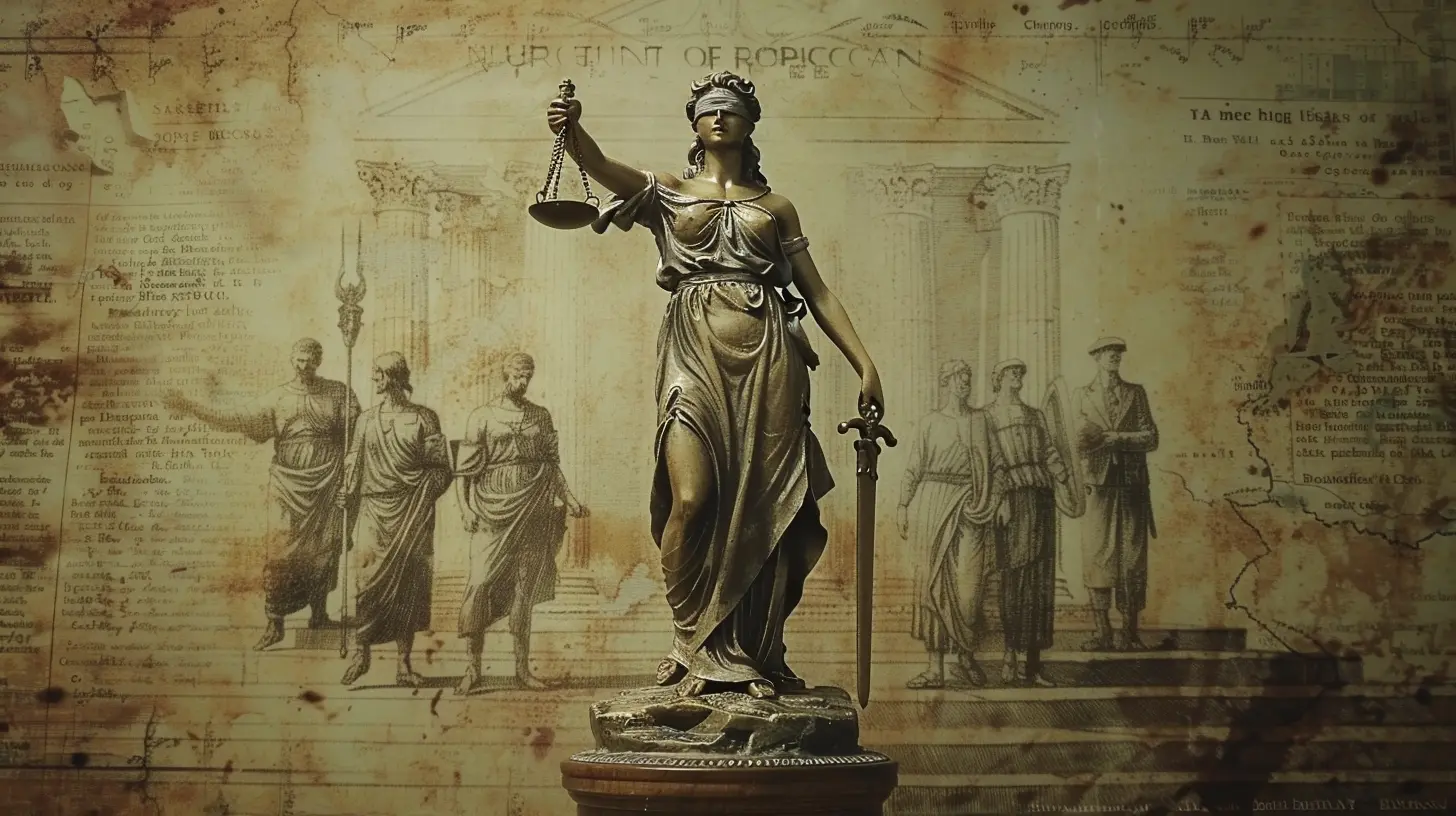
Ancient Foundations: The First Notions of Rights (2000 BCE – 500 CE)
Long before formal human rights laws existed, civilizations began recognizing the need for justice and fairness.The Code of Hammurabi (c. 1754 BCE)
One of the earliest legal codes, the Code of Hammurabi, was established in ancient Babylon. It set laws and punishments based on social status—far from the equality we strive for today, but it was a start. It introduced ideas of justice and accountability, showing that laws should be written and enforced.Cyrus Cylinder (539 BCE)
Fast-forward to the Persian Empire, where King Cyrus the Great issued the Cyrus Cylinder. This document (often called the first human rights charter) declared that people had the right to practice their religion and abolished slavery in conquered territories. Sound familiar? It’s an early glimpse of freedoms we now consider fundamental.The Teachings of Confucius (6th Century BCE)
Meanwhile, in China, Confucius emphasized moral values, respect, and fairness. His ideas would influence governance and societal structures for centuries, shaping how rulers and citizens interacted.
Medieval and Renaissance Eras: The Push for Justice (500 CE – 1600 CE)
As civilizations evolved, so did the idea that rulers shouldn't have unchecked power over their people.Magna Carta (1215)
If there’s one document that really shook things up, it’s the Magna Carta. Signed by King John of England, this charter established that even monarchs must follow the law. It also introduced concepts like due process and trial by jury—core principles of modern legal systems.The Renaissance and the Idea of Individual Rights (14th-17th Century)
Europe’s Renaissance period wasn’t just about art and science. It also sparked new ideas about individual dignity and freedom. Thinkers like John Locke argued that people had natural rights—life, liberty, and property—that governments should protect. These ideas would later inspire revolutions.
Revolutions and Declarations: Human Rights Gain Momentum (1600 CE – 1900 CE)
The American Revolution & Declaration of Independence (1776)
The Declaration of Independence wasn’t just about breaking away from Britain—it was a bold statement about equality. It declared that "all men are created equal" and have rights to life, liberty, and the pursuit of happiness. Of course, not everyone was included in this vision at the time, but the foundation was laid.The French Revolution & Declaration of the Rights of Man and of the Citizen (1789)
Just a few years later, France followed with the Declaration of the Rights of Man and of the Citizen. It emphasized freedom, equality, and brotherhood, shaping modern democratic ideals.Abolition of Slavery (19th Century)
The 19th century saw major victories in the fight against slavery. Britain abolished the slave trade in 1807, and by 1865, the 13th Amendment officially ended slavery in the U.S. This was a monumental step toward human rights for all.
The 20th Century: The Birth of Modern Human Rights (1900 – 2000)
The United Nations and the Universal Declaration of Human Rights (1948)
After the horrors of World War II, the world realized that global human rights protections were desperately needed. Enter the United Nations and the Universal Declaration of Human Rights (UDHR) in 1948, led by Eleanor Roosevelt.This document laid out fundamental human rights everyone should have—regardless of race, gender, or nationality. It wasn’t legally binding, but it set the gold standard for human rights worldwide.
Civil Rights Movements (1950s-1970s)
The mid-20th century saw powerful social movements demanding equal rights:- The U.S. Civil Rights Movement fought against racial segregation and discrimination, leading to laws like the Civil Rights Act (1964).
- The women’s rights movement gained significant milestones, including voting rights and workplace protections.
- Anti-apartheid movements in South Africa, led by Nelson Mandela, pressured an end to racial oppression.
The Fall of the Berlin Wall & The End of Apartheid (1989-1994)
The collapse of the Berlin Wall in 1989 symbolized the fall of oppressive regimes in Eastern Europe. Meanwhile, South Africa ended apartheid by 1994, with Mandela becoming the country’s first Black president. These moments showed the world that the fight for human rights could truly change societies.The 21st Century: Ongoing Struggles and Progress (2000 – Present)
While we’ve made incredible strides, human rights challenges remain.Marriage Equality (2010s-Present)
In 2015, the U.S. Supreme Court legalized same-sex marriage, a victory for LGBTQ+ rights. Countries worldwide followed suit, recognizing love and equality for all.#MeToo Movement & Gender Equality (2017-Present)
The #MeToo movement brought global attention to sexual harassment and assault, pushing for legal reforms and accountability.Digital Rights & Privacy Concerns
As technology advances, so do concerns about privacy, surveillance, and digital freedoms. The fight for human rights now extends to cyberspace.Ongoing Human Rights Issues
Wars, refugee crises, racial injustices, and government abuses continue. But global activism proves that people still believe in standing up for justice.Final Thoughts: The Fight Continues
The history of human rights isn’t a finished book—it’s an ongoing story. Progress has been hard-fought, but challenges remain. From ancient laws to modern movements, one thing is clear: when people unite for justice, change is possible.So, what’s next? That depends on all of us. Human rights are not just historical milestones; they are a responsibility we must protect for future generations.
all images in this post were generated using AI tools
Category:
History LessonsAuthor:

Olivia Chapman
Discussion
rate this article
2 comments
Carrie McFarlane
Great overview of human rights history! It effectively highlights key milestones. Consider adding more about ongoing challenges to inspire further engagement and awareness among readers.
December 15, 2025 at 4:19 AM
Olivia Chapman
Thank you for your feedback! I appreciate your suggestion and will consider adding information on current challenges to enhance engagement in future updates.
Kara Jackson
This article offers a concise and enlightening overview of human rights evolution. The timeline format effectively highlights key milestones, making it an engaging read for anyone interested in social justice and history.
December 7, 2025 at 11:47 AM
Olivia Chapman
Thank you for your kind feedback! I'm glad you found the timeline engaging and informative.