The Importance of Apologies: Teaching Students to Own Their Mistakes
31 August 2026
Let’s face it—nobody likes to admit when they’ve messed up. Whether it’s knocking over a friend’s lunch tray or turning in a group project late, owning up to our mistakes feels uncomfortable, even downright scary at times. But here’s the thing: teaching students to apologize and take responsibility for their actions is one of the most powerful life lessons we can give them.
Apologies aren't just about saying "I'm sorry"—they're about showing emotional maturity, empathy, and accountability. These are essential skills, not only for the classroom but for life. So why not start early?
In this post, we’re diving deep into why teaching students to own their mistakes matters, how it shapes their character, and practical ways educators (and even parents) can encourage this important habit.
Why Apologies Matter in the Classroom
Building Trust and Relationships
Imagine a classroom where students never apologize. It’d be full of tension, right? When someone makes a mistake and fails to acknowledge it, trust breaks down. But when students say, “Hey, I messed up—my bad,” it creates a sense of honesty and connection.Apologies act like glue in classroom communities. They help students rebuild bridges after conflict, mend friendships, and show others they care. In short, they humanize us.
Fostering Accountability
Let’s be real—owning up is tough. But when students admit they’ve made a mistake, they’re taking a huge step toward personal growth. They recognize their actions have consequences, and that’s a big deal.It also helps break the cycle of blame-shifting. You know what I mean—pointing fingers, making excuses, or pretending it wasn’t a big deal. Holding themselves accountable teaches students to reflect and take charge of their behavior. That’s emotional intelligence in action!
The Psychology Behind Apologizing
Why Do We Struggle to Say “I’m Sorry”?
Let’s think about this for a second—why is apologizing so hard, even for adults? It's often tied to our ego. Saying sorry can feel like admitting weakness or accepting failure. But in reality, it’s just the opposite. It shows courage.Kids often avoid apologizing because they fear punishment or embarrassment. They might worry it’ll make them look bad. That’s why it’s so important for adults to model sincere, shame-free apologies. Show them it’s okay to mess up. What matters is how you handle it afterward.
The Emotional Benefits
Apologizing isn’t just good for the person you hurt—it’s healing for you, too. It relieves guilt, reduces stress, and clears your conscience. In students, this can translate into improved focus, better relationships, and even higher self-esteem. Seriously, one simple “I’m sorry” can do wonders for a young mind.
Teaching Kids to Own Their Mistakes: Where to Start
So, how can we help students become more accountable and empathetic? The key is to teach them that apologizing isn’t a punishment—it’s a strength.1. Model the Behavior
You’ve probably heard it before: kids do what they see, not what they’re told. If you mess up—maybe you snapped after a long day or misunderstood a student—own it.Say something like, “Hey, I didn’t handle that well earlier. I'm sorry if I sounded upset.” That short moment of honesty can stick with them forever. They’ll realize that even adults make mistakes and that apologizing isn’t the end of the world.
2. Teach the Anatomy of a Good Apology
Believe it or not, there’s a difference between a heartfelt apology and a rushed “Sorry, geez!” Teach students how to structure a meaningful apology:- Acknowledge what you did: “I shouldn't have talked while you were presenting.”
- Express regret: “I feel bad because it was disrespectful.”
- Make amends: “Next time, I’ll make sure to listen.”
- Ask for forgiveness: “Can we move past this?”
Break it down, practice it in groups, and make it part of your classroom culture.
3. Encourage Reflection
After a conflict, give students space to cool off and think. Provide reflection worksheets or prompts like:- What happened?
- How did it make others feel?
- What could I have done differently?
This gets them thinking about cause and effect, and it makes apologizing feel like a conscious choice rather than a forced action.
4. Role-Playing Scenarios
Role-playing is like rehearsal for real life. Create situations (a stolen pencil, harsh words exchanged, ignoring someone at lunch) and let students act them out. Discuss each interaction as a group—what worked, what didn’t? How could the apology have been better?It’s a fun, low-stakes way to practice empathy and social skills.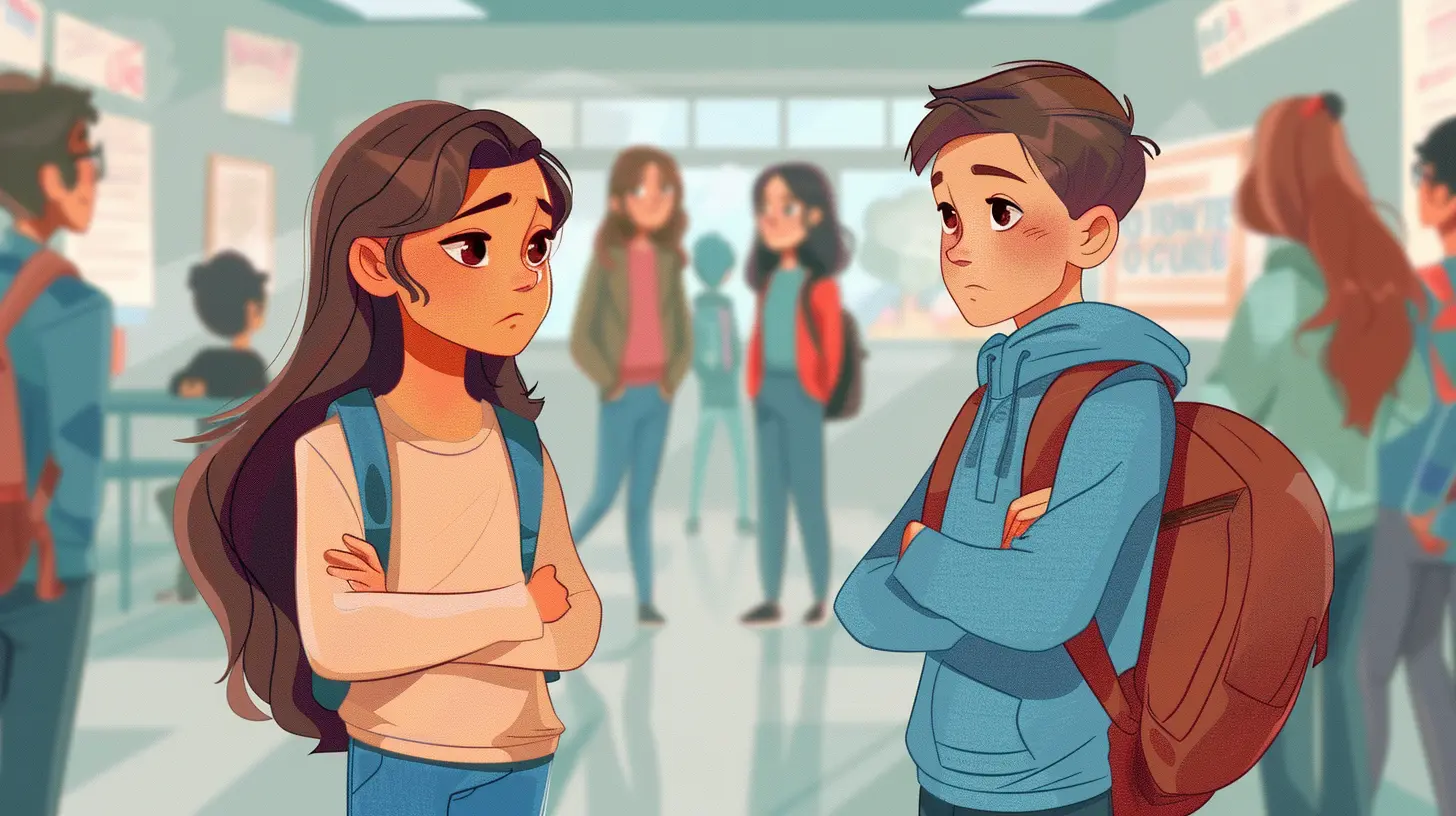
The Long-Term Payoff: Character Building at Its Best
Emotional Intelligence
When kids learn to own their mistakes, they’re also developing self-awareness and empathy—two cornerstones of emotional intelligence. They begin to recognize feelings in themselves and others. And trust me, those are skills that pay off in high school, college, the workplace, and relationships.Leadership Skills
Great leaders aren’t the ones who never fail—they’re the ones who admit when they do and work to improve. When students practice owning their mistakes, they’re also learning resilience, humility, and how to deal with setbacks. That’s leadership 101.Stronger Peer Relationships
Let’s be honest—kids can be harsh. But students who can apologize sincerely and accept apologies gracefully tend to have stronger friendships. Why? Because trust grows from vulnerability. When someone admits they’re wrong, it opens the door for deeper connection.Schools That Prioritize Accountability
Now, you might be wondering, are some schools actually doing this well? Absolutely.Some forward-thinking schools are embracing restorative justice practices. These focus on repairing harm and rebuilding community—not just handing out detentions left and right. In these schools, students are encouraged to face those they hurt and make things right through conversations, apologies, and action plans.
It’s not always easy. But guess what? It works. Schools that invest in these programs often see fewer behavioral issues, lower suspension rates, and higher student engagement.
Common Misconceptions About Apologies
Let’s bust a few myths, shall we?"Apologizing Means I’m Weak"
Wrong. Apologizing shows strength, maturity, and emotional intelligence. It takes guts to admit you’re wrong."If I Say Sorry, I’ll Get in Trouble"
Not necessarily. In fact, owning up early can sometimes reduce consequences. More importantly, it helps you grow from the experience."They Won’t Forgive Me Anyway"
Maybe, maybe not. But apologizing isn’t just about getting forgiveness—it’s about doing what’s right. You control your actions, not their reaction.Supporting Students Through the Process
Create a Safe Space
Students are more likely to apologize when they feel safe and supported. Make it clear that mistakes are part of learning. Encourage open conversations and mutual respect.Recognize and Praise Accountability
When a student owns their mistake, don’t brush it off. Acknowledge it publicly (without embarrassing them). Say, “That took courage. I appreciate your honesty.” Over time, this builds a culture where accountability is the norm.Conclusion: Let’s Normalize Mistakes and Apologies
We all stumble. We all say things we regret or make decisions we wish we could take back. But the real lesson lies in how we respond.When we teach students to own their mistakes and apologize sincerely, we’re doing more than improving classroom behavior. We’re shaping future adults with integrity, empathy, and resilience.
So next time a student slips up, pause before handing out punishment. Ask, “What do you think you need to do to make this right?” You might just spark a moment of real growth.
all images in this post were generated using AI tools
Category:
Character EducationAuthor:

Olivia Chapman
Discussion
rate this article
2 comments
Carla Phelps
What a wonderful reminder! Teaching students to apologize helps them grow, learn, and build stronger relationships. Great article!
September 3, 2026 at 2:46 AM
Jackson Anderson
Teaching students to apologize fosters accountability and growth. It encourages emotional intelligence and strengthens relationships, helping them navigate challenges better in both school and life.
September 1, 2026 at 11:48 AM
Olivia Chapman
I completely agree. Teaching students to apologize not only nurtures accountability but also builds essential life skills that will serve them well beyond the classroom.