The Importance of Teaching Students About World Religions
13 February 2026
Introduction
Have you ever wondered how different cultures around the world find meaning in life? Or why certain holidays are celebrated differently depending on where you are? Teaching students about world religions is more than just a history lesson—it's a powerful way to promote understanding, respect, and unity in our diverse society.
In today’s world, we interact with people from different backgrounds every day. Whether in school, at work, or even online, understanding different beliefs can help foster kindness and empathy. But unfortunately, religion is often a topic avoided in classrooms. However, if we want to build a more accepting and peaceful society, it’s crucial for young minds to learn about the world’s major religions.
Let’s dive into why teaching students about world religions is not just important but absolutely necessary.

1. Promoting Tolerance and Respect
One of the biggest reasons for religious education is to promote tolerance. Imagine a world where everyone respects each other’s beliefs, even if they don’t agree with them. Sounds like a dream, right? But it's achievable, and it starts with education.When students learn about different faiths, they begin to see the common values shared among them—kindness, love, peace, and compassion. Instead of fearing or judging what’s unfamiliar, they learn to appreciate differences.
Breaking Stereotypes
Misunderstandings about religions often lead to stereotypes and prejudices. A lack of knowledge can fuel misconceptions, leading to unnecessary divisions in society. Teaching world religions helps students see past the myths and focus on the truth, allowing them to interact with others more openly and without bias.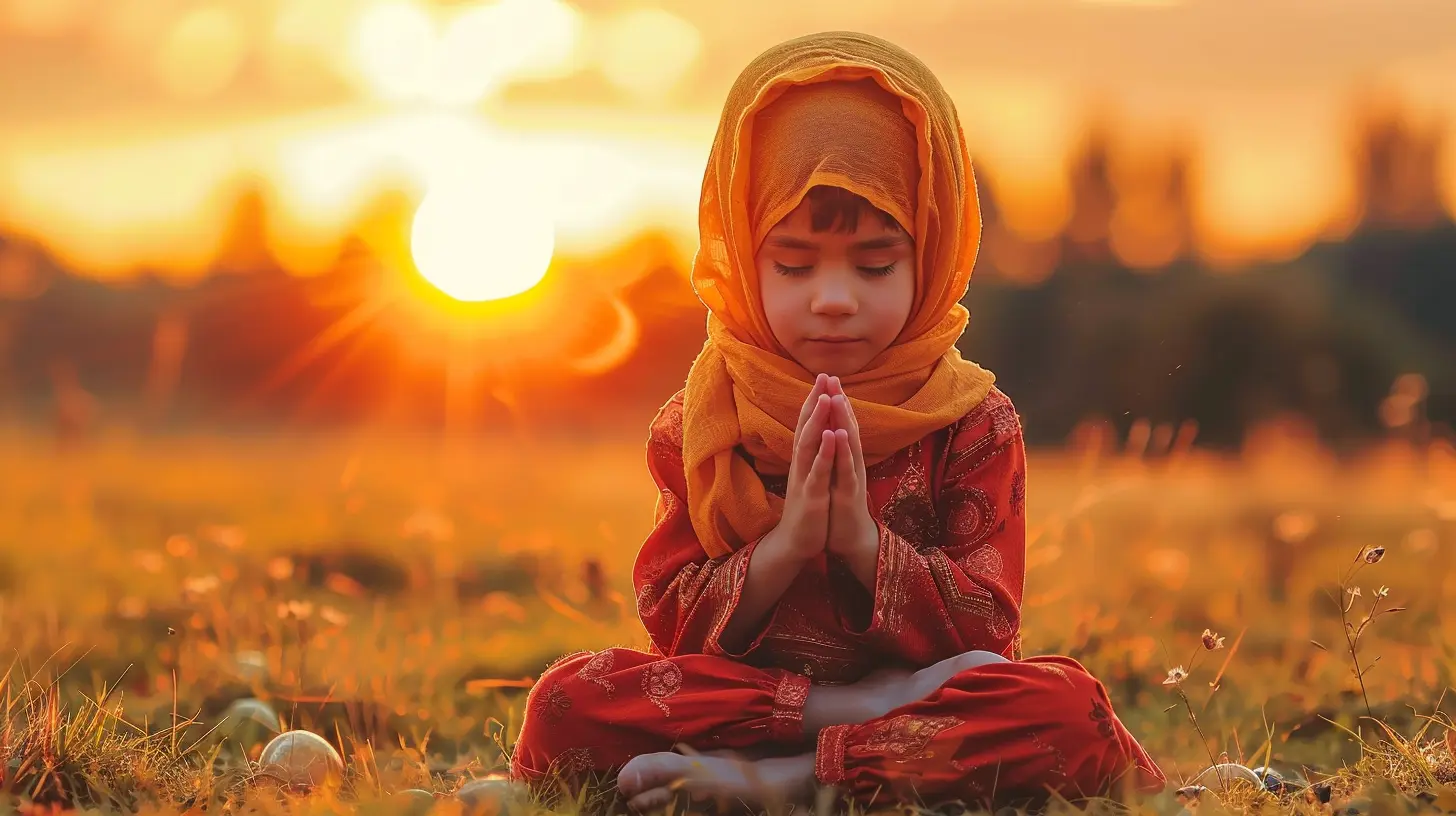
2. Encouraging Open-Mindedness and Critical Thinking
In an increasingly globalized world, being open-minded is no longer a luxury—it’s a necessity. Knowing about different cultures and belief systems allows students to broaden their perspectives.By studying various religions, students learn to question and analyze different viewpoints rather than blindly accepting or rejecting ideas. They develop critical thinking skills, which are essential not only in academics but in life as well.
Wouldn’t it be amazing if instead of arguing over differences, people engaged in thoughtful discussions? Teaching world religions can help create a society where dialogue replaces division.

3. Strengthening Social Harmony
Religious conflicts have shaped much of human history. Wars, discrimination, and even everyday disagreements often stem from a lack of understanding. While we can’t change history, we can certainly shape the future.When students are educated about world religions, they grow up with a greater appreciation for diversity. They learn that despite different traditions and rituals, most religions preach peace and harmony. This understanding can reduce conflicts and create more inclusive communities.
Additionally, students who might belong to minority religious groups feel more accepted when their beliefs are acknowledged and respected in the classroom.

4. Enhancing Cultural Awareness
Religion is deeply tied to culture. From art and music to literature and traditions, religious beliefs have influenced societies for centuries.Think about some of the world’s greatest architectural marvels—the Taj Mahal, the Notre-Dame Cathedral, or the Great Pyramid of Giza. Each of these structures has deep religious significance. By learning about world religions, students gain a richer understanding of global history and culture.
Imagine traveling to another country and understanding why certain customs exist instead of feeling like an outsider. That’s the power of cultural awareness.
5. Preparing Students for a Globalized World
The world is more connected than ever. Whether it’s business, politics, or social interactions, people from different backgrounds constantly collaborate. To succeed in today’s world, students need cultural competence—a key skill that religious education helps develop.By understanding different religious beliefs, students learn how to communicate and collaborate respectfully with people from diverse backgrounds. This skill is invaluable, whether they’re working in an international company or simply making new friends from different cultures.
6. Providing Moral and Ethical Insights
At its core, religion teaches values—honesty, compassion, kindness, and integrity. While moral education is typically part of a school curriculum, studying world religions adds depth to this learning.By exploring the principles of various faiths, students can reflect on their own values and beliefs. They learn to appreciate ethical decision-making and the impact of their actions on others. Whether it’s the concept of "karma" in Hinduism, "compassion" in Buddhism, or "forgiveness" in Christianity, these teachings provide valuable life lessons.
7. Encouraging Personal Growth and Self-Reflection
Learning about religions doesn’t mean students will necessarily adopt a particular faith. Instead, it encourages them to think critically about their own beliefs and values.For some, religious studies might strengthen their faith. For others, it might help them define their own moral compass without aligning with any religious tradition. Either way, it fosters self-reflection, which is a crucial part of personal growth.
Understanding different philosophies of life can also help students find meaning and purpose—a fundamental aspect of human existence.
8. Addressing Religious Literacy Gaps
Let’s face it—many people, including adults, know very little about religions outside of their own. This lack of knowledge can lead to misunderstandings, fear, and even discrimination.Teaching world religions in schools helps bridge this gap. It ensures that students grow up with a basic understanding of major religious beliefs, traditions, and histories. This knowledge isn’t just helpful in social situations but also when studying history, literature, and even politics.
9. Supporting Inclusive Education
Inclusive education means creating a learning environment where every student feels valued and understood. Recognizing the religious diversity of students in a classroom is an essential part of this inclusivity.When schools acknowledge and respect different religious traditions, students feel seen and respected. This not only enhances their learning experience but also fosters a sense of belonging.
10. Preparing the Next Generation for Leadership
Future leaders—whether in politics, business, or community service—will inevitably interact with people of different religious backgrounds. Those who have been educated about world religions will be better equipped to lead with empathy and understanding.By teaching students about world religions, we’re not just educating them; we’re shaping future leaders who can build a more peaceful and inclusive world.
Conclusion
The importance of teaching students about world religions cannot be overstated. It goes beyond academics—it's about shaping compassionate, informed, and open-minded individuals.By promoting tolerance, enhancing cultural awareness, and encouraging critical thinking, religious education prepares students for real-life interactions in our diverse world. It fosters respect, reduces misunderstandings, and ultimately contributes to a more peaceful society.
So, why wait? It’s time to make religious education an integral part of our schools and ensure that the next generation grows up with the knowledge and understanding needed to create a more harmonious world.
all images in this post were generated using AI tools
Category:
Cultural AwarenessAuthor:

Olivia Chapman
Discussion
rate this article
2 comments
Avianna McGovern
Teaching students about world religions is like serving a buffet of beliefs—everyone gets a taste! It’s essential for understanding each other, avoiding awkward dinner conversations, and maybe even discovering that your neighbor’s favorite holiday involves more pie than yours. Who knew learning could be so deliciously enlightening?
February 27, 2026 at 1:29 PM
Olivia Chapman
Absolutely! Teaching world religions enriches perspectives and fosters understanding, making our diverse beliefs a shared feast of knowledge.
Vesperos Lamb
Understanding world religions fosters empathy and respect! Teaching students about diverse beliefs enriches their perspectives, promotes harmony, and prepares them for a beautifully interconnected world. Let’s celebrate diversity! 🌍✨
February 17, 2026 at 5:35 AM
Olivia Chapman
Absolutely! Teaching world religions is essential for fostering empathy and respect, enriching students' perspectives, and promoting harmony in our diverse society. Let's embrace and celebrate this diversity! 🌍✨