The Importance of the Battle of Hastings in British History
18 January 2026
Have you ever wondered how one single day could change the course of an entire nation’s history? Well, the Battle of Hastings, fought on October 14, 1066, is exactly that moment for England. It's not just another date in the timeline—it's the day the entire identity, culture, politics, and language of Britain took a sharp turn. From castles to common law, and even the words we speak—this battle sparked a revolution.
So, grab a cup of tea, and let's dive into why the Battle of Hastings was one of the most important events in British history. And don’t worry—we’ll keep it casual and easy to follow.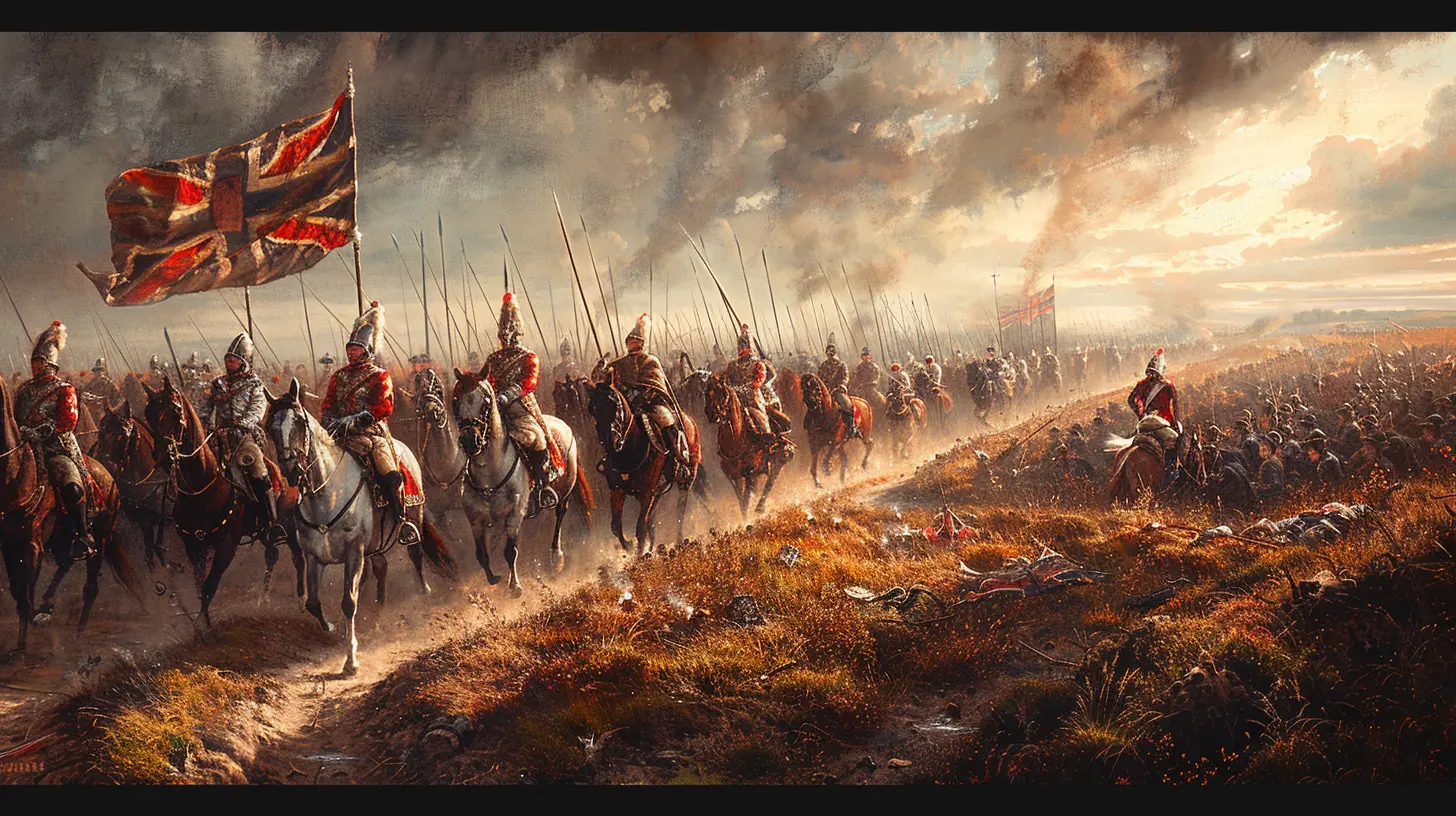
What Was the Battle of Hastings All About?
First things first: let's set the scene. England, 1066. King Edward the Confessor has just died without a direct heir. Yeah, that’s a big problem. Because when the king doesn’t leave behind a clear successor, things get messy—fast.Now, there were three main contenders for the throne:
- Harold Godwinson – the English favorite and chosen successor by the English nobles.
- William, Duke of Normandy – a cousin of Edward, who claimed Edward promised him the throne.
- Harald Hardrada of Norway – because why not throw a Viking into the mix?
In the end, it all came down to Harold vs. William, and their showdown happened near Hastings on the southern coast of England. Spoiler: William wins. But oh boy, the aftermath is the real story here.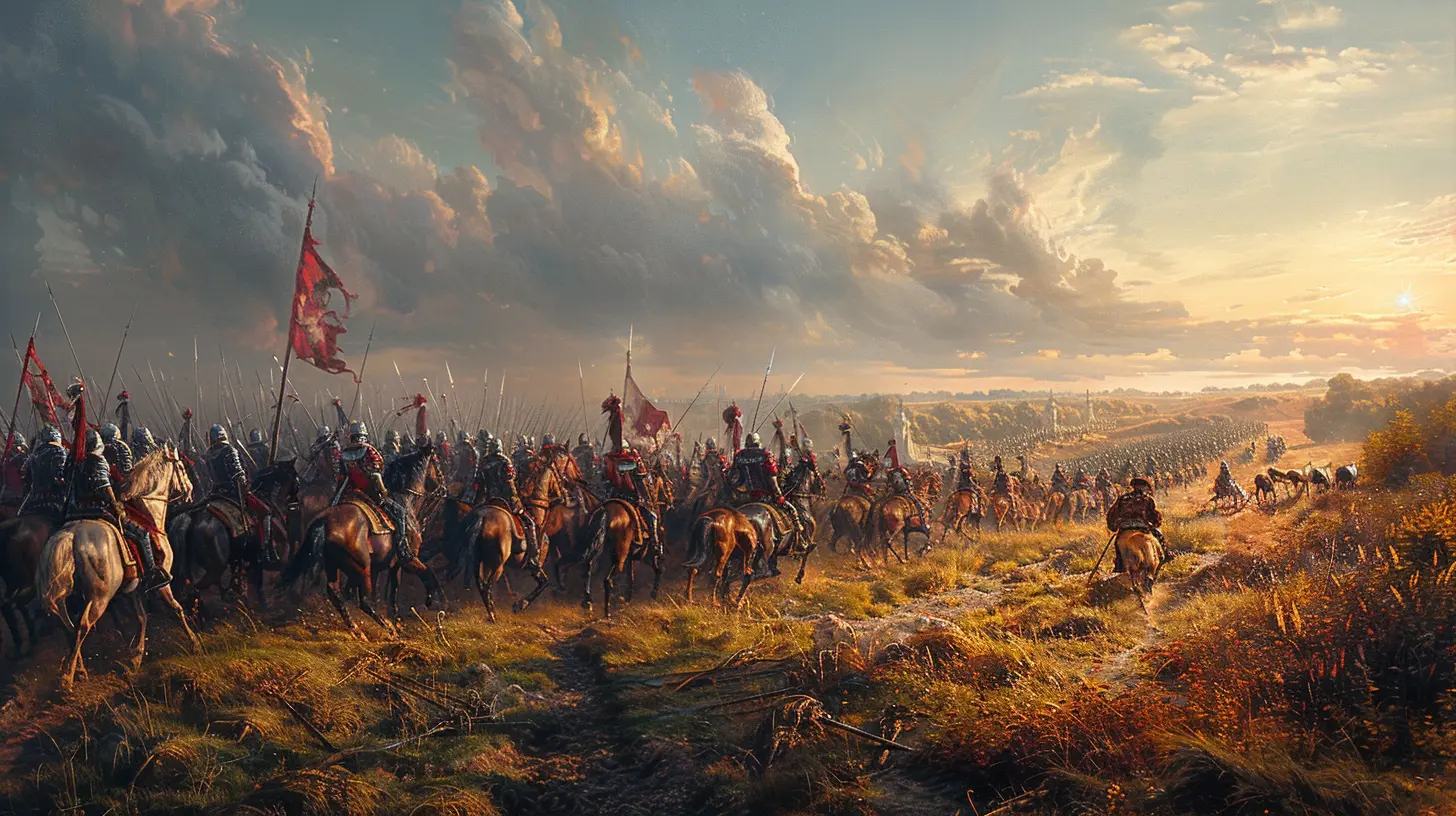
Why Did William Believe He Deserved the Throne?
William wasn’t just throwing a tantrum because someone took his toy. He genuinely believed he had a claim.According to Norman sources, Edward the Confessor had promised William the crown years before his death. On top of that, Harold (yes, the man who actually took the crown) had supposedly sworn an oath on holy relics to support William’s claim. So, when Harold grabbed the crown for himself, William saw it as betrayal.
Now, whether any of that is completely true is debated. But William wasn’t just going to send a nasty letter—he built an army and crossed the English Channel. That’s some serious commitment.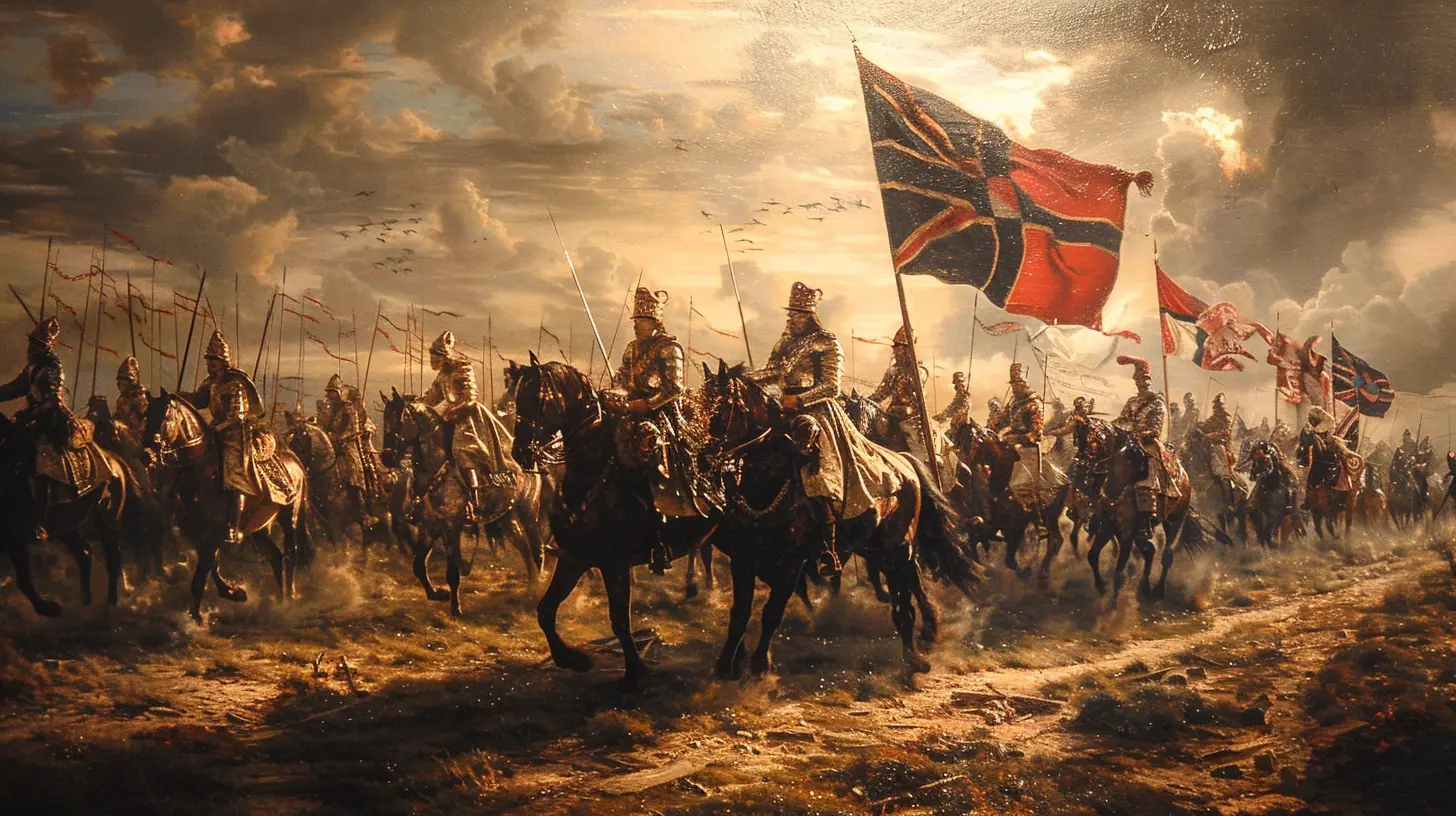
The Battle Itself—What Actually Happened?
Let’s paint the picture. October 14, 1066. Harold and his army had just marched 200+ miles south after defeating the Vikings at the Battle of Stamford Bridge in the north. Talk about bad timing.William’s troops were fresh and well-prepared. The Normans had cavalry (basically tanks for the medieval age), archers, and a well-organized army. Harold’s men? Tired, mostly infantry, and relying on a strong shield wall formation.
The battle lasted all day. It was long, bloody, and brutal. But eventually, William’s troops broke through. And then came the turning point—Harold is believed to have been killed, possibly by an arrow to the eye (as famously depicted in the Bayeux Tapestry).
Once Harold fell, the English forces fell apart. William won the day—and the crown.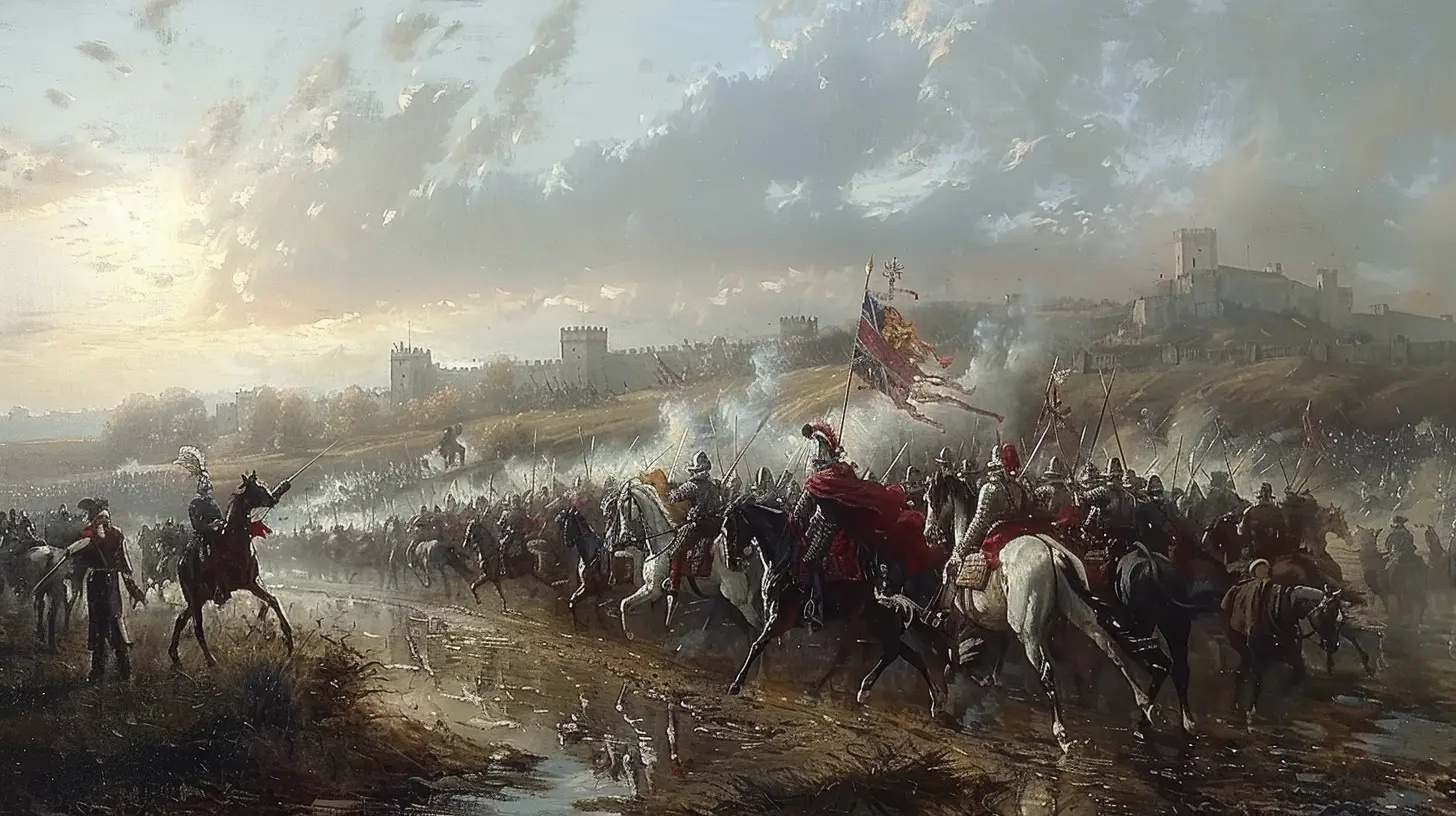
So What? Why Should I Care About a Battle That Happened Almost 1,000 Years Ago?
Glad you asked. Because this wasn’t just about who got to wear a fancy crown. This battle flipped England on its head.Here’s how:
1. A New King, A New Ruling Class
William the Conqueror, as he’s now called, became the first Norman king of England. Instead of English nobles running the show, Norman lords took top jobs. The old Anglo-Saxon elite? Mostly wiped out or reduced to lower ranks.This changed the entire structure of power in England. The monarchy became more centralized, and the feudal system took root. Land was divvied out to Norman nobles, who in turn pledged loyalty to William. It was like a corporate reshuffling—only with swords.
2. Castles Popped Up Everywhere
Ever wonder where all those fancy castles came from? Thank William.The Normans brought with them a love of big, intimidating stone fortresses. Think Tower of London. These weren’t just homes—they were power statements. They kept the unruly locals in check, protected the ruling class, and showed everyone who was boss.
It was the medieval version of saying, "I’m not just here to visit—I'm here to stay."
3. Language Got a Makeover
Before 1066, English was mainly Germanic in origin. But post-Hastings? The Normans brought in Old French, and over the centuries, it blended with Anglo-Saxon to become what we now call Middle English.That’s why so many English words today have French roots. Think “beef” (French) vs. “cow” (Anglo-Saxon), “attorney” (Norman French) vs. “lawman” (Old English). The influence is freaking everywhere, even in legal, political, and culinary language.
4. A More Organized Government
The Normans didn’t just storm in and start partying. They actually started documenting things. One of William’s most famous projects? The Domesday Book.This was basically a huge national survey—who owned what, how much it was worth, how much tax they owed. Think of it as the medieval version of the census meets a tax audit. It gave the crown more control than ever before and laid the groundwork for England’s administrative system.
5. England Looks Outward
Under Anglo-Saxon rule, England was kind of doing its own thing. But the Norman Conquest plugged England into a wider European network. William still had ties to Normandy, which was part of France (well, sort of—it’s complicated). Suddenly, England was a player on the continental stage.This had big consequences for centuries to come, especially around English-French rivalry. Remember the Hundred Years’ War? Yeah, that rivalry started here.
Long-Term Impact: The Ripples of Hastings
Let’s think big picture. The effects of this one battle didn’t just last for a few years—they reshaped Britain for centuries.- Monarchy: The Norman dynasty led to Plantagenets, Tudors, and beyond. Every royal family from then on traces its roots to William.
- Law and Order: Norman influence brought more standardized laws and systems of justice.
- Culture: From language to literature, architecture to art, the Norman stamp is everywhere.
- National Identity: This was the starting point of what would eventually become the British identity. Multicultural, layered, and complex.
Without Hastings, England today might have looked—and sounded—completely different.
Is the Battle Still Relevant Today?
Totally. Think about it: so much of what makes England, well, England, can be traced back to 1066.We still talk about the Domesday Book, we still admire Norman castles, and we still use a language that’s been shaped by that cultural collision. Even TV shows, video games, and novels still love to reference the battle. It’s the OG game-changer.
And hey, even the British monarchy as we know it started here. That's a legacy if we’ve ever seen one.
Wrapping It Up: Why You Should Remember 1066
The Battle of Hastings isn’t just a line in a textbook. It’s more than just knights clanging swords. It’s the root of modern Britain.William the Conqueror didn’t just win a throne; he laid the foundations for a new England—literally and figuratively. New rulers, new laws, new language, new future.
So next time someone mentions 1066, you’ll know: that’s not just history—that’s the turning point of a nation.
Quick FAQs Section
Q: Where did the Battle of Hastings take place?A: Near the town of Hastings, but the actual battlefield is in modern-day Battle, East Sussex.
Q: Why was the battle so important?
A: It marked the start of Norman rule in England, which transformed everything from language to governance.
Q: Who won the Battle of Hastings?
A: William, Duke of Normandy—later known as William the Conqueror.
Q: What is the Bayeux Tapestry?
A: It’s a famous embroidered cloth (roughly 70 meters long) that tells the story of the Norman Conquest, including the Battle of Hastings.
all images in this post were generated using AI tools
Category:
History LessonsAuthor:

Olivia Chapman
Discussion
rate this article
2 comments
Penelope Reilly
This article succinctly captures the pivotal significance of the Battle of Hastings, highlighting its lasting impact on British history. A compelling read for anyone interested in the nation's heritage.
February 10, 2026 at 12:21 PM
Olivia Chapman
Thank you for your thoughtful feedback! I'm glad you found the article compelling and insightful.
Nico Frank
Thank you for this insightful article on the Battle of Hastings. It’s fascinating to see how this pivotal event shaped not only British political structures but also cultural identities. I appreciate the thorough analysis and look forward to exploring more on this topic.
January 18, 2026 at 11:32 AM
Olivia Chapman
Thank you for your kind words! I'm glad you found the article insightful, and I appreciate your interest in exploring this pivotal event further.