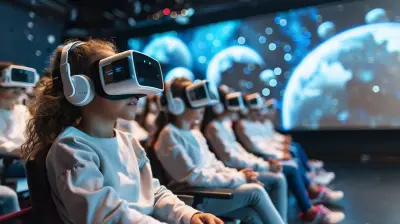
The Intersection of Language and Culture in Education
21 January 2026
Language and culture are like two peas in a pod. They’re intertwined, and you can’t really separate one from the other—especially when it comes to education. Imagine trying to teach or learn a subject without understanding the cultural context behind the language being used. It would be like driving a car with no wheels—you’re not going far! In this article, we’ll explore how language and culture intersect in education and why this intersection is so important for creating inclusive, effective learning environments.

Why Language and Culture Matter in Education
Let’s face it: language is more than just a bunch of words strung together. It’s a powerful tool for communication, but it’s also a reflection of cultural identity. Think about it—when someone speaks, they’re not just conveying information; they’re also sharing a piece of their cultural background. The way we use words, the idioms we choose, and even our tone of voice are all deeply rooted in the culture we come from.In education, this relationship between language and culture becomes even more crucial. Students don’t just bring their knowledge to the classroom; they bring their whole cultural identity with them. And when you have a diverse group of students, you’ve got a melting pot of languages and cultures, which can either be a challenge or an opportunity—depending on how educators approach it.
A Two-Way Street: How Culture Shapes Language
Culture shapes the way we understand and use language. For example, some languages have words for concepts that don’t even exist in other cultures. Ever heard of the Danish word “hygge”? There’s no direct English translation, but it refers to a cozy, warm feeling. And what about “ubuntu,” a Zulu word that means “I am because we are”? It’s a whole philosophy of interconnectedness that’s hard to encapsulate in just a few English words.The point is, language is a mirror of culture. When students speak their native language, they’re not just communicating—they’re expressing their cultural worldview. This is why it’s so important to acknowledge the role of both language and culture in education. If we ignore one, we risk losing the richness that comes with a diverse classroom.
The Reverse: How Language Influences Culture
Now, here’s where it gets even more interesting. Language doesn’t just reflect culture—it also shapes it. Think about it: the language you speak can limit or expand the way you think. There’s even a theory called “linguistic relativity,” which suggests that the structure of a language affects its speakers' worldview. For example, if a language has multiple words for different kinds of snow, its speakers will likely think about snow in more complex ways than someone who only knows one word for it.In an educational setting, this means that the language used to teach can shape how students understand and interact with the world. If students are only exposed to one dominant language and culture, they might miss out on different perspectives that could enrich their learning.
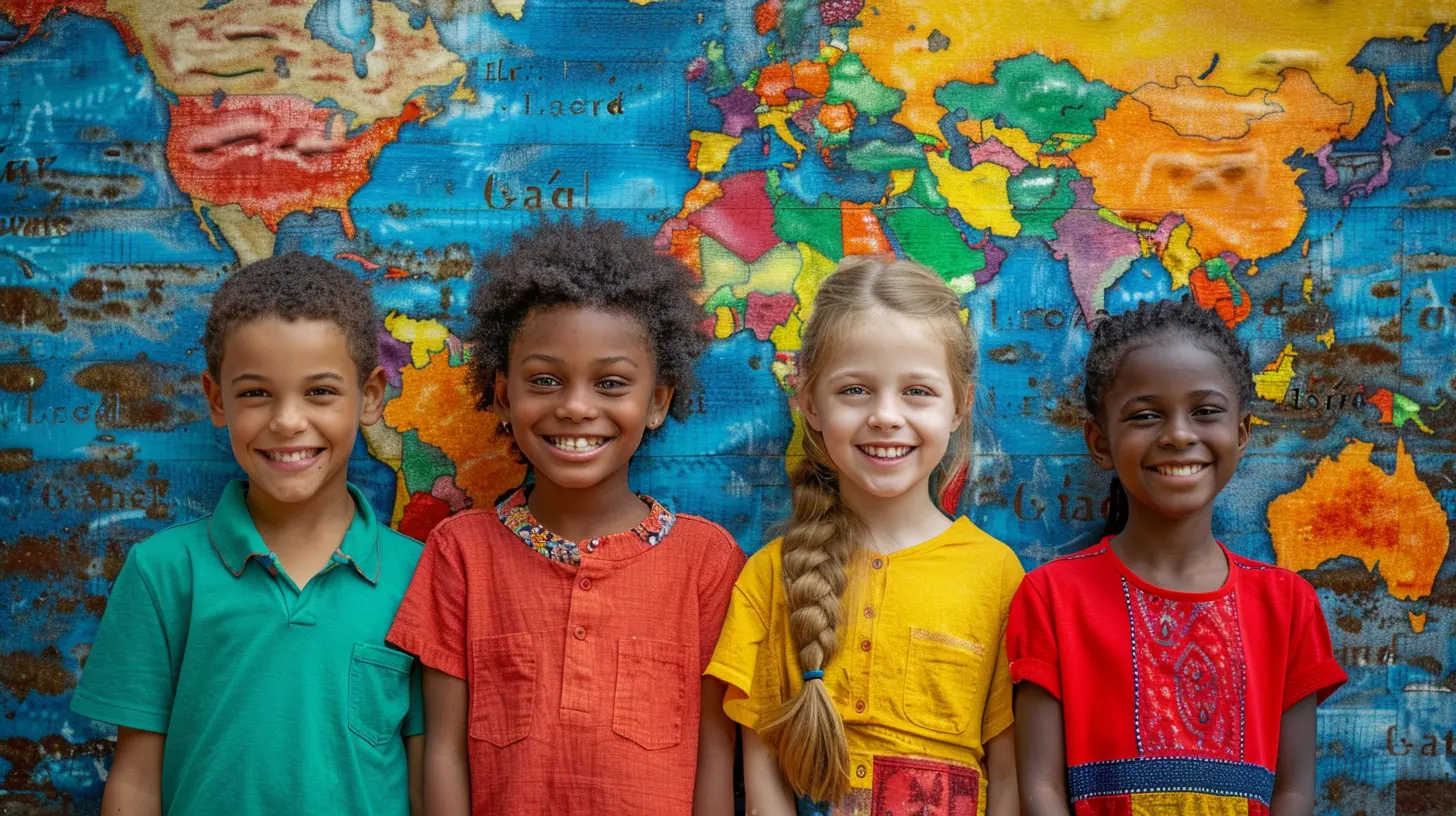
The Challenges of Language and Culture in the Classroom
Okay, so we’ve established that language and culture are important in education. But let’s be real—integrating them into the classroom isn’t always easy. In fact, it can be downright challenging, especially when you’re dealing with a diverse student body.Language Barriers
One of the biggest challenges is language itself. When students come from different linguistic backgrounds, communication can become a hurdle. Imagine trying to learn a new subject in a language you barely understand. It’s frustrating, right? This is a reality for many students who are non-native speakers of the language of instruction.Teachers often face the challenge of balancing the needs of these students while ensuring that the rest of the class isn’t left behind. It’s like juggling multiple balls at once—you have to keep all of them in the air without dropping any.
Cultural Misunderstandings
Another hurdle is cultural misunderstandings. Since language reflects culture, students from different backgrounds may have different ways of expressing themselves. What may seem like a simple question to one student could be viewed as disrespectful by another, depending on their cultural norms. For instance, in some cultures, making direct eye contact with a teacher is a sign of confidence; in others, it can be seen as rude.These subtle differences can lead to confusion, frustration, and even conflict in the classroom. Without a strong understanding of both language and culture, educators can unintentionally alienate students or misinterpret their behavior.
The Risk of Cultural Assimilation
There’s also the risk of cultural assimilation. When students are forced to abandon their native language and culture in favor of the dominant one, they may feel like they have to "fit in" by losing a part of themselves. This can lead to identity struggles and lower self-esteem, especially for younger students who are still figuring out who they are.It’s like being asked to wear a one-size-fits-all hat when you know it doesn’t quite suit you. Sure, you’ll wear it, but you won’t feel comfortable. And that discomfort can affect how well students perform in school.
Strategies for Bridging Language and Culture in Education
So, how can educators navigate these challenges? The goal isn’t just to make students fit into a pre-existing mold; it’s about creating an environment where all students, regardless of their linguistic or cultural background, feel valued and included. Here are a few strategies that can help.1. Embrace Multilingualism
One of the best ways to bridge the gap between language and culture is to embrace multilingualism. Instead of forcing students to only speak the dominant language, why not encourage the use of multiple languages in the classroom? This not only validates the students' cultural identities but also enriches the learning experience for everyone.For instance, teachers can create opportunities for students to share words or phrases from their native languages. This can be a fun way to introduce new vocabulary while also fostering cultural exchange. Plus, it helps students feel like their background is something to be celebrated, not hidden.
2. Culturally Responsive Teaching
Culturally responsive teaching is a pedagogical approach that recognizes the importance of including students' cultural references in all aspects of learning. This means not just acknowledging cultural diversity but actively integrating it into the curriculum. For example, instead of only teaching literature from one dominant culture, educators can include stories, poems, and texts from a variety of cultural backgrounds.This approach helps students see themselves in the curriculum, which can increase engagement and motivation. It’s like planting seeds in soil that’s familiar to the plant—it’s much more likely to grow and thrive.
3. Foster Open Dialogue
Creating a classroom environment where open dialogue is encouraged can go a long way. When students feel comfortable discussing cultural differences, they’re more likely to learn from each other. This kind of dialogue can break down stereotypes and misconceptions, fostering a sense of mutual respect.Teachers can facilitate this by creating safe spaces for students to share their experiences and perspectives. This not only promotes cultural understanding but also builds stronger relationships between students and teachers.
4. Professional Development for Teachers
Let’s not forget the educators themselves. In order to effectively navigate the intersection of language and culture, teachers need ongoing professional development. This could include training on cultural competency, language acquisition strategies, and how to create inclusive classrooms. Just like students, teachers are always learning, and the more tools they have, the better equipped they’ll be to meet the diverse needs of their students.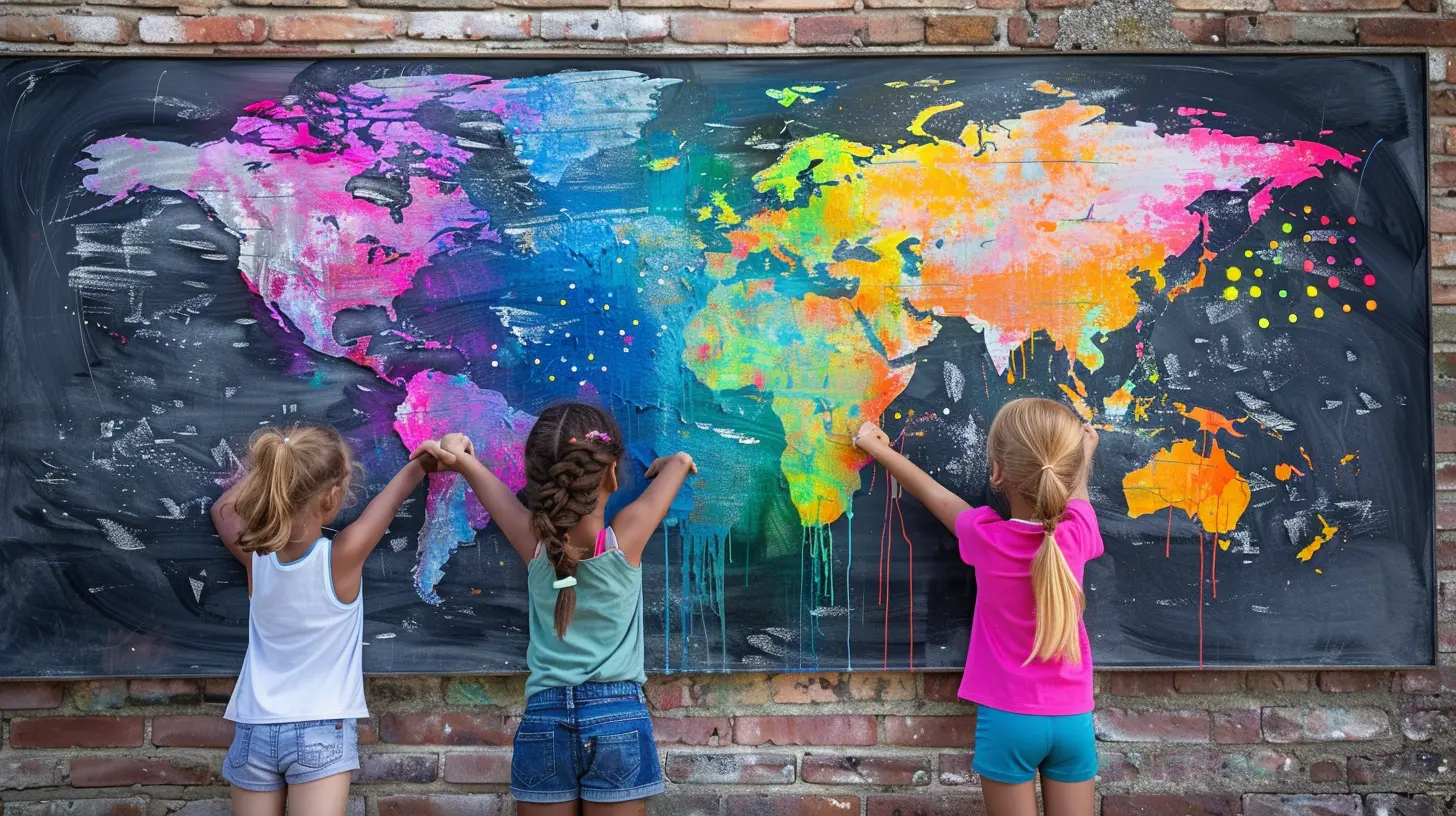
The Future of Language and Culture in Education
As globalization continues to shape our world, the intersection of language and culture in education will only become more important. The classrooms of the future will be even more diverse, with students coming from all corners of the globe. This presents both challenges and opportunities.On one hand, educators will need to be more flexible and open-minded than ever before. On the other hand, this diversity will create rich learning environments where students can gain a global perspective. In a world that’s increasingly interconnected, understanding different languages and cultures isn’t just a nice-to-have—it’s a must.
So, what’s the takeaway here? Language and culture aren’t just "extras" to be tacked on to the curriculum—they’re central to creating meaningful, inclusive education. By embracing the intersection of language and culture, educators can create learning environments where all students feel valued, respected, and empowered to succeed.
all images in this post were generated using AI tools
Category:
Cultural AwarenessAuthor:

Olivia Chapman
Discussion
rate this article
2 comments
Lillian Roth
This article beautifully highlights how language shapes our cultural understanding. Embracing this connection in education enriches learning experiences and fosters greater empathy and appreciation for diverse perspectives. A vital discussion for today’s classrooms!
February 7, 2026 at 12:00 PM
Olivia Chapman
Thank you for your thoughtful comment! I completely agree that recognizing the link between language and culture is essential for enriching education and fostering empathy in our classrooms. Your insights emphasize the importance of this discussion.
Jasmine Pace
Language is the bridge that connects cultures, enriching education. Embracing diverse linguistic backgrounds not only enhances learning but also cultivates empathy and global citizenship. Let's celebrate this powerful intersection!
January 27, 2026 at 4:42 AM
Olivia Chapman
Thank you for your insightful comment! I completely agree that language is a vital connector in education, fostering empathy and a deeper understanding of diverse cultures. Celebrating linguistic diversity enriches the learning experience for everyone.