The Legacy of the Ottoman Empire
16 March 2026
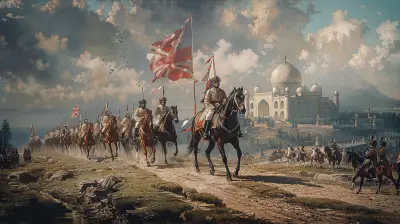
When we think of empires that shaped history, the Ottoman Empire has to be on the list — and not just somewhere at the bottom. This empire stretched across three continents, lasted over six centuries, and left deep footprints in politics, architecture, culture, cuisine, and even how we think about identity and governance today.
But here's the thing — the Ottoman legacy isn’t just found in dusty textbooks or ancient ruins. It’s alive in the streets of Istanbul, in Balkan folk music, in Middle Eastern politics, and in the spices of your favorite kebab. So, let’s take a journey through time — no time machine needed — and understand how the Ottoman Empire continues to echo in our lives today.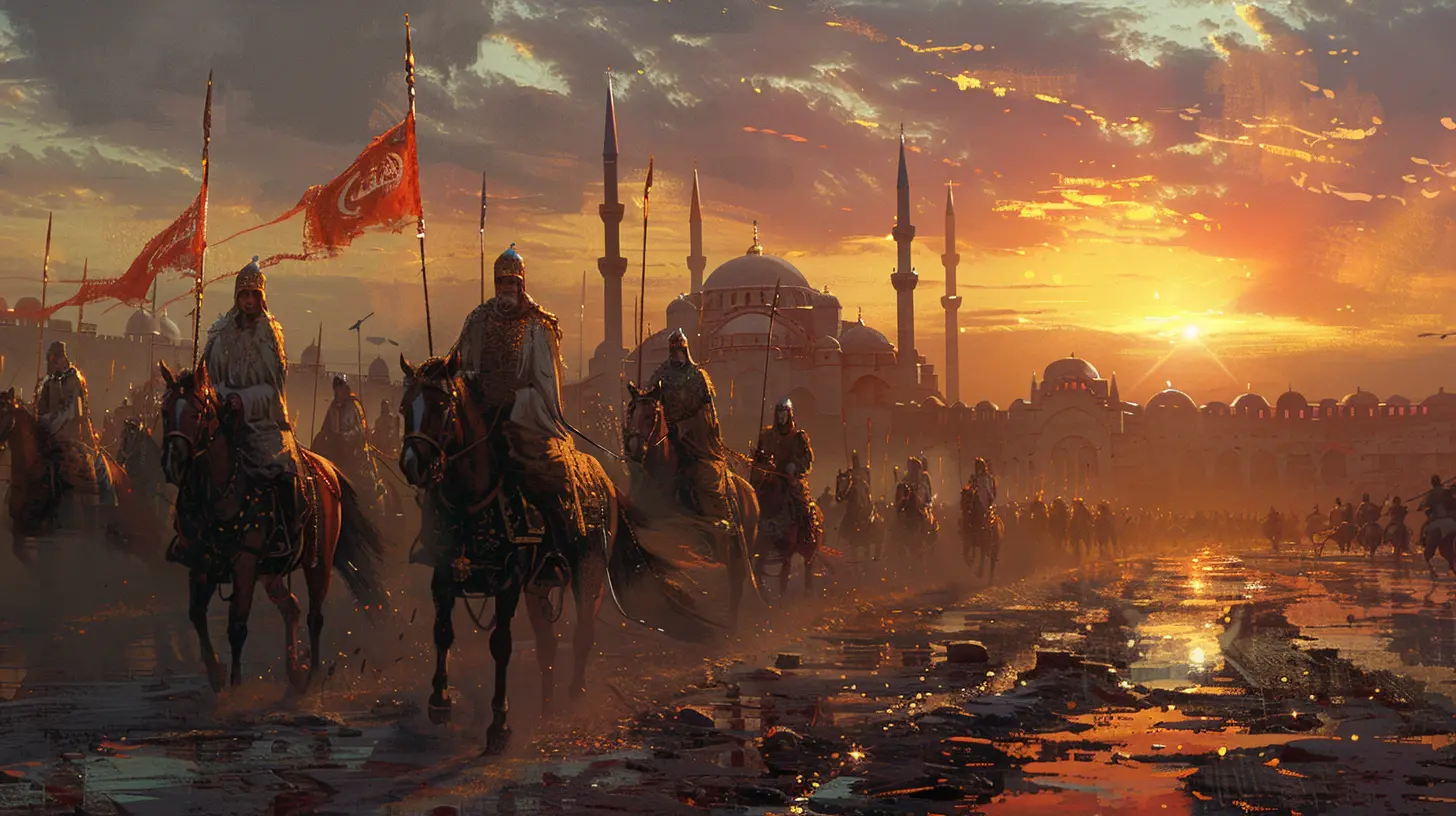
A Quick Snapshot: What Was the Ottoman Empire?
Let’s start with the basics. The Ottoman Empire was founded at the end of the 13th century in northwestern Anatolia (modern-day Turkey) by Osman I. Hence the name "Ottoman" — derived from his name. Over the centuries, this empire expanded like wildfire, peaking in the 16th and 17th centuries under Sultan Suleiman the Magnificent.At its height, the Ottoman Empire controlled Southeast Europe, parts of Central Europe, the Middle East, North Africa, and even parts of Arabia. We’re talking a huge global force here, influencing commerce, culture, religion, and international politics for over 600 years.
So how did it all come crashing down? Like many empires before it, internal issues, external pressures, and the sheer weight of its size led to its slow decline, ending officially in 1922 when the last sultan was deposed and the Republic of Turkey was born under Mustafa Kemal Atatürk.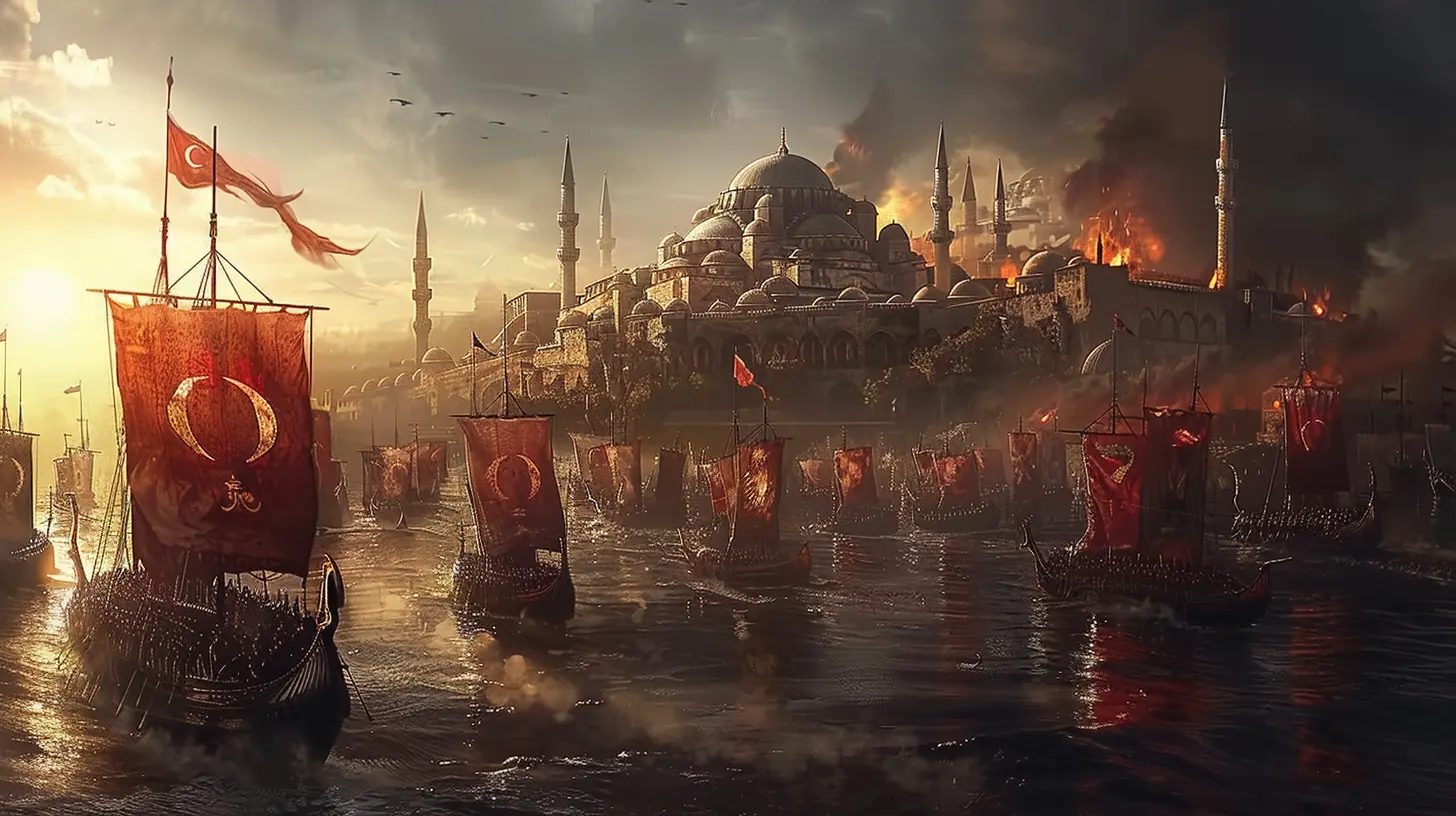
Political and Administrative Legacy
The Millet System: A Model of Diversity
Can you imagine a country today that governs people of different religions, languages, and ethnicities without total chaos? That was the Ottoman Empire in a nutshell. One of its most innovative political tools was the millet system. This approach allowed various religious communities—like Christians, Jews, and Muslims—to govern themselves under their own laws, leaders, and traditions.That’s huge. While not without its flaws, it was one of the earliest examples of religious tolerance and community-led governance in a multi-ethnic empire.
Bureaucracy, Ottoman-style
Running an empire meant keeping things organized. The Ottomans gave the world a masterclass in bureaucracy—creating clear hierarchies, tax systems, legal codes, and administrative districts. Many modern Middle Eastern and Balkan states inherited these systems. Even today’s Turkish civil service owes a lot to Ottoman administrative structures.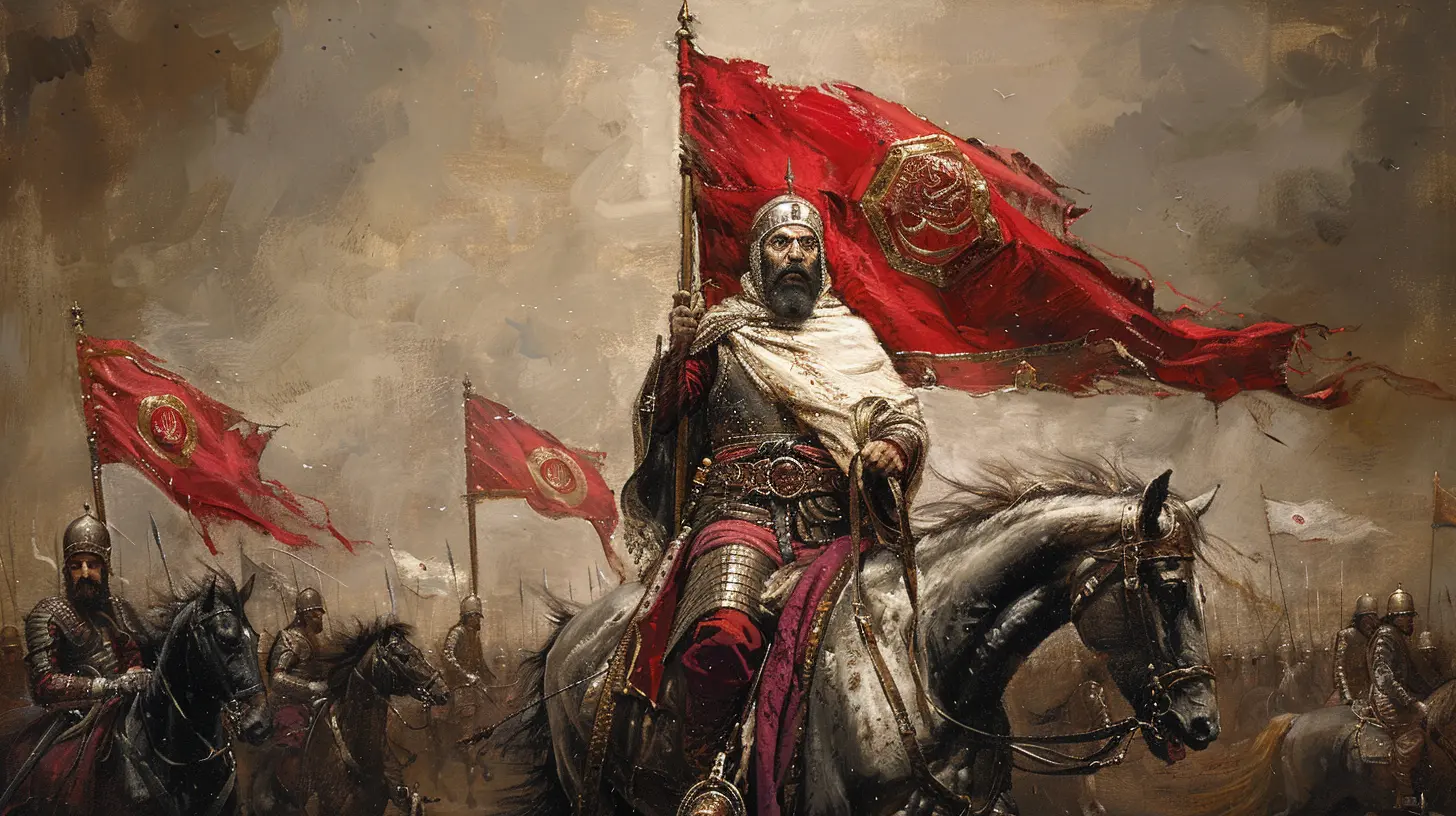
Cultural Contributions: More Than Just Pretty Mosques
Architecture That Touches the Sky
Ever seen the Blue Mosque in Istanbul? Or the Hagia Sophia? These wonders are part of the Ottoman architectural legacy. They didn’t just build buildings; they designed spiritual experiences, combining Byzantine elements with Islamic artistry to craft some of the most iconic structures in the world.Thanks to skilled architects like Mimar Sinan, Ottoman design became a blend of function, beauty, and cultural symbolism. His work alone laid the base for Islamic architecture across the Muslim world.
Food That Brings People Together
You might not have realized this, but every time you savor a delicious piece of baklava or enjoy a bite of tender lamb kebab, you’re tasting Ottoman culinary influence. The empire’s position between East and West meant that its cuisine was a beautiful mix of Arab, Persian, Balkan, and Central Asian flavors.Coffee? Yep, that too. The Ottomans introduced it to Europe and turned it into a genuine social ritual. The first European coffeehouses? Thank the Ottomans.
Language and Literature
Ottoman Turkish was a blend of Turkish, Arabic, and Persian, making it a rich, poetic language. It was used in state affairs, literature, and philosophy. Turkish today has shed much of the Arabic and Persian influence, but the Ottoman roots still run through it.And let's not forget how the empire preserved and transmitted knowledge. Libraries and schools flourished, and scholars from different faiths contributed to medicine, astronomy, and theology.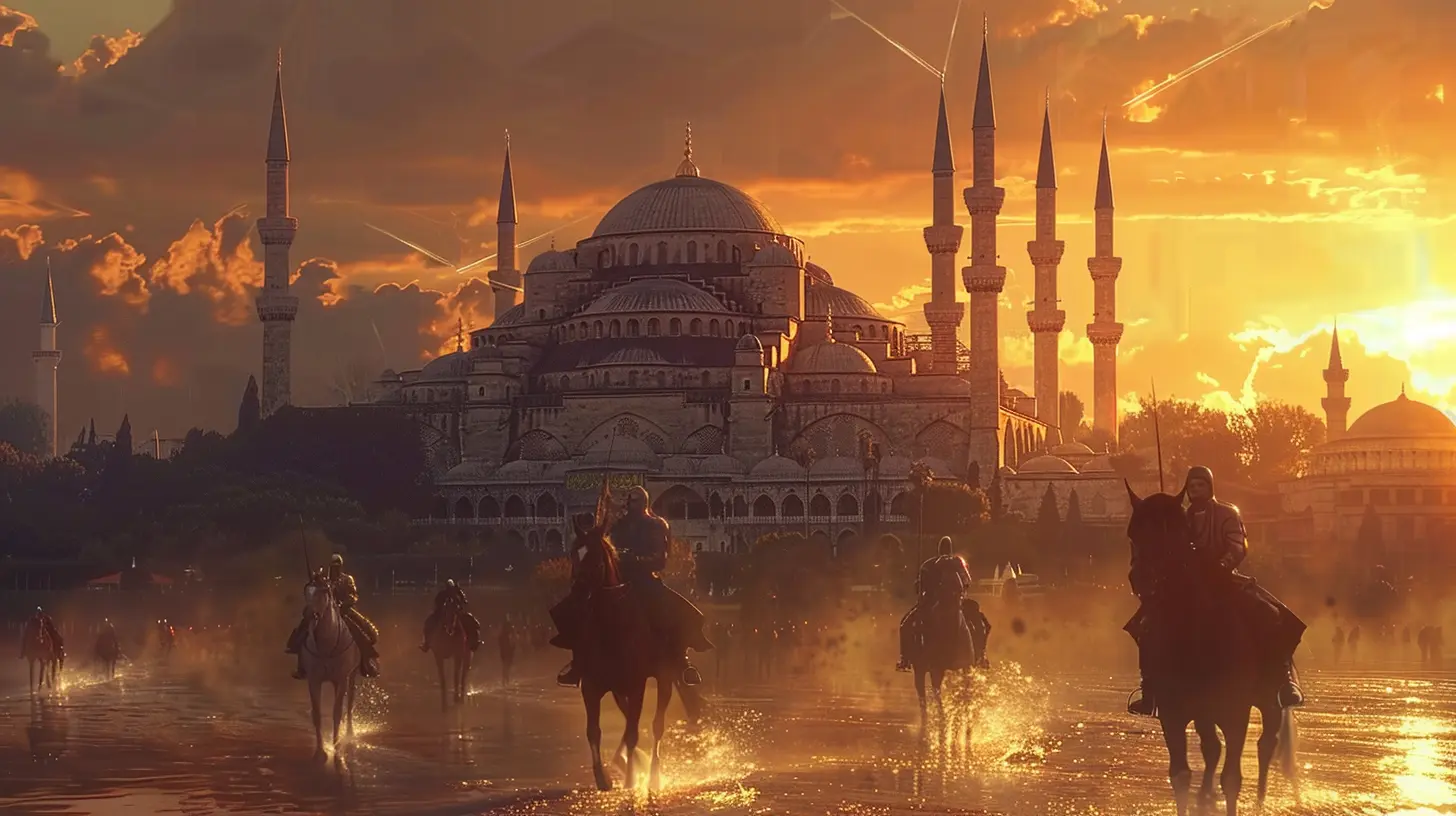
The Religious Impact
Islam and the Caliphate
The Ottoman rulers were sultans, but they also took on the title of Caliph — the religious leader of the Muslim world — in 1517 after conquering Egypt. This wasn’t just a ceremonial title. The Ottomans saw themselves as defenders of Sunni Islam, and many Muslims looked to them as legitimate spiritual leaders.This legacy still lingers in the political imaginations of some groups today, shaping debates about religion and governance in the Muslim world.
Religious Coexistence (with Complications)
The empire was mostly Muslim, but it was incredibly diverse. Christians and Jews lived and thrived under Ottoman rule. The empire provided safe haven for Jews expelled from Spain in 1492, welcoming them into cities like Istanbul and Thessaloniki.However, this coexistence wasn’t always smooth. Non-Muslims paid special taxes (like the jizya), and there were periods of persecution, especially during times of political upheaval. So, while the empire was relatively tolerant for its time, it wasn’t a perfect model of equality.
Social Structure and Daily Life
The Role of Women
While the public sphere was dominated by men, women in the Ottoman Empire played significant roles behind the scenes — especially in the palace.Ever heard of the term Sultanate of Women? It refers to a period when women of the royal harem, particularly the mothers of young sultans, exerted immense influence over politics and court decisions.
In everyday life, women in urban areas could own property, start businesses, and participate in local economies — unusual freedoms compared to many contemporary societies.
The Janissaries: An Army Like No Other
The Janissaries were elite soldiers originally made up of Christian boys taken from their families through a system called devshirme. They were converted to Islam, educated, and trained as elite warriors and administrators.It sounds harsh, but many of these boys rose to high rank, and the Janissaries became a powerful and, eventually, problematic force in Ottoman politics. Love them or hate them, they were a symbol of how seriously the Ottomans took military organization and discipline.
The Fall and Its Aftershocks
The End of an Era
By the 19th century, the "Sick Man of Europe" (as the Ottoman Empire was mockingly called) was losing territory and influence. Nationalist movements, military defeats, and pressure from European powers chipped away at its vast domain.World War I was the final blow. After siding with the Central Powers and suffering defeat, the empire was dismantled. In 1922, the last sultan was ousted, and the Republic of Turkey emerged under Mustafa Kemal Atatürk.
Drawing Borders and Stirring Tensions
Here’s where things get tricky. The fall of the Ottoman Empire left a vacuum, and the borders of many modern Middle Eastern countries were drawn by European powers — often without much thought to ethnic or tribal realities. Sound familiar?Conflicts in Syria, Iraq, and Palestine can trace some of their roots back to this period. It's not the sole cause, but the Ottoman exit left behind a complex mess that still affects geopolitics today.
Modern Echoes of the Empire
Turkish Identity and Ottoman Nostalgia
Today’s Turkey has a complicated relationship with its Ottoman past. Atatürk intentionally distanced the new republic from the empire, promoting secularism and Westernization. But in recent decades, there’s been a resurgence of Ottoman nostalgia.TV series like Diriliş: Ertuğrul and Muhteşem Yüzyıl (The Magnificent Century) have revived interest in Ottoman history, blending national pride with cultural storytelling. Many Turks now see the empire not as a relic of the past but as a symbol of former glory.
Influence in the Balkans and the Middle East
You can still hear Ottoman echoes in the Balkans — in music, language, food, and even architecture. In cities like Sarajevo or Skopje, Ottoman mosques and bridges still stand tall, bridging East and West, past and present.The same goes for the Levant and North Africa. Ottoman administration, culture, and social structures have left more than just traces — they’ve shaped everything from legal systems to family structures.
Final Thoughts
Look, the Ottoman Empire wasn’t perfect. It had its moments of brilliance, cruelty, tolerance, and tyranny. But ignoring its legacy would be like trying to understand Europe without mentioning Rome or discussing Africa without acknowledging the Pharaohs.The Ottomans were a bridge — between East and West, Islam and Christianity, tradition and modernity. Their legacy isn’t just in the past; it’s still touching lives, shaping debates, and influencing culture today.
So next time you sip a cup of Turkish coffee or walk beneath a dome adorned with Ottoman calligraphy, remember — you’re not just tasting or seeing something beautiful. You’re experiencing a living, breathing piece of human history.
all images in this post were generated using AI tools
Category:
History LessonsAuthor:

Olivia Chapman
Discussion
rate this article
2 comments
Axel James
The Ottoman Empire's legacy is complex, marked by both cultural achievements and historical controversies. While it fostered a rich tapestry of art and architecture, its impact on modern nationalism and regional conflicts remains significant, warranting critical examination in today's context.
March 31, 2026 at 4:01 AM
Olivia Chapman
Thank you for your insightful comment. Indeed, the Ottoman Empire's multifaceted legacy continues to shape contemporary issues, blending cultural richness with challenges in modern nationalism and regional dynamics. Your perspective highlights the importance of nuanced discussions around this historical legacy.
Yasmeen Benton
The Ottoman Empire's legacy transcends borders, intertwining cultures and histories, reminding us that empires are not just power structures but complex tapestries of human experience and identity.
March 19, 2026 at 1:08 PM
Olivia Chapman
Thank you for highlighting the rich tapestry of the Ottoman Empire's legacy; it truly illustrates how empires shape and connect diverse cultures and identities.