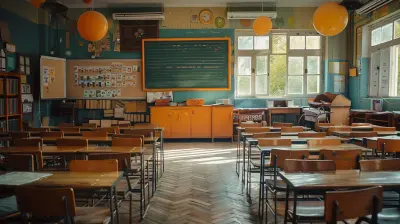
The Power of Relationships in Building Student Motivation
8 July 2026
Ever wonder why some students seem naturally driven while others constantly struggle to stay engaged? Sure, factors like personal interest and rewards play their role—but there’s something even more powerful working behind the scenes. It’s all about relationships.
Yep, we're talking about human connections here. The bond between a student and their teacher, peers, or even family members can spark a fire that lights up a student's entire learning journey. When students feel seen, heard, and supported, something magical happens—they start caring. Not just about grades, but about learning itself.
So, let’s dive deep into this underrated (yet incredibly effective) source of motivation: relationships.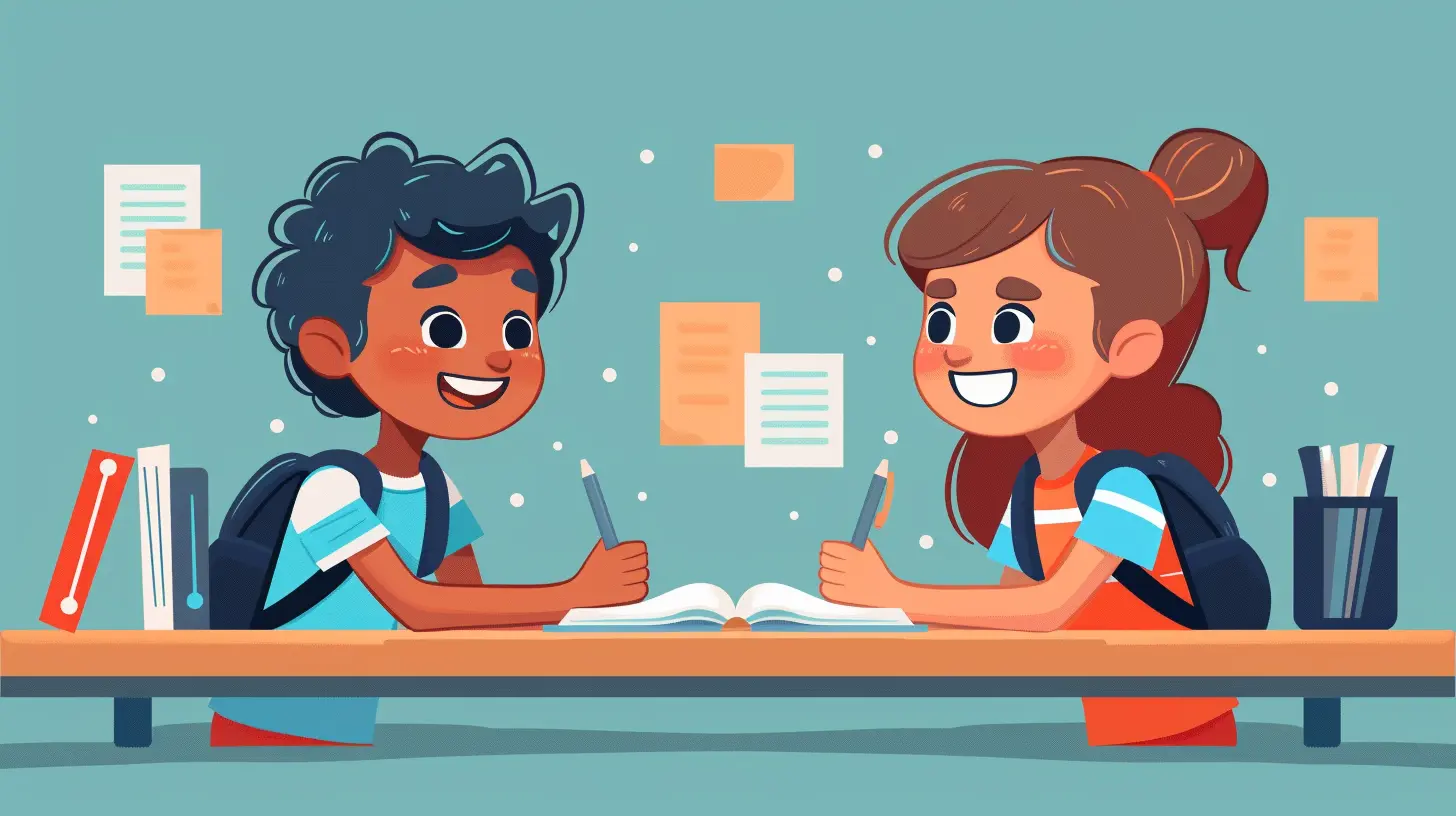
Why Relationships Matter in Education
Let’s get something straight—education isn’t just about textbooks, tests, and report cards. At its core, it's about people. And people thrive in environments where they feel connected.Imagine walking into a classroom where no one knows your name, no one smiles at you, and no one seems to care whether you’re there or not. Would you feel excited to learn? Probably not.
Now flip the script. What if your teacher greets you warmly, your classmates include you in discussions, and your efforts are constantly recognized—even the small ones? That changes everything, doesn’t it?
Students, just like all of us, are wired to respond to interpersonal relationships. These connections build trust, provide emotional security, and create an atmosphere where learning becomes something to look forward to instead of something to dread.
The Teacher-Student Relationship: A Game Changer
Building Trust Is Key
Here’s the deal: if students don’t trust their teachers, they won’t open up. They won’t ask questions, admit when they’re confused, or take risks in learning—which are all essential for growth.A strong teacher-student bond is the foundation of student motivation. When students sense that their teacher genuinely cares about them—not just as learners, but as individuals—they’re more likely to invest in what’s being taught.
Showing You Care (For Real)
It’s not about big grand gestures. Small, consistent acts can go a long way—like remembering a student's interests, praising their effort, or just asking how their day is going. These seemingly minor things build rapport and pave the way for respect and collaboration.If you’re a teacher reading this, ask yourself: “How would I feel being taught by me?” If the answer is “probably ignored,” then it might be time to rethink your approach.
Peer Relationships: Learning Together, Growing Together
Students don’t just learn from adults—they learn from each other too.The Power of Belonging
Think back to your own school days. Remember how important it was to feel like part of a group? That need for belonging doesn’t go away with age. When students feel they belong, they’re more likely to participate, collaborate, and push themselves.Group work, peer tutoring, and class discussions aren’t just learning techniques—they’re opportunities to strengthen relationships. And when students bond with their peers, they also gain confidence, build empathy, and become more invested in the learning process.
Peer Motivation is Contagious
Motivation is a lot like yawning—it spreads. When students see their classmates setting goals, working hard, and celebrating small wins, it can inspire them to do the same. That’s the power of a motivated peer group—it pulls everyone upward.
Family Support: The First Connection
Let’s not forget that many relationships start at home. Parents and guardians are the first teachers students ever have. Their influence is profound and lasting.Emotional Support Goes a Long Way
It might sound obvious, but when students feel emotionally safe and supported at home, they’re more likely to handle challenges at school with resilience. A nurturing home environment fosters a positive mindset that can fuel motivation for years.Encouragement Over Pressure
Here’s a hot take: encouragement beats pressure—every time. When families focus on effort instead of just outcomes, students learn that progress matters more than perfection. This shift in mindset can alleviate anxiety and increase motivation in the long run.A Safe Environment Fuels Motivation
Relationships don’t flourish in toxic environments. And motivation? It wilts under fear, judgment, and neglect.Creating Psychological Safety
Classrooms should be safe spaces where students can express themselves without fear of being ridiculed or dismissed. That’s how innovation and critical thinking are born. When students feel safe, they take more academic risks—and that’s when real learning happens.Positive Reinforcement Works Wonders
Instead of punishing mistakes, great teachers celebrate effort. “You tried a tough problem—awesome effort!” goes way further than “You got it wrong.” Shifting the focus from failure to growth is a relationship-building move that boosts motivation.Relationship-Driven Motivation vs. Traditional Approaches
Let’s face it—traditional motivation strategies (like rewards and punishments) don’t work forever. They’re short-term fixes. Stickers, grades, and gold stars might work initially, but they don’t build the kind of inner drive that sustains learning over time.On the other hand, relationships do.
Why? Because motivation born from personal connection lasts. When students are motivated by their desire not to disappoint someone they respect—or because they feel genuinely understood—they begin driving their learning from the inside out.
Real-Life Stories That Prove the Point
Let’s bring this all to life with a few examples:- Mr. Cortez, a high school science teacher, makes a point of learning each student’s name in the first week. He attends their games, comments on their art, and gives feedback that reflects their uniqueness. Students who once dreaded science now stay after class to ask questions.
- Lisa, a 7th grader, was struggling academically and emotionally—until a peer group invited her to join their study circle. Their support helped her catch up, and her confidence soared.
- Josh’s parents replaced their constant nagging with a new approach: they began praising his effort, no matter the outcome. Slowly, Josh started studying on his own—and even began setting goals.
What do these stories have in common? Strong relationships. They’re the fuel behind every student transformation.
How Can Schools Foster These Relationships?
You might be thinking, “Okay, this sounds great—but how do we actually build these relationships, especially on a big campus with hundreds of students?”Good question. It’s not always easy, but it’s 100% possible.
Smaller Class Sizes Help
When possible, reducing class size allows teachers to give more individualized attention—making it easier to notice when a student is struggling or just needs a little encouragement.Advisory Programs Are Gold
Many schools have started incorporating advisory periods—small group meetings led by a teacher that focus on emotional growth, goal setting, and connection. These moments of intentional bonding build trust and help students feel known and valued.Ongoing Professional Development
Teachers need support too. Training in emotional intelligence, communication strategies, and trauma-informed teaching can empower educators to connect on deeper levels with students.The Takeaway: Relationships Are the Heartbeat of Motivation
We often search far and wide for flashy new ways to motivate students—new apps, reward systems, fancy curriculum. But the truth? The most effective motivator has been with us all along: relationships.When a student feels connected—to a teacher, to peers, to family—that connection becomes the spark they need to push through challenges, stay curious, and keep going even when things get tough.
So if we really want to build lifelong learners, we have to start with something deeply human. And yes, it’s as simple (and as powerful) as being kind, being present, and being real.
Practical Tips for Teachers and Parents
Before we wrap up, here are some quick actionable tips to strengthen relationships and boost motivation:For Teachers:
- Greet every student by name.- Give specific praise often.
- Ask open-ended questions about their lives.
- Be consistent with rules and expectations.
- Share parts of your story; let them see the real you.
For Parents:
- Celebrate effort, not just results.- Create a daily check-in moment (“How was school today?” actually works when asked with genuine interest).
- Attend school events whenever possible.
- Listen more than you speak.
- Let your child know they’re more than their grades.
Relationships require time and intention, but the return on investment? Absolutely priceless.
Final Thoughts
Motivation isn’t about tricks or tactics—it’s about connection. And when we focus on building strong, supportive relationships with students, that connection becomes the foundation of everything. It’s not just about getting them to work harder—it’s about helping them believe they can.So let’s start there. Let’s make relationships the curriculum—because once students feel connected, the learning follows.
all images in this post were generated using AI tools
Category:
Student MotivationAuthor:

Olivia Chapman
Discussion
rate this article
1 comments
Haven Pruitt
Great insights on how relationships foster motivation! Connecting personally with students not only enhances engagement but also builds a supportive learning environment. Keep sharing these tips!
July 12, 2026 at 10:43 AM
Olivia Chapman
Thank you for your kind words! I'm glad you found the insights helpful. Building those connections really does make a difference in motivation and engagement.