The Power of Storytelling in Building Cultural Awareness
30 July 2026
Have you ever found yourself captivated by a story that transported you to a completely different world? Maybe it was set in a distant country or a long-forgotten time, yet it felt real and strangely familiar. That’s not magic—that’s storytelling. And it’s more powerful than we often give it credit for.
In today's fast-paced digital world, our differences can sometimes seem larger than life. Cultural misunderstandings, stereotypes, and biases aren't just tabloid headlines—they're real barriers to connection. But there's this one, age-old bridge that helps us cross those divides. You guessed it: storytelling.
Let’s peel back the layers and dive into how stories don’t just entertain—they educate, transform, and connect us across cultures in ways textbooks never could.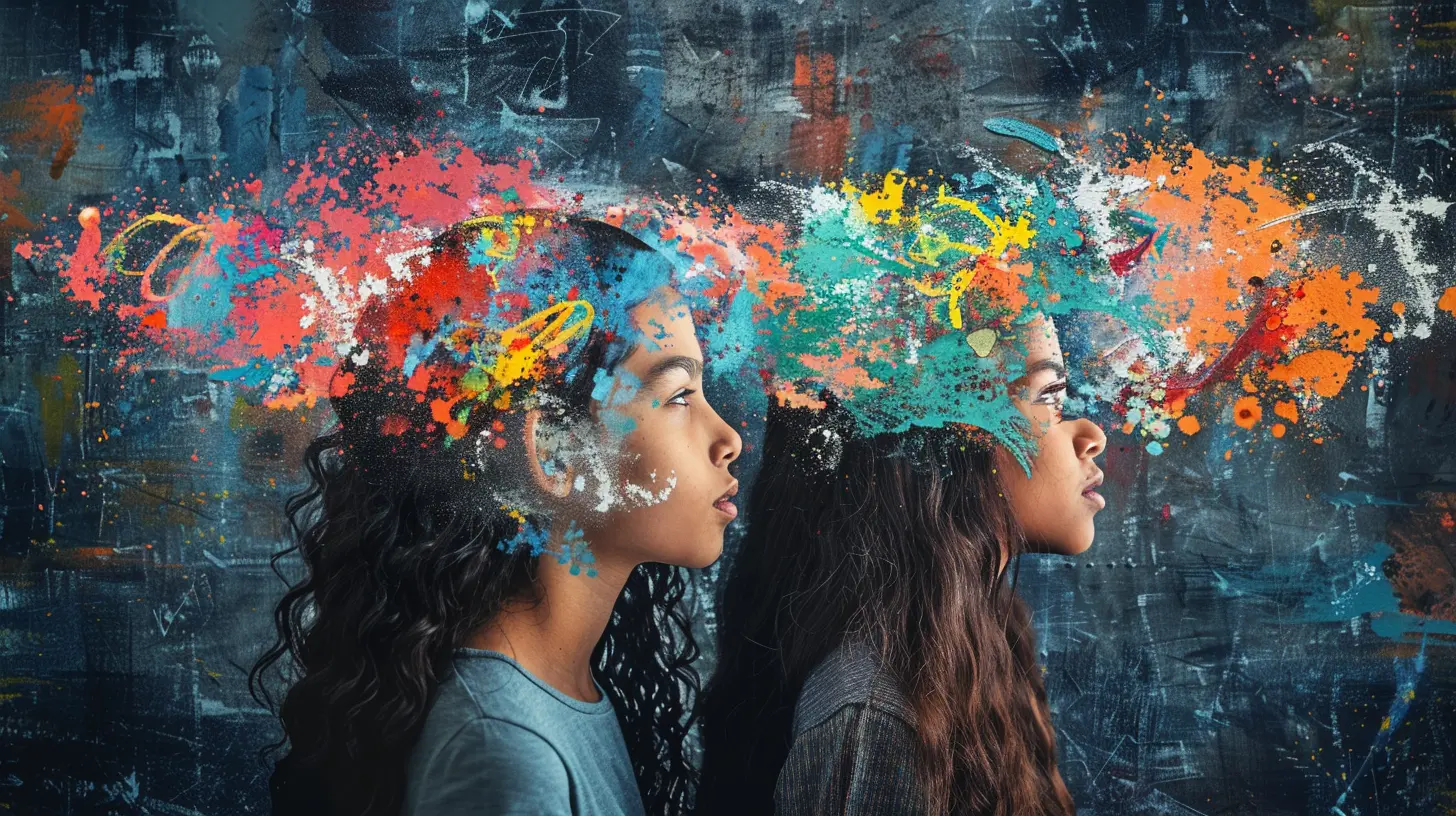
What Is Cultural Awareness, Really?
Before we dig into storytelling, let’s get clear on what we mean by cultural awareness. It’s not just knowing that people eat with chopsticks in Japan or that Italians love their pasta (although, sure, that’s part of it). Cultural awareness is much deeper. It’s about understanding and respecting the beliefs, values, customs, and social behaviors of different communities.Think of it like seeing the world through someone else's glasses. Not just wearing them—but adjusting your vision to really see what they see.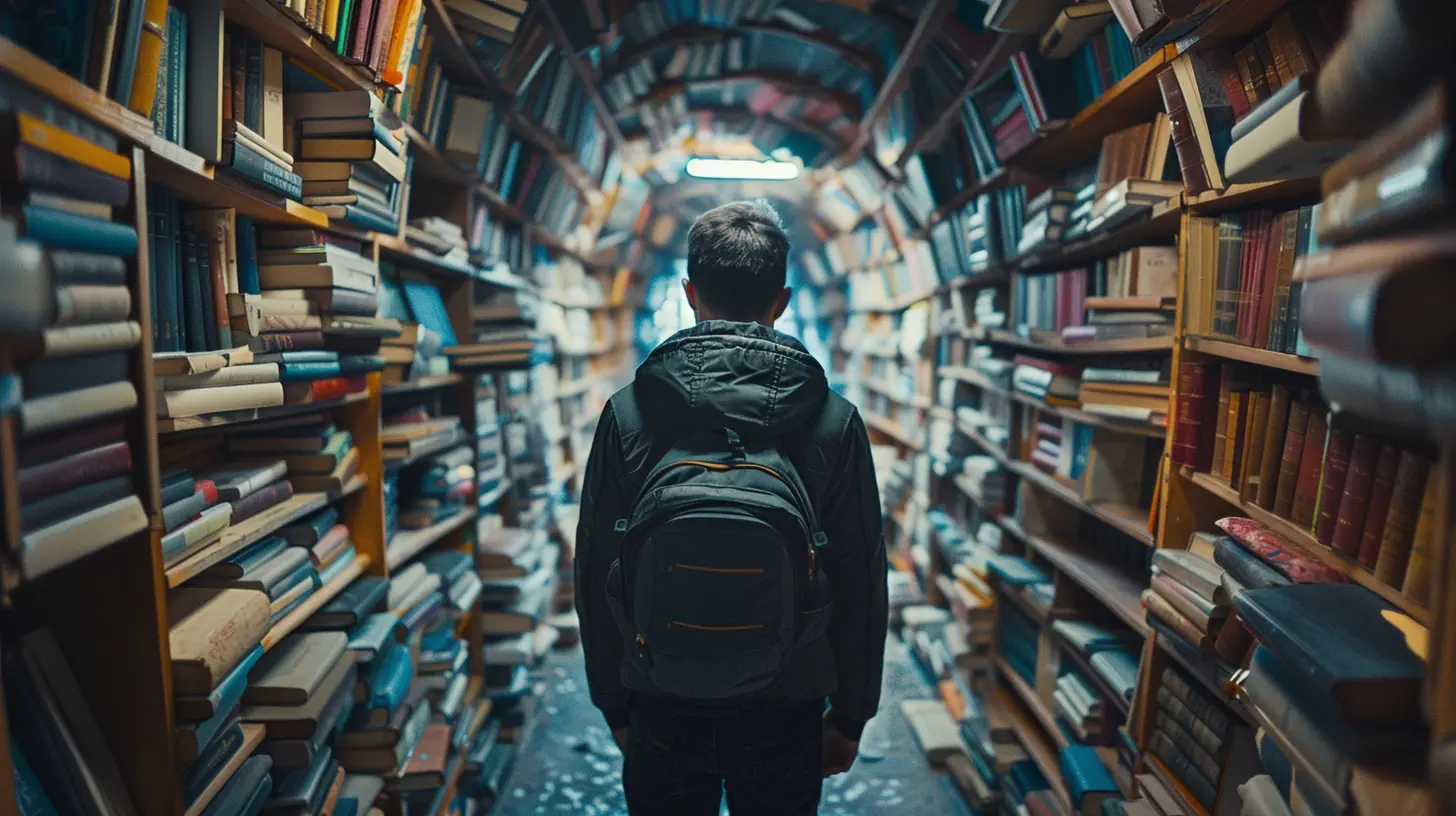
The Ancient Bond Between Culture and Story
Ever wonder why every society, no matter how isolated or ancient, has stories? From Aboriginal Dreamtime tales to Greek mythology to African tribal legends passed down orally—storytelling has always been our go-to communication tool.Why? Because it’s how we make sense of the world.
Stories carry the DNA of a culture. They're like time machines, allowing you to sit beside a grandmother in rural India or a young shepherd in ancient Mesopotamia and hear what life meant to them.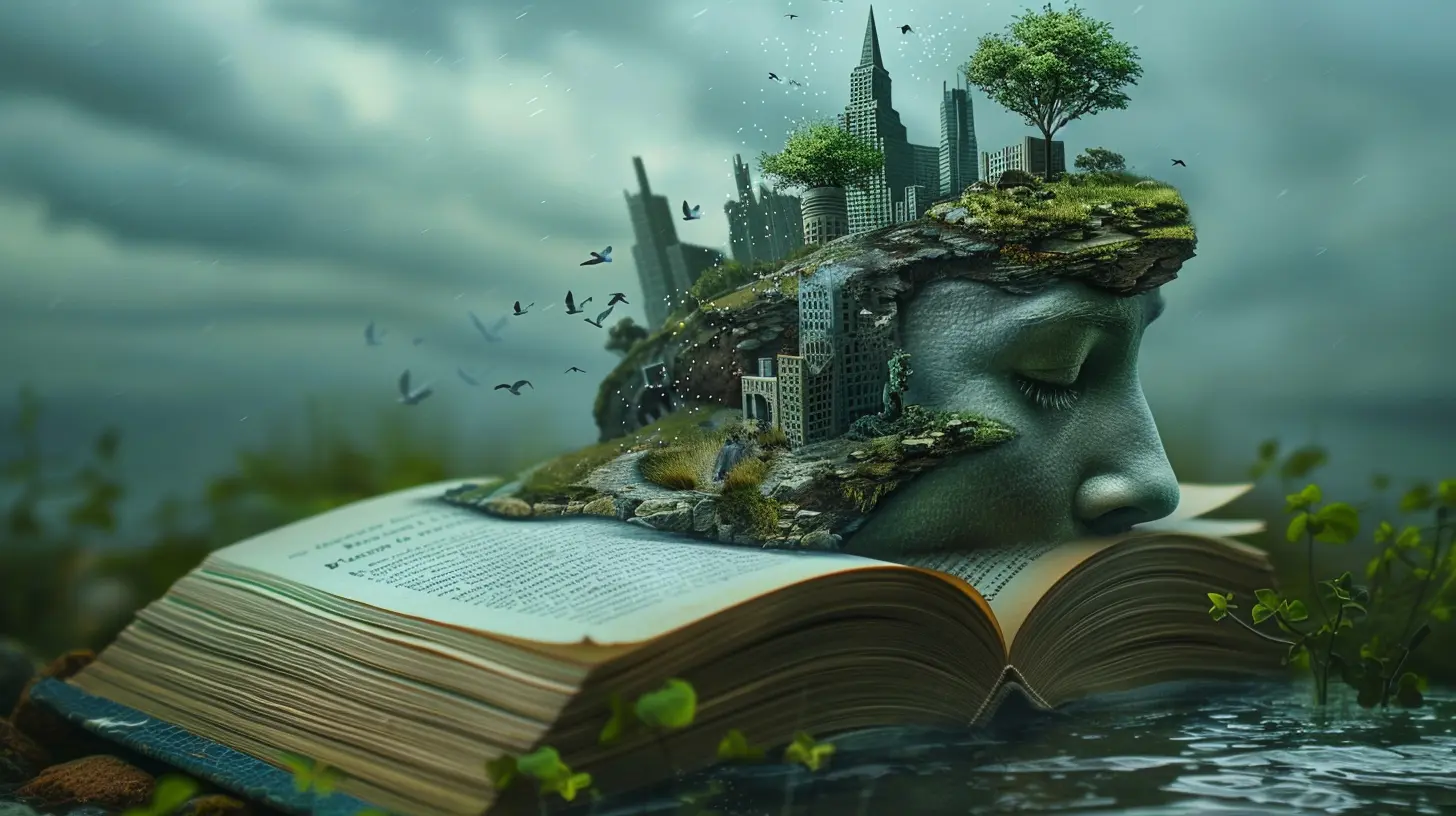
How Storytelling Builds Bridges, Not Walls
Let’s face it—facts can be boring. But stories? Stories stick. Why? Because they speak to the heart, not just the head. When we hear a story from someone of a different background, we connect emotionally. We start to care. And caring is where understanding begins.Let’s break down how storytelling opens our minds:
1. Stories Humanize "The Other"
We hear all the time about “those people” over there—in the news, on social media, in documentaries. But when you hear a first-person story from someone living that reality, they become real. They’re no longer a statistic; they’re a person, just like you.Ever cried during a movie set in a war-torn country? That’s cultural awareness whispering in your heart: “See them. Know them.”
2. They Challenge Stereotypes
We all carry stereotypes (yeah, even if we think we don’t). It’s how our brains try to make sense of a complicated world. But stories—especially personal ones—tear those assumptions down.Think of Chimamanda Ngozi Adichie’s famous “The Danger of a Single Story.” She argued that when we only hear one version of a person’s culture or experience, we reduce them to a cliché. But stories—multiple, nuanced, rich in detail—bring the full picture into focus.
3. They Spark Empathy
You can’t teach empathy with a bulleted list. You can build it through stories. When you listen to someone recount their struggles, joys, traditions, and hopes, something shifts. You start to feel their reality, even if it’s not your own. Suddenly, you’re standing in their shoes, if only for a few minutes. That’s the secret sauce of storytelling.
The Role of Storytelling in Education
Here’s the thing: cultural awareness shouldn’t be optional in education. It should be foundational. And storytelling? It’s the perfect tool to bring that foundation to life.Let’s look at how storytelling transforms classrooms into cultural melting pots:
1. Stories Bring Textbooks to Life
History books tell you that World War II happened. A Holocaust survivor's story shows you what it meant to lose a family, survive brutality, and rebuild a life. Literature shows you what statistics can’t. They take facts and weave them with emotion, making them unforgettable.2. They Create Safe Spaces for Dialogue
When students share or listen to stories, they’re not just learning—they're engaging. Stories invite reflection and dialogue without finger-pointing or lectures. They let us say, “I never thought of it that way,” and mean it.3. They Encourage Global Citizenship
In an increasingly interconnected world, cultural literacy isn’t a luxury—it’s survival. By listening to stories from different regions and perspectives, students develop a mindset that appreciates, rather than fears, difference. That’s how we grow global citizens, not just well-read graduates.Digital Storytelling & Modern Platforms: A New Age of Cultural Sharing
Thanks to the internet, storytelling has evolved—and it’s more accessible than ever.Think podcasts, YouTube vlogs, animation shorts, personal blogs, and TikTok videos. From the Sahara to South Korea, voices once silenced are now amplified. And guess what? People are listening.
Social media platforms aren’t just for dance challenges and memes. They’re modern campfires, where people swap stories that shape perceptions and build empathy.
Take, for example, Humans of New York. Brandon Stanton’s photo-stories spotlight everyday people from around the globe—and they’re gripping. Why? Because they tell honest, unfiltered, deeply personal stories that make you care. That’s raw cultural awareness, delivered one post at a time.
The Hidden Curriculum: What Stories Really Teach Us
Let’s get real for a second. Cultural awareness isn’t just about avoiding faux pas or sounding woke on Twitter. It’s about being human. And storytelling teaches us that in ways no syllabus can.Here’s what stories offer that formal education often misses:
- Nuance: Cultures aren't monoliths. One story counters generalization.
- Complexity: Stories show that people can hold conflicting values—and that’s okay.
- Courage and resilience: We see characters (real or fictional) who overcome barriers we'll never face—and still find joy.
That’s the hidden curriculum. And it’s absolutely vital.
How You Can Use Storytelling to Boost Cultural Awareness
Okay, so how do we harness this magical tool in everyday life? You don’t need a degree in literature or an award-winning podcast to make a difference. Here's how you can start:1. Listen Actively and Often
Seek out stories from people unlike you. Read memoirs. Watch foreign films. Subscribe to podcasts from different communities. Let those voices fill your mind—especially the uncomfortable ones.2. Share Your Own Story—Authentically
You have a story, too. And sharing it openly creates space for others to do the same. Vulnerability begets vulnerability.3. Use Storytelling in the Classroom or Workplace
Teachers, start class with a cultural folktale. Managers, begin meetings with personal anecdotes. Little things go a long way in sparking connection.4. Challenge “Single Stories”
Next time someone generalizes—“All ___ are like this”—respond with a story. Gently. Thoughtfully. Real stories have the power to expand minds more than arguments ever could.The Future of Storytelling in Cultural Education
We’re at a crossroads. With AI, algorithms, and virtual reality shaping how we consume content, we must choose to include diverse, authentic stories. Otherwise, we risk losing the very thing that makes storytelling powerful—its soul.The future? It’s immersive. Imagine VR storytelling that puts you in a refugee’s journey or an Indigenous ceremony. It’s coming. But technology will only be as powerful as the stories we choose to elevate.
So let’s be intentional. Let’s make sure the future of storytelling is rooted in empathy, authenticity, and a deep respect for cultural richness.
Final Thoughts: Why Stories Matter More Than Ever
In a world where “us vs. them” narratives dominate headlines, storytelling reminds us that we’re more similar than we are different. It’s the oldest form of teaching, and still the most effective. Through stories, walls crumble, bridges build, and hearts open.So the next time you hear a story from a culture that’s not your own, lean in. Listen. Let it change you. That’s where real awareness begins—not with facts, but with feeling.
all images in this post were generated using AI tools
Category:
Cultural AwarenessAuthor:

Olivia Chapman
Discussion
rate this article
1 comments
Orionyx Taylor
Storytelling truly connects us and enriches our cultural understanding!
August 3, 2026 at 12:34 PM