The Role of Honesty in Character Education
28 May 2026
Let’s face it—honesty isn’t just about fessing up when you break a window or sneak a cookie. It runs much deeper than that. It’s the bedrock of trust, the cornerstone of integrity, and arguably the backbone of every strong character. In a world that’s often riddled with half-truths, filtered realities, and sugarcoated stories, teaching honesty in character education feels more necessary than ever.
So, why is honesty such a big deal in shaping character? Why should we care whether students are being truthful or not? Well, buckle in because we’re about to dig deep into the raw, unfiltered truth behind honesty and how it builds a foundation for a rock-solid character.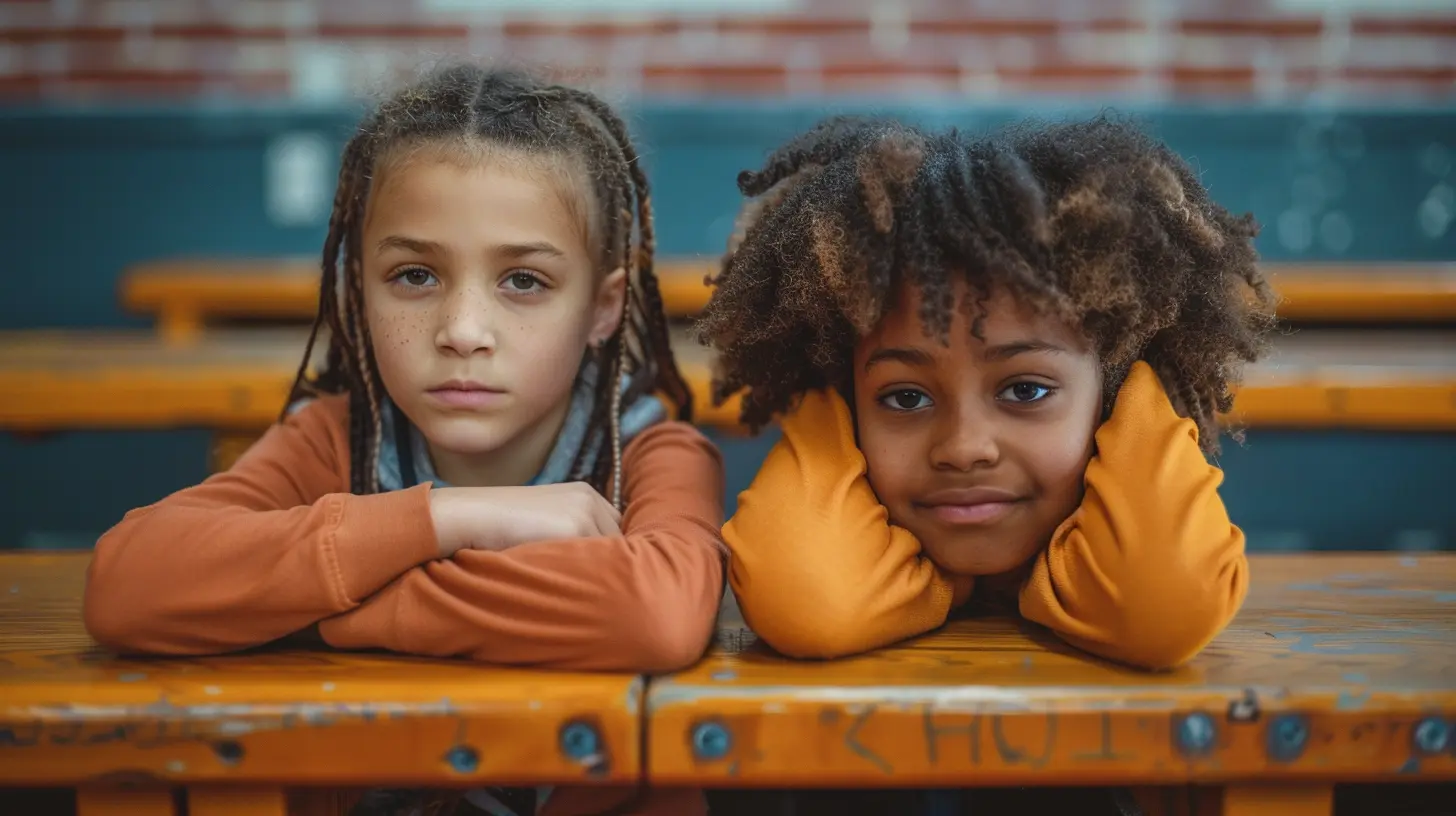
What Exactly Is Honesty, Anyway?
Let’s not overcomplicate things. Honesty is telling the truth. Sounds simple, right? But wait—it’s also about being genuine, fair, transparent, and consistent. It’s not just about what you say but also about what you do. You’re honest when your actions match your words and when you stick to your values, even when no one’s watching.Imagine honesty as the nuts and bolts of a moral compass. Without it, that compass spins in circles. With it, you’ve got a steady direction. 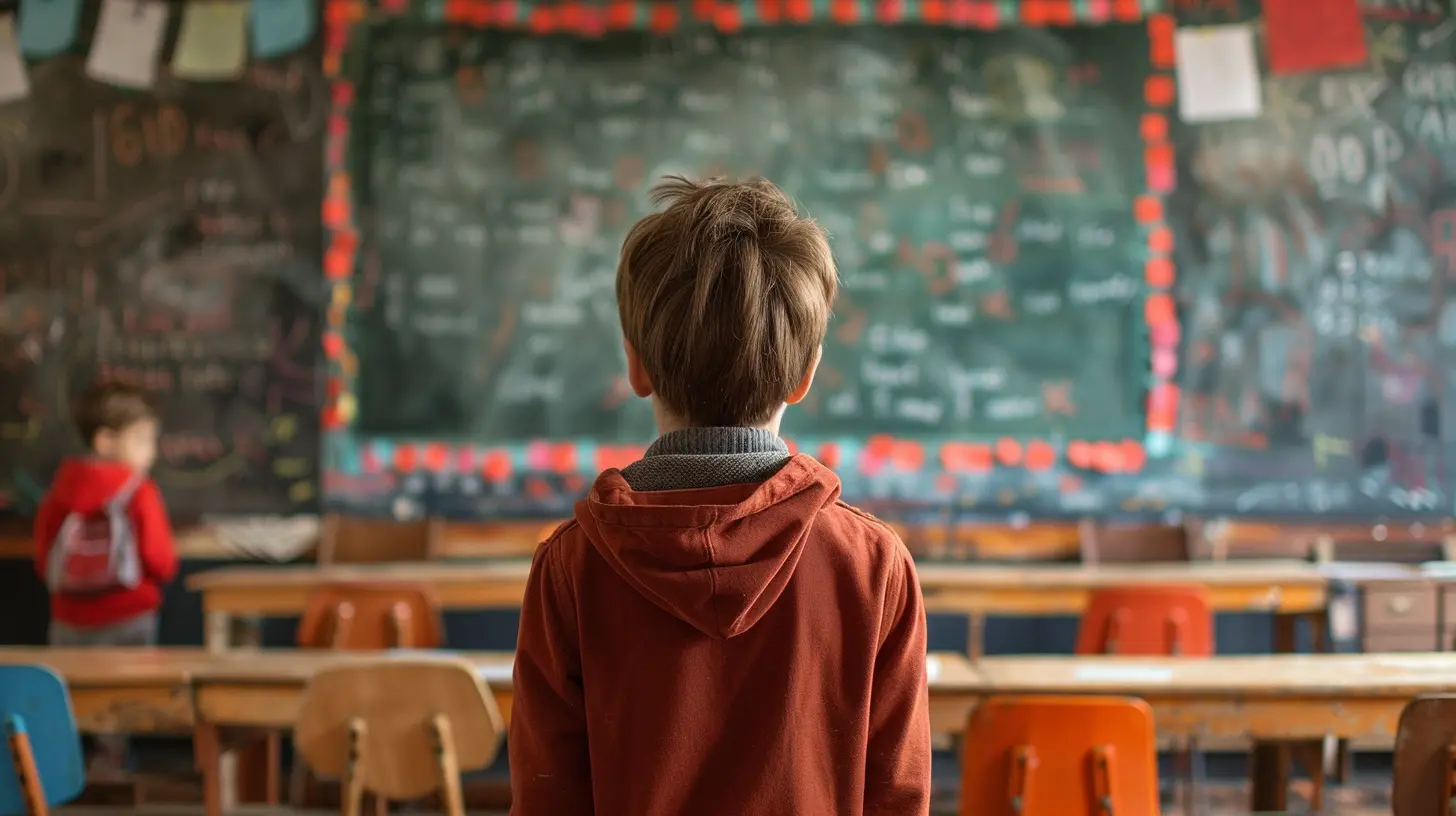
Why Is Honesty So Crucial in Character Education?
Character education is all about shaping individuals to be ethical, responsible, respectful, and kind. But here’s the kicker—without honesty, none of that holds up. You can’t fake character. You either have it, or you don’t.Let’s break it down:
- Trust is built on honesty. No trust, no meaningful relationships. Period.
- Without honesty, responsibility crumbles. How can you take accountability for your actions if you're living a lie?
- Respect? Kiss it goodbye. No one respects a liar.
Honesty glues all other values together. It’s the ingredient that makes everything else in character education stick.
The Domino Effect of Honesty
Think of honesty like a single domino in a chain. Once it falls into place, all the other values line up behind it. Let’s say a student learns to own up to a mistake. That one act of truthfulness often leads to humility, accountability, empathy—and the list goes on.But the reverse is also true. One act of dishonesty can trigger guilt, mistrust, and a whole spiral of negative behaviors. That’s why character education without honesty is like baking a cake without flour. You’ll end up with a mess.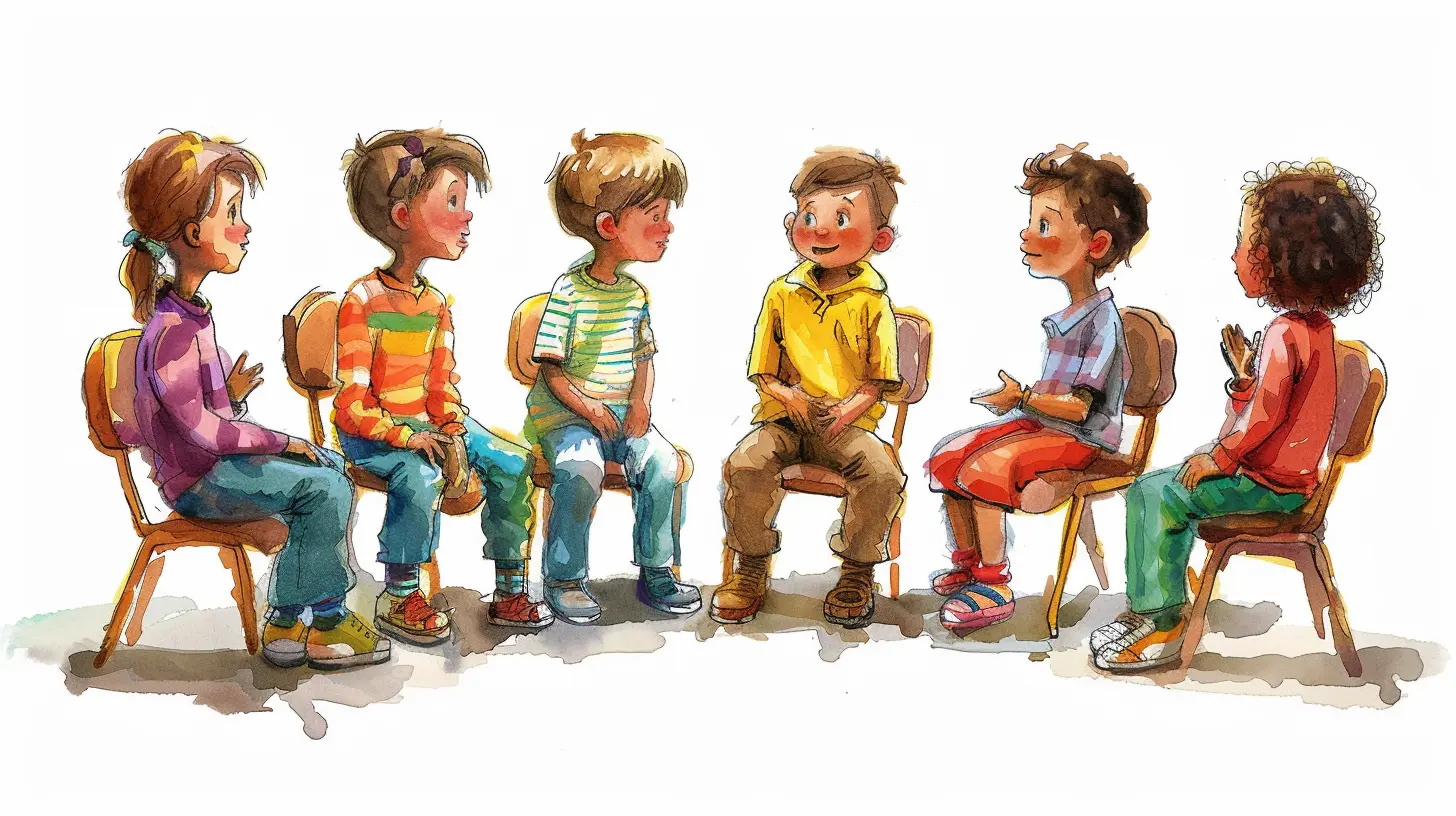
Real Talk: Why Do People Lie in the First Place?
Before we start painting liars as villains, let’s get real. People lie for all sorts of reasons: fear, embarrassment, peer pressure, or even just to make life easier. Kids aren’t born liars—they learn to bend the truth as a survival tool in a complex world.So, here’s a question: Isn’t it more effective to teach the value of honesty than to shame dishonesty?
By understanding the "why" behind the lie, educators and parents can better equip students to make truthful choices, even when lying seems like the easier or safer option.
Teaching Honesty: It Starts at the Top
Let’s be clear—kids are watching. Always. And they’re not just listening to what adults say; they’re paying close attention to what adults do. This means that honesty in character education has to start with role models. Teachers, parents, mentors—if you're not walking the walk, forget about your words being taken seriously.Want students to be honest? Show them what that looks like in real-time. Admit your own mistakes. Be transparent about expectations. Own your flaws. You set the tone.
Strategies to Instill Honesty in Students
Now we’re getting to the juicy part. It’s not enough to tell students to “be honest.” You’ve got to build it into the culture, the curriculum, and the conversation. Here’s how:1. Create a Safe Space
Let honesty breathe. Students need to know they won’t be punished or humiliated for telling the truth. Does that mean letting them off the hook? Nope. It means addressing behavior while praising the courage it took to be honest.Think of it this way: honesty is a muscle. If you shame someone every time they use it, it’s going to get weaker.
2. Use Real-Life Scenarios
Role play, storytelling, debates—bring honesty to life. Put students in situations where they have to wrestle with moral dilemmas. Don't just feed them the "right" answer. Let them get their hands dirty in the gray areas of truth and lies. That’s where growth happens.3. Recognize and Reward Honesty
Celebrate it. Call it out. Highlight it as a win. When a student owns a mistake or tells a hard truth, don’t let it slide under the radar. Make honesty visible and valuable.4. Integrate It Across Subjects
Math and science can be about honesty, too. Think about accurate data reporting, plagiarism in research, or showing your work instead of copying answers. Character education shouldn’t be a standalone class—it should be baked into every subject like secret sauce.5. Make It Reflective
Encourage journaling, classroom discussions, and self-assessments. Ask students to reflect on times they were honest—or weren’t—and how it felt. Self-awareness is the bridge between knowing what’s right and doing what’s right.The Long-Term Payoff of Teaching Honesty
Let’s zoom out. What do students gain in the long run when honesty is front and center in their character education?- Stronger relationships: You can’t build anything lasting without trust, whether in friendships, family, or future workplaces.
- Resilience: Owning up and dealing with consequences makes students stronger, not weaker.
- Better citizenship: Honest individuals contribute to honest communities. It’s that simple.
- Leadership potential: Every great leader? Honest to the core. People follow those they can trust.
It’s not just about helping kids be “good.” It’s about helping them become whole humans—ones with integrity, authenticity, and guts.
The Digital Dilemma: Honesty in the Age of Social Media
Here’s a curveball—social media has made honesty trickier than ever. With filters, fake news, and online personas, students are constantly bombarded with twisted versions of reality. The line between truth and performance is blurrier than ever.That’s why digital literacy needs to be part of honesty education. Teach students how to spot misinformation, evaluate sources, and be authentic online. Being honest isn’t just about face-to-face interactions anymore—it’s about their digital footprints, too.
The Ripple Effect: How Honesty Impacts Society
Let’s think big for a minute. What if honesty became the norm, not the exception? What would that mean for society?- Less corruption.
- More transparency.
- Stronger communities.
- More effective governments and institutions.
Teaching honesty isn’t just about helping individuals; it’s about healing the fabric of society. It’s revolutionary in its simplicity.
The Bottom Line
Here’s the no-BS truth: honesty isn’t an optional virtue. It’s not a “nice to have.” It’s mandatory if we want to raise a generation of people who are not only successful but significant.Without honesty, character is just a mask. Sure, you can fake it for a while. Smile when you're lying. Act all polished and perfect. But eventually, the truth finds its way out. And when it does, your character either stands tall—or crumbles.
So, let’s stop treating honesty like this gentle, passive trait. Let’s teach it like the powerhouse value it really is. Let’s demand it, model it, celebrate it, and protect it.
Because when we put honesty at the heart of character education, we’re not just teaching kids to tell the truth—we’re teaching them to become truth-tellers in a world that desperately needs them.
all images in this post were generated using AI tools
Category:
Character EducationAuthor:

Olivia Chapman
Discussion
rate this article
1 comments
Thorne Bowman
Honesty shapes strong, trustworthy leaders!
June 1, 2026 at 3:04 AM
Olivia Chapman
I completely agree. Honesty is foundational for effective leadership and builds trust within any community.