The Role of Mindfulness and Meditation in Test Preparation
22 October 2025
Test anxiety is real, and let's be honest—studying for exams can be downright stressful. The mounting pressure, endless revisions, and looming deadlines can leave even the most prepared students feeling overwhelmed. But what if I told you there's a simple, natural way to improve focus, reduce stress, and boost overall performance?
Enter mindfulness and meditation.
These two practices have been around for centuries, but only recently have we truly begun to understand their power in enhancing academic performance. So, how exactly can mindfulness and meditation help in test preparation? Let’s dive in!

Understanding Mindfulness and Meditation
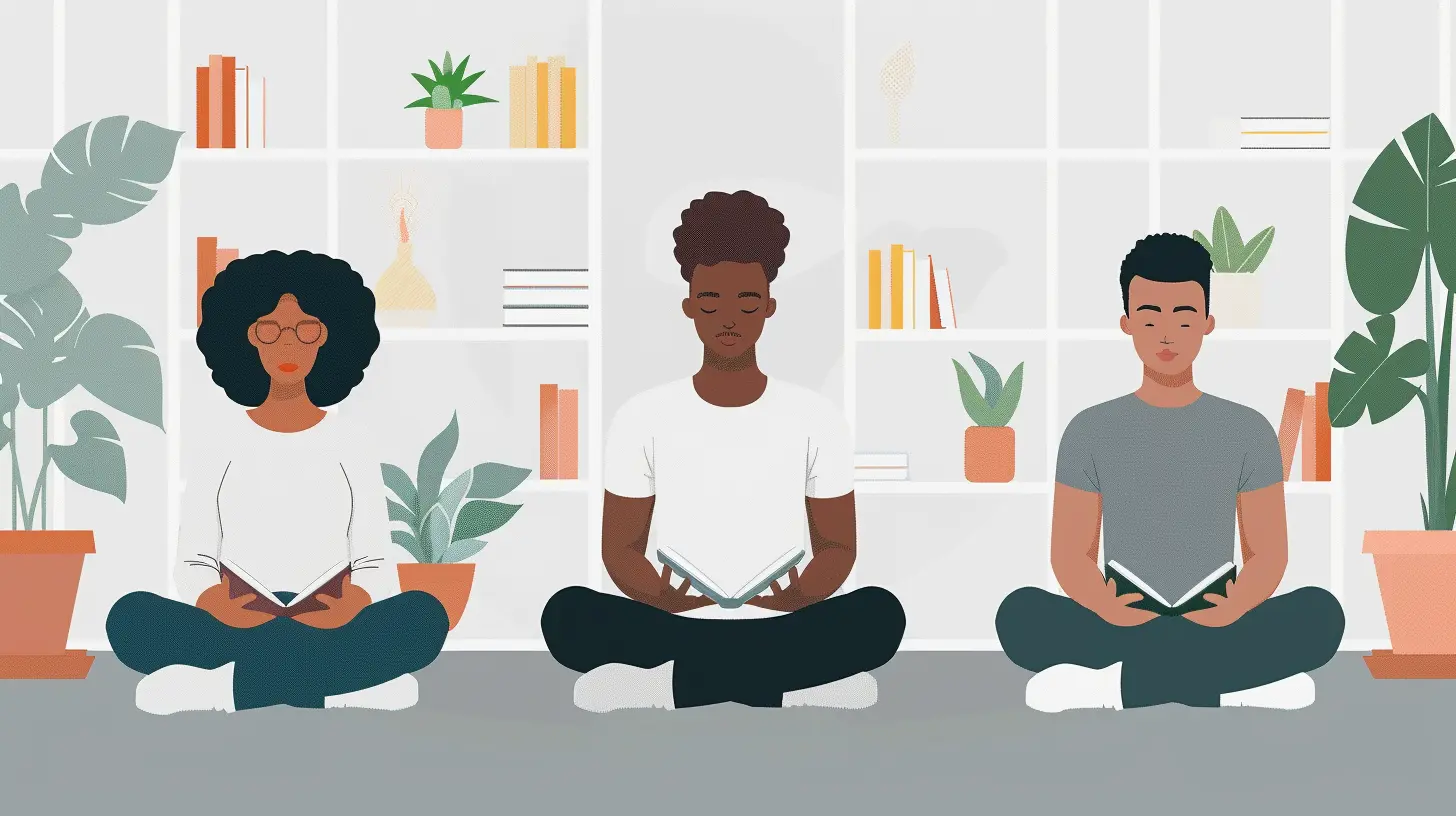
Before we talk about their role in test prep, let’s quickly break down what mindfulness and meditation actually mean.- Mindfulness is the practice of being present in the current moment, fully aware of your thoughts, feelings, and surroundings without judgment.
- Meditation is a more structured practice that often involves deep breathing, focus exercises, or visualization to create a calm and centered mind.
Both techniques go hand in hand, and when used together, they create a powerful tool for managing stress, improving concentration, and increasing mental clarity—everything you need for effective studying!
Why Test Preparation Can Feel Overwhelming
Let’s be real—preparing for an exam isn’t just about reading textbooks and taking notes. It’s a mental game.Between information overload, time constraints, and the fear of failure, it's easy to slip into a cycle of stress and self-doubt. The problem? Stress can actually hurt your performance. It clouds your thinking, reduces memory retention, and makes it harder to focus.
This is where mindfulness and meditation come in. Instead of letting stress take over, these practices train your brain to stay calm, focused, and resilient under pressure.

How Mindfulness Improves Test Preparation
1. Reduces Stress and Anxiety
Let’s face it—exams are stressful. But did you know that chronic stress can actually impair memory and learning? When you're anxious, your brain is in "fight or flight" mode, making it harder to absorb and recall information.Mindfulness helps by bringing your attention to the present moment, rather than worrying about the "what-ifs." Simple deep breathing exercises can lower cortisol levels (your body's stress hormone), keeping you calm and collected.
2. Boosts Focus and Concentration
Ever caught yourself reading the same paragraph over and over again without actually absorbing anything? That’s lack of focus.Mindfulness strengthens your ability to stay present and resist distractions. Training your mind through meditation allows you to bring your attention back whenever it wanders—something incredibly valuable when studying for long hours.
3. Enhances Memory Retention
Want to remember what you studied? Mindfulness can help with that too!Studies show that mindfulness and meditation improve working memory—the brain's ability to store and recall information. When you practice staying present, you're essentially training your brain to absorb and retain information more effectively.
4. Promotes Better Sleep
Cramming until 3 AM the night before an exam? We’ve all been there. But here’s the inconvenient truth—lack of sleep ruins your cognitive function.Mindfulness meditation can significantly improve sleep quality by reducing racing thoughts and allowing your body to relax. A well-rested brain is far more efficient at processing and recalling information.
5. Builds Emotional Resilience
Exams aren’t just about what you know; they also test how well you manage pressure.Mindfulness teaches emotional resilience, allowing you to handle setbacks or unexpected challenges without panicking. That “oh no, I don’t know this question” moment? With mindfulness, you’ll be able to stay calm and work through it logically instead of freezing up.

How to Incorporate Mindfulness and Meditation into Your Study Routine
Now that you know why mindfulness and meditation are game-changers, let’s talk about how to actually use them in your study routine.1. Start with Breathing Exercises
One of the easiest ways to incorporate mindfulness is through simple breathing exercises.Try this:
- Take a slow, deep breath in through your nose for four seconds.
- Hold it for four seconds.
- Exhale slowly through your mouth for four seconds.
- Repeat for a minute.
This technique calms your nervous system and immediately reduces stress. Perfect for when you're feeling overwhelmed!
2. Practice Short Guided Meditations
You don’t need to meditate for hours—just 5 to 10 minutes a day can work wonders.Find a quiet space, close your eyes, and either listen to a guided meditation or focus on your breath. If your mind starts to wander, gently bring it back. This helps strengthen focus and mental clarity.
3. Use Mindful Study Techniques
Studying mindfully means being fully present during your study sessions. Here’s how to do it:- Set clear study goals before you begin.
- Remove distractions (yes, that means putting your phone on silent).
- Focus on one task at a time instead of multitasking.
- Take mindful breaks—step away, stretch, and take a few deep breaths before diving back in.
4. Visualize Success
Visualization is a powerful meditation technique. Close your eyes and imagine yourself confidently taking the test, recalling answers easily, and feeling in control.This not only boosts confidence but also prepares your mind for success by reinforcing positive neural pathways.
5. Be Kind to Yourself
Mindfulness is all about self-awareness and self-compassion. Instead of beating yourself up over mistakes, acknowledge them and move forward with a positive mindset.Tell yourself: "I'm doing my best, and that's enough." This small shift in mindset can significantly reduce performance anxiety.
Making Mindfulness and Meditation a Habit
Like any other skill, mindfulness and meditation take practice. The key is consistency. Start small—just a few minutes a day—and build up from there.Consider integrating these habits into your daily routine:
- Meditate for five minutes each morning.
- Do deep breathing exercises before study sessions.
- Take mindful breaks instead of doom-scrolling social media.
- End the day with gratitude journaling or reflection.
The more you practice, the more natural mindfulness and meditation will become, leading to a calmer, sharper, and more focused mind.
Final Thoughts
Test prep doesn’t have to be a stressful battle. By incorporating mindfulness and meditation into your study routine, you train your brain to stay calm, focused, and efficient—giving you a major edge when exam day arrives.So, the next time you feel overwhelmed by your studies, take a deep breath, center yourself, and remember: A clear mind is a powerful mind.
Happy studying!
all images in this post were generated using AI tools
Category:
Test PreparationAuthor:

Olivia Chapman
Discussion
rate this article
1 comments
Rebecca McTier
Mindfulness and meditation can significantly enhance test preparation by improving focus, reducing anxiety, and promoting emotional resilience. Incorporating these practices into study routines may lead to better retention of information and overall performance, helping students approach exams with greater confidence and clarity.
October 25, 2025 at 11:35 AM
Olivia Chapman
Thank you for your insightful comment! Indeed, mindfulness and meditation can be powerful tools for enhancing focus and resilience during test preparation. Your points highlight their importance in fostering a confident and clear mindset for students.