The Role of Social Media in College Admissions by 2026
29 April 2026
You’re scrolling through your feed, half-watching a cat video, and suddenly you see it: a post from a high school junior about volunteering at a local shelter. It’s not just any post—it’s thoughtful, well-written, and tagged with #collegebound. Fast forward to 2026, and that post might just be the difference between an acceptance letter and a waitlist. Sound far-fetched? Let’s be real: social media isn’t just for selfies and memes anymore. It’s evolving into a tool that college admissions officers are using to paint a fuller picture of applicants. By 2026, this trend won’t just be a sidebar—it’ll be a centerpiece.
Why? Because colleges are tired of reading cookie-cutter essays and seeing the same recycled extracurriculars. They want authenticity, and social media offers a window into who you actually are, not just who you claim to be on paper. In this article, we’ll unpack how social media will shape college admissions by 2026, what you need to do to stay ahead, and why your digital footprint could be your greatest asset—or your biggest headache. Let’s dive in.
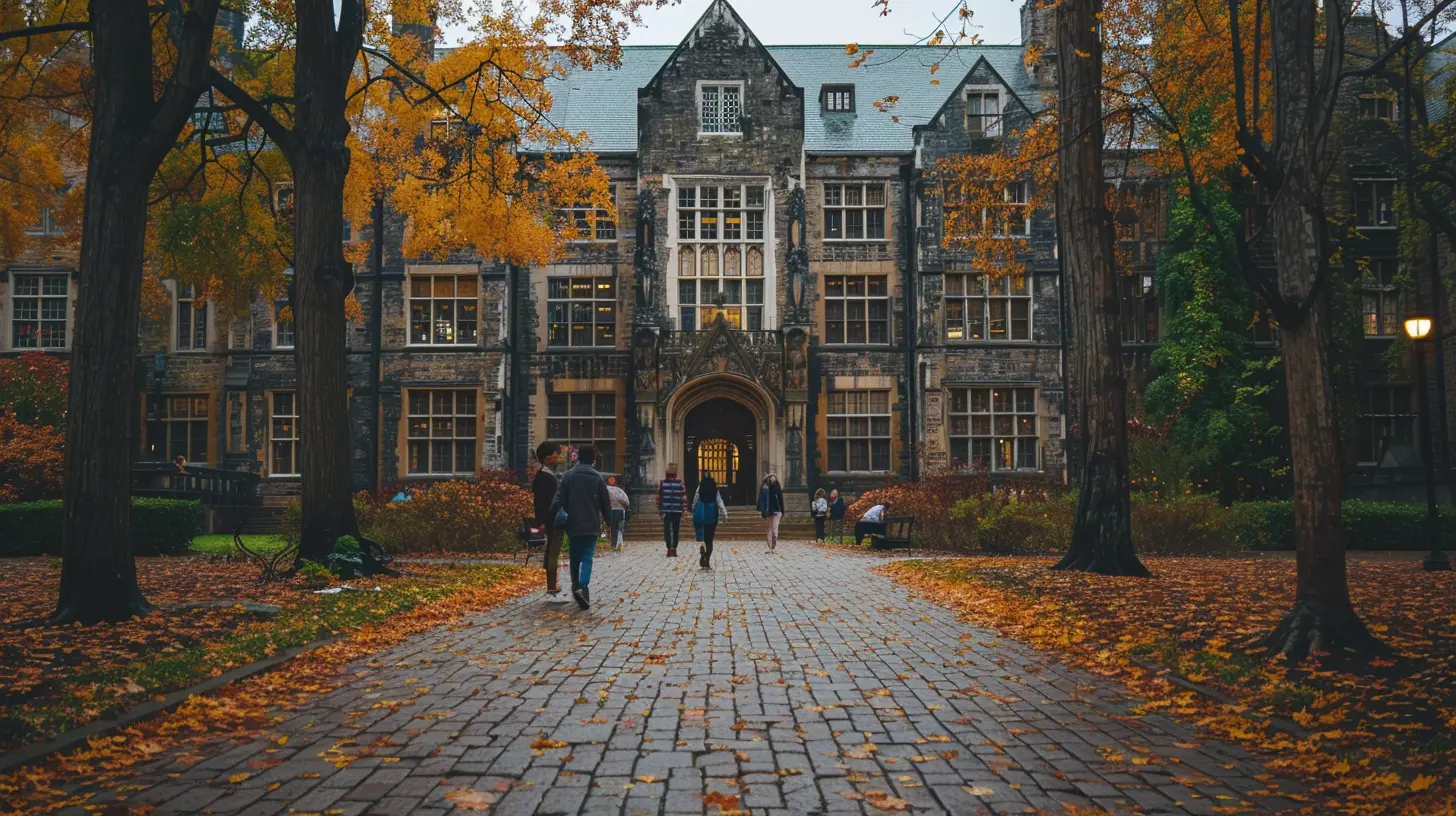
The Shift: From Background Check to Brand Builder
Remember when parents warned you to scrub your Instagram before college applications? That advice isn’t wrong, but by 2026, it’ll feel outdated. The narrative is shifting from “clean up your mess” to “curate your masterpiece.” Admissions officers are no longer just looking for red flags—they’re looking for green lights. Think of your social media as a living portfolio. Instead of a static resume, you’re offering a dynamic, evolving story of your interests, growth, and personality.Here’s the kicker: by 2026, more than 60% of college admissions officers (according to emerging trends in higher education surveys) will actively review applicants’ public social media profiles. Why? Because standardized test scores are fading in importance (hello, test-optional policies), and GPAs are becoming harder to compare across schools. Social media fills the gap. It shows how you think, what you care about, and whether you can communicate effectively—skills that matter more than ever in a digital-first world.
But wait—doesn’t this sound invasive? Not really. It’s public information, after all. And for students who embrace it, social media becomes a launchpad. Imagine a student passionate about environmental science posting weekly infographics about local pollution. That’s not just a hobby; it’s proof of initiative. By 2026, colleges will reward that kind of intentionality.

What Colleges Are Actually Looking For in 2026
Let’s get specific. By 2026, admissions officers won’t be casually scrolling your TikTok for fun (though they might enjoy a good dance trend). They’ll be trained to look for three key elements:1. Authentic Passion, Not Performative Activism
Gone are the days when a single Black Lives Matter post or a generic “I love helping people” caption impressed anyone. Colleges can smell insincerity from a mile away. In 2026, they’ll value depth over breadth. If you claim to care about mental health, your feed should show consistent engagement—sharing articles, starting conversations, or even hosting a live Q&A. One-off posts look like resume padding. A series of thoughtful, connected posts? That’s a narrative.2. Digital Citizenship and Communication Skills
How you interact with others matters. Do you engage respectfully in comments? Do you amplify marginalized voices? Or do you troll, argue, or post inflammatory content? By 2026, colleges will use social media to gauge your emotional intelligence. A student who can debate climate policy without name-calling? That’s gold. A student who posts a rant about a bad grade? That’s a red flag. Think of your feed as a public conversation—every comment is a data point.3. Evidence of Growth and Reflection
Here’s where it gets interesting. Colleges love a comeback story. If you posted something cringey as a freshman (we’ve all been there), but later addressed it with a thoughtful apology or reflection, that shows maturity. By 2026, admissions officers will look for arcs—how you’ve evolved over time. A static feed screams “I haven’t grown.” A timeline that shows you learning from mistakes? That’s the stuff of acceptance letters.
The Platforms That Matter Most (Spoiler: It’s Not Just Instagram)
By 2026, the social media landscape will be more fragmented than ever. But certain platforms will carry more weight in admissions. Let’s break them down:- LinkedIn for Students: This might sound weird, but by 2026, high schoolers will have LinkedIn profiles as common as resumes. It’s not just for networking anymore—it’s for showcasing projects, internships, and even blog posts. Admissions officers love a professional digital presence. If you can build a LinkedIn profile that highlights your academic interests (e.g., “Aspiring biochemist | Research intern at X lab”), you’re ahead of the curve.
- YouTube or TikTok for Portfolios: Visual platforms are perfect for demonstrating skills. A video essay about your community project? A TikTok series explaining a complex physics concept? That’s more engaging than a written paragraph. By 2026, colleges will accept links to these as supplementary materials. Think of them as mini-interviews.
- Substack or Medium for Writing: If you’re a writer, start a newsletter. By 2026, admissions officers will see a Substack as proof of voice and discipline. It’s one thing to say you love writing; it’s another to have 10 published articles with real subscribers.
- The “Dark Horse” Platforms: Don’t sleep on Discord or Reddit. If you’re part of a niche community (e.g., a coding server or a book club), that shows depth. Colleges will look for evidence of meaningful online communities, not just broadcast-style posting.
The Risks: What Can Derail Your Application
Let’s be honest: social media is a double-edged sword. By 2026, the risks will be higher, not lower. Here’s what you need to avoid like the plague:1. The “Viral for All the Wrong Reasons” Trap
One offensive meme, one bad joke, or one screenshot of a private conversation can destroy years of hard work. Colleges have zero tolerance for hate speech, bullying, or illegal activity. Even if you delete the post, the internet never forgets. By 2026, background checks will be more sophisticated—schools might even use AI to scan for problematic patterns. So, think twice before posting anything that could be misinterpreted.2. The “Over-Curation” Problem
On the flip side, trying too hard can backfire. A feed that looks like a corporate PR page? That feels fake. Admissions officers in 2026 will be trained to spot inauthenticity. If every post is perfectly lit, has a hashtag strategy, and never shows a flaw, they’ll wonder what you’re hiding. Balance is key—show your accomplishments, but also show your humanity.3. The Privacy Pitfall
Here’s a hot take: private accounts aren’t a magic shield. By 2026, colleges might ask for access to private profiles (with your consent) or use third-party tools to analyze your public interactions. If you’re posting private content that conflicts with your public persona, it could be a problem. The safest bet? Assume everything you post—public or private—could end up in an admissions file.How to Build a Winning Social Media Strategy for 2026
Ready to turn your feed into an asset? Here’s a step-by-step guide that’s practical, not preachy.Step 1: Audit Your Digital Footprint
Start by Googling yourself. What comes up? If it’s a cringe-worthy tweet from 2022, delete it. Then, review your past year of posts. Ask yourself: “If a stranger saw this, would they think I’m curious, kind, and driven?” If the answer is no, clean house. Use a tool like BrandYourself to monitor your online presence.Step 2: Define Your “Digital Identity”
What do you want to be known for? Pick one to three themes (e.g., “STEM enthusiast,” “community organizer,” “creative writer”). Then, align your content with those themes. If you’re into robotics, post about a project you built. If you love poetry, share a weekly verse. Consistency builds credibility.Step 3: Engage, Don’t Just Broadcast
Social media is a two-way street. Comment on posts from professors, activists, or organizations you admire. Ask questions. Join Twitter Spaces or LinkedIn discussions. By 2026, colleges will value engagement over followers. A student with 200 engaged followers and meaningful interactions is more impressive than one with 10,000 passive fans.Step 4: Document Your Journey, Not Just Your Wins
Here’s a secret: failure is more interesting than perfection. Post about a setback—like a failed science experiment or a missed deadline—and what you learned. This shows resilience, a trait colleges prize. By 2026, admissions officers will look for vulnerability as a sign of emotional maturity.Step 5: Use Hashtags Strategically
Don’t spam #collegeadmissions on every post. Instead, use niche hashtags like #STEMeducation, #communityservice, or #creativewriting. This helps your content reach the right audiences—including admissions officers who search for these tags. It’s like planting a flag in your field of interest.
The Big Picture: Why This Matters by 2026
Let’s zoom out. The role of social media in college admissions isn’t just about getting in—it’s about redefining what “merit” means. For decades, admissions favored students with resources: private tutors, expensive test prep, and legacy connections. Social media levels the playing field. A student from a small town with no access to fancy programs can still build a compelling digital presence. They can start a podcast about local history, create a YouTube channel on sustainable farming, or write a blog about their family’s immigrant story. That’s powerful.By 2026, colleges will increasingly value “digital literacy” as a core competency. If you can navigate social media with purpose, you’re showing that you can adapt to the modern world. And let’s face it—the modern world runs on algorithms. Understanding how to communicate effectively online is a life skill, not just a college admission trick.
Common Myths Debunked
Let’s clear up some confusion before we wrap up.Myth #1: “I need to be a viral influencer to stand out.”
Nope. Colleges don’t care about follower counts. They care about substance. A post with 50 likes and a thoughtful comment section beats a viral meme any day.
Myth #2: “I should keep my accounts private to stay safe.”
Not necessarily. A private account limits your reach. Instead, make your account public but curate it carefully. Think of it as a public gallery—you control what’s on display.
Myth #3: “Social media only helps if you’re applying to liberal arts schools.”
False. STEM programs, business schools, and even art institutes are jumping on this trend. Every field values communication and initiative.
A Real-World Example (Hypothetical but Plausible)
Imagine two students applying to the same university in 2026:- Student A has a 4.0 GPA and a perfect SAT score (if they still exist). Their social media is a wasteland of deleted accounts or old party photos.
- Student B has a 3.7 GPA and a 1350 SAT. But their Instagram is a curated portfolio of their work: time-lapse videos of them restoring a vintage car, posts about volunteering at a local history museum, and thoughtful responses to comments about automotive engineering.
Who gets in? In 2026, it’s Student B. Why? Because they’ve proven their passion, their work ethic, and their ability to communicate. The GPA gap is small enough that the story matters more.
Final Thoughts: Your Feed Is Your Future
Look, I get it—the idea of managing social media for college admissions feels like one more thing on an already overwhelming plate. But here’s the thing: you’re already on social media. You’re already posting. The question is whether you’re doing it intentionally. By 2026, the line between your online self and your “real” self will blur even more. Colleges are catching on to this faster than most students realize.So, start today. Not tomorrow, not next week. Audit your profile, pick a theme, and post something that reflects who you are—not who you think colleges want you to be. And remember: authenticity isn’t about being perfect; it’s about being real. If you can do that, social media won’t just help you get into college—it’ll help you thrive once you’re there.
Now, go ahead and post that video of you building a model rocket. I promise it’ll matter more than you think.
all images in this post were generated using AI tools
Category:
College AdmissionsAuthor:

Olivia Chapman
Discussion
rate this article
2 comments
Mila Snow
Social media's influence on college admissions will likely grow, but authenticity remains crucial for success.
July 8, 2026 at 11:28 AM
Olivia Chapman
I agree. As social media evolves, being genuine will set students apart and help them connect with admissions teams. Authenticity is key.
Willow McClintock
Great insights. It’s reassuring to see colleges focusing on genuine character over curated profiles. Hopefully, this shift encourages students to be more authentic online, not just applicants.
April 30, 2026 at 3:44 AM
Olivia Chapman
Thank you! Authenticity is key, and it's great to see a shift toward valuing real character in the admissions process. Let's hope it inspires students to be true to themselves online.