The Role of Teachers in Character Development
14 June 2026
You probably remember a teacher from your childhood who left a lasting mark on your life. Maybe they encouraged you when you felt like giving up or believed in you when no one else did. That’s the power of a teacher—not just shaping minds, but also hearts and character.
In today’s fast-paced, tech-driven world, the importance of academic achievement often overshadows the deeper aspects of human development. But let’s be real—grades fade, test scores are forgotten, but character? That sticks. And teachers, whether they realize it or not, sit at the very heart of that transformation.
So, what exactly is the role of teachers in character development? How do they shape who kids grow up to be—not just what they know? Let’s dive in.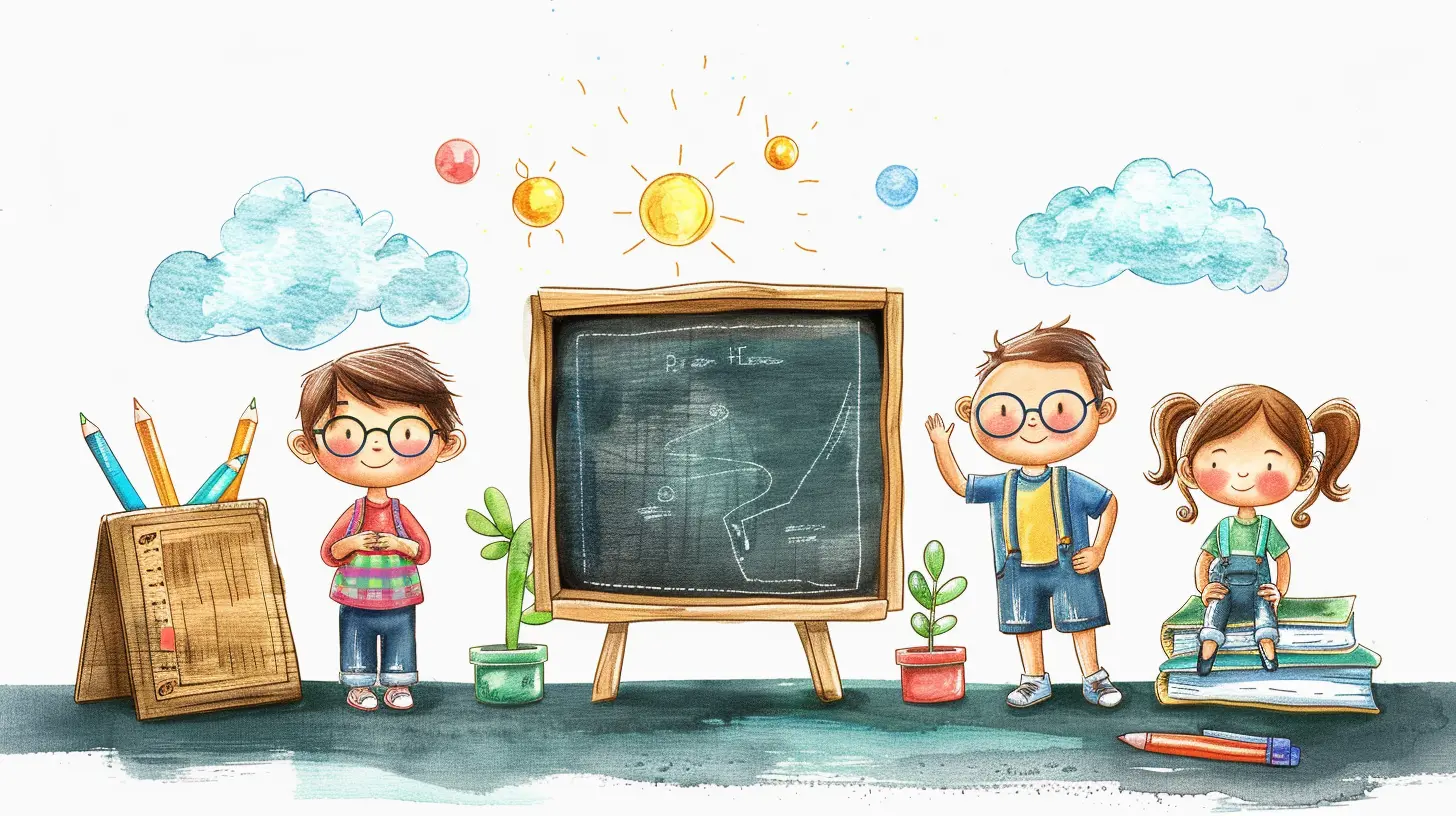
Why Character Development Matters More Than Ever
We’re raising kids in an era where information is just a click away, but empathy, resilience, and integrity? Much harder to come by. In a world buzzing with distractions, kids need more than just academic smarts. They need strong character—honesty, kindness, accountability—the stuff that guides good choices when no one’s watching.Character is what helps students become good people, not just good workers. And guess who's often on the front lines of that mission?
Yep. Teachers.

Teachers Are More Than Just Educators
Let’s be honest: a teacher is rarely just a “teacher.” They’re mentors, role models, coaches, and sometimes even stand-in parents. On any given day, teachers might help mediate a conflict, console a crying student, or give a much-needed pep talk. And all of that shapes character.You might hear the phrase, “Character is caught, not taught.” And that’s true to a large extent. Kids are always watching. They notice how teachers speak to others, how they handle stress, how they admit mistakes, and how they celebrate successes. Through those small, everyday actions, teachers show what integrity, respect, and compassion actually look like.

Building Blocks of Character That Teachers Influence
Let’s break it down a bit. What aspects of character can teachers really influence in a classroom?1. Respect
Respect starts with how teachers treat their students—and each other. When a teacher listens patiently to a disruptive student or acknowledges different perspectives, kids learn that all voices matter. They begin to mirror that respect in how they treat themselves and others.2. Responsibility
Teachers give students responsibilities—turning in homework on time, leading a group project, cleaning up after a science experiment. Each of these moments is an opportunity to reinforce accountability. When a teacher refuses to bail a student out of a missed deadline yet offers guidance on how to do better next time, they’re growing that student's sense of responsibility.3. Empathy
Ever seen a teacher read a story and ask, “How do you think that character felt?” Or stepped into a bullying situation with a calm, guiding hand? These are seeds of empathy being planted. Teachers regularly help kids put themselves in someone else's shoes—and nurture kindness in the process.4. Perseverance
Let’s face it—school can be tough. Whether it’s math that feels impossible or a sport that takes forever to master, teachers are there to say, “Keep going, you’ve got this.” They give students the grit to push through challenges and celebrate progress, not just perfection.5. Integrity
Honesty isn’t just about not cheating on a test. It's about owning your actions, admitting when you're wrong, and doing the right thing—even when it's hard. Teachers promote integrity when they create environments that reward honesty over perfection.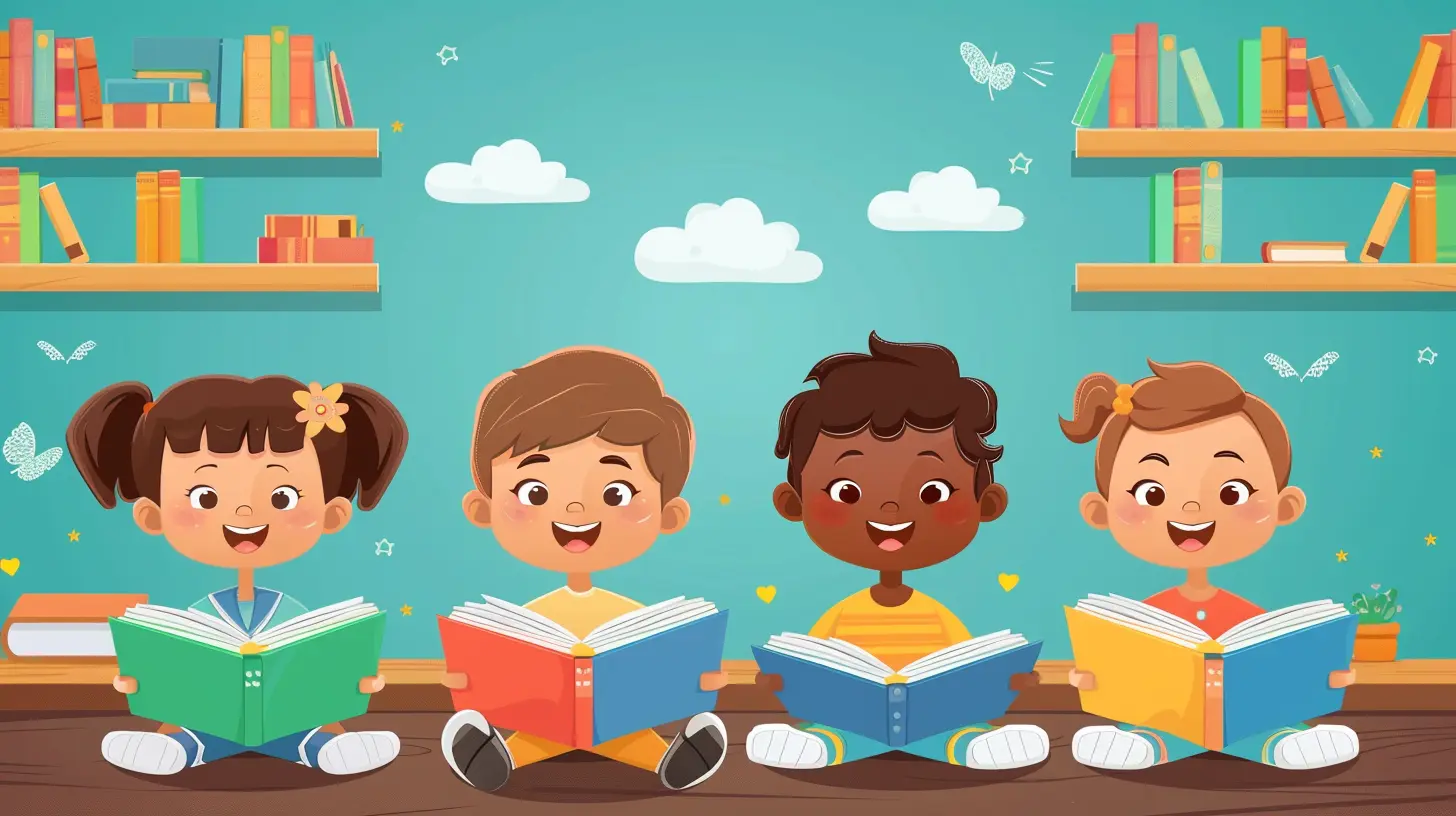
Character Education Happens Daily—Even When It’s Not Explicit
Sure, some schools have formal character education programs. But truthfully, character is being shaped even when it’s not on the lesson plan. It lives in morning routines, group projects, conflict resolution, and class rules. It shows up in how teachers respond to mistakes or praise effort.Ever noticed a teacher stopping a lesson to help two students work out an argument? That’s character education, alive and well. It's those messy, unscripted moments that often leave the deepest footprints.
Why Teachers Make Such a Lasting Impact
Research backs it up—students who have strong bonds with their teachers tend to perform better academically and socially. But the impact goes beyond the classroom.A teacher who believes in a student can change the entire trajectory of that student’s life. They plant seeds of self-worth that grow for years. They teach students how to treat others, how to bounce back from failure, and how to lead with heart.
It’s not magic, but it sure feels like it.
Teachers vs. Parents—Who’s Responsible for Character?
Here’s a tricky one. Isn’t character development the parents' job? Absolutely. But it’s not either-or—it’s a partnership.Think of it like gardening. Parents might plant the seeds, but teachers help water them every single day. In some cases, especially when a child comes from a tough home environment, teachers might be the only ones doing the watering.
It’s not about “whose job it is.” It’s about how we can all work together to raise well-rounded, morally strong human beings. After all, it takes a village, right?
Practical Ways Teachers Shape Character in the Classroom
Let’s get into the nitty-gritty. How does character development actually happen in the classroom? Here are some real, practical strategies:1. Modeling Behavior
Kids are like mirrors. They reflect what they see. When teachers consistently treat others with kindness, fairness, and patience, students pay attention. Even small acts—like apologizing for a mistake—speak volumes.2. Creating a Safe, Inclusive Environment
When students feel safe, they’re more likely to open up, take risks, and connect with others. That’s where empathy and respect take root. Teachers can foster this by being approachable, setting clear rules, and calling out unkind behavior.3. Integrating Character into Lessons
You don’t need a special curriculum to teach character. It can be woven into literature discussions, history lessons, or science debates. Discussing ethical dilemmas or highlighting courageous figures in history brings character into the conversation naturally.4. Encouraging Reflection
Journaling, class discussions, and even simple “What would you do?” questions help students think deeply about their values and actions. Reflection turns everyday experiences into life lessons.5. Recognizing and Celebrating Growth
Character isn’t built in a day. Celebrating progress—no matter how small—reinforces good choices. When a teacher says, “I noticed how you helped your friend today. That was really kind,” it sticks.
The Ripple Effect: One Teacher, Many Lives
Imagine tossing a stone into a still pond. The ripples go farther than you can see. That’s what teachers do—every kind word, every moment of guidance, every second spent nurturing a student’s character sends out ripples. And those ripples change lives.A child helped to become kind, resilient, and honest doesn’t just keep that to themselves. They go on to influence their families, coworkers, communities—and maybe even future students of their own.
So yeah, teachers aren’t just preparing students for exams. They’re preparing them for life.
Challenges Teachers Face in Character Development
Let’s not sugarcoat it—this role isn’t easy.Teachers already carry massive responsibilities. There’s pressure to meet academic standards, manage large classes, handle behavioral issues, and often do it all on a tight budget. Time is limited, and emotional energy runs thin.
Also, not all students come from environments where character values are reinforced. Some have experienced trauma or neglect. It’s hard—and heartbreaking.
But despite all that, many teachers still show up every day, ready to uplift, encourage, and guide. And that? That’s heroic.
What Can We Do to Support Teachers in This Crucial Role?
Teachers can’t do it alone. As a society, we need to support them in their character-building mission. Here’s how:- Parents: Communicate openly with teachers. Reinforce the same values at home.
- Schools: Provide training, time, and resources for character education.
- Communities: Celebrate and elevate the role of teachers—not just as educators, but as mentors and role models.
- Students: Reflect on how your teacher has helped shape your values—and say thank you.
Final Thoughts
The role of teachers in character development can’t be overstated. They are the quiet architects of tomorrow’s leaders, neighbors, and parents. Through patience, empathy, and day-in-day-out dedication, they shape more than young minds—they shape hearts.When we talk about education reform, policy changes, and academic achievement, let’s not forget the deeper aim: to raise good humans. And teachers? They’re some of the finest sculptors out there.
So, the next time you scroll through your feed or sit in a parent-teacher meeting, remember this: behind every confident, thoughtful, and capable student, there’s likely a teacher who helped build their character—brick by brick.
all images in this post were generated using AI tools
Category:
Character EducationAuthor:

Olivia Chapman
Discussion
rate this article
1 comments
Zephyra Mitchell
Teachers shape more than minds; they help build character. Their influence goes beyond lessons, teaching kindness, resilience, and integrity. Every interaction is a chance to inspire the next generation-truly a beautiful calling!
June 14, 2026 at 4:52 AM
Olivia Chapman
Absolutely! Teachers play a crucial role in shaping not just intellect, but also values and character. Their daily interactions create lasting impressions that extend beyond the classroom. It's a vital and rewarding mission.