The Value of Failure in the Artistic Process for Students
7 February 2026
Let’s face it—failure is scary. No one likes to mess up, especially when you're pouring your heart into something creative. Whether you're sketching, painting, writing lyrics, dancing, or designing a digital masterpiece, there's this tiny (or sometimes massive) voice in your head that whispers, "What if this sucks?"
But here's a game-changing truth: failure isn’t the enemy—it’s fuel. For students diving into the arts, failure is actually one of the most powerful and valuable parts of the creative journey. Weird, right? But stick with me, and you’ll see why failure can be your best teacher, your secret weapon, and your unexpected friend.
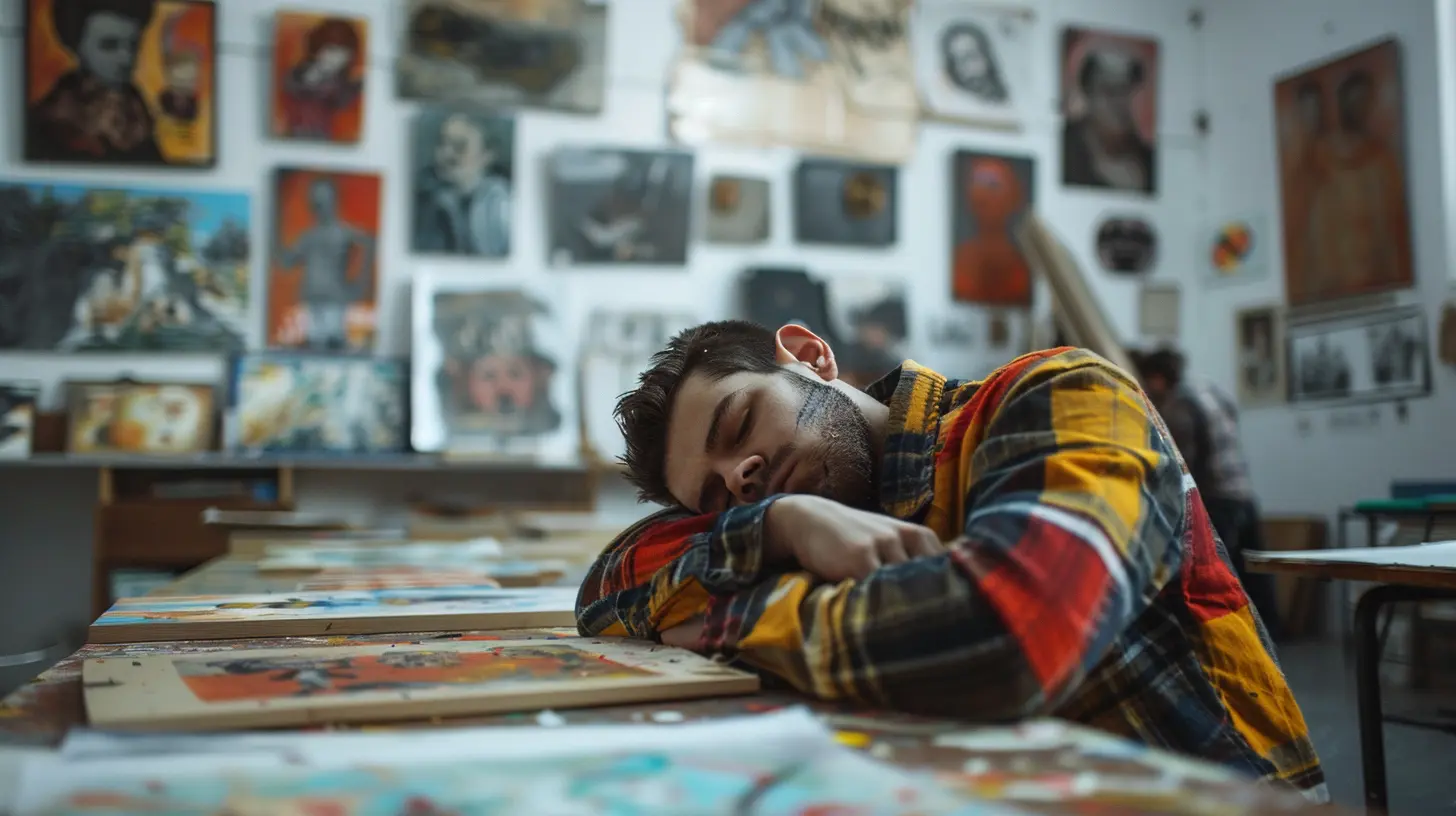
What Does Failure Really Mean in Art?
Let’s clear something up right away. Failure doesn’t mean you're not talented. It doesn’t mean you’re not creative, smart, or hardworking. In the artistic world, failure looks a little different. It might mean:- A painting that didn’t come out the way you saw it in your head.
- A poem that falls flat.
- A film project with awkward editing or a script that just doesn’t flow.
- Auditions that don’t land roles.
- A sculpture that literally cracks in half.
Sound familiar? Good. Because that means you're doing the work. You're experimenting. You're reaching past what you already know how to do. And that is where the magic starts.

Why Students Especially Need Failure
As a student, you're in this amazing phase of life where you're learning nonstop. You’re exploring new mediums, styles, concepts, and ideas. That means you’re also likely to stumble—and that’s not just okay, it’s essential.Think of failure as a GPS for your creativity. When you go off-route, it doesn’t shut down and leave you stranded. It says “recalculating” and helps you figure out a better path. Every failed project or botched attempt gives you direction. You learn what works, what doesn’t, and what you’re truly capable of.

Failure Builds Resilience (And Artists Need Lots of That)
Let’s be real: The art world isn’t always kind. Rejections, criticism, and self-doubt creep in all the time. That’s why student artists need to learn resilience early on.When you fail—and keep going—you train yourself to bounce back stronger each time. That thick skin? That ability to keep creating even after a setback? That’s gold. And it’s what separates those who dabble from those who dedicate.
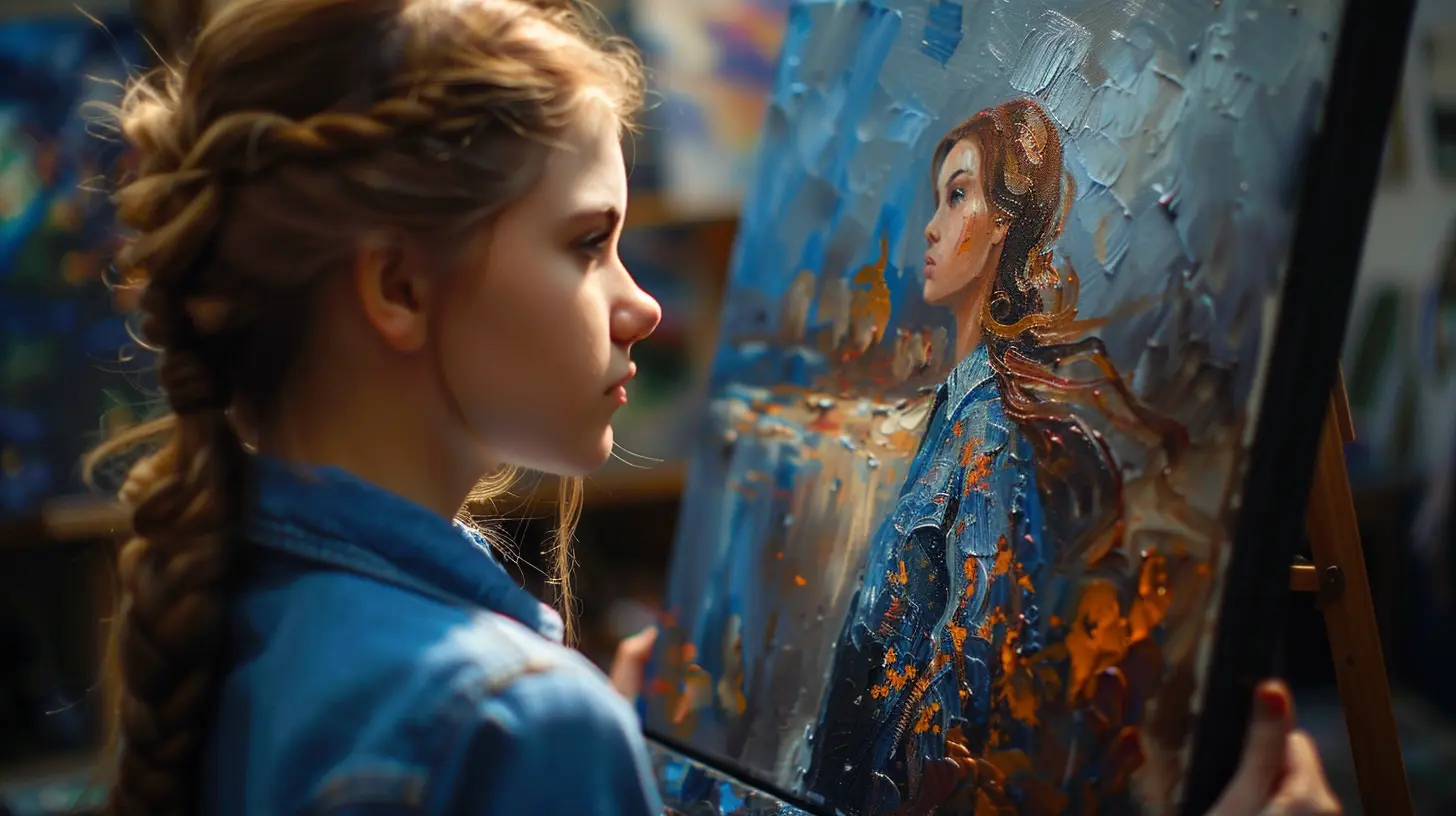
Great Artists Fail—A Lot
Want some proof? Here are just a few examples of famous creators who failed big:- Vincent Van Gogh only sold one painting while he was alive. Now his work is in every major museum.
- J.K. Rowling was rejected by multiple publishers before Harry Potter became a phenomenon.
- Walt Disney was fired for lacking imagination. (Yep, you read that right.)
What do they all have in common? They failed. And they kept going.
So, when your art doesn’t go as planned, don’t see it as a dead end. See it as your “Van Gogh” phase. Your “J.K. Rowling” moment. Keep creating. Keep growing.
Failure Encourages Risk-Taking
Playing it safe in art is like coloring in the lines forever. It’s predictable. It’s comfortable. But is it revolutionary? Not really.Failure gives you permission to take risks. Once you realize that messing up isn’t the end of the world, suddenly the doors bust wide open. You can experiment with new styles, try bizarre color palettes, perform without fear, and write without editing every sentence to death.
When you're not scared to fail, you're free to actually create.
It Teaches Problem-Solving and Critical Thinking
Here’s something cool: every artistic failure is a puzzle. And you’ve got the brain power to solve it.Did your sculpture collapse? Figure out what material would work better next time. Is your animation too choppy? Time to master a new technique. Didn't get picked for the gallery show? Ask for feedback, and then try again.
Each “oops” is a stepping stone to becoming a better thinker, a better designer, and a better problem-solver. These skills don’t just stay in your art toolbox—they spill over into every part of your life.
Embracing Failure Builds Confidence
This might sound backwards, but hear me out. When you’re not afraid to fail, you become bolder. You walk into creative challenges with a “let’s see what happens” mindset. Think about how freeing that is!You'll realize you're no longer measuring success by how flawless your final product is. Instead, you're gauging your growth, your progress, and your fearlessness. That’s real confidence. And trust me, people will notice.
Reflection Is Where the Learning Happens
Here’s a secret: failure isn’t just helpful by itself—it’s how you respond to failure that matters most.After a project goes sideways, take a beat. Ask yourself:
- What was I trying to say or express?
- What didn’t work?
- What did work?
- What would I do differently next time?
This kind of reflection turns failure into fuel. Suddenly, that “bad” piece becomes your blueprint for future success.
Encouraging Failure in the Classroom
So how can teachers and mentors help student artists embrace failure? First, by shifting the culture. Instead of asking, “Did you succeed?” try asking:- “What did you try?”
- “What surprised you?”
- “What’s something you learned through the process?”
When failure is part of the learning process—and not a measure of worth—students are encouraged to take creative risks, think critically, and innovate without fear.
How to Reframe Failure as Part of Your Artistic Journey
Let’s wrap this up with some helpful mindset shifts:1. Treat Every Project Like an Experiment
Not all art needs to be a masterpiece. Some of it is practice. Some of it is exploration. When you think of your work as an experiment, failure becomes part of the process, not a problem.2. Build a “Fail-Friendly” Environment
Surround yourself with people who get it. Peer critiques, supportive mentors, and open discussions about failure can turn your creative community into a safe place to try, fail, and try again.3. Document Your Process
Snap photos of your sketches, your in-betweens, your mess-ups. When you look back, you’ll see how far you’ve come—even if your current piece feels off.4. Celebrate the Lessons
When something doesn’t go as planned, celebrate it anyway. What did you learn? What did you discover? Consider keeping a “failure journal” where you write these reflections down. You’ll be amazed at how much you grow.5. Remember: Progress Over Perfection
Every failed attempt moves you closer to mastery. Don’t wait for perfection—it doesn’t exist. Focus on progress. Focus on growth. And keep creating.Real Talk: Failure Hurts—And That’s Okay
We’re not going to sugarcoat it. It stings when your project flops or a critique cuts deep. That’s normal. That’s human. Take time to feel that disappointment—but don’t unpack and live there.Dust yourself off. Grab your paintbrush, guitar, or sketchpad. And get back to it.
Because every time you rise, you build strength. And every piece of art you create—even the “failures”—brings you one step closer to who you’re becoming as an artist.
Final Inspiration for Student Artists
If you’re a student navigating the artistic process, remember this:You’re not supposed to have it all figured out. You’re supposed to try, fall, learn, and try again. You’re supposed to get messy, make mistakes, and create things that confuse even you.
That’s what makes you an artist.
So fail fearlessly. Create boldly. And embrace every bump in the road as part of your beautiful, unique, and ever-evolving creative journey.
all images in this post were generated using AI tools
Category:
Art EducationAuthor:

Olivia Chapman
Discussion
rate this article
2 comments
Kenneth Bell
Embrace failure as a vital stepping stone in the artistic journey! Each misstep fuels creativity, ignites resilience, and unlocks new perspectives. Encourage students to view setbacks not as defeats, but as powerful opportunities for growth and self-discovery. In art, every brushstroke tells a story!
February 19, 2026 at 3:38 AM
Olivia Chapman
Absolutely! Embracing failure fosters creativity and resilience, transforming setbacks into valuable lessons that enhance the artistic journey. Every misstep truly enriches the narrative of our artistic growth.
Maris Pace
Embracing failure fosters resilience and creativity, essential skills for students to grow in their artistic journeys.
February 9, 2026 at 11:57 AM
Olivia Chapman
Absolutely! Embracing failure is crucial for artistic growth, as it encourages resilience and sparks creativity, enabling students to explore and innovate in their work.