Understanding Cultural Context in History Lessons
6 February 2026
Ever sat through a history lesson and thought, “Why does this even matter today?” You're not alone. Sometimes history feels like a random collection of dead people, dates, and events. But history isn’t just about what happened—it’s about why it happened and how it shaped the culture we live in now. That’s where cultural context comes in.
Without understanding the cultural backdrop of historical events, you're basically looking at a jigsaw puzzle with half the pieces missing. So, let’s take a deep dive into what cultural context means in history, why it matters, and how we can bring it into the classroom to make learning more meaningful and, honestly, a lot more interesting.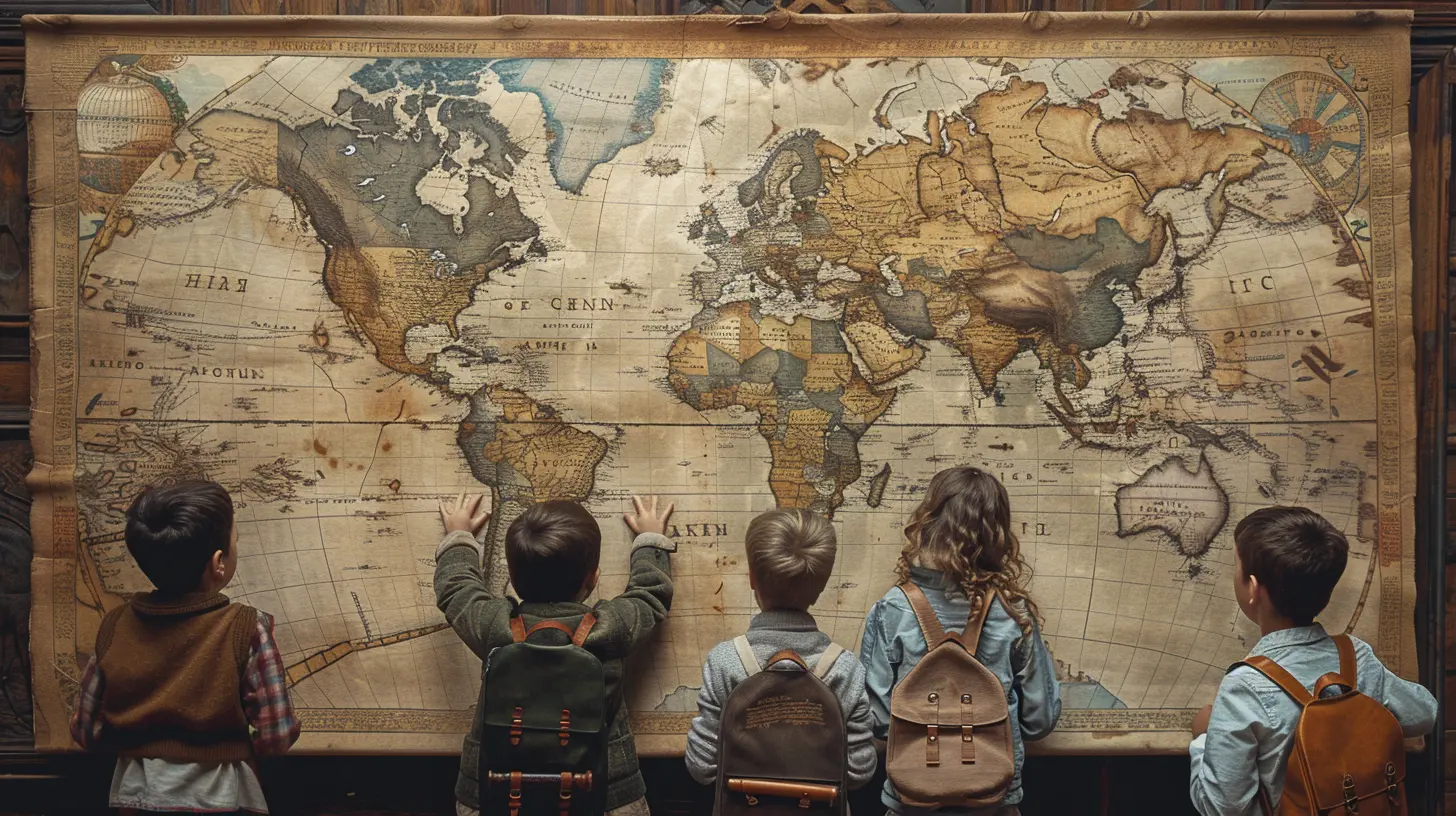
What Do We Mean by "Cultural Context"?
Think of cultural context as the lens through which we understand the norms, values, beliefs, customs, and social practices of people from the past. It's like stepping into their shoes to see the world the way they did.For example, the way we understand ancient Rome isn’t just based on battles or emperors. It’s shaped by what Romans believed, how they lived, what they wore, how they raised their kids, their religion, art, literature—you name it. Those are all parts of the cultural context puzzle.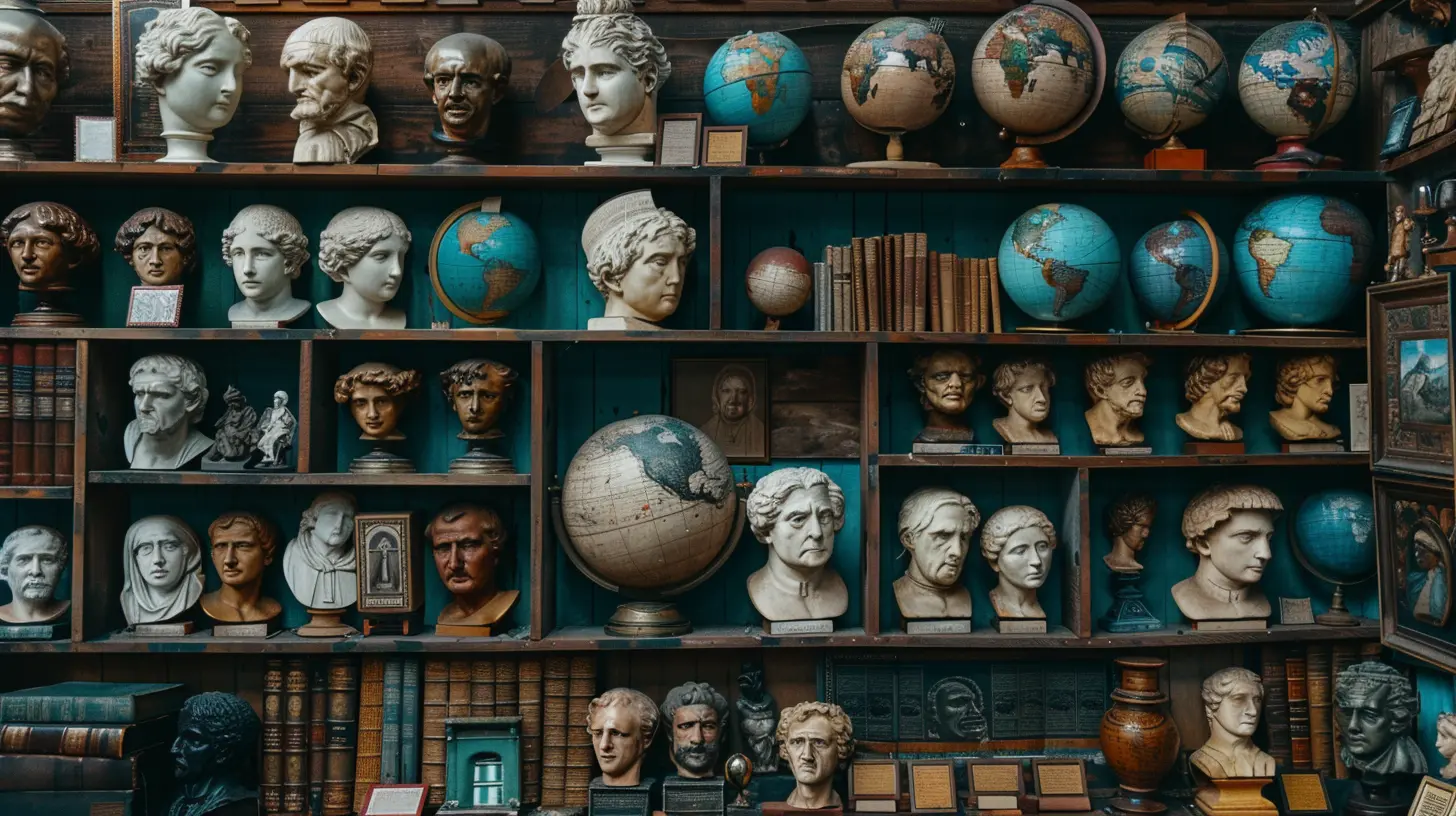
Why Is Cultural Context So Important in History Classes?
Imagine someone in the year 2500 trying to understand the 2020s without knowing anything about smartphones, social media, or memes. Sounds crazy, right? That’s what we're doing when we study the past without incorporating its cultural context.Here’s why it matters:
1. It Helps Make Sense of Decisions and Actions
Have you ever read about a historical decision and thought, “That makes zero sense”? Chances are, it makes more sense when you look at the cultural beliefs of the time.Take, for example, the Salem Witch Trials. Today, blaming people for witchcraft seems absurd. But in 1692, within a deeply religious and superstitious society, it was unfortunately logical—at least to them.
2. It Builds Critical Thinking
When students understand the “why” behind actions, not just the “what,” they become better thinkers. They start asking questions. “Why did that happen?” “What motivated them?” “Would I have done the same in that situation?”Cultural context doesn’t give us all the answers, but it points us in the right direction.
3. It Encourages Empathy
It’s easy to judge historical figures by modern standards. But when we look at their cultural surroundings, we start to understand their choices. We don’t excuse injustice, but we understand where it came from—and that builds empathy.
How to Teach History with Cultural Context in Mind
Now that we get why it’s important, let's talk about how to actually weave cultural context into history lessons. Spoiler: it's way more fun than memorizing dates.1. Use Primary Sources That Reflect Daily Life
Instead of only using political speeches or treaties, bring in letters, diaries, songs, newspapers, advertisements, or even recipes from the era. These materials show what life was really like. Students get a vibe for what people cared about, feared, and valued.Example: Teaching about World War II? Show students wartime propaganda posters or read letters from soldiers. These reveal how people felt and what they were told to believe.
2. Make Cross-Cultural Comparisons
Compare how different societies lived at the same time. It opens up students' minds and shows that different cultures had very different worldviews—even when facing similar challenges.Example: Compare Ancient Greece and Ancient China in terms of government, religion, and education. What did they prioritize? Why?
3. Tell the Untold Stories
History has often been told from the perspective of the powerful. But what about the everyday people—the farmers, the women, the enslaved, the oppressed? Their stories offer a richer and more balanced cultural picture.Try including diverse voices and lesser-known narratives to help students see the full picture.
4. Use Pop Culture as a Gateway
Movies, shows, music, and even video games based on historical settings can be used to connect students to the past. Sure, they’re dramatized, but they bring a human emotion and element that textbooks just can’t deliver.Use them as a starting point to ask deeper questions: “What did this film get right or wrong about the culture of the time?”
Examples That Prove Cultural Context Matters
Sometimes a good example is the best teacher. Let’s look at a few famous historical moments and see how cultural context changes everything.Example 1: The French Revolution
Without cultural context, it seems like the French suddenly got mad, stormed a prison, and overthrew the monarchy. But when you learn about:- The huge gap between the rich and poor
- The influence of Enlightenment ideas
- The extravagant lifestyle of royalty
…you start to get it. Anger wasn’t random. It was built up by years of inequality and cultural shifts in how people viewed authority.
Example 2: American Civil Rights Movement
Sure, we know the key events—Rosa Parks, MLK's speeches, marches. But dive into the African American cultural experience—music, churches, community, family structure, ongoing discrimination—and you understand the emotional drivers behind the movement.Example 3: Colonialism
If you only read colonizers’ documents, it might sound like they were bringing progress. But looking at the cultural context of the colonized people—how they lived, governed themselves, and what they valued—reveals how destructive colonization truly was. And that’s a perspective students need to see.Common Pitfalls When Ignoring Cultural Context
Still not convinced? Let’s look at what happens when we skip cultural context in history education.1. We Oversimplify Complex Events
Without cultural insight, we risk reducing revolutions to “they were angry,” or wars to “they wanted land.” Real life isn’t that simple. History isn’t either.2. We Misjudge Historical Figures
Judging past leaders or societies by 21st-century morals sounds noble, but it’s often unfair. Context doesn’t excuse their actions—it explains them.3. We Miss Out on Learning Opportunities
History is full of life lessons—about leadership, failure, resilience, progress. Cultural context helps us connect those dots and apply them to our lives today.Making Cultural Context Stick: Tips for Students
Let’s be real—history can be overwhelming. So if you’re a student wondering how to make sense of everything, here are a few hacks:Ask the Right Questions
When reading about an event, ask yourself:- What did people at the time believe?
- What were their daily lives like?
- What fears or hopes did they have?
Make It Personal
Try imagining yourself in that time and place. What would you wear? Eat? Believe? Who would you be? This makes history feel a lot more real.Talk About It
The best way to make cultural context stick is to talk it out with friends or classmates. Debate. Disagree. Ask questions. History becomes way more interesting when it sparks conversation.Teachers: Your Role Is Huge
Teachers, you’re not just relaying facts—you’re guiding students through time, helping them step into the shoes of those from centuries ago. Here’s how you can make that journey richer:- Encourage curiosity. Don’t just teach answers—provoke questions.
- Diversify your sources. Use voices from all walks of life and regions.
- Model empathy. Show students how to understand, not judge, the past.
When students leave your classroom thinking not just “what happened?” but “why did that happen?” and “how did people live back then?”—that’s when you know you’ve taught history right.
Final Thoughts
Understanding cultural context in history lessons isn’t just a nice bonus—it’s essential. It's the difference between memorizing a script and truly understanding the story. The more students and educators embrace the diversity of past cultures, the more vibrant, thoughtful, and impactful history becomes.History isn't just about memorizing what happened. It's about connecting the dots—ideas, emotions, beliefs, and experiences—that make up the human journey. Whether you're a student, a teacher, or just a curious soul flipping through the past, remember: context is everything. It’s the decoder ring that makes sense of it all.
all images in this post were generated using AI tools
Category:
Cultural AwarenessAuthor:

Olivia Chapman
Discussion
rate this article
2 comments
Nix McCallum
This article aptly emphasizes the significance of cultural context in history education. By integrating diverse perspectives, educators can foster critical thinking and empathy. However, it must also address the challenge of balancing representation with accuracy, ensuring that students grasp not only the narratives but the complexities behind them.
February 19, 2026 at 3:38 AM
Olivia Chapman
Thank you for your insightful comment! I completely agree that while diverse perspectives are crucial, it's important to maintain accuracy and depth in historical narratives to truly enhance students' understanding.
Vanta Abbott
Understanding cultural context in history is like seasoning a dish—without it, you just end up with bland facts! Let’s spice up our lessons, so students don’t just memorize dates but actually taste the stories behind them!
February 9, 2026 at 5:49 AM
Olivia Chapman
I completely agree! Adding cultural context transforms history from a list of dates into a rich narrative that engages students and makes the past come alive.